

Discover the Best Podiatrist Recommended Walking Shoes for All-Day Comfort
Your feet are your foundation, and the shoes you choose for walking—whether for fitness, work, or daily errands—can be the difference between a day filled with vibrant energy and one hampered by discomfort. The quest for the perfect walking shoe is often cluttered with marketing jargon and fleeting trends, making it difficult to discern what truly supports your body. This is where the expertise of podiatry becomes invaluable. Podiatrist recommended walking shoes are not merely a label; they represent a category of footwear designed with a deep understanding of biomechanics, foot anatomy, and injury prevention. This article cuts through the noise, offering a detailed, evidence-based guide to selecting shoes that provide genuine, all-day comfort and support, informed by the principles that guide foot health specialists.
The Science of Stride: Why Your Shoes Matter More Than You Think
Walking is a complex, repetitive motion involving a coordinated effort of bones, muscles, ligaments, and tendons from your feet to your spine. A suboptimal shoe can disrupt this kinetic chain, leading to issues far beyond simple foot pain. According to biomechanics literature from institutions like the University of Virginia’s Motion Analysis Laboratory, the gait cycle consists of the stance phase (foot on the ground) and the swing phase (foot in the air). During the stance phase, particularly at heel strike and toe-off, immense forces—often 1.5 times your body weight—travel through your feet. A shoe lacking proper cushioning and stability fails to absorb these shockwaves, transmitting stress upward to ankles, knees, hips, and the lower back. This is a primary reason podiatrists emphasize footwear that offers targeted cushioning in the heel and forefoot, coupled with a design that promotes a stable, neutral gait. Renowned podiatrist Dr. Emily Splichal, frequently cited in health media, argues that modern lifestyles on hard, flat surfaces have created a “sensory deprivation” for our feet, making supportive shoes critical for proprioception—our body’s awareness of its position in space. Therefore, choosing a podiatrist recommended walking shoe is a proactive investment in your entire musculoskeletal health, not just a purchase for your feet.
Decoding the Podiatrist’s Criteria: Beyond “Comfortable”
What specific features transform a regular sneaker into a podiatrist-endorsed tool for wellness? The criteria are objective and rooted in functional design. First is arch support. The arch acts as a natural shock absorber; when it collapses excessively (overpronation) or doesn’t collapse enough (supination), it leads to strain. A good walking shoe will have firm, contoured arch support that matches your foot type, a point consistently made by The American Podiatric Medical Association (APMA). Shoes bearing the APMA Seal of Acceptance have been reviewed by a committee of podiatrists and found to promote good foot health. Second is heel counter rigidity. The heel counter is the hard cup at the back of the shoe. A study published in the Journal of Foot and Ankle Research highlights that a firm, well-padded heel counter stabilizes the rearfoot, preventing excessive side-to-side motion that can cause Achilles tendonitis or plantar fasciitis. Third is adequate toe box space. As noted by Harvard Health Publishing, cramped toe boxes can lead to deformities like bunions and hammertoes. A podiatrist recommended walking shoe will have a toe box that allows your toes to splay naturally with about a thumb’s width of space in front of your longest toe. Finally, the flex point of the shoe must align with the natural flex point of your foot (the ball). If it doesn’t, it forces the foot to work against the shoe, causing fatigue and potential metatarsal stress.
Materials and Construction: Where Engineering Meets Anatomy
The magic of a superior walking shoe lies in its layered construction. The upper, typically made from engineered mesh or breathable knit, must offer a secure, sock-like fit without pressure points. The midsole is the heart of the shoe, where most technological innovation occurs. Materials like EVA (ethylene-vinyl acetate) foam provide lightweight cushioning, while advanced compounds like TPU (thermoplastic polyurethane) or proprietary blends like Brooks’ DNA LOFT or HOKA’s Profly+ offer a balance of softness and responsive energy return. The outsole requires durable rubber with a flexible groove pattern to facilitate a smooth roll-through from heel to toe. Consider the words of shoe designer and biomechanics researcher Benno Nigg, whose work at the University of Calgary revolutionized understanding of footwear: “The goal of a shoe is not to control the foot, but to allow it to function naturally while protecting it.” This philosophy is central to the construction of true podiatrist recommended walking shoes. They are not rigid casts but guided platforms that respect the foot’s intrinsic movement while offering protection from impact and environmental hazards.
:max_bytes(150000):strip_icc()/favorite-walking-shoes-round-up-november-2024-458c3fc0c6844adca7c0a34ebc5cfb9b.jpg)
Navigating the Market: Key Brands and Models with Podiatrist Backing
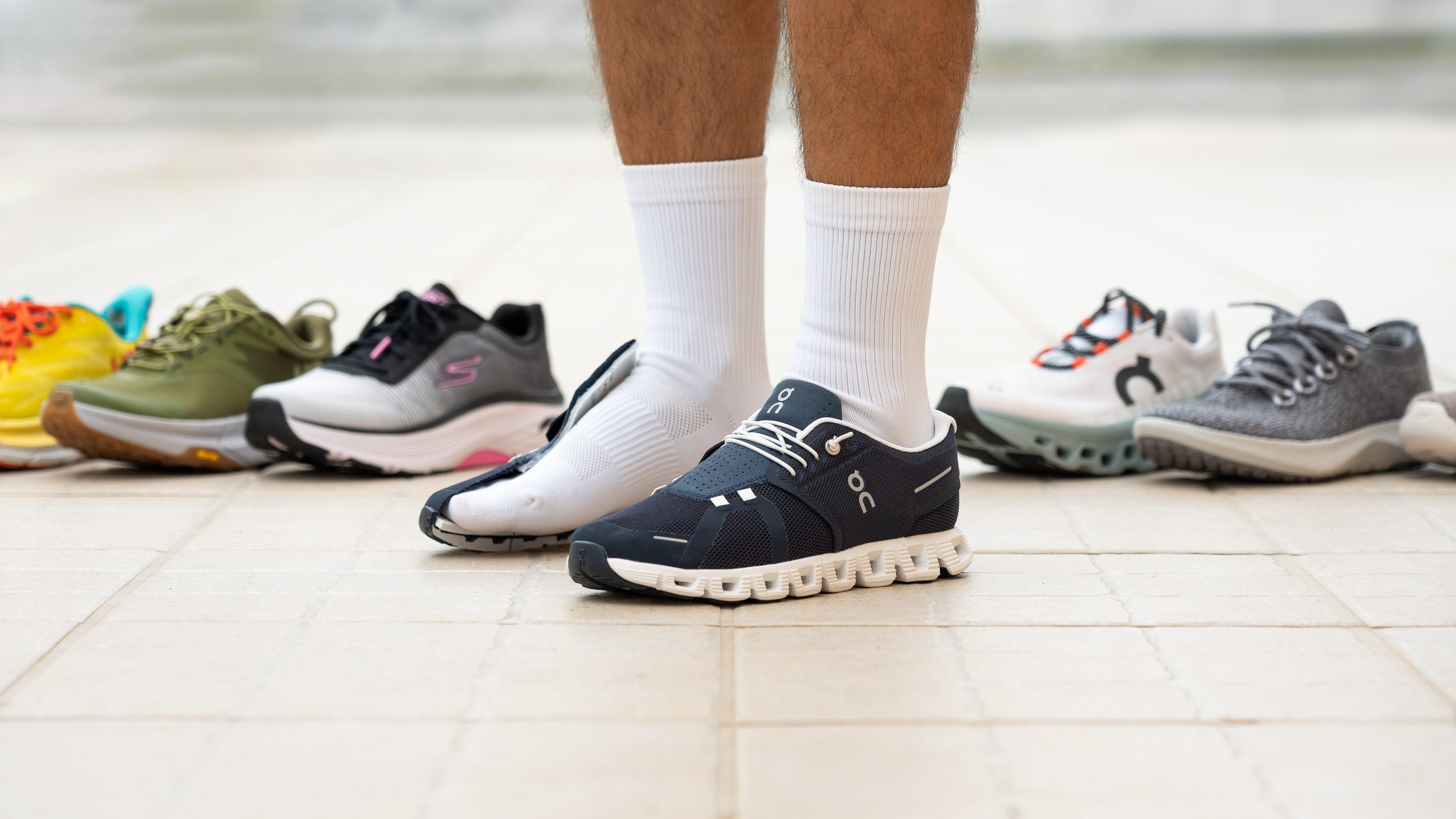
Several brands have consistently earned praise from foot care professionals for their commitment to biomechanical research. It’s important to remember that the “best” shoe is highly individual, but these brands serve as excellent starting points. Brooks is frequently lauded for its catered approach to gait types, with models like the Ghost (neutral) and Adrenaline GTS (stability) being clinic favorites. HOKA ONE ONE has gained a massive following in podiatric circles for its maximalist cushioning, which is exceptionally beneficial for those with joint pain or who stand for long periods; the Bondi and Clifton models are iconic. New Balance, with its wide range of widths, is often the go-to for patients needing extra volume, particularly in models like the 990 series. ASICS has a long history in motion control, with the Gel-Kayano providing robust support for overpronators. As podiatrist Dr. Brad Schaeffer noted in a feature for Travel + Leisure, “A good walking shoe should feel supportive and comfortable from the moment you put it on.” This “immediate comfort” test is a reliable indicator of a well-designed podiatrist recommended walking shoe. When trying models from these brands, pay attention to that first-step feel.
The Price of Wellness: Investing in Your Foundation
High-quality walking shoes from these reputable brands often carry a premium price tag, typically ranging from $120 to $180. It’s a valid point of consideration. However, reframing this cost is essential. Think of these shoes as essential medical or fitness equipment, akin to a quality mattress or an ergonomic office chair. The potential cost savings in avoided medical bills for conditions like plantar fasciitis, stress fractures, or chronic knee pain are significant. Furthermore, the durability of these shoes—often built with higher-grade materials—means they may outlast cheaper alternatives, providing better value over time. To make this investment more accessible, savvy shoppers should look for previous-season models, which are often discounted by 30-50% as new colorways are released. Official brand outlet stores, both online and physical, are treasure troves for such deals. Major holidays and retail events like Black Friday also see substantial discounts on core performance models. Remember, the goal is not just to buy a shoe, but to acquire a tool that enables a pain-free, active lifestyle—a goal worth the initial outlay for a genuine podiatrist recommended walking shoe.

Your Personal Fitting Journey: A Step-by-Step Guide
Armed with knowledge, your final task is the fitting. This process should never be rushed. First, shop in the late afternoon or evening, as feet naturally swell throughout the day. Wear the socks you intend to walk in. When trying on shoes, always stand up and walk around the store for several minutes, not just a few steps. Check for the key points: secure hold at the heel, no pinching at the arch or forefoot, and ample toe room. Don’t be wedded to your usual size; brand sizing can vary. Use the “finger test”: with the shoe on and laced, you should be able to slide your index finger between your heel and the back of the shoe with slight resistance. A powerful resource is a specialty running or walking store with trained staff who can watch your gait, often on a treadmill, and make informed recommendations. This service, sometimes called a gait analysis, bridges the gap between online research and personal physiology, helping you land on the perfect pair of podiatrist recommended walking shoes for your unique stride.
The journey to finding all-day comfort begins with respecting the engineering of your own body and the footwear designed to support it. Disregard fleeting fashion and focus on the fundamentals of fit, support, and construction championed by podiatric science. By prioritizing shoes built on these evidence-based principles, you are not just buying footwear; you are choosing a partner for every step, empowering miles of movement free from discomfort. Let your next step be your most supported one.
:max_bytes(150000):strip_icc()/tal-roundup-podiatrist-loved-shoes-on-sale-tout-bdbf5721fa5642efa38b61f6a5b4ff34.jpg)
