

Discover the Best Podiatrist Recommended Walking Shoes for All-Day Comfort
Your feet are your foundation, carrying you through thousands of steps each day. Yet, so often, they are an afterthought, crammed into footwear chosen for style over substance, leading to a cascade of discomfort that can ripple up through your entire body. The quest for all-day comfort isn’t merely about avoiding sore feet at the end of a long shift or a day of travel; it’s a fundamental investment in your mobility and overall well-being. This is where the specialized guidance of podiatry becomes invaluable. Moving beyond marketing buzzwords and fleeting fashion trends, podiatrist recommended walking shoes are engineered based on biomechanical principles to provide support, cushioning, and stability where your feet need it most. This article will navigate the science of foot health, decode the essential features that define a superior walking shoe, and present a curated selection of footwear that aligns with professional podiatric advice, all while guiding you to where you can find these vital tools for your feet at the best possible value.
The Science of Support: Why Your Feet Demand Expert Care
To understand the critical importance of specialized footwear, we must first appreciate the incredible complexity of the human foot. Each foot is a masterpiece of biological engineering, comprising 26 bones, 33 joints, and over 100 muscles, tendons, and ligaments. This intricate structure acts as both a shock absorber and a rigid lever during the gait cycle—the sequence of movements from when your heel hits the ground to when your toes push off. When this cycle is disrupted by improper footwear, the consequences are far-reaching. Pronation, the natural inward roll of the foot, can become excessive, leading to flattened arches and strain on the knees and hips. Conversely, insufficient pronation (supination) places excessive pressure on the foot’s outer edge. As noted by the American Podiatric Medical Association (APMA), shoes that lack adequate arch support and cushioning can contribute to a host of common ailments, from plantar fasciitis—a stabbing heel pain caused by inflammation of the tissue band connecting your heel bone to your toes—to metatarsalgia (ball-of-foot pain), bunions, and neuromas. The right shoe acts as an external orthotic, guiding the foot through a healthy, efficient gait. Therefore, selecting a podiatrist recommended walking shoe is not a luxury; it is a proactive measure in preventive healthcare, akin to choosing a supportive mattress for your spine.
:max_bytes(150000):strip_icc()/podiatrist-recommended-walking-shoes-e1b90077185d4e6cadbf6327c4d17db7.jpg)
Decoding the Anatomy of a Superior Walking Shoe
What specific elements transform an ordinary sneaker into a podiatrist recommended walking shoe? The distinction lies in a combination of non-negotiable features designed to work in harmony. First and foremost is the heel counter. This is the firm cup at the back of the shoe that cradles your heel. A rigid, well-structured heel counter is paramount; it prevents excessive heel movement, stabilizes the rearfoot, and is the cornerstone for controlling pronation. Next, examine the midsole. This is the heart of the shoe’s cushioning and support, typically made from materials like EVA (ethylene-vinyl acetate) or polyurethane. Density and design here are key. Many podiatrist-endorsed shoes feature dual-density midsoles—a firmer material on the inner side to prevent overpronation and a softer material elsewhere for comfort. The arch support should be pronounced and contoured to match the natural shape of your foot, not a generic, shallow bump. The toe box must be wide and deep enough to allow your toes to splay naturally without rubbing or constriction, a point famously emphasized by minimalist movement advocates and biomechanists like Katy Bowman, author of “Whole Body Barefoot,” who stresses the importance of foot shape for overall alignment. Finally, the flexibility should be strategic. The shoe should bend easily at the ball of the foot (where your foot naturally flexes) but remain torsionally rigid through the midfoot to protect the arch. When you find a shoe that successfully integrates these elements, you have found a true partner for your feet.
Beyond the Basics: Materials, Breathability, and Fit Philosophy
While structure is critical, the materials enveloping your foot play an equally vital role in all-day comfort. Modern podiatrist recommended walking shoes often utilize advanced engineered mesh uppers. This material provides exceptional breathability, reducing heat and moisture buildup that can lead to blisters and fungal infections, while also offering adaptive stretch for a more customized fit. The insole, or sock liner, is another component where science meets comfort. Many top-tier walking shoes feature removable orthotic-friendly insoles, allowing you to replace them with custom orthotics prescribed by your podiatrist without compromising the shoe’s interior volume or geometry. The outsole’s rubber compound and tread pattern are designed for durable traction and a smooth heel-to-toe transition, promoting a natural rolling motion. Perhaps the most overlooked aspect is the fit philosophy. Renowned running and walking shoe retailers, and podiatrists themselves, consistently advise two golden rules: always get professionally fitted in the late afternoon or evening, as feet naturally swell throughout the day, and ensure there is a thumb’s width of space (about a half-inch) between your longest toe and the end of the shoe. This space is not for growth, but for the natural forward slide and expansion that occurs with every step you take. Ignoring this can lead to black toenails and cramped forefoots, utterly defeating the purpose of a comfort-focused shoe.

Curated for Comfort: Podiatrist-Trusted Brands and Models
Several brands have consistently earned the trust of foot care professionals by prioritizing biomechanical research and clinical feedback. Brands like New Balance, Brooks, ASICS, and HOKA are frequently cited in podiatric circles for their commitment to foundational support. For instance, New Balance is renowned for its extensive range of widths, a critical feature for achieving a truly precise fit that many brands overlook. Their Fresh Foam series often receives praise for its plush yet responsive cushioning that doesn’t bottom out. Brooks, with its DNA LOFT and GuideRails technologies, focuses on soft landings and holistic support that keeps excess movement in check without being overly corrective. ASICS, a name rooted in the Latin phrase “Anima Sana In Corpore Sano” (a sound mind in a sound body), incorporates GUIDANCE LINE® technology in many of its walking models to enhance gait efficiency. HOKA, known for its maximalist cushioning, offers models with meta-rocker geometries that encourage a smooth, rolling stride, which can be particularly beneficial for those with joint sensitivities. It’s important to remember that the “best” shoe is profoundly individual; a model celebrated by one podiatrist for a patient with high arches may differ from the recommendation for someone with severe overpronation. This is why the overarching principle is to seek out models from these reputable brands that carry the APMA Seal of Acceptance or are explicitly highlighted in podiatrist-led reviews and roundups as exemplary podiatrist recommended walking shoes.
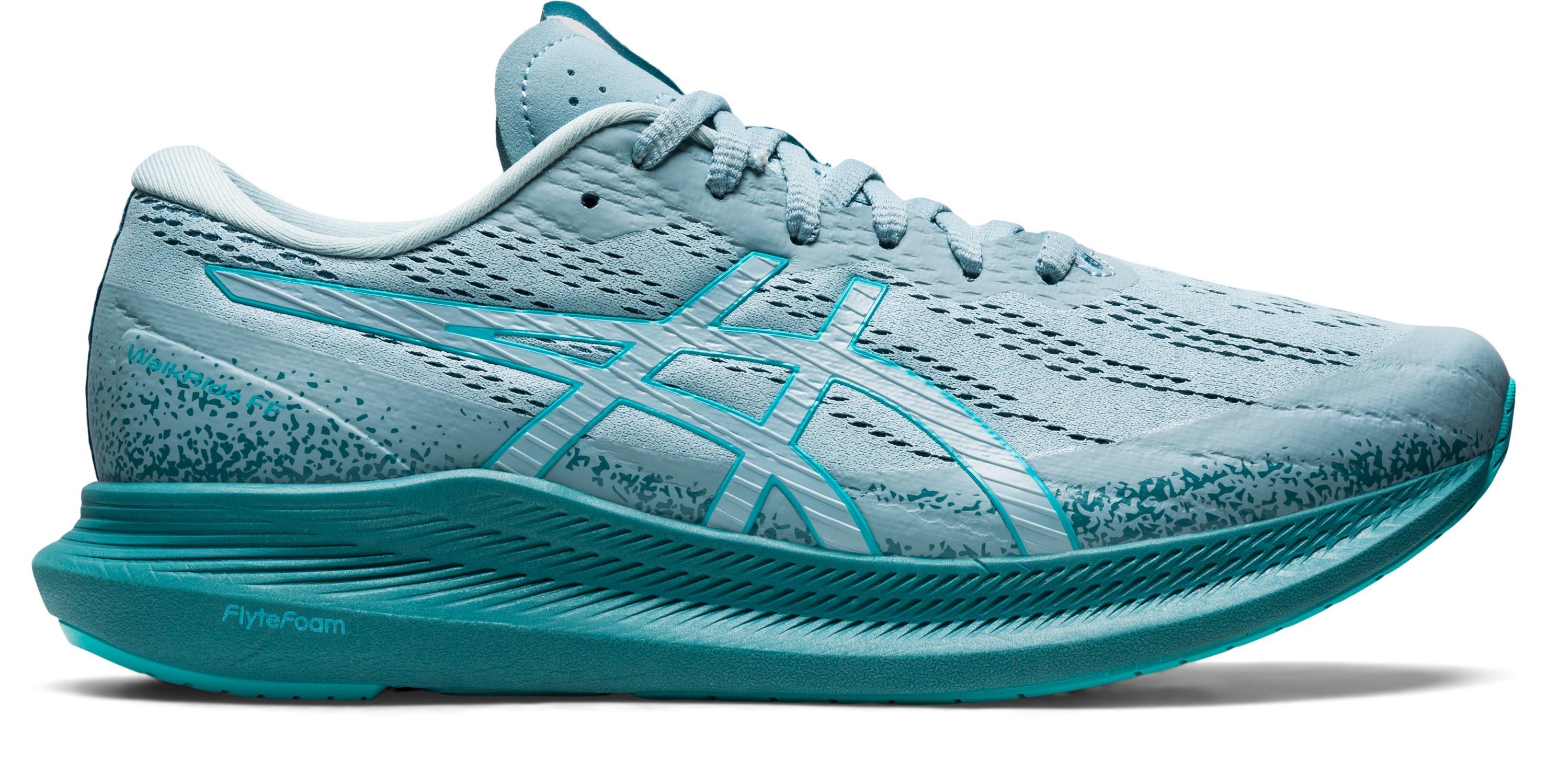
Investing in Your Stride: Finding Value in Quality Footwear
A common hesitation when considering high-quality walking shoes is the initial cost. It’s true that a pair of expertly engineered podiatrist recommended walking shoes often carries a higher price tag than a generic pair from a discount store. However, this is a classic case where value transcends mere price. Consider the cost-benefit analysis: a $150 pair of shoes that prevents even one visit to the podiatrist for a $200 treatment of plantar fasciitis, or worse, avoids the need for custom orthotics costing several hundred dollars more, has already paid for itself. Furthermore, the construction quality and durable materials in these shoes mean they will maintain their supportive properties far longer than a cheaply made alternative that compresses and breaks down within a few months. To make this investment more accessible, savvy shoppers should look to end-of-season sales, official brand outlet websites, and reputable online retailers that frequently offer discounts on previous model years. The technology in a shoe from one or two seasons ago is still vastly superior to non-specialized footwear, and the savings can be significant. The goal is not to spend the most money, but to spend your money most wisely on footwear that delivers proven, podiatrist-vetted benefits. Your feet—and your entire kinetic chain—will thank you for years to come.

The journey to all-day comfort begins from the ground up. By choosing footwear informed by podiatric science, you are making a conscious decision to support the intricate architecture of your feet, thereby enhancing your stability, reducing fatigue, and safeguarding your long-term mobility. This is not about following a trend; it is about embracing a fundamental tool for a more active, pain-free life. Let the principles outlined here—rigorous heel counters, strategic support, quality materials, and a perfect fit—guide your search. Seek out those trusted brands and models that have earned professional endorsements, and take advantage of the many avenues available to acquire them at a favorable price. Your next step should be your most supported one yet.
