

Discover the Best Podiatrist Recommended Walking Shoes for All-Day Comfort
Your feet are your foundation, carrying you through thousands of steps each day. Yet, so many of us endure discomfort, pain, and fatigue simply because we haven’t given our feet the proper architectural support they deserve. The quest for comfortable footwear often leads us down aisles of stylish options that promise comfort but deliver little more than a cushioned insole. This is where expert guidance becomes invaluable. By turning to the professionals who understand the intricate biomechanics of the human foot—podiatrists—we can make informed choices that transform our daily mobility. This article is dedicated to uncovering the science and criteria behind truly supportive footwear, moving beyond marketing claims to the core principles of foot health. We will explore why certain features are non-negotiable, how they prevent common ailments, and ultimately, how to identify the podiatrist recommended walking shoes that provide genuine, all-day comfort.
The Foundation of Foot Health: Why Podiatrist Guidance is Essential
Podiatry, the branch of medicine devoted to the study, diagnosis, and treatment of disorders of the foot, ankle, and lower extremity, provides a critical lens through which to evaluate footwear. Podiatrists don’t just treat problems; they understand their root causes, many of which are exacerbated or even created by improper shoes. Consider the biomechanics of walking, or gait cycle. As Dr. Jacqueline Sutera, a New York City-based podiatrist and spokesperson for the American Podiatric Medical Association (APMA), often explains, a proper gait involves a complex sequence of heel strike, foot flat, mid-stance, heel-off, and toe-off. Shoes that are too rigid, too flexible, or lack adequate arch support disrupt this natural motion, leading to compensatory patterns that can cause pain not only in the feet but also in the knees, hips, and lower back. The APMA itself grants a Seal of Acceptance to products that promote good foot health, a valuable indicator for consumers. Therefore, seeking out podiatrist recommended walking shoes is not a matter of chasing a trend; it is a proactive step in preventive healthcare. It aligns your daily wear with the physiological needs of your musculoskeletal system, aiming to distribute pressure evenly, provide stability, and absorb shock with every step you take.
:max_bytes(150000):strip_icc()/I-Asked-Podiatrists-for-Their-Fall-Shoe-Recommendations-These-Are-Their-Top-8-Picks-8fbdf9d65f3a4228ae63f6e5253dc08c.jpg)
Arch Support: The Non-Negotiable Pillar of Comfort
If there is one feature that podiatrists unanimously emphasize, it is substantial, well-contoured arch support. The arch of your foot is not merely a curvature; it is a dynamic, spring-like structure designed to bear and distribute your body’s weight. When this arch is unsupported—as in flat shoes or those with generic, flat footbeds—it can collapse or overpronate (roll inward excessively). This places immense strain on the plantar fascia, the thick band of tissue running along the bottom of the foot, often leading to plantar fasciitis, a debilitating condition characterized by sharp heel pain. A proper arch support in a podiatrist recommended walking shoe acts as a brace, maintaining the arch’s natural position and preventing excessive elongation of the plantar fascia. It’s crucial to understand that arch support is not one-size-fits-all. Podiatrists categorize arches generally as low (flat), neutral, or high. A person with flat feet requires a shoe with motion control and a firm, supportive arch to prevent overpronation, while someone with a high arch needs a shoe with significant cushioning and a curved last (the shape of the shoe) to accommodate the rigid arch. Brands like Brooks, ASICS, and New Balance often design specific models catering to these different arch types, a detail frequently highlighted in podiatric reviews and recommendations.
Heel Counter and Toe Box: Stability and Freedom
Moving beyond the arch, two other structural elements are paramount: a firm heel counter and an adequately spacious toe box. The heel counter is the rigid material that cups the back of your heel. Its primary function is stability. A firm heel counter minimizes excessive heel movement inside the shoe, preventing slippage that can lead to blisters and, more importantly, providing essential rearfoot stability that controls the foot’s alignment as it strikes the ground. A wobbly heel counter allows the foot to roll unpredictably, undermining any benefits provided by the arch support. On the opposite end, the toe box must provide ample room. The common advice from podiatrists is to have about a thumb’s width of space between your longest toe and the end of the shoe. This space allows your toes to splay naturally during the push-off phase of walking. Constrictive toe boxes, often found in fashion-focused footwear, can lead to a host of problems including bunions, hammertoes, ingrown toenails, and neuromas (pinched nerves). A well-designed toe box in a quality walking shoe accommodates the natural, triangular shape of the forefoot, offering width and depth without being overly bulky.
:max_bytes(150000):strip_icc()/tal-10-podiatrist-approved-open-toed-shoes-tout-00bd6ff1c36a49cdbbff486b0b54fb27.jpg)
Material Science and Cushioning: Beyond Simple Softness
When we think of comfort, we often equate it with softness. However, in podiatric terms, effective cushioning is about managed energy return and impact dissipation. The midsole, typically made from materials like EVA (ethylene-vinyl acetate) foam, polyurethane, or proprietary compounds like Brooks’ DNA LOFT or ASICS’ GEL, is the engine of cushioning. Its job is to absorb the shock of heel strike—a force that can be multiples of your body weight—and then provide a responsive rebound to assist with propulsion. A shoe that is too soft may feel comfortable initially but can bottom out quickly, failing to provide sustained support and potentially causing instability. As noted in biomechanics literature from institutions like the University of Calgary’s Human Performance Lab, optimal cushioning balances softness with resilience. Furthermore, the upper material is critical for comfort. It should be breathable, like engineered mesh, to manage moisture and temperature, reducing the risk of fungal infections. It should also be flexible yet structured, adapting to your foot’s shape without stretching out of supportiveness over time. This sophisticated interplay of materials is a hallmark of truly advanced podiatrist recommended walking shoes.
The Weight and Flexibility Equation
A common misconception is that a supportive shoe must be heavy and stiff. Modern footwear technology has brilliantly debunked this. The weight of a shoe directly impacts the energy cost of walking. Heavier shoes force the muscles in your legs and feet to work harder with each lift, leading to premature fatigue. Leading podiatrist recommended walking shoe brands now utilize lightweight, durable foams and strategic material cutouts to shed grams without sacrificing support or durability. Flexibility, however, must be strategic. A shoe should bend easily at the ball of the foot—where your foot naturally flexes during toe-off—but remain relatively rigid through the midfoot where arch support is located. The “bend test” is a simple podiatrist-approved trick: hold the shoe at the heel and toe and try to bend it. It should flex at the forefoot, not in the middle. A shoe that folds in half offers no meaningful arch support. This targeted flexibility ensures the shoe works in harmony with your foot’s mechanics rather than against them.
:max_bytes(150000):strip_icc()/shp-best-brooks-walking-shoes-tout-f67df3ab5afa4c08a24a63ae6dca3444.jpg)
From Principle to Practice: Identifying Your Ideal Pair
Understanding the principles is the first step; applying them is the next. Start by assessing your own feet. Wet your foot and step on a piece of cardboard to see your arch imprint. Better yet, visit a specialty running or walking store where they often have scanning technology or expert staff to analyze your gait and arch type. When trying on shoes, do so in the afternoon or evening when your feet are naturally slightly swollen. Always wear the socks you intend to walk in. Walk around the store for several minutes, paying attention to pressure points. There should be no “break-in” period for pain; true comfort should be immediate. Look for the APMA Seal of Acceptance on the box or the brand’s website—it’s a significant endorsement. Renowned podiatrist Dr. Brad Schaeffer, whose insights are frequently shared on platforms like Quora and health blogs, advises, “Don’t be swayed by style alone. The best shoe for you is the one you forget you’re wearing because it works so seamlessly with your body. Prioritize fit and function, and the confidence will follow.” This philosophy underscores that the right shoe is a tool for effortless movement.
An Investment in Long-Term Wellbeing
It’s true that high-quality podiatrist recommended walking shoes often come with a higher price tag than discount department store options. However, this must be reframed as an investment, not an expense. Consider the cost of podiatrist visits, physical therapy, orthotics, pain medications, and lost productivity due to foot pain. A single pair of properly engineered shoes can help avoid these downstream costs. Furthermore, the durability of these shoes is generally superior. While fashion sneakers might deteriorate in a few months, a well-constructed walking shoe from a reputable brand is designed for 300-500 miles of use. To make this investment more accessible, savvy shoppers can look for previous model-year versions of top shoes, which are often discounted by 30-50% when a new version is released, with only minor cosmetic or material updates. Signing up for brand newsletters or checking reputable online retailers during seasonal sales can yield significant savings on these clinically endorsed models, bringing professional-grade foot health within reach.
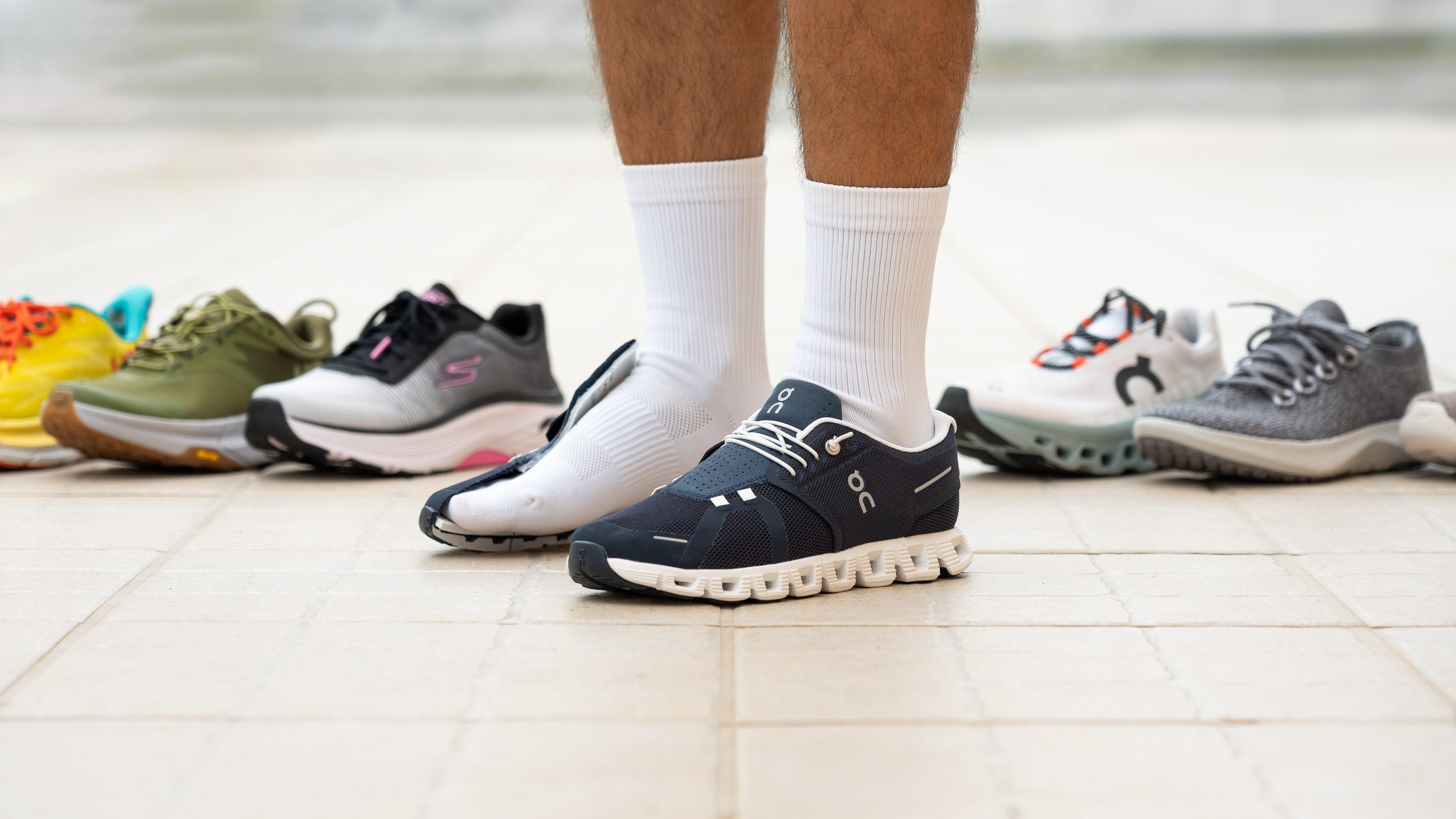
Your journey toward pain-free, energized walking begins with a conscious choice to prioritize the science of support over the allure of style. The difference between ordinary shoes and podiatrist recommended walking shoes is the difference between merely covering your feet and actively caring for the complex biological system that propels you forward. By focusing on arch support, structural stability, intelligent materials, and a precise fit, you select a partner for your feet that respects their design and function. This choice reverberates upward, promoting better posture, more efficient movement, and a profound sense of physical ease that lasts from your first step in the morning to your last at night. Let this knowledge guide you to the footwear that doesn’t just promise comfort but is engineered, from the heel counter to the toe box, to deliver it with every single step.
