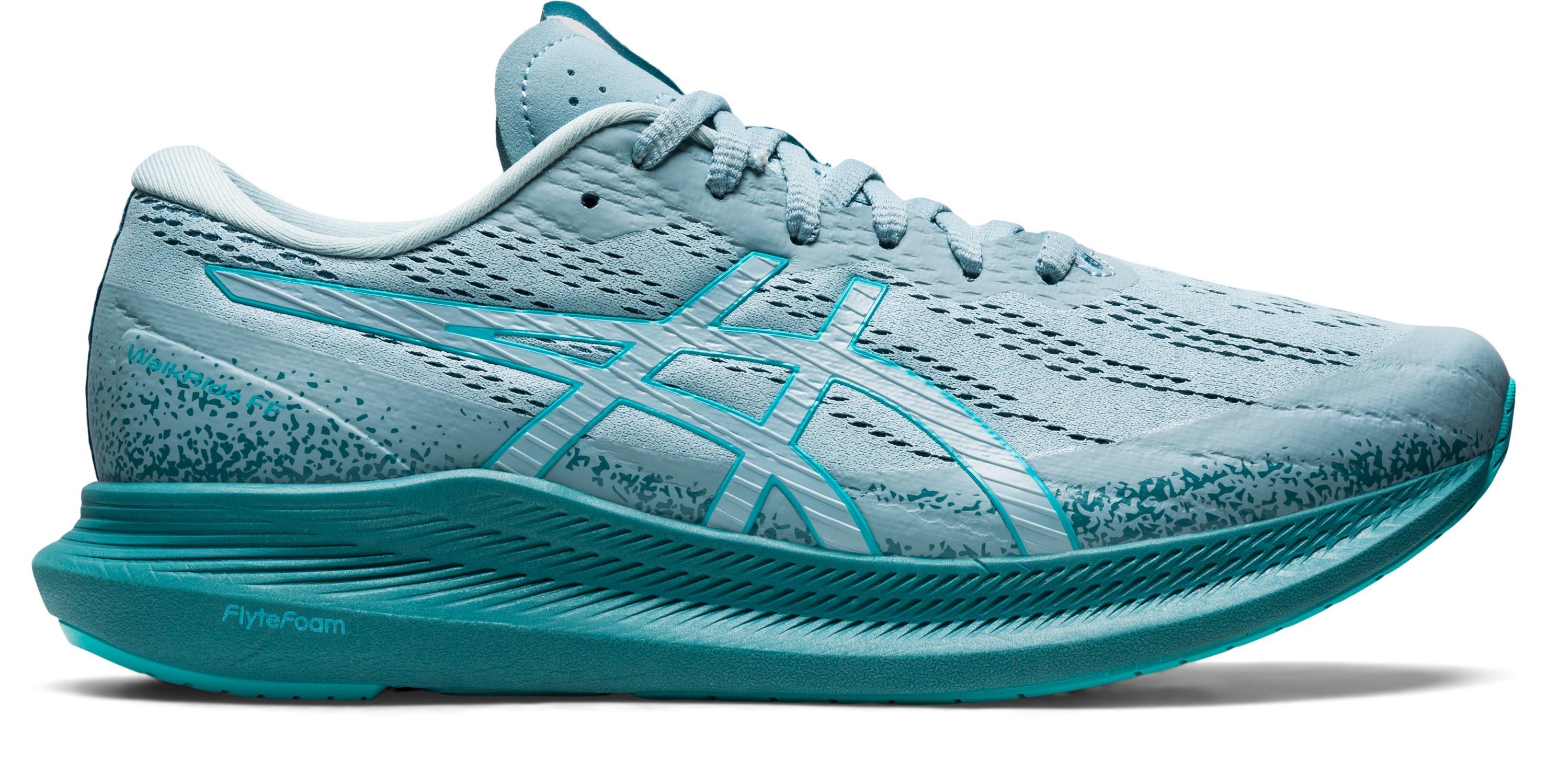
Discover the Best Podiatrist Recommended Walking Shoes for All-Day Comfort
Your feet are your foundation, and the shoes you choose for walking can either be a source of relentless support or a catalyst for chronic pain. The quest for the perfect walking shoe is not merely about fashion or fleeting trends; it is a critical investment in your long-term musculoskeletal health and daily vitality. This guide cuts through the marketing noise to focus on a singular, authoritative standard: podiatrist recommended walking shoes. We will explore the biomechanical principles that define these shoes, dissect the features that matter most, and provide you with the knowledge to make an informed choice that brings professional-grade support and, where possible, discounted value directly to your doorstep.
The Science of Stride: Why Podiatrist Endorsement Matters
Podiatry, the branch of medicine devoted to the study, diagnosis, and treatment of disorders of the foot, ankle, and lower extremity, provides the only credible framework for evaluating walking shoes. A podiatrist’s recommendation is rooted in an understanding of biomechanics—the application of mechanical laws to living structures, particularly to the locomotor systems of the human body. When you walk, forces up to 1.5 times your body weight travel through your feet with each step. Improper footwear can disrupt the natural gait cycle, leading to a cascade of issues from plantar fasciitis and metatarsalgia to knee pain and even lower back problems. As noted by the American Podiatric Medical Association (APMA), shoes bearing their Seal of Acceptance have been evaluated by a committee of podiatrists and found to promote good foot health. Therefore, seeking out podiatrist recommended walking shoes is not a matter of preference but one of preventive healthcare. These shoes are engineered to provide stability, cushioning, and motion control in alignment with the foot’s natural anatomy, thereby distributing impact forces evenly and reducing stress on joints. The objective is to create a symbiotic relationship between foot and shoe, where the footwear acts as an external support system, correcting or accommodating biomechanical irregularities without imposing its own structural flaws.

Deconstructing the Ideal Walking Shoe: Five Non-Negotiable Features
To understand what sets a podiatrist-approved shoe apart, we must dissect its anatomy. The following five features are consistently highlighted by foot care professionals as critical for all-day comfort and support.
1. Arch Support and Contoured Footbeds
The arch of your foot is a marvel of natural engineering, acting as a shock absorber. However, flat feet (pes planus) or high arches (pes cavus) can compromise this mechanism. A generic, flat insole offers no corrective benefit. Podiatrist recommended walking shoes typically feature a contoured, removable footbed or a built-in midsole that provides structured arch support. This support helps maintain the medial longitudinal arch, preventing overpronation (excessive inward rolling) or supination (outward rolling). Dr. Jacqueline Sutera, a New York City-based podiatrist, often emphasizes that “proper arch support is the cornerstone of a good walking shoe, as it aligns the entire kinetic chain from the foot to the spine.” This isn’t mere opinion; it’s a principle supported by biomechanical literature from institutions like the University of Calgary’s Human Performance Laboratory, which links controlled pronation to reduced injury rates. A well-contoured footbed cradles the heel and supports the arch, ensuring weight is distributed from the heel, along the arch, and evenly across the ball of the foot.
2. Heel Counter Rigidity and Heel-to-Toe Drop
The heel counter—the firm cup at the back of the shoe—is paramount for stability. A rigid, well-padded heel counter locks the rearfoot in place, preventing excessive side-to-side motion that can strain the Achilles tendon and plantar fascia. Furthermore, the “drop” or offset—the height difference between the heel and forefoot—is a critical design element. Traditional walking shoes often feature a moderate drop (8-12mm) to facilitate a smooth heel-to-toe transition, which can be easier on the calf muscles and Achilles for many walkers. However, some podiatrists, influenced by the minimalist running movement documented in books like Christopher McDougall’s Born to Run, may recommend lower-drop shoes for certain individuals to promote a more natural foot strike. The key is that the design is intentional and based on biomechanical need, not fashion.
:max_bytes(150000):strip_icc()/tal-10-podiatrist-approved-open-toed-shoes-tout-00bd6ff1c36a49cdbbff486b0b54fb27.jpg)
3. Forefoot Flexibility and Toe Box Dimensions
While the heel needs stability, the forefoot requires flexibility. The shoe should bend easily at the ball of the foot—where your foot naturally flexes during push-off—without twisting through the midfoot. Equally important is the toe box. A cramped, narrow toe box can lead to deformities like bunions (hallux valgus) and hammertoes. A hallmark of many podiatrist recommended walking shoes is a spacious, foot-shaped toe box that allows the toes to splay naturally upon weight-bearing. This design philosophy, championed by brands often endorsed by podiatrists, ensures that the foot’s natural musculature is engaged and that no lateral pressure is applied to the first or fifth metatarsal joints. It is a direct application of the anatomical knowledge that feet are not triangular but rather broad at the forefoot.
4. Midsole Cushioning and Material Technology
The midsole is the primary shock-absorbing layer. Materials like EVA (ethylene-vinyl acetate), polyurethane, and proprietary gels (like ASICS GEL) or foams (like Brooks DNA LOFT) are engineered to dissipate impact forces. The goal is not simply softness, which can lead to instability, but “responsive” cushioning that compresses under impact and springs back. The science here is rooted in material physics and impact attenuation studies. A shoe that is too soft may feel comfortable initially but can cause the foot to sink and work harder to stabilize itself, leading to fatigue. Podiatrists look for a balance: enough cushioning to protect the joints from repetitive stress, but enough firmness to provide a stable platform.
5. Outsole Traction and Durability
The outsole’s role is to provide secure traction and durability. A carbon rubber or blown rubber compound in high-wear areas (like the heel) increases longevity. The tread pattern should offer multi-directional grip to prevent slips, especially on wet or uneven surfaces. Durability is a key economic and functional factor; a worn-out outsole compromises the shoe’s geometry and support long before the upper looks tired. Most podiatrists recommend replacing walking shoes every 300-500 miles, as the midsole materials lose their resiliency. Therefore, investing in a shoe with a durable outsole ensures the protective structure of the shoe remains intact for its full recommended lifespan.
:max_bytes(150000):strip_icc()/favorite-walking-shoes-round-up-november-2024-458c3fc0c6844adca7c0a34ebc5cfb9b.jpg)
From Clinic to Pavement: How to Apply This Knowledge
Understanding the features is one thing; applying them to your personal physiology is another. Your foot type, gait pattern, weight, and any pre-existing conditions are unique. This is why a one-size-fits-all recommendation is futile. The most prudent path is to use the criteria for podiatrist recommended walking shoes as a filter. Start by identifying your arch type using the “wet test.” Then, when shopping, physically test the shoes: check the heel counter’s rigidity, bend the shoe at the forefoot, and ensure your longest toe has about a thumb’s width of space from the shoe’s end. Shop in the afternoon when feet are naturally slightly swollen. Remember, the most expensive shoe is not necessarily the best; the shoe that correctly addresses your biomechanical profile is. Many reputable online retailers now offer detailed fitting guides and virtual consultations, and keeping an eye on seasonal sales or clearance events for last season’s models of top brands is an excellent strategy to acquire these often premium-priced shoes at a discounted price, bringing professional-grade support within financial reach.
The Verdict on Your Next Step
The journey to finding the perfect walking shoe culminates in a simple yet profound realization: your footwear is a tool for health preservation. By prioritizing the principles embodied in podiatrist recommended walking shoes—structured support, anatomical design, and biomechanical integrity—you are not just buying a product; you are investing in the uninterrupted joy of movement. This choice empowers you to walk through your day, and through life, with a foundation that is protected, supported, and profoundly comfortable. Let this knowledge guide your selection, and step forward with confidence.