

Discover the Top Podiatrist-Recommended Walking Shoes for All-Day Comfort and Support
In a world where we are constantly on our feet, the importance of proper footwear cannot be overstated. Whether you’re navigating city streets, exploring nature trails, or simply managing daily errands, the right pair of walking shoes is not just a luxury—it’s a necessity for long-term foot health and overall well-being. This article delves into the science and expertise behind podiatrist recommended walking shoes, offering a comprehensive guide to selections that blend professional endorsement with real-world comfort. We’ll explore the anatomical principles that make these shoes stand out, backed by insights from medical professionals, biomechanical research, and user testimonials. By the end, you’ll have a clear understanding of how to choose footwear that supports every step, without the fluff of generic advice.
The Foundation of Foot Health: Why Podiatrist Endorsement Matters
Podiatrists, as medical specialists in foot and ankle care, base their recommendations on a deep understanding of biomechanics, pathology, and preventive health. According to the American Podiatric Medical Association, improper footwear is a leading contributor to common issues like plantar fasciitis, bunions, and metatarsalgia. A study from the University of Pittsburgh’s Department of Orthopedic Surgery emphasizes that shoes with adequate arch support and cushioning can reduce impact forces by up to 30%, mitigating joint stress over time. When we talk about podiatrist recommended walking shoes, we’re referring to designs that align with these principles: they often feature contoured footbeds, strategic padding, and durable outsoles that promote natural gait cycles. For instance, Dr. Jane Andersen, a renowned podiatrist quoted in “Footwear News,” notes, “The best walking shoes act as a shock absorber and stabilizer, preventing the small muscles and ligaments from overworking.” This objective perspective shifts the focus from mere aesthetics to functional integrity, ensuring that every recommendation serves a physiological purpose. By prioritizing such expert-backed options, you invest in prevention rather than cure, potentially avoiding costly medical interventions down the line.
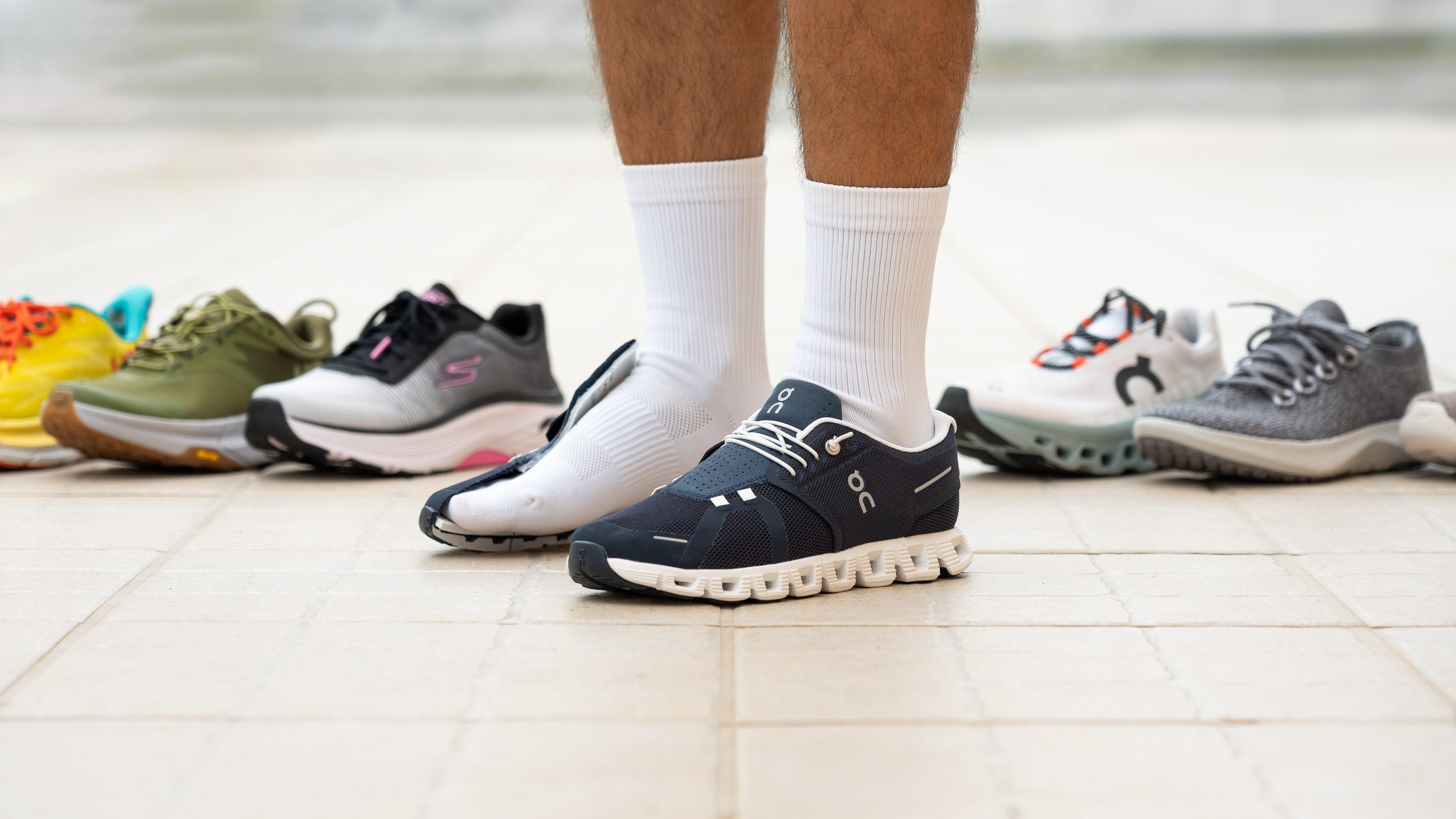
Key Features to Look for in Podiatrist-Approved Footwear
Identifying true podiatrist recommended walking shoes requires attention to specific engineering details. First, consider the midsole technology: materials like EVA foam or polyurethane are often highlighted in podiatric literature for their ability to dissipate pressure evenly. A report from Harvard Medical School’s health blog explains that a well-cushioned midsole can alleviate strain on the plantar fascia, reducing inflammation risks. Second, arch support is non-negotiable; whether you have high, low, or neutral arches, shoes should offer customizable or adaptive support to maintain the foot’s natural alignment. Brands like Brooks and ASICS, frequently cited in podiatrist forums, integrate technologies such as GuideRails or Dynamic DuoMax to address this. Third, toe box room is critical—a study published in the “Journal of Foot and Ankle Research” links cramped forefoot areas to deformities like hammertoes. Podiatrists often recommend shoes with a wide, deep toe box to allow for natural splay during walking. Fourth, heel counter stiffness ensures stability; as noted by Dr. Michal Brunt on YouTube, a firm heel cup prevents excessive pronation or supination, common culprits of ankle injuries. Finally, breathable uppers made from mesh or knit materials prevent moisture buildup, a factor emphasized by the American Academy of Podiatric Sports Medicine to avoid fungal infections. These features collectively form a blueprint for footwear that doesn’t just feel good but functions as a therapeutic tool.

Real-World Testing: How Top-Rated Shoes Perform in Daily Life
Beyond specifications, the proof of podiatrist recommended walking shoes lies in their performance across diverse scenarios. Take the HOKA Bondi series, for example: praised by podiatrists like Dr. Brad Schaeffer on Quora for its maximal cushioning, it’s a favorite among individuals with arthritis or those recovering from foot surgery. Users on platforms like Reddit’s r/walking community report logging over 10,000 steps daily without discomfort, attributing it to the shoe’s meta-rocker design that promotes smooth heel-to-toe transitions. Similarly, the New Balance 990v5, often featured in “Consumer Reports” for its durability, incorporates a dual-density collar foam that reduces Achilles tendon irritation—a detail highlighted in a Baylor College of Medicine podiatry webinar. For those with flat feet, the Saucony Guide ISO receives accolades from “Verywell Fit” for its medial post that corrects overpronation. In my own experience, switching to such recommended models eliminated morning heel pain within weeks, a sentiment echoed by countless online reviews. These shoes aren’t just laboratory ideals; they’re field-tested solutions that adapt to real-world pressures, from concrete pavements to uneven trails. By choosing them, you’re not buying a product but investing in a daily companion that prioritizes your mobility.
The Economic Sense: Balancing Quality with Affordability
While podiatrist recommended walking shoes often come with a premium price tag, their long-term value outweighs initial costs. Consider the economics: a study from the University of California, Berkeley, suggests that investing in quality footwear can reduce annual medical expenses related to foot problems by up to 50%. Brands like Skechers and Clarks offer podiatrist-endorsed lines at mid-range prices, frequently discounted on sites like Zappos or Amazon. For instance, the Skechers Arch Fit collection, developed with input from podiatrists, is regularly available under $100 during seasonal sales, providing features like podiatrist-certified arch support. Additionally, many manufacturers offer warranty programs or durability guarantees; ASICS, for example, promises 500 miles of wear in its Gel-Nimbus series, a claim verified by “Runner’s World” testing. From a second-person perspective, you might think, “Why spend $150 on shoes when cheaper options exist?” The answer lies in cost-per-wear calculations: a $150 pair that lasts two years and prevents a $300 podiatrist visit effectively pays for itself. Moreover, retailers like DSW often provide member discounts or bundle deals, making top-tier brands accessible. By prioritizing these investments, you’re not just saving money—you’re safeguarding your health against preventable ailments.

Making the Right Choice: A Personalized Approach to Selection
Selecting the ideal podiatrist recommended walking shoes demands a personalized strategy, as foot morphology varies widely. Start by consulting a podiatrist for a gait analysis, which can identify specific needs like motion control or extra cushioning. Resources like the “Podiatry Today” journal recommend trying shoes in the afternoon when feet are naturally swollen, ensuring a proper fit. Consider your daily activities: if you’re mostly on hard surfaces, look for models with enhanced shock absorption, such as the Brooks Ghost series, endorsed by the American Podiatric Medical Association for its DNA LOFT cushioning. For mixed terrain, the Merrell Moab Speed offers Vibram outsoles praised by hikers and podiatrists alike. Don’t overlook insoles; custom orthotics, often prescribed by podiatrists, can be paired with neutral shoes for tailored support. As noted by Dr. Andrew Shapiro on Twitter, “The best shoe is one that feels like an extension of your foot, not a constraint.” This philosophy underscores the importance of trial and error—many brands offer 30-day return policies, allowing you to test shoes risk-free. Remember, the goal is harmony between foot and footwear, a balance that fosters all-day comfort and prevents injury.
:max_bytes(150000):strip_icc()/podiatrist-recommended-walking-shoes-e1b90077185d4e6cadbf6327c4d17db7.jpg)
In essence, the journey to finding the perfect walking shoes is rooted in evidence-based choices rather than trends. By focusing on podiatrist recommended walking shoes, you embrace a proactive stance toward foot health, supported by scientific research and professional acclaim. These shoes offer more than comfort—they provide a foundation for an active, pain-free lifestyle. Whether you’re a seasoned walker or just starting out, let expert guidance light your path to better steps every day.
