

Discover the Best Podiatrist Recommended Walking Shoes for All-Day Comfort
Your feet are your foundation, and the shoes you choose can either support or sabotage your daily movement. For anyone who spends significant time on their feet—whether navigating city streets, exploring nature trails, or managing the demands of a busy workday—the quest for true comfort is paramount. This isn’t merely about aesthetics or fleeting trends; it’s about biomechanical harmony, injury prevention, and sustainable well-being. The most reliable guide in this quest is not a fashion magazine but the specialized knowledge of podiatry. Podiatrist recommended walking shoes represent a category built on clinical insight into foot anatomy, gait analysis, and the prevention of common disorders. This article delves into the science behind these recommendations, translating professional podiatric principles into actionable criteria for your next purchase, ensuring you find footwear that offers genuine, all-day comfort and health for your feet.
The Science of Support: Why Podiatric Expertise Matters
To understand the value of a podiatrist recommended walking shoe, one must first appreciate the complex engineering of the human foot. Comprising 26 bones, 33 joints, and over a hundred muscles, tendons, and ligaments, the foot is a marvel of biomechanics. Its primary functions—shock absorption, propulsion, and adaptation to uneven terrain—are easily compromised by improper footwear. Podiatrists, as doctors of podiatric medicine (DPM), study this intricate system in depth. Their recommendations are grounded in preventing and treating conditions like plantar fasciitis, metatarsalgia, bunions, and tendonitis. As noted by the American Podiatric Medical Association (APMA), shoes bearing their Seal of Acceptance have been evaluated by a committee of podiatrists and found to promote good foot health. This scientific backing is crucial. For instance, a study from the University of Rochester Medical Center emphasizes that proper arch support can redistribute pressure during the gait cycle, reducing strain on the plantar fascia. Therefore, a shoe endorsed by this expertise isn’t just comfortable; it’s a therapeutic device. It considers factors like the windlass mechanism (how the plantar fascia supports the arch during toe-off), heel counter rigidity for rearfoot stability, and appropriate toe box dimensions to allow natural splay. When you choose a shoe vetted by this standard, you’re investing in a foundation that aligns with the physiological needs of your feet, rather than fighting against them.
:max_bytes(150000):strip_icc()/favorite-walking-shoes-round-up-november-2024-458c3fc0c6844adca7c0a34ebc5cfb9b.jpg)
Decoding the Features: The Non-Negotiable Elements of a Proper Walking Shoe
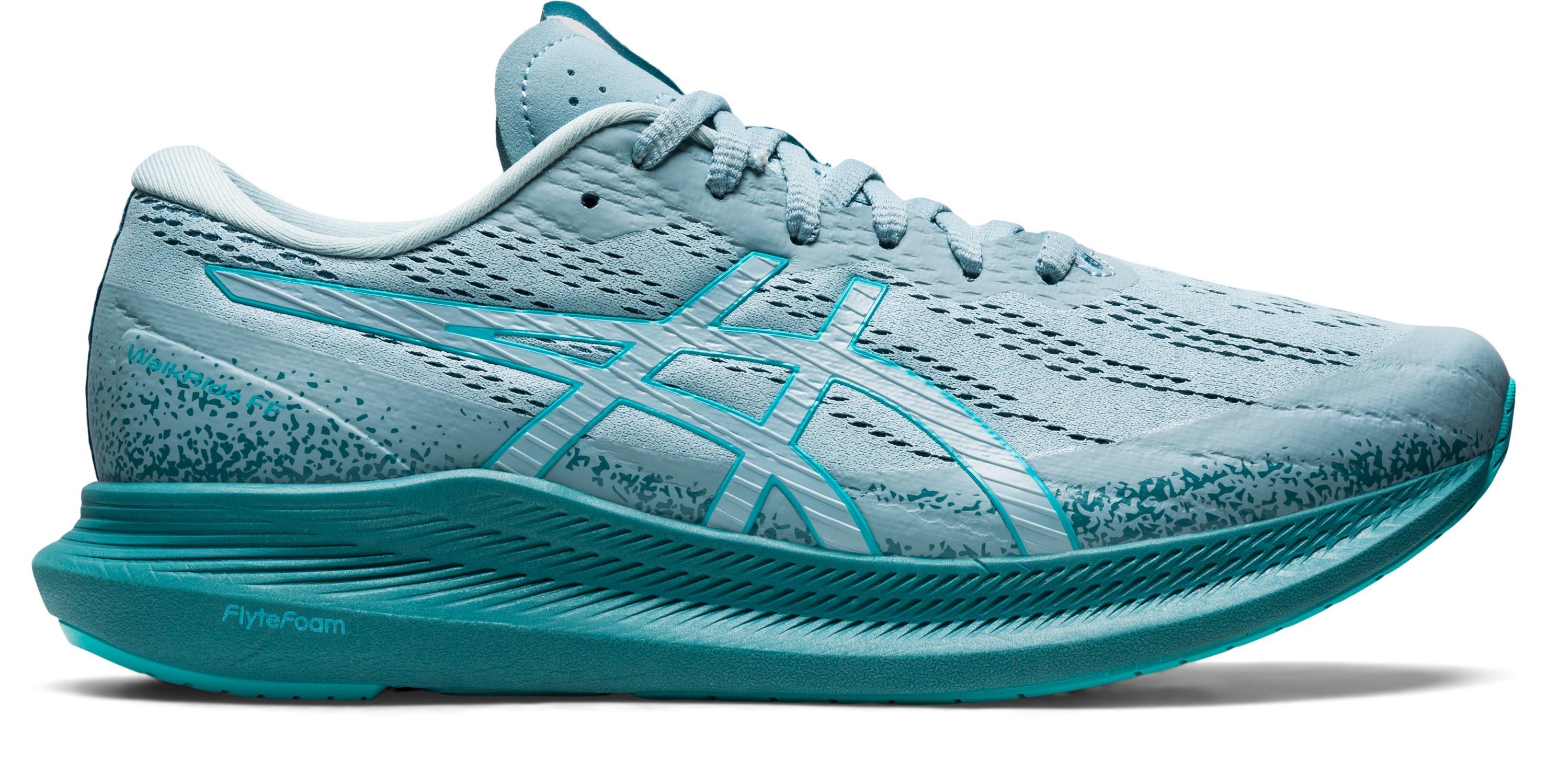
What specific elements transform an ordinary sneaker into a podiatrist recommended walking shoe? The distinction lies in a constellation of design features that work in concert. First, consider the midsole. This is the heart of cushioning and support. Materials like EVA (ethylene-vinyl acetate) foam or advanced compounds like Brooks’ DNA LOFT or ASICS’ GEL provide shock attenuation. However, cushioning alone is insufficient without structure. The arch support must correspond to your foot type—neutral, pronated, or supinated. A podiatrist often assesses this through a gait analysis, but for self-selection, look for shoes that offer substantive, not just superficial, contouring in the arch area. Second, the heel counter. This is the firm cup at the back of the shoe that cradles the heel. A rigid, well-padded heel counter prevents excessive heel movement (calcaneal eversion or inversion), which is a common contributor to Achilles tendonitis and instability. Third, the toe box. As highlighted by Dr. Jacqueline Sutera, a New York City-based podiatrist, “A shoe should not constrict your toes.” A spacious, rounded or foot-shaped toe box allows the toes to lie flat and splay naturally during the weight-bearing phase of gait, preventing issues like neuromas and hammertoes. Fourth, flexibility. The shoe should bend easily at the ball of the foot (the metatarsophalangeal joints) but remain torsionally rigid. This facilitates the natural roll-through motion of walking. Finally, consider weight and breathability. A lighter shoe reduces energy expenditure, while a breathable upper material, often mesh, helps manage moisture and temperature, reducing the risk of fungal infections. These features aren’t marketing gimmicks; they are direct applications of podiatric knowledge to mitigate the cumulative stress of thousands of steps per day.
Beyond the Brand: How to Apply Podiatric Principles to Your Selection
While certain brands frequently earn podiatrist accolades—such as Brooks, ASICS, New Balance, and HOKA—the principle is more important than the label. Your personal selection process should mirror a podiatrist’s evaluation. Start by analyzing your footprint. The classic “wet test” can reveal your arch type: a full imprint indicates low arches (flat feet), a curved imprint with a narrow midfoot connection indicates high arches, and a balanced imprint suggests neutral arches. This dictates your need for motion control (for overpronation), neutral cushioning, or stability features. Next, shop in the afternoon or evening. Feet naturally swell throughout the day, and fitting them at their largest ensures the shoe won’t become constrictive. Always wear the socks you intend to walk in. When trying on shoes, there should be a thumb’s width (about 1/2 inch) of space between your longest toe (which isn’t always the big toe) and the end of the shoe. Don’t rely on the numbered size alone; fit is paramount. As the renowned running coach and author Dr. Jack Daniels (of “Daniels’ Running Formula” fame) often stresses in interviews, “The best shoe is the one that fits your foot, not the one that fits the trend.” Walk around the store extensively. Feel for any immediate points of pressure or slip. The shoe should feel secure and supportive from the first step, requiring no “break-in” period—a concept podiatrists often warn against, as it can lead to blisters and micro-traumas. By internalizing these principles, you become an informed consumer, capable of identifying true podiatrist recommended walking shoes regardless of the marketing surrounding them.
Investing in Long-Term Health: The Cost-Benefit Analysis of Quality Footwear
It’s tempting to view high-quality walking shoes as a significant expense. However, from a podiatric and economic perspective, they are a profound investment in preventative health. Consider the alternative costs: co-pays for doctor visits, physical therapy sessions, orthotic devices, pain medications, and lost productivity due to foot pain. A single pair of well-chosen podiatrist recommended walking shoes can help avoid these downstream expenses. The value proposition extends beyond mere finance. Quality shoes are engineered with durable materials—carbon rubber outsoles, reinforced stitching, and high-resilience foams—that maintain their structural integrity and support over 300-500 miles of use. This longevity means a lower cost per mile compared to cheaper shoes that degrade quickly. Furthermore, the comfort provided by proper footwear enhances your willingness and ability to stay active, contributing to cardiovascular health, weight management, and mental well-being. It’s a holistic benefit. As the famous quote attributed to the philosopher Socrates goes, “When the feet are comfortable, the whole body is at ease.” This ancient wisdom aligns perfectly with modern podiatry. Investing in your feet is an investment in your entire kinetic chain—your ankles, knees, hips, and back. Therefore, allocating resources to footwear that meets podiatric standards is not a luxury; it’s a strategic decision for long-term physical and financial health.

Bringing Expertise and Value to Your Doorstep
Understanding the “why” behind podiatrist recommended walking shoes is the first step; accessing them at a fair price is the next. The good news is that professional-grade comfort doesn’t always command a premium. Many reputable retailers offer previous-season models, colorways, or bundle deals at significant discounts without compromising the core podiatric features. The key technological components—the midsole foam, stability chassis, and outsole design—often remain unchanged across model years, with updates focusing on upper materials or aesthetics. Websites of authorized dealers, seasonal sales, and even certified refurbished programs from major brands are excellent avenues. Additionally, some direct-to-consumer brands offer high-quality constructions at lower price points by cutting out retail middlemen. The goal is to marry the professional knowledge outlined here with savvy shopping. Prioritize the essential features: structured support, adequate room, and heel stability. If a discounted shoe meets these podiatric criteria, it represents tremendous value. Remember, the objective is to equip your feet with the biomechanically sound tools they need to thrive. By combining this knowledge with strategic purchasing, you secure not just a product, but a partnership in your ongoing mobility and comfort.
:max_bytes(150000):strip_icc()/podiatrist-recommended-walking-shoes-e1b90077185d4e6cadbf6327c4d17db7.jpg)
Your journey toward all-day comfort begins with a single, informed step. The path is illuminated by the science of podiatry, which translates the complex language of foot biomechanics into the tangible design of a superior walking shoe. By prioritizing the features that matter—targeted arch support, a secure heel counter, a spacious toe box, and appropriate flexibility—you move beyond guesswork and into the realm of evidence-based comfort. The right podiatrist recommended walking shoes are more than footwear; they are a daily affirmation of your commitment to movement without pain, to exploration without limitation, and to a foundation of health that supports every other aspect of your life. Choose wisely, walk confidently, and feel the difference that professional-grade support makes from the ground up.
