

Elevate Your Style with Timeless Black Heels
In the vast landscape of fashion, few items command the respect and versatility of a pair of black heels. They are not merely footwear; they are a foundational statement, a tool for transformation, and a silent partner in crafting an image of confidence and sophistication. This article delves into the enduring power of the black heel, exploring its scientific, cultural, and stylistic significance to demonstrate why it remains an indispensable pillar in a discerning wardrobe.
The Psychological Architecture of Elevation
The impact of women heels black extends far beyond the physical. From a psychological perspective, the act of wearing heels alters posture, gait, and self-perception. Research in embodied cognition suggests that our physical posture can influence our mental state. A study from Harvard Business School, often cited in discussions on “power posing,” indicates that adopting expansive, confident postures can increase feelings of power and tolerance for risk. Heels naturally create a more upright, chest-forward posture, which can trigger a similar internal feedback loop of assertiveness and control. This isn’t about height alone; it’s about the deliberate, poised carriage that heels necessitate. The color black compounds this effect. In color psychology, black is universally associated with authority, elegance, formality, and strength. When you combine the commanding posture induced by heels with the authoritative hue of black, you create a powerful non-verbal communication tool. It signals competence and intention before a single word is spoken. This synergy is why a simple pair of women heels black can make one feel instantly more put-together and capable, transforming an outfit from casual to commanding with a single sartorial choice.
A Historical Tapestry: From Function to Icon
The journey of high heels is a fascinating evolution from utilitarian object to symbol of high fashion. Contrary to popular belief, heels were not invented for women. According to historical records from institutions like the Bata Shoe Museum, heels originated in 10th-century Persia for male cavalry riders, as they helped secure the foot in stirrups. The style was adopted by European aristocracy in the 17th century as a marker of status and masculinity—the infamous red heels of Louis XIV being a prime example. The shift towards feminization began in the 18th century, as Enlightenment ideals separated masculine practicality from feminine ornamentation. The modern stiletto, as we know it, was born in the 1950s, pioneered by designers like Roger Vivier for Christian Dior. This thin, sleek heel became an instant symbol of post-war femininity and glamour, immortalized by figures like Marilyn Monroe. The black heels variant, however, carved its own niche. It shed some of the overt sensuality of red for a more versatile, serious, and chic aesthetic. It became the heel for the working woman, the artist, the rebel—think of Audrey Hepburn’s little black dress and pumps in “Breakfast at Tiffany’s” or the powerful silhouette of a woman in a black suit and heels. This rich history imbues the women heels black with a depth that transcends trend cycles, making it a piece of wearable heritage.
The Scientific Principles of Silhouette and Proportion
Objectively, the design of a heel employs basic principles of geometry and human anatomy to create a visually pleasing effect. The heel lifts the calcaneus (heel bone), which extends the calf muscle, making it appear more toned and defined. This elongation creates a continuous line from the toe to the calf, effectively lengthening the entire leg. This manipulation of proportion is a cornerstone of aesthetic theory, often linked to the Golden Ratio, a mathematical ratio found in nature and art that is perceived as inherently beautiful. By altering the body’s proportions, heels create a silhouette that is often interpreted as more dynamic and elegant. The choice of black is scientifically strategic as well. As a achromatic color, black has the visual property of receding. A black shoe, unlike a nude or brightly colored one, does not visually “cut off” the foot from the leg. Instead, it can create a seamless extension of the line, especially when paired with black hosiery or a long pant leg, making the leg appear even longer and leaner. This is not mere opinion; it’s a principle used in visual arts and design for centuries. Therefore, the women heels black is a masterclass in applied aesthetics, using color and form to sculpt the wearer’s silhouette in the most flattering way.
The Unparalleled Versatility: A Wardrobe Chameleon
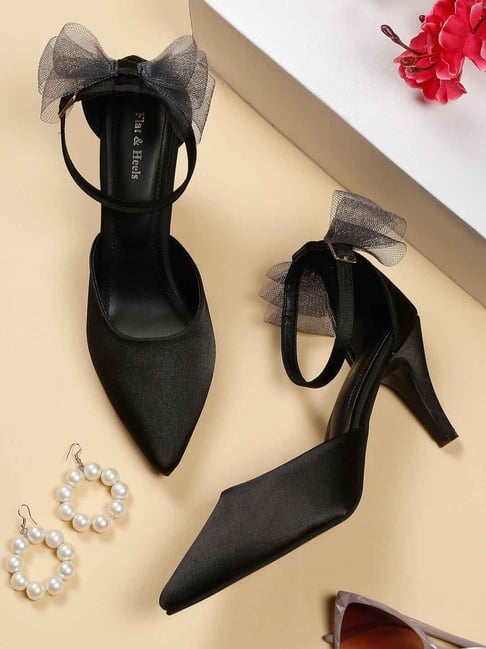
Versatility is the crowning glory of the black heel. Its neutral, powerful color allows it to integrate into virtually any style paradigm. Let us count the ways. For the professional, a classic black pump is the undisputed cornerstone of business attire, pairing seamlessly with tailored suits, sheath dresses, and wide-leg trousers. It conveys respect for the environment and an understanding of unspoken dress codes. For evening wear, a sleek black stiletto or an embellished sandal provides the perfect foundation for a little black dress, a bold gown, or sophisticated separates, adding polish without competing for attention. In more creative or casual settings, a chunky black heel or a black ankle bootie can ground a flowy bohemian dress, add edge to distressed denim, or elevate a simple pair of black jeans and a white tee to an outfit of intentional style. This chameleon-like ability stems from black’s role as a neutral. As fashion authority Tim Gunn often emphasized, a neutral serves as a wardrobe anchor. A quality pair of women heels black is the ultimate anchor, providing stability and cohesion to an array of outfits, maximizing the cost-per-wear ratio and simplifying daily dressing decisions. It is the one item you can reach for when in doubt, knowing it will deliver.

Investing in Craft: The Anatomy of Quality
Not all black heels are created equal. The difference between a painful, short-lived pair and a comfortable, enduring one lies in construction. Professional knowledge of shoe-making is crucial here. Key elements to consider include the last (the foot-shaped form over which the shoe is built), which determines the fit and toe shape; the shank (a supportive piece between the insole and outsole), which provides arch support and stability; and the material. Genuine leather, for instance, is breathable and molds to the foot over time, unlike many synthetic materials. The heel placement is also critical—a heel set slightly forward under the arch often provides better balance than one set directly at the back. Renowned cobblers and brands invest in these details. As Christian Louboutin, the maestro of the red-soled heel, once noted, “A shoe has so much more to offer than just to walk.” It must offer support, artistry, and a feeling of being well-made. Investing in a well-constructed pair of women heels black from a reputable brand is an investment in comfort, durability, and ultimately, in your own posture and well-being. It is the difference between wearing shoes and being empowered by them.
Curating Your Signature: A Guide to Selection
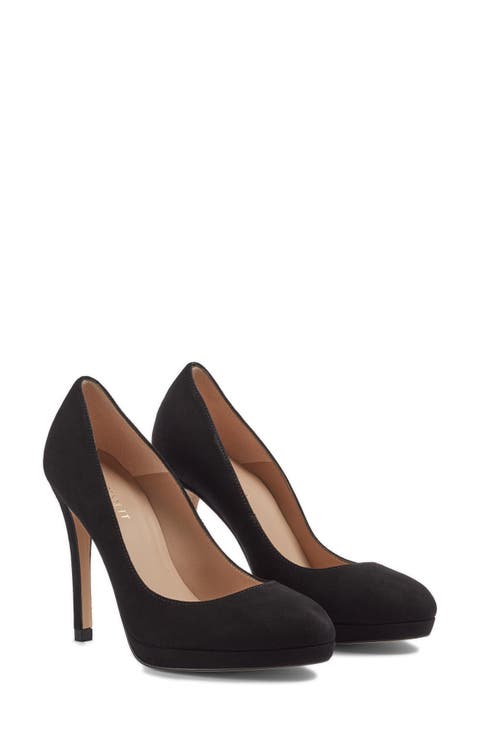
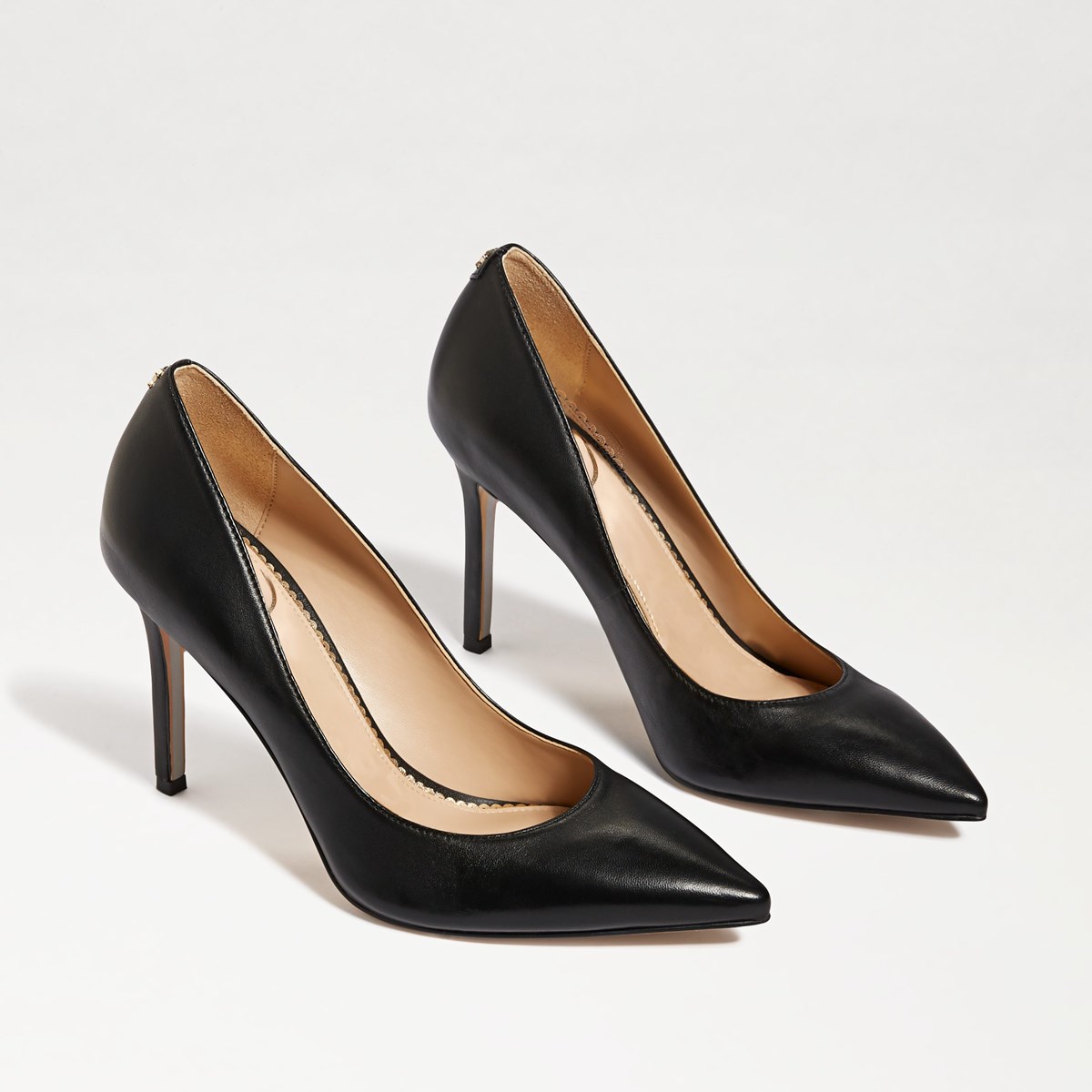
With the understanding of their importance, how does one choose? The modern market offers an array of black heels, and the right choice is deeply personal. First, assess your lifestyle. Do you need a workhorse pump, a dramatic evening sandal, or a comfortable block heel for all-day wear? Second, consider the silhouette. A pointed toe elongates the foot; a round or almond toe offers more comfort and a softer aesthetic. The heel height and thickness are paramount—a kitten heel offers a subtle lift with immense practicality, while a stiletto demands occasion and confidence. A platform can make a higher heel more wearable by reducing the pitch. Third, look for details that resonate with your style: a patent finish for high-shine polish, a suede finish for texture, a cut-out detail for modern flair, or a classic matte leather for timelessness. Remember, the goal is to find a pair that feels like an extension of yourself. As style icon Iris Apfel famously quipped, “Fashion you can buy, but style you possess. The key to style is learning who you are.” Your ideal women heels black should reflect who you are and empower who you wish to be. And while quality is paramount, savvy shopping means seeking value. Look for end-of-season sales, reputable outlet stores, or direct-to-consumer brands that offer professional-grade construction at more accessible price points, bringing both expertise and discounted prices within reach.
The timeless black heel is far more than an accessory. It is a psychological catalyst, a historical artifact, a study in aesthetic science, and the most versatile collaborator in your wardrobe. It demands nothing yet confers everything: posture, polish, power, and proportion. In a world of fleeting trends, it stands firm—a definitive answer to the question of what to wear. To embrace the black heel is to choose intention over accident, to select a tool designed for elevation in every sense of the word. Let your stride be confident, your silhouette defined, and your style, unequivocally, your own.
