Elevate Your Style: The Ultimate Guide to Black Heels for Women
In the lexicon of fashion, few items command the universal respect and transformative power of a pair of women heels black. They are not merely footwear; they are an architectural statement for the foot, a tool of posture and perception, and a timeless anchor in the ever-shifting seas of style. This guide moves beyond superficial trends to explore the anatomy, psychology, and artistry of the black heel. We will dissect its enduring appeal through lenses of history, biomechanics, and cultural commentary, arming you with the knowledge to choose, wear, and cherish your pair as a cornerstone of a confident wardrobe.
The Architectural Foundation: Deconstructing the Black Heel
To appreciate the women heels black is to understand its construction. Scientifically, heels alter the body’s geometry. According to research from the University of Virginia’s Department of Biomedical Engineering, wearing heels shifts the body’s center of gravity forward. This necessitates a compensatory adjustment: the spine curves slightly, the buttocks protrude, and the calf muscles tense and shorten, creating that iconic silhouette. The height, pitch, and base of the heel—whether a stiletto, block, or kitten—determine the degree of this shift and the subsequent strain on the metatarsals and Achilles tendon. A study published in the Journal of Applied Physiology noted that sustained wear of high heels can lead to long-term musculoskeletal adaptations. However, this isn’t a call for abstinence, but for informed selection. The block heel, with its wider surface area, distributes weight more evenly than a stiletto, offering greater stability and reduced pressure—a perfect marriage of biomechanics and style. The choice of material, from supple Italian leather to innovative vegan alternatives, further impacts flexibility, breathability, and durability. When you slip on a pair of black heels for women, you are engaging in a complex dialogue between design and the human form.
A Shadow Through History: The Cultural Footprint of the Black Heel
The narrative of the heel is a rich tapestry woven across centuries and genders. Contrary to popular belief, heels were not born in the court of a European queen. As documented by the Bata Shoe Museum and historical accounts on Wikipedia, elevated footwear traces back to 10th-century Persia, worn by male cavalry to secure their stance in stirrups. Their function was purely utilitarian. It was in the 16th and 17th centuries that European aristocracy, including figures like Louis XIV, adopted heels as symbols of status and power—again, predominantly for men. The feminization of the heel is a later chapter. The iconic black heels women covet today found a potent symbol in the 1950s with Roger Vivier’s stiletto for Christian Dior, and later, in the subversive chic of figures like Nancy Sinatra and the punk movement. As cultural critic and author Angela Carter once mused, fashion is a form of folklore. The black heel embodies this, carrying echoes of equestrian prowess, aristocratic privilege, and feminist reclamation. It appears in film as a shorthand for authority (think of the relentless click of Miranda Priestly’s heels in The Devil Wears Prada) and in literature as a metaphor for both vulnerability and strength. Its journey from battlefield to boardroom underscores its unique adaptability as a symbol.
The Psychology of Elevation: More Than Just Inches
Why does a simple change in altitude translate to a shift in attitude? The psychology is as compelling as the physiology. A seminal study from the University of Leicester found that wearing heels can alter how others perceive a woman’s personality, often attributing higher levels of confidence and authority. But the effect is not merely external. The act of wearing heels induces a behavioral change known as “enclothed cognition,” where the clothing we wear influences our psychological processes. The added height demands a more deliberate gait, an engaged core, and an upright posture. This physicality feeds back into the mind, fostering a sense of presence and command. As style icon Diana Vreeland famously declared, “Give a girl the right shoes, and she can conquer the world.” The women heels black serves as this “right shoe” par excellence. Its neutrality provides a blank canvas, allowing the wearer’s intent—be it professional ambition, romantic allure, or artistic expression—to take center stage without chromatic interference. It is armor and adornment in one.
The Curated Collection: A Heel for Every Narrative
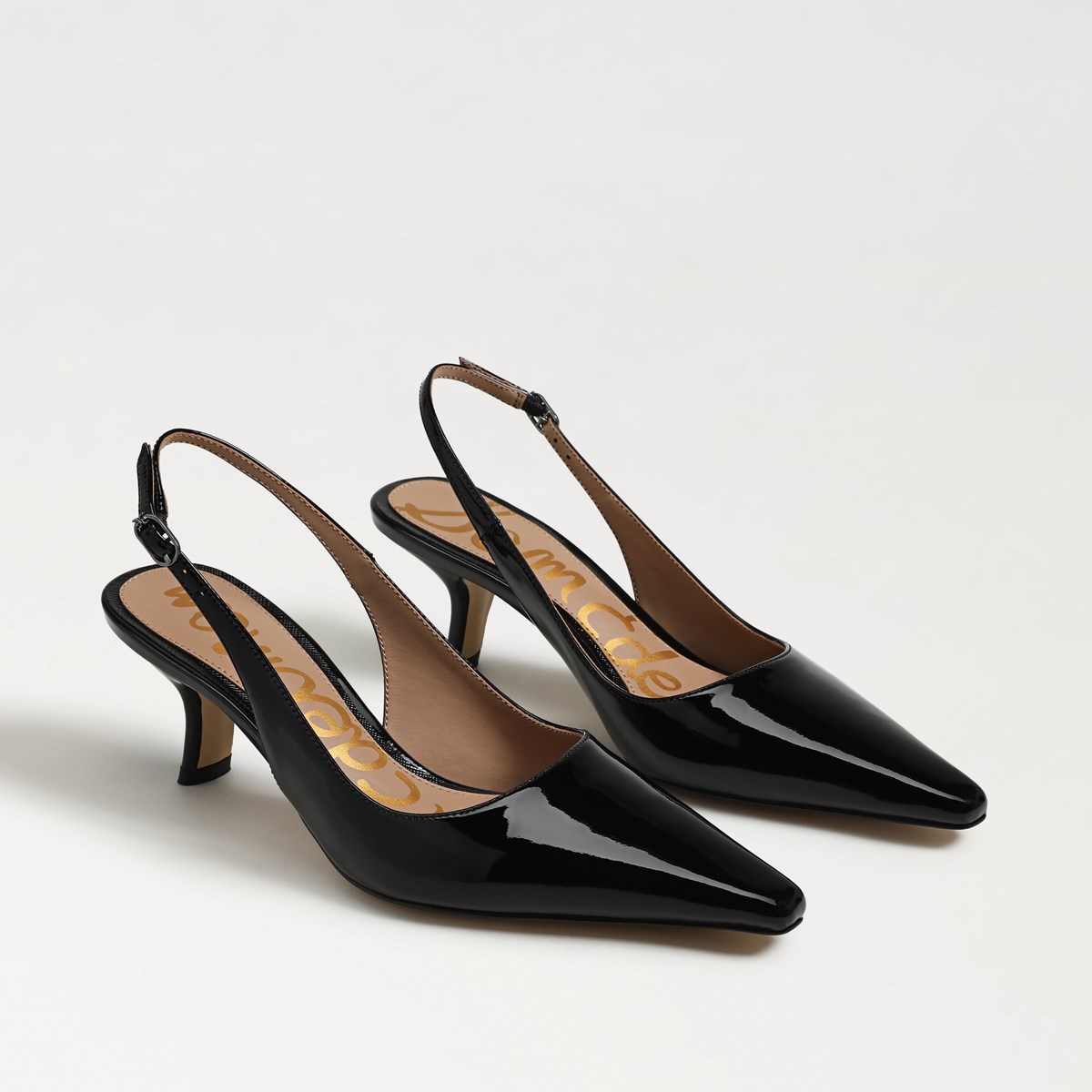
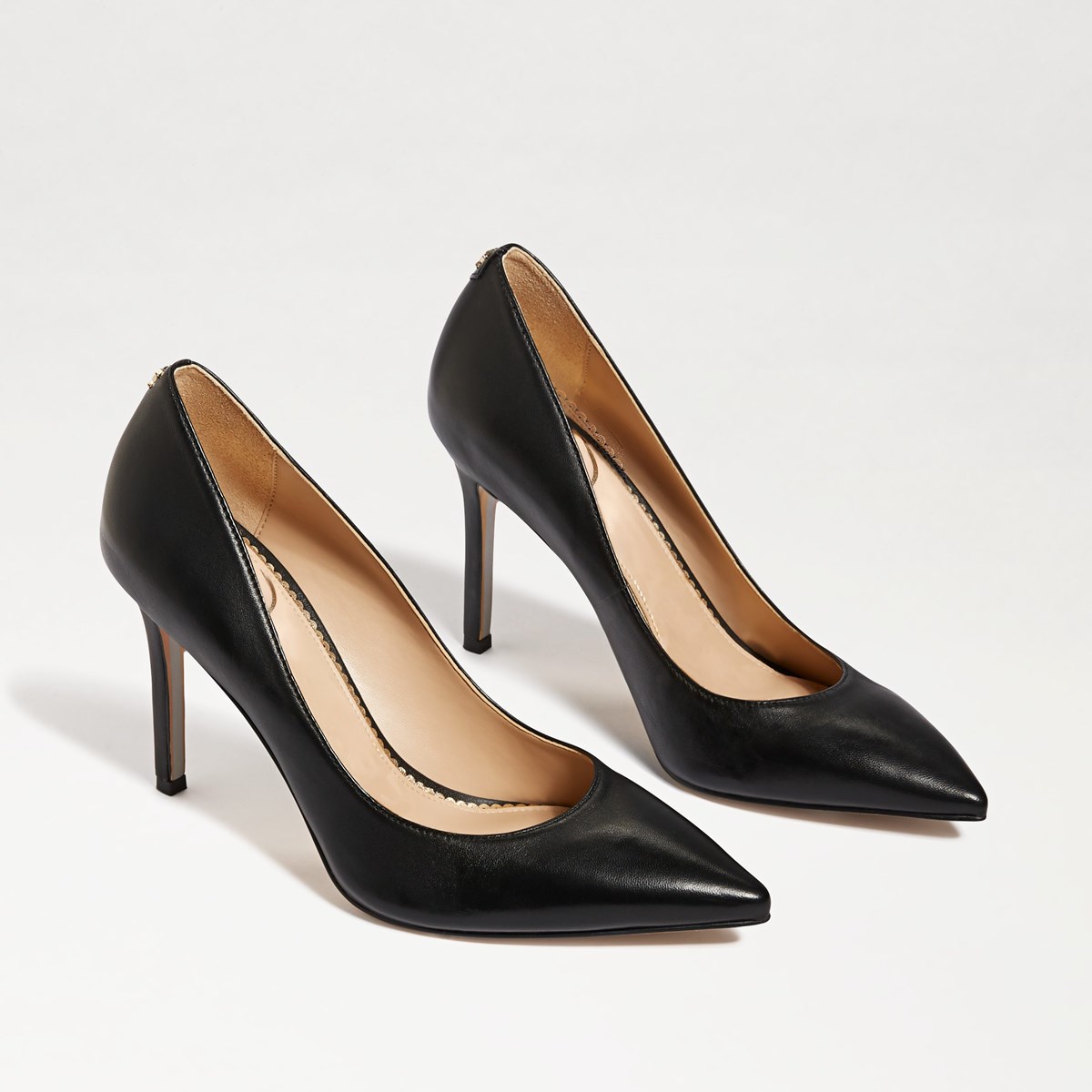
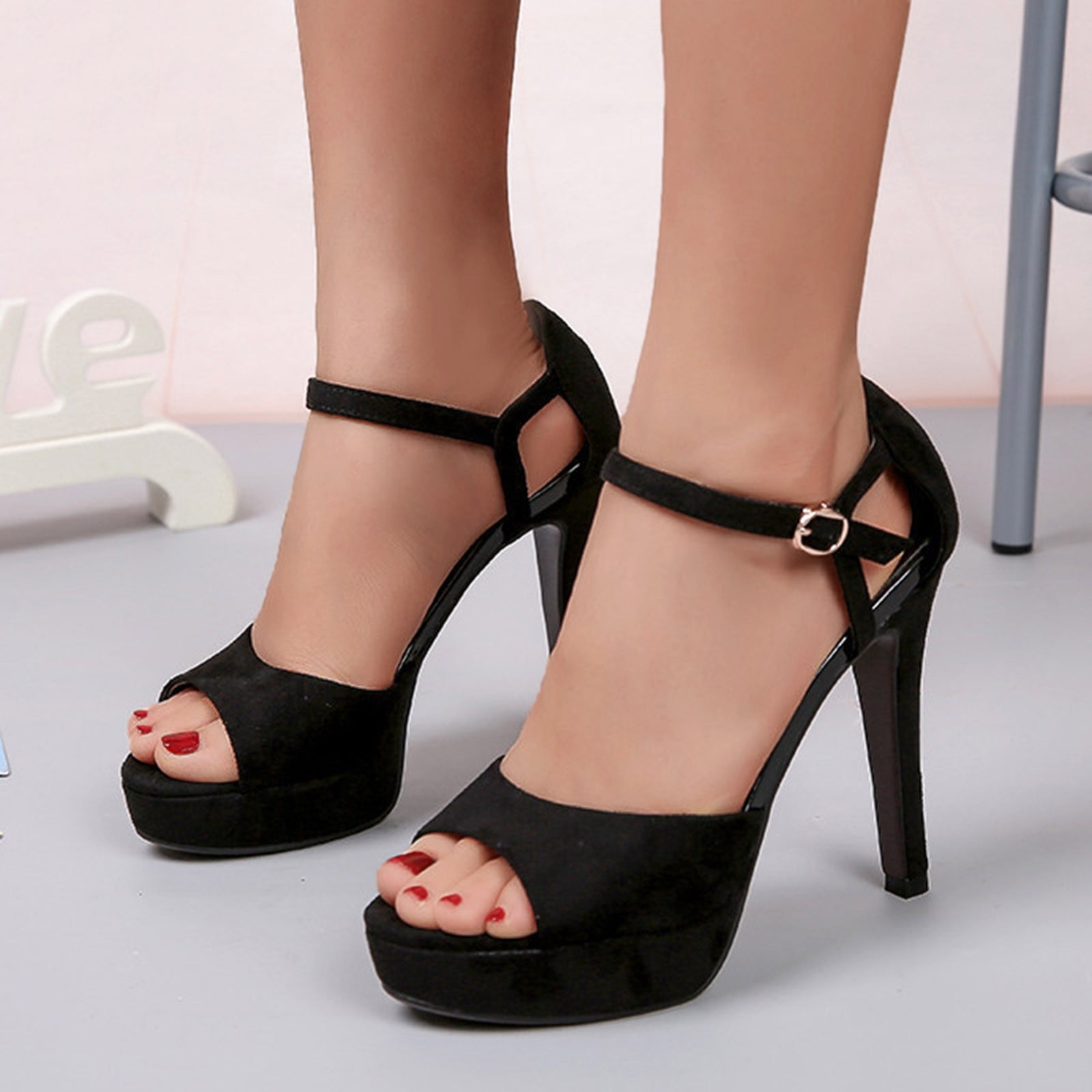
Understanding the theory is futile without practical application. The world of black heels for women is vast, and your selection should be a curated reflection of your life’s roles and chapters. Let’s navigate the essential styles. The Classic Pump is your sartorial diplomat; with a closed toe and a heel height you can negotiate in, it is the undisputed champion of the professional sphere and the little black dress event. The Ankle-Strap Sandal, especially in a block heel, offers a modern, architectural feel. It provides crucial support, making it a versatile choice for a gallery opening or a summer wedding where confidence must last from ceremony to dance floor. The Slingback is the epitome of Parisian insouciance—elegant yet subtly playful, perfect for bridging day-to-night transitions. For those seeking drama and height without the stiletto’s precariousness, the Platform Heel is a masterstroke of engineering. By raising the sole under the ball of the foot, it reduces the angle of the foot, making a 4-inch heel feel like a 2-inch one. This is where professional knowledge meets real-world comfort. Investing in well-constructed pairs from reputable brands often means better internal support, padded insoles, and balanced weight distribution—features that are non-negotiable for enduring style.
Investment and Intelligence: Acquiring Your Arsenal
An investment in a quality pair of women heels black is an investment in your personal infrastructure. Look for signs of craftsmanship: seamless bonding, firm counter support around the heel, and flexible yet resilient soles. Renowned shoe designer Manolo Blahnik has often emphasized the importance of the “last”—the mold around which a shoe is built—in determining fit and comfort. This is the unseen professional knowledge that separates a masterpiece from a mere product. While premium brands command higher prices, their value is realized over a decade, not a season. However, style should not be gatekept by budget. The current market offers exceptional quality at accessible points. Brands like Sam Edelman (as seen in our images) consistently deliver trend-aware designs with commendable comfort. Furthermore, end-of-season sales, outlet stores, and reputable online retailers are treasure troves for discovering coveted styles at discounted prices. The key is to prioritize timeless silhouettes over fleeting fads during these purchases. A simple black pump will yield a higher cost-per-wear than a neon, sculptural heel, no matter how deep the discount.
Ultimately, the journey with your black heels women choose is deeply personal. They are tools for transformation, artifacts of history, and partners in your daily performance. From the scientific shift in your posture to the psychological lift in your spirit, from their storied past to their place in your future, black heels are a definitive declaration. Choose them with knowledge, wear them with intention, and let every step be a testament to a style that is, unequivocally, elevated.