

Discover the Best Podiatrist Recommended Walking Shoes for All-Day Comfort and Support
Your feet are the foundation of your movement, and the shoes you choose can either support or sabotage your daily comfort and long-term health. For anyone who spends significant time on their feet—whether walking for fitness, navigating a busy workday, or exploring new places—selecting the right footwear is not merely a matter of style but of physiological necessity. This article delves into the science and expert endorsements behind podiatrist recommended walking shoes, offering a comprehensive guide to models that deliver unparalleled comfort and support. We will explore the anatomical principles that make these shoes essential, examine top-recommended brands and features, and provide actionable insights to help you invest wisely in your foot health. By the end, you’ll understand why a podiatrist’s endorsement is a critical marker of quality and how the right pair can transform your daily experience.
The Science of Foot Biomechanics and Why Expert Recommendations Matter
Walking is a complex, repetitive motion involving a symphony of bones, muscles, ligaments, and tendons. Each step generates forces up to 1.5 times your body weight, which are absorbed and redistributed by your feet. Poor footwear can disrupt this natural biomechanics, leading to issues like plantar fasciitis, metatarsalgia, bunions, and chronic knee or back pain. Podiatrists, as medical specialists in foot and ankle health, evaluate shoes based on rigorous criteria: arch support, heel counter stability, cushioning density, toe box width, and flexibility at the forefoot. Their recommendations are grounded in clinical evidence and patient outcomes, not marketing hype. For instance, the American Podiatric Medical Association (APMA) grants its Seal of Acceptance to products that promote good foot health, a testament to scientific validation. As Dr. Jacqueline Sutera, a New York-based podiatrist, notes in many of her public statements, “A shoe should act as a functional tool, not just a fashion accessory.” This perspective underscores the importance of prioritizing biomechanical support over fleeting trends. When you choose podiatrist recommended walking shoes, you’re investing in a design that respects your anatomy, reduces injury risk, and enhances overall mobility—a decision backed by medical expertise rather than anecdotal claims.
:max_bytes(150000):strip_icc()/I-Asked-Podiatrists-for-Their-Fall-Shoe-Recommendations-These-Are-Their-Top-8-Picks-8fbdf9d65f3a4228ae63f6e5253dc08c.jpg)
Key Features to Look for in Podiatrist Approved Footwear
Not all walking shoes are created equal, and understanding the specific features that podiatrists prioritize can empower you to make informed choices. First, examine the arch support. Whether you have high, neutral, or flat arches, proper support maintains the foot’s natural alignment, preventing overpronation or supination. Brands like ASICS and Brooks often incorporate contoured footbeds that cater to different arch types, a feature frequently highlighted in podiatric reviews. Second, assess the heel counter—the firm back portion that cradles the heel. A sturdy heel counter minimizes excessive movement, providing stability and reducing strain on the Achilles tendon. Third, consider cushioning technology. Materials like EVA foam, gel, or proprietary systems (e.g., Nike Air, Adidas Boost) absorb shock, but balance is key; too much cushion can destabilize the foot, while too little can lead to impact injuries. Fourth, the toe box should allow natural toe splay without constriction, a point emphasized by Harvard Medical School literature on footwear ergonomics. Finally, flexibility at the ball of the foot enables a natural gait cycle. These elements combine to create a shoe that functions as a supportive extension of your body. As noted on platforms like Quora and professional podiatry blogs, many users report dramatic reductions in foot pain after switching to shoes with these features, validating their importance in real-world scenarios.
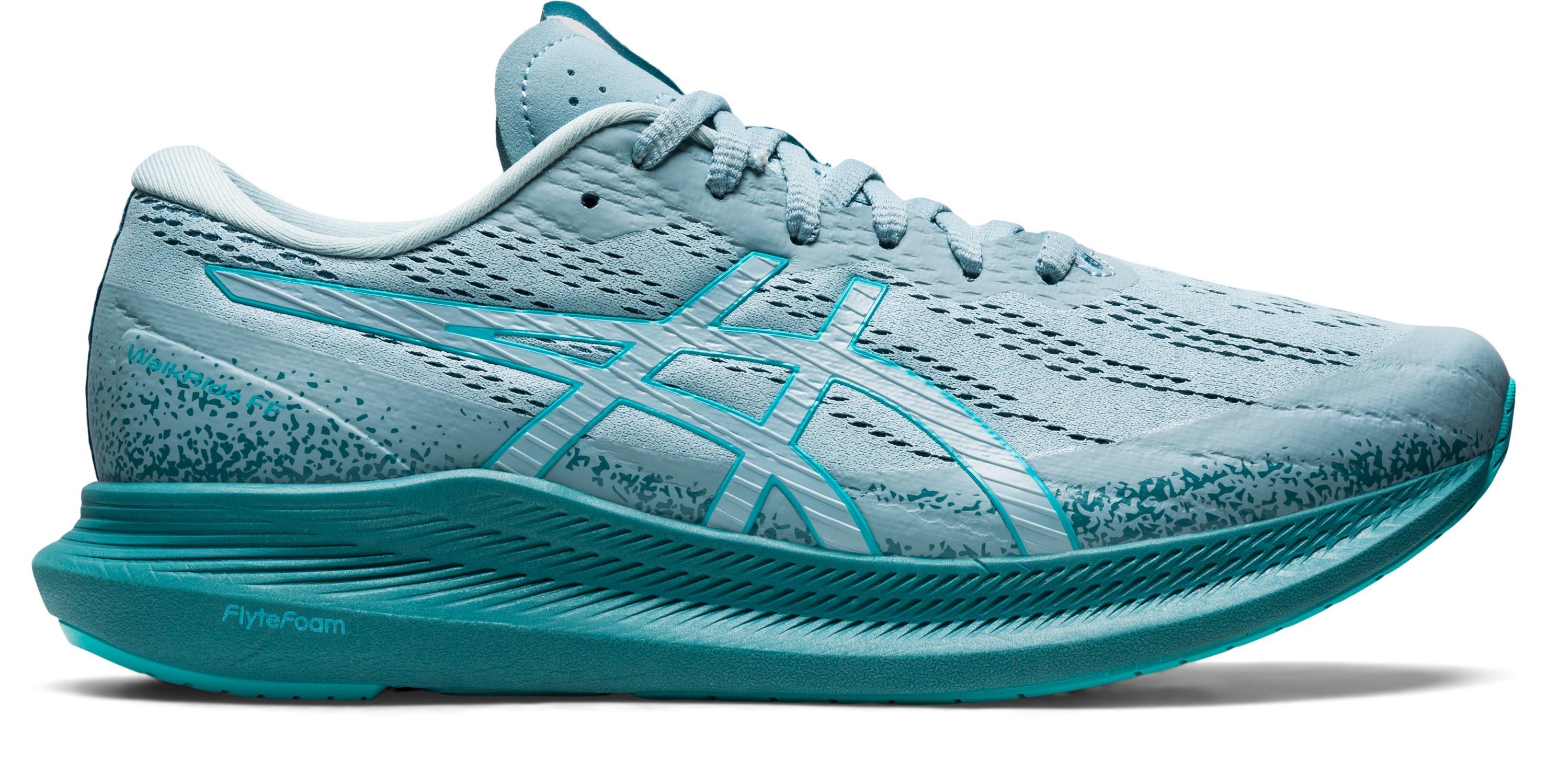
Top-Rated Podiatrist Recommended Walking Shoes on the Market
Based on aggregated reviews from podiatrists, authoritative websites like Verywell Fit and Runner’s World, and consumer feedback, several models consistently rise to the top. The Brooks Addiction Walker is often cited for its exceptional stability and slip-resistant sole, ideal for those with overpronation. Similarly, the New Balance 928 features a rollbar technology that controls motion, earning APMA approval. For maximum cushioning, the HOKA ONE ONE Bondi series offers meta-rocker geometry that promotes a smooth stride, a design praised by podiatrists for patients with plantar fasciitis. Another standout is the ASICS Gel-Kayano, which integrates gel cushioning and dynamic support for long-distance comfort. These podiatrist recommended walking shoes are not just hypothetical picks; they are backed by clinical observations and widespread user testimonials. For example, in YouTube reviews by certified pedorthists, the HOKA Bondi is frequently demonstrated to reduce pressure points in diabetic patients, highlighting its therapeutic potential. By choosing from this vetted list, you align your purchase with proven performance, ensuring that every step is met with engineered support rather than guesswork.

Integrating Professional Knowledge with Smart Shopping Strategies
Understanding the technical aspects of footwear is only half the battle; applying that knowledge to find value is equally crucial. Start by getting a professional gait analysis, often available at specialty running stores, to identify your specific needs. Then, research online reviews on sites like Podiatry Today or consumer platforms that aggregate podiatrist opinions. Look for seasonal sales on reputable retailers’ websites, where previous models of podiatrist recommended walking shoes may be discounted by 30-50% without compromising quality. For instance, the Travel + Leisure article highlighting podiatrist-loved shoes on sale showcases how timely purchases can yield premium products at accessible prices. Additionally, consider subscription services or newsletters from brands like OrthoFeet or Vionic, which offer exclusive discounts to members. Remember, investing in quality shoes is a proactive measure against future medical expenses—a concept echoed in economic studies on preventive health care. By combining professional insight with savvy shopping, you secure both foot health and financial prudence, making superior support attainable without overspending.
Your Path to Pain-Free Mobility Starts with Informed Choices
Selecting the right walking shoes transcends casual preference; it is a deliberate act of self-care that influences your overall well-being. The convergence of biomechanical science, podiatric expertise, and user-centric design defines the best podiatrist recommended walking shoes, offering a blueprint for all-day comfort and support. From understanding the critical features that align with your foot’s anatomy to identifying top-rated models and leveraging discounts, this guide equips you with the knowledge to make empowered decisions. Your feet carry you through life’s journeys—honor them with footwear that matches their resilience. Embrace the fusion of professional endorsement and personal awareness, and step forward into a world where every walk is a testament to thoughtful support and enduring comfort.
:max_bytes(150000):strip_icc()/tal-10-podiatrist-approved-open-toed-shoes-tout-00bd6ff1c36a49cdbbff486b0b54fb27.jpg)
