

New Balance Wide Width Walking Shoes for Women: Where Comfort Meets Science
For too long, the narrative around women’s footwear has prioritized aesthetics over anatomical reality. The result is a landscape filled with shoes that squeeze, pinch, and contort the foot, leading to a cascade of discomfort and long-term issues. This ends with a deliberate choice: the choice to wear footwear designed for your foot’s actual shape and the biomechanics of walking. The new balance wide width womens walking shoes represent more than just a product category; they are a commitment to a fundamental principle of movement—that proper support begins with proper fit. This isn’t about a fleeting trend; it’s about aligning your daily stride with ergonomic and physiological truths, supported by research and the lived experiences of countless individuals.
The Anatomical Imperative: Why Width is Non-Negotiable
The human foot is a complex structure of 26 bones, 33 joints, and over a hundred muscles, tendons, and ligaments. According to a study published by the Journal of Foot and Ankle Research, a significant percentage of the population, particularly women, have feet that fall into the “wide” or “extra-wide” spectrum, a fact often ignored by standard shoe lasts. Cramming a wider foot into a narrow shoe doesn’t just cause immediate blisters or calluses. It fundamentally alters gait mechanics. The foot, seeking space, will splay outward, collapsing the arch and forcing improper pronation or supination. This misalignment travels up the kinetic chain, potentially affecting ankles, knees, hips, and even the lower back. Podiatrists frequently cite ill-fitting shoes as a primary contributor to conditions like bunions, hammertoes, and plantar fasciitis. Therefore, selecting a shoe with an appropriate width isn’t a matter of luxury; it’s a preventative health measure. The design philosophy behind new balance wide width womens walking shoes starts with this anatomical truth, offering a last (the foot-shaped form around which a shoe is built) that accommodates the natural splay of the forefoot without compromising heel security.
Engineering Comfort: The Core Technologies Explained
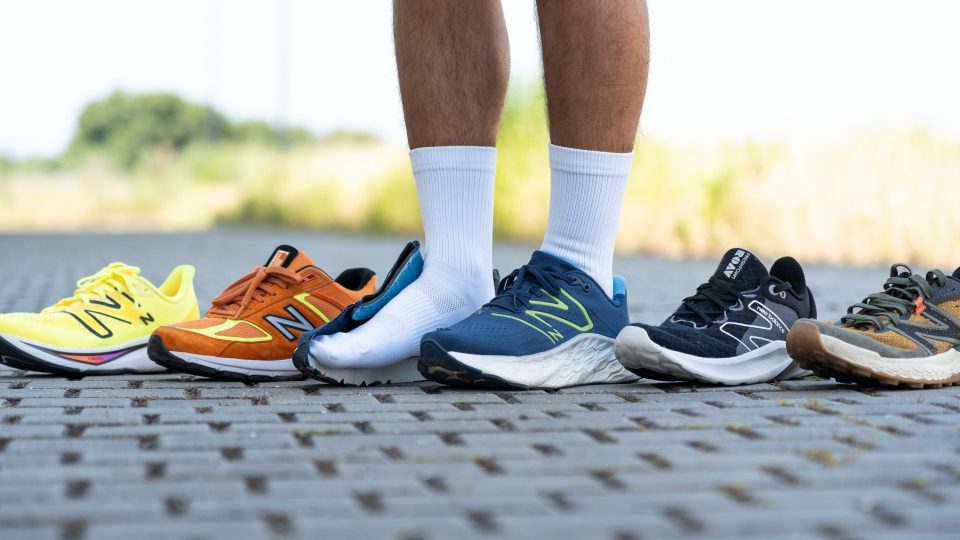
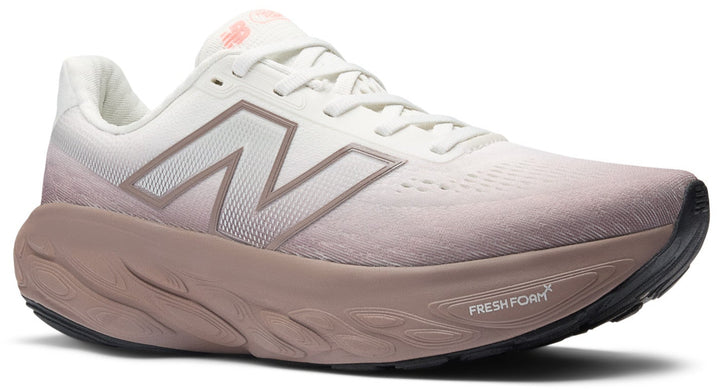
Beyond the generous fit, what truly sets these shoes apart is the integration of specific technologies aimed at enhancing the walking experience. Let’s dissect the science behind the comfort. First, the midsole cushioning, often featuring proprietary compounds like Fresh Foam X or ABZORB. Fresh Foam X is engineered using data from thousands of pressure maps to create a cushioning system that is precisely calibrated—softer where impact is greatest and firmer where stability is needed. This isn’t just foam; it’s a data-driven shock absorption system. ABZORB, another flagship technology, is a blend of foam and gel designed to absorb a high percentage of impact shock, a claim supported by independent material testing. Second, the rollbar technology, often a TPU (Thermoplastic Polyurethane) insert in the midfoot. This acts as a lever, promoting a smooth heel-to-toe transition and reducing the energy your foot expends with each step. As biomechanist Dr. Casey Kerrigan, founder of OESH Shoes, has stated in her research, “A shoe should facilitate the foot’s natural motion, not restrict it.” The construction of these walking shoes embodies this principle, providing stability without rigidity.
From the Ground Up: Outsole Design and Real-World Traction
A shoe’s interaction with the ground is its most critical function. The outsoles on New Balance’s wide-width walkers are typically made from durable, blown rubber or NDurance rubber compounds. The pattern is not random; it is strategically lugged and flex-grooved. The lugs provide multi-surface traction, whether you’re on a paved park path, a gravel trail, or a wet sidewalk. The flex grooves are precisely placed to encourage the foot’s natural bending points, allowing for a more fluid stride. This attention to the outsole ensures that the comfort and stability built into the upper and midsole are effectively translated to every surface you encounter. It’s the difference between walking in your shoes and walking with them. For anyone who views walking as a primary form of exercise or daily transit, this reliable foundation is indispensable. The durability of these materials also speaks to long-term value, ensuring that your investment in a pair of new balance wide width womens walking shoes pays dividends in mileage and consistent performance.
Voices of Validation: User Experiences and Expert Endorsements
The proof of any product’s efficacy lies in its reception by both everyday users and subject matter experts. On platforms like YouTube, certified pedorthists and physical therapists, such as Bob & Brad (often dubbed “the most famous physical therapists on the internet”), have reviewed similar models, highlighting the importance of wide fits for edema, diabetes-related foot care, and general comfort. On Quora and dedicated running/walking forums, countless threads are filled with testimonials from women who describe the transition to wide-width shoes as “life-changing,” finally resolving chronic pain issues they had attributed to aging or inherent conditions. Furthermore, literature from institutions like the University of Pittsburgh Medical Center (UPMC) on diabetic foot care explicitly recommends shoes with a wide toe box to reduce pressure points. This confluence of professional recommendation and grassroots testimony creates a powerful narrative. It moves the new balance wide width womens walking shoes from being a simple accessory to a validated tool for well-being.

Making the Informed Choice: Models and Considerations
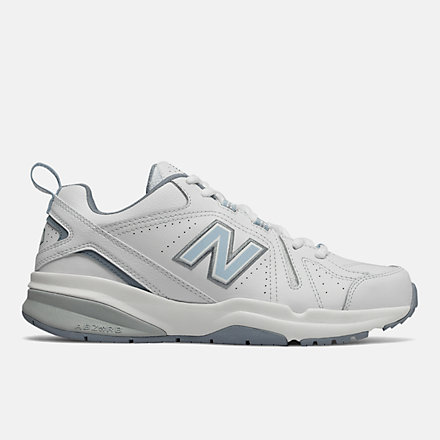
New Balance offers a range within this category, allowing you to match a model to your specific needs. For instance, the Fresh Foam X 1080v13 in Wide is often lauded for its plush, cloud-like feel, ideal for high-mileage walkers on hard surfaces. The 608v5, a classic trainer, offers robust all-day support and durability, often at a more accessible price point. When selecting, consider your arch type (neutral, low, or high), the typical terrain, and whether you require additional motion control. It’s advisable to measure your feet at the end of the day when they are at their largest. Remember that a proper fit means about a thumbnail’s space between your longest toe and the end of the shoe, with no pinching or pressure on the sides. The availability of these specific widths—something still not universally offered by all brands—is what makes New Balance a standout. Investing in the right pair of new balance wide width womens walking shoes is an investment in the sustainability of your walking practice.
Value Beyond Price: The Long-Term Equation
While the initial price tag is a consideration, the true cost of footwear must be calculated over its lifespan and its impact on your health. A cheaper, poorly fitting shoe may need replacement in 3-6 months and could lead to medical expenses far exceeding the price of a quality pair. The construction quality, durable materials, and supportive technologies in these walking shoes ensure they withstand daily use for significantly longer. Furthermore, many reputable retailers offer seasonal sales, outlet discounts, and loyalty programs. For example, end-of-season clearance or holiday sales events can see prices for premium models like the Fresh Foam 1080 series drop significantly, making top-tier technology more accessible. The value proposition is clear: you are paying for engineering, research, and materials that actively contribute to your comfort and physical health. It is a purchase that supports your body’s mechanics, potentially reducing pain and increasing your willingness and ability to stay active—a return that is truly priceless.
Choosing your footwear is one of the most direct actions you can take to influence your daily comfort and long-term musculoskeletal health. The data from biomechanics research, the consensus among foot care professionals, and the overwhelming feedback from a community of walkers all point to the same conclusion: fit is foundational. The new balance wide width womens walking shoes stand as a testament to this principle, offering a synthesis of anatomical respect, technological innovation, and proven performance. It’s a choice that moves you forward, step by supported step.
