

Discover the Perfect Pair: Podiatrist Approved Walking Shoes for All-Day Comfort
Your search for the ideal walking companion ends here. We’re not just talking about any shoes; we’re discussing the foundation of your daily movement, the critical interface between your body and the ground. The right pair can transform a chore into a joy, while the wrong pair can lead to a cascade of discomfort and long-term issues. This guide is dedicated to uncovering what makes a walking shoe truly exceptional, focusing on the gold standard: podiatrist recommended walking shoes. These are not merely a marketing term but a designation earned through design principles that prioritize foot health, biomechanical support, and enduring comfort. Let’s delve into the science and selection criteria that separate ordinary footwear from the extraordinary, empowering you to make an informed choice for your well-being.
The Foundation of Foot Health: Why Podiatrist Endorsement Matters
To understand the value of a podiatrist recommended walking shoe, one must first appreciate the complexity of the human foot. It is a marvel of engineering, comprising 26 bones, 33 joints, and over 100 muscles, tendons, and ligaments. This intricate structure acts as both a shock absorber and a rigid lever for propulsion. When this system is poorly supported, the consequences ripple upward. As Dr. Jacqueline Sutera, a New York City-based podiatrist and spokesperson for the American Podiatric Medical Association (APMA), often highlights, “Shoes are the foundation of your body. If your foundation is unstable or misaligned, it can cause problems in your ankles, knees, hips, and back.” This perspective is echoed in biomechanics literature from institutions like the University of Delaware’s Running Science Laboratory, which emphasizes the role of proper footwear in managing ground reaction forces. A podiatrist’s recommendation, therefore, is not a casual opinion but a professional judgment based on a shoe’s ability to maintain anatomical alignment, provide stability, and mitigate stress on the musculoskeletal system. It signifies that the shoe has been evaluated for features that prevent common ailments such as plantar fasciitis, metatarsalgia, and Achilles tendinitis. Choosing such footwear is a proactive investment in your mobility, akin to consulting a nutritionist for a diet plan—it’s specialized advice for a critical part of your body.
:max_bytes(150000):strip_icc()/tal-roundup-podiatrist-loved-shoes-on-sale-tout-bdbf5721fa5642efa38b61f6a5b4ff34.jpg)
Decoding the Anatomy of a Superior Walking Shoe
What specific elements transform a simple shoe into a podiatrist recommended walking shoe? The answer lies in a synergy of design components, each serving a distinct physiological purpose. First, consider the heel counter. This is the firm cup at the back of the shoe that cradles the heel. A sturdy, well-padded heel counter is non-negotiable; it prevents excessive heel movement (medial and lateral sway), which is a primary contributor to instability and blisters. Second, the arch support. Contrary to popular belief, effective arch support isn’t about a high, hard bump under the foot. According to resources from the American Academy of Orthopaedic Surgeons, proper support should conform to the individual’s arch type (neutral, low, or high) to distribute pressure evenly across the plantar surface. This is where many over-the-counter shoes fail, and why podiatrists often recommend specific brands or custom orthotics. Third, we have toe box geometry. A spacious, foot-shaped toe box allows the toes to splay naturally upon weight-bearing. This is crucial for balance, propulsion, and preventing deformities like bunions and hammertoes. The philosophy here is supported by the natural foot movement studies often cited in minimalist running communities, though a podiatrist recommended walking shoe skillfully balances natural toe space with structured support. Finally, the midsole and outsole. The midsole, typically made from EVA (ethylene-vinyl acetate) or polyurethane, is the primary shock absorber. Its density and geometry determine how well it dissipates impact. The outsole provides traction and flexibility at the correct points—specifically, at the ball of the foot where the foot naturally wants to bend during the gait cycle. A shoe that is too rigid or too flexible in the wrong place can disrupt your natural stride.
Material Science and Breathability: The Unseen Champions of Comfort
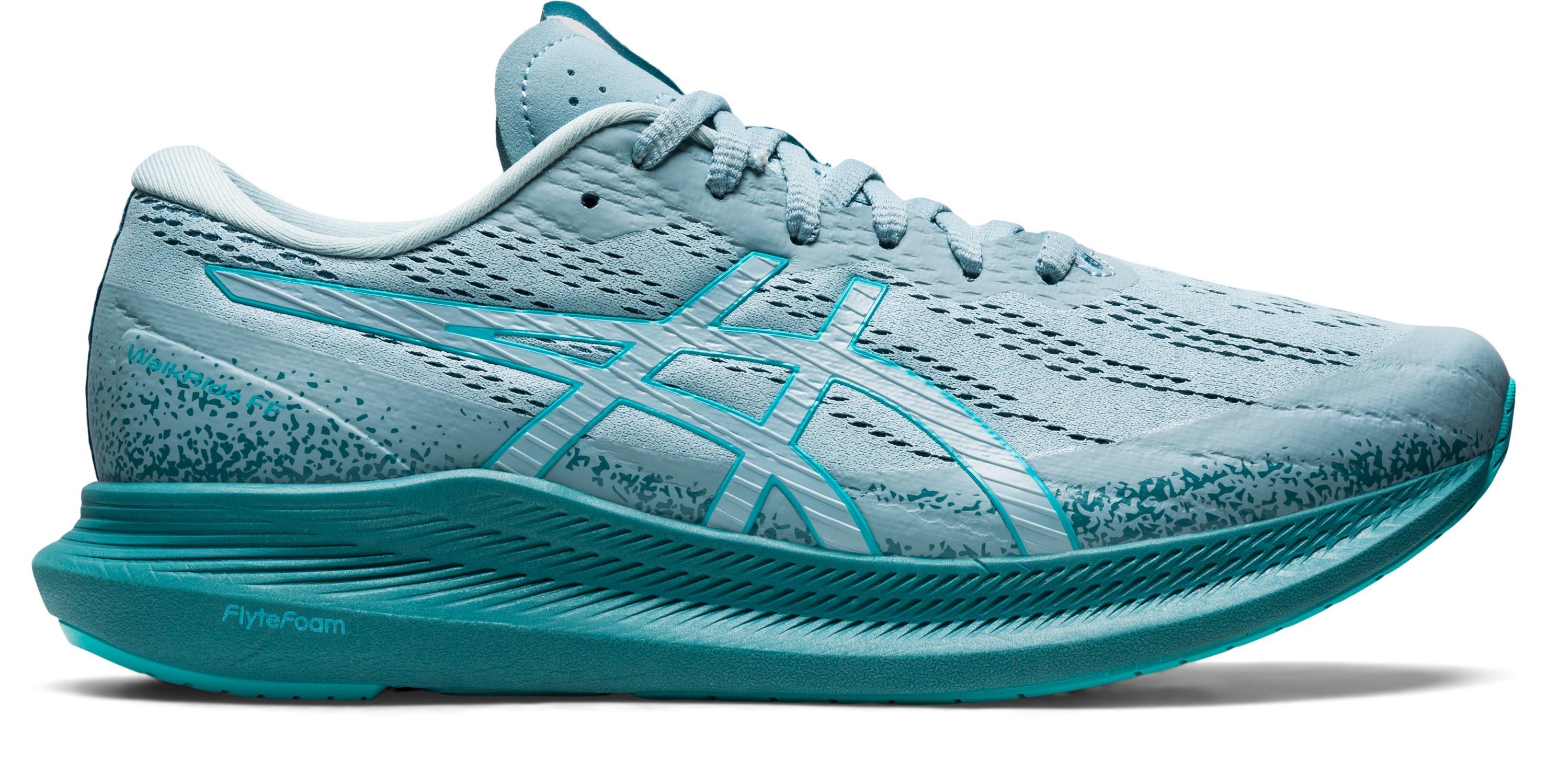
Comfort over long distances is not solely about cushioning; it is profoundly influenced by the materials that envelop your foot. Modern podiatrist recommended walking shoes leverage advanced textiles and leathers that serve as a second skin. Breathability is paramount. A shoe that traps heat and moisture creates a microenvironment ripe for fungal infections, blisters, and general discomfort. High-quality mesh uppers, like those engineered by brands such as ASICS or Brooks, facilitate constant air circulation. This isn’t just a comfort feature; it’s a hygienic necessity. Furthermore, the interior lining should be seamless or have flat, non-abrasive seams to minimize friction—a common cause of painful hotspots. Memory foam or contoured EVA footbeds add a layer of personalized cushioning, molding slightly to the foot’s contours without losing their supportive structure. The importance of moisture-wicking properties cannot be overstated. As noted in podiatric care guides, persistent dampness softens the skin, making it more susceptible to breakdown and ulceration, a critical consideration for those with diabetes or circulatory issues. Therefore, when you examine a shoe endorsed by foot health professionals, you are often looking at a product where every material, from the outer mesh to the inner sock liner, has been selected for its functional performance in maintaining a cool, dry, and friction-free environment for your feet throughout the day.
Navigating the Market: How to Identify Truly Supportive Footwear
With countless options on the shelf, identifying a genuine podiatrist recommended walking shoe requires a discerning eye. Start by looking for the APMA Seal of Acceptance. This seal is awarded to products found to be beneficial to foot health, based on submissions and reviews by a committee of podiatrists. It is a tangible, trustworthy marker. Beyond seals, perform a physical inspection. Execute the “flex test”: hold the shoe at the heel and toe and bend it. It should flex easily at the ball of the foot (where your toes meet the rest of your foot), but resist twisting. The “heel squeeze test” is equally telling: squeeze the sides of the heel counter. It should be firm and resistant to collapse. Don’t be seduced by excessive, overly soft cushioning. As biomechanist Dr. Benno Nigg of the University of Calgary’s Human Performance Laboratory has discussed in his work, there is an optimal level of cushioning; too much can destabilize the foot and cause muscles to work inefficiently. Instead, seek “responsive” cushioning that returns energy. Furthermore, consider your individual gait. While a podiatrist can perform a full gait analysis, a simple wet foot test (observing the footprint on a dry surface) can indicate if you have a neutral, low-arch (overpronator), or high-arch (underpronator) foot. Many reputable shoe brands now design specific models to cater to these different biomechanical needs, and this alignment is a cornerstone of a podiatrist’s recommendation. Remember, the most expensive shoe is not necessarily the best; the correct shoe for your unique foot structure is.
The Long-Term Value: Beyond the Initial Purchase Price
Investing in quality podiatrist recommended walking shoes is an exercise in preventative healthcare, offering profound long-term value that far exceeds the initial price tag. Consider the alternative: the cumulative cost of dealing with foot pain. This can range from over-the-counter pain relievers and gel inserts to physical therapy sessions, custom orthotics, and, in severe cases, medical procedures. The financial and personal toll of chronic pain—lost productivity, reduced activity, diminished quality of life—is immense. A well-constructed walking shoe acts as a daily prophylactic. Its durable outsoles and resilient midsoles are designed to maintain their structural integrity and cushioning properties over hundreds of miles, unlike cheaper shoes that compact and fail quickly. This durability means you are not replacing shoes every few months, providing better cost-per-wear. Moreover, the professional knowledge embedded in these shoes—the result of podiatric collaboration and biomechanical research—delivers a benefit that is priceless: the confidence to move through your day without foot fatigue being a limiting factor. It enables you to embrace walking for fitness, exploration, and daily errands, contributing to overall cardiovascular health and mental well-being. In this light, a podiatrist-approved shoe is not a mere accessory; it is a essential tool for an active, healthy life.
Your Path to All-Day Comfort Starts Now
The journey to finding your perfect pair is a commitment to yourself. It requires moving beyond aesthetics and fleeting trends to focus on the fundamental principles of support, construction, and professional endorsement. By prioritizing shoes that carry the hallmarks of podiatric approval—robust heel counters, anatomical arch support, spacious toe boxes, and breathable, quality materials—you are making a conscious choice for your physical health. You are selecting footwear that respects the intricate biology of your feet and the biomechanics of your stride. Let this knowledge guide you. Try on multiple pairs, walk around the store, and listen to what your feet tell you. The right podiatrist recommended walking shoes will feel supportive and inviting from the first step, promising not just all-day comfort, but years of confident, pain-free movement. Your feet are your foundation; build them a solid home.

