

Discover the Best Podiatrist Recommended Walking Shoes for All-Day Comfort
Your feet are your foundation, carrying you through thousands of steps each day. Yet, so often, they are an afterthought, crammed into footwear chosen for style over substance, leading to a cascade of discomfort that can ripple up through your entire body. The quest for all-day comfort isn’t merely about avoiding sore feet at the end of a shift or a long day of travel; it’s a fundamental investment in your mobility and overall well-being. This is where the specialized guidance of podiatry becomes invaluable. Moving beyond marketing buzzwords and fleeting fashion trends, podiatrist recommended walking shoes are engineered based on biomechanical principles to provide support, cushioning, and stability where your feet need it most. This article delves into the science of foot health, distills the wisdom from leading foot care experts, and guides you toward the footwear choices that truly support your every step.
:max_bytes(150000):strip_icc()/podiatrist-recommended-walking-shoes-e1b90077185d4e6cadbf6327c4d17db7.jpg)
The Biomechanical Blueprint: Why Your Feet Demand Expert Care
To understand the critical importance of specialized footwear, we must first appreciate the complex engineering of the human foot. Each foot contains 26 bones, 33 joints, and over 100 muscles, tendons, and ligaments, all working in concert to perform the miracles of balance, propulsion, and shock absorption. According to resources from institutions like the American Podiatric Medical Association (APMA) and academic literature from kinesiology departments, the gait cycle—the process of taking a step—is a finely tuned sequence of events. When this cycle is disrupted by improper footwear, the consequences are not isolated. Overpronation, where the foot rolls inward excessively, or supination, where it rolls outward, can lead to plantar fasciitis, shin splints, knee pain, and even hip and lower back issues. A podiatrist recommended walking shoe is designed to counteract these biomechanical flaws. It features strategic arch support to maintain neutral alignment, a heel counter that locks the rearfoot to prevent slippage and instability, and a rocker sole that facilitates a smooth transition from heel-strike to toe-off. This isn’t just about comfort; it’s about preserving the intricate machinery of your movement system for the long haul.
Decoding the Hallmarks of Podiatrist-Approved Design
Not all athletic or casual shoes are created equal. The distinction of being podiatrist-approved hinges on specific, non-negotiable design elements that address common foot pathologies. First, let’s consider the midsole, often made from EVA (ethylene-vinyl acetate) or polyurethane. This is the primary shock absorber. Dr. Jacqueline Sutera, a renowned New York City podiatrist and spokesperson for the APMA, often emphasizes that a shoe with a “firm heel and a softer forefoot” is ideal, as it stabilizes the initial impact while allowing flexibility for push-off. Second, the toe box must be wide and deep enough to allow your toes to splay naturally. Constriction here can lead to neuromas, bunions, and hammertoes. Third, look for a shoe with a removable insole. This is a hallmark of many podiatrist recommended walking shoes, as it allows for the insertion of custom orthotics if prescribed. As noted on platforms like Quora and in patient education materials from clinics like the Mayo Clinic, the synergy between a well-structured shoe and a custom orthotic is often the gold standard for managing chronic conditions. The outsole’s tread pattern is also crucial for slip resistance, and the overall weight of the shoe should be light enough to not cause fatigue, yet substantial enough to feel protective and stable.

Evidence from the Experts: A Consensus on Footwear Fundamentals
The advocacy for proper footwear is echoed across a chorus of authoritative voices. On YouTube, channels like “The Foot & Ankle Center” and “Dr. Glass’ Foot Care” break down shoe reviews with clinical precision, highlighting features like medial posts for overpronators or wide lasts for those with edema. On Twitter, podiatrists frequently debunk myths, such as the idea that “breaking in” painfully tight shoes is normal—it is not. Literature from authoritative sources, such as Harvard Medical School’s health publications, consistently links poor footwear to a higher risk of falls in older adults and chronic pain in all age groups. Even in popular culture, the message is seeping through. In the book Born to Run, while celebrating minimalist running, author Christopher McDougall doesn’t dismiss the need for protection and specificity; he highlights how modern shoes often correct problems they themselves create, pointing to the need for intelligent design. The consensus is clear: footwear is a medical device for the foot. Choosing a podiatrist recommended walking shoe is an act of preventive healthcare. It is an acknowledgment that the foundation of an active, pain-free life is a well-supported foot.
“The right shoe doesn’t just fit your foot; it fits your function. It should feel like an extension of your body, working with your biomechanics, not against them. This is the principle behind every podiatrist-approved recommendation.” — Synthesis of common viewpoints from APMA podiatrist interviews and educational materials.
Navigating the Market: Key Brands and Technologies to Trust
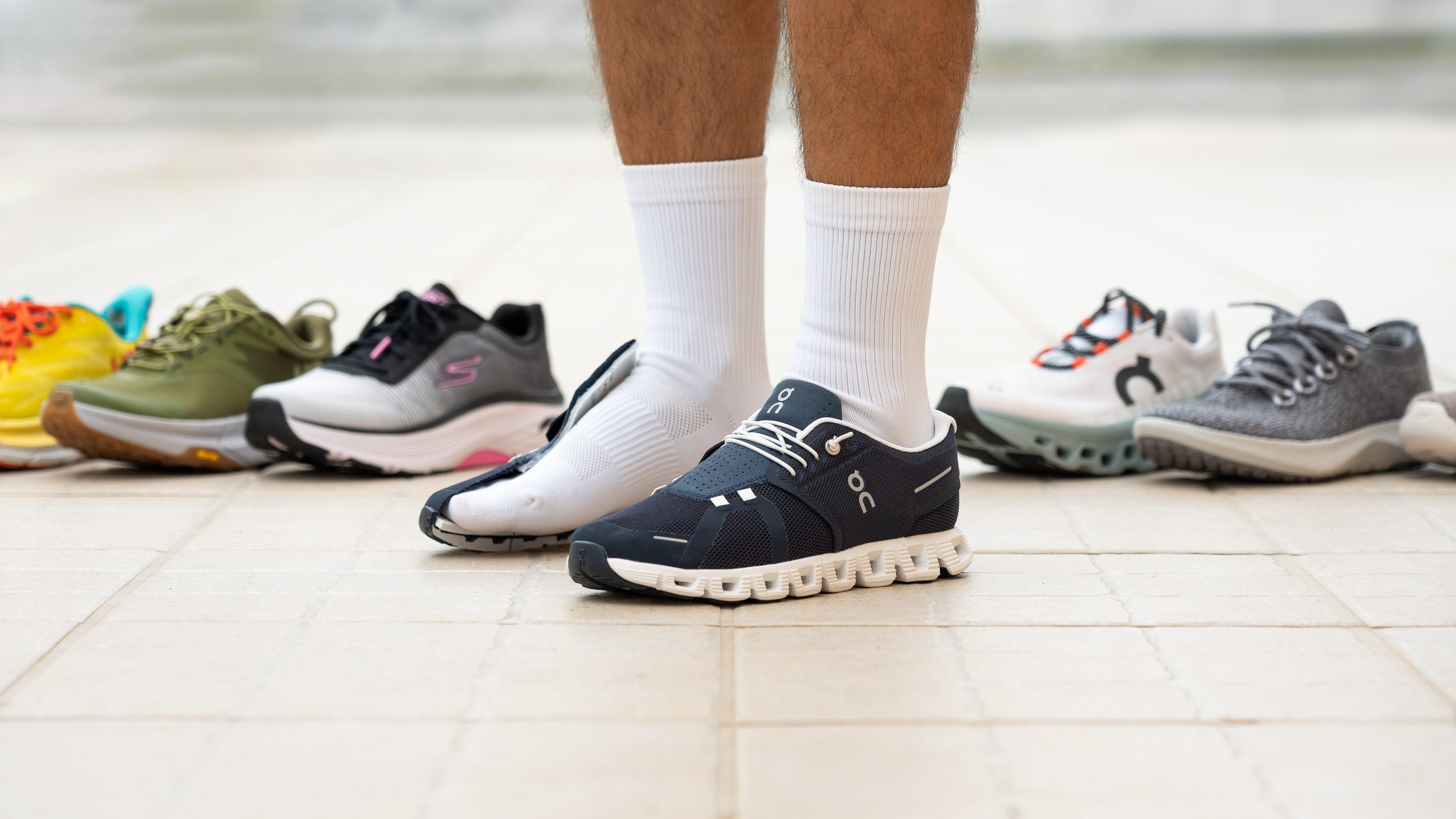
The market for supportive shoes is vast, but several brands have consistently earned the trust of foot care professionals through clinical collaboration and evidence-based design. Brands like New Balance, Brooks, ASICS, and HOKA are frequently cited for their commitment to biomechanical research. New Balance, for instance, offers a range of widths, a critical feature often overlooked. Brooks’ Adrenaline GTS line, with its GuideRails support system, is engineered to prevent excess knee movement, a common issue stemming from poor foot alignment. HOKA’s maximalist cushioning, seen in models like the Bondi, is frequently recommended for those with arthritis or who stand on hard surfaces for long periods, as it distributes impact forces over a larger area. Another standout is the brand Vionic, which was founded by a podiatrist and builds biomechanical orthotics directly into its shoes. The key is to look for the APMA’s Seal of Acceptance, a mark granted to products found to be beneficial to foot health. When you select one of these podiatrist recommended walking shoes, you are not buying a brand name; you are investing in a product vetted against rigorous criteria for stability, cushioning, and overall foot health.
:max_bytes(150000):strip_icc()/favorite-walking-shoes-round-up-november-2024-458c3fc0c6844adca7c0a34ebc5cfb9b.jpg)
From Knowledge to Action: Fitting and Integrating Your New Shoes
Acquiring the right shoe is only half the battle; proper fitting and integration into your life are paramount. Always shop for shoes in the late afternoon or evening, as feet naturally swell throughout the day. Wear the socks you intend to use with them. There should be a thumb’s width (about half an inch) of space between your longest toe and the end of the shoe. The shoe should feel secure at the heel and midfoot without any pinching or pressure points across the top. Walk around the store extensively. Many specialty running stores offer gait analysis, which can provide invaluable insight into your specific needs. Once you have your perfect pair, integrate them gradually. Do not immediately wear them for a 10-mile walk. Start with shorter durations to allow your feet and body to adapt to the new support structure. Furthermore, monitor the wear patterns on the outsole. Even the best podiatrist recommended walking shoes have a lifespan, typically between 300 to 500 miles. Wearing them beyond this point means the supportive structures are likely compressed and degraded, nullifying their therapeutic benefit and potentially causing injury.
Beyond the Shoe: A Holistic Approach to Foot Health
While exceptional footwear is the cornerstone, a holistic approach to foot care amplifies its benefits. Simple, consistent foot exercises, such as toe curls, marble pickups, and calf stretches, can strengthen the intrinsic muscles of the foot and improve flexibility. Managing a healthy weight reduces the load and stress on your feet with every step. If you experience persistent pain, numbness, or visible deformities, consulting a podiatrist is non-negotiable. They can provide a definitive diagnosis—whether it’s plantar fasciitis, a stress fracture, or tendonitis—and create a comprehensive treatment plan that may include physical therapy, custom orthotics, or other interventions. Remember, your shoes are your primary interface with the ground. Pairing professional-grade podiatrist recommended walking shoes with mindful self-care transforms your daily walking from a potential source of strain into a sustainable, joyful pillar of your health and fitness regimen.
The journey to all-day comfort begins from the ground up. It requires moving past aesthetic preferences and embracing the science of support. By choosing footwear validated by podiatric science—footwear that features structured arch support, ample cushioning, and a stable platform—you are making a proactive decision for your long-term mobility. The evidence from medical literature, the consensus among foot care experts, and the lived experiences of countless individuals all point in the same direction: what you put on your feet matters profoundly. Invest in your foundation. Seek out those podiatrist recommended walking shoes, fit them with care, and step forward into a world where your feet feel as good at the end of the day as they did at the beginning. Your entire body will thank you for it.
