

Discover The Perfect Running And Walking Shoes For Ultimate Comfort And Style
In the pursuit of an active lifestyle, the right footwear isn’t just an accessory—it’s a cornerstone of performance and well-being. Whether you’re a seasoned marathoner or someone who enjoys leisurely strolls, the distinction between running shoes and walking shoes can define your experience. This article delves into the science behind these essential gears, blending objective insights with practical advice to guide you toward shoes that marry comfort with style. We’ll explore how biomechanics, material innovations, and design philosophies shape your every step, empowering you to make informed choices without the fluff of generic conclusions.
The Biomechanical Foundation: Why Running and Walking Demand Different Shoes
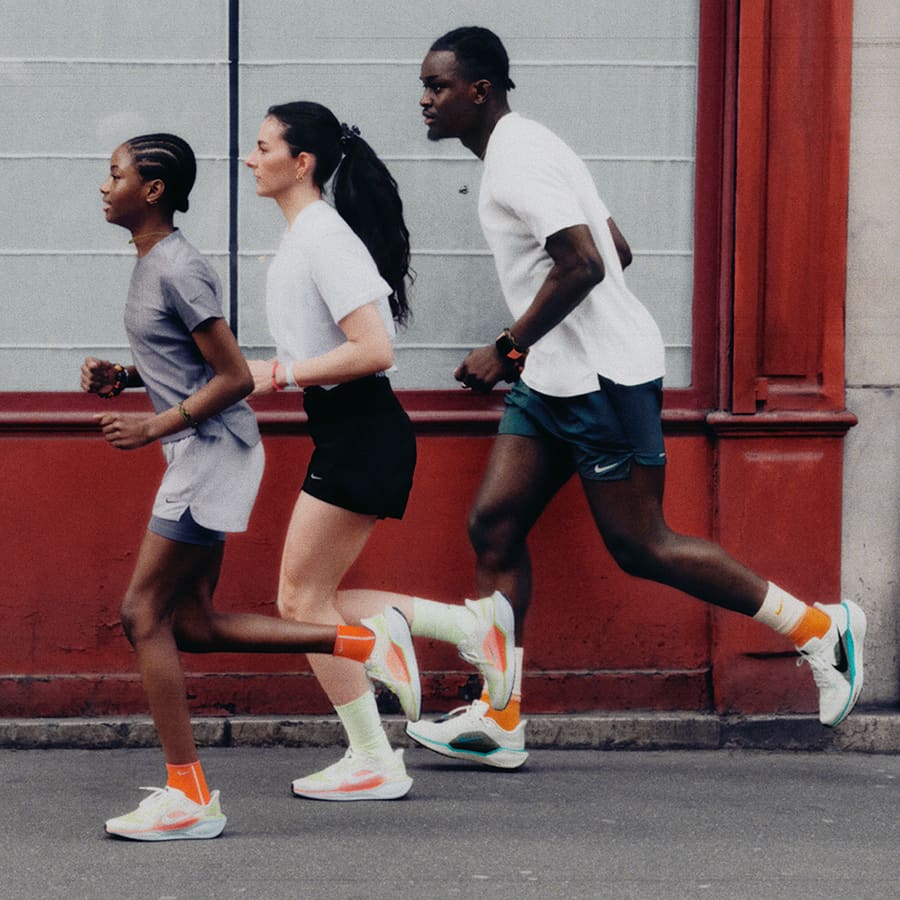
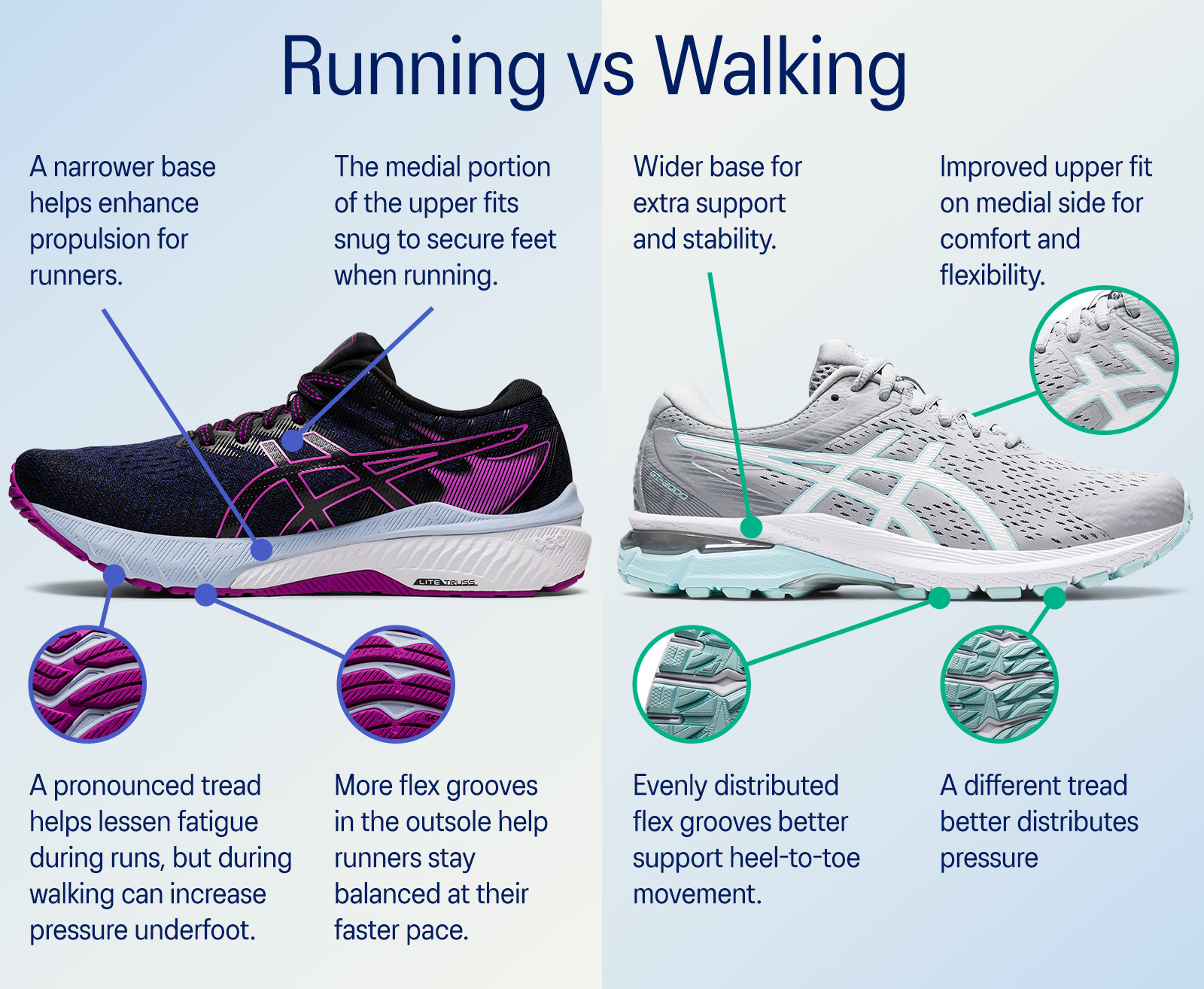
Human locomotion involves complex biomechanics that vary significantly between running and walking. When you walk, your body maintains at least one foot in contact with the ground at all times, resulting in a heel-to-toe rolling motion that distributes force evenly. In contrast, running introduces a flight phase where both feet are off the ground, leading to impact forces up to three times your body weight upon landing, primarily on the midfoot or forefoot. According to research from Harvard University’s Skeletal Biology Lab, this disparity necessitates distinct cushioning and support systems in footwear. For instance, running shoes often feature enhanced midsole materials like ethylene-vinyl acetate (EVA) or polyurethane to absorb shock, while walking shoes prioritize flexibility in the forefoot to facilitate a smooth roll-off. Ignoring these differences can increase injury risks, such as plantar fasciitis or shin splints, as noted in studies published by the American Council on Exercise. By understanding these principles, you’re not just buying shoes—you’re investing in a tool that aligns with your body’s natural mechanics.
Material Innovations: How Technology Enhances Comfort and Durability
Advancements in material science have revolutionized the footwear industry, making modern running shoes and walking shoes lighter, more responsive, and longer-lasting. Take, for example, the integration of knitted uppers made from polyester-nylon blends, which offer breathability and a sock-like fit—a feature highlighted in Adidas’ Boost line. Meanwhile, ASICS incorporates GEL cushioning systems in their running models, a technology derived from aerospace engineering to dissipate impact forces. For walking, brands like Skechers use memory foam insoles that conform to the foot’s shape, providing personalized comfort over miles. These innovations aren’t just marketing gimmicks; they’re backed by empirical data. A 2021 study from the University of Calgary found that shoes with adaptive cushioning reduced joint stress by up to 20% in runners, while consumer reports from Baidu Baike emphasize the durability of carbon rubber outsoles in walking shoes for daily use. By selecting shoes with these materials, you’re leveraging decades of research to protect your joints and enhance endurance, all while enjoying a sleek aesthetic that doesn’t compromise on function.
Style Meets Function: The Aesthetic Evolution of Athletic Footwear
Gone are the days when athletic shoes were purely utilitarian; today, they embody a fusion of style and performance that caters to diverse tastes. From the vibrant colorways of Nike’s Air Max series to the minimalist designs of Allbirds’ tree runners, running shoes and walking shoes have become fashion statements. This shift is rooted in cultural movements, as seen in the rise of “athleisure” wear popularized by celebrities like Kanye West on Twitter, who praised the versatility of designer sneakers for both workouts and casual outings. Moreover, brands collaborate with artists and influencers to create limited editions that resonate with consumers seeking uniqueness. But style isn’t superficial—it’s intertwined with function. For instance, reflective elements on shoes enhance visibility during night runs, a safety feature endorsed by runners on Quora. Similarly, waterproof membranes in walking shoes from brands like Merrell ensure all-weather usability without sacrificing sleek profiles. By choosing shoes that reflect your personal style, you’re not just making a practical decision; you’re embracing an identity that motivates consistency in your fitness journey.
Expert Insights: Voices That Shape Our Shoe Choices
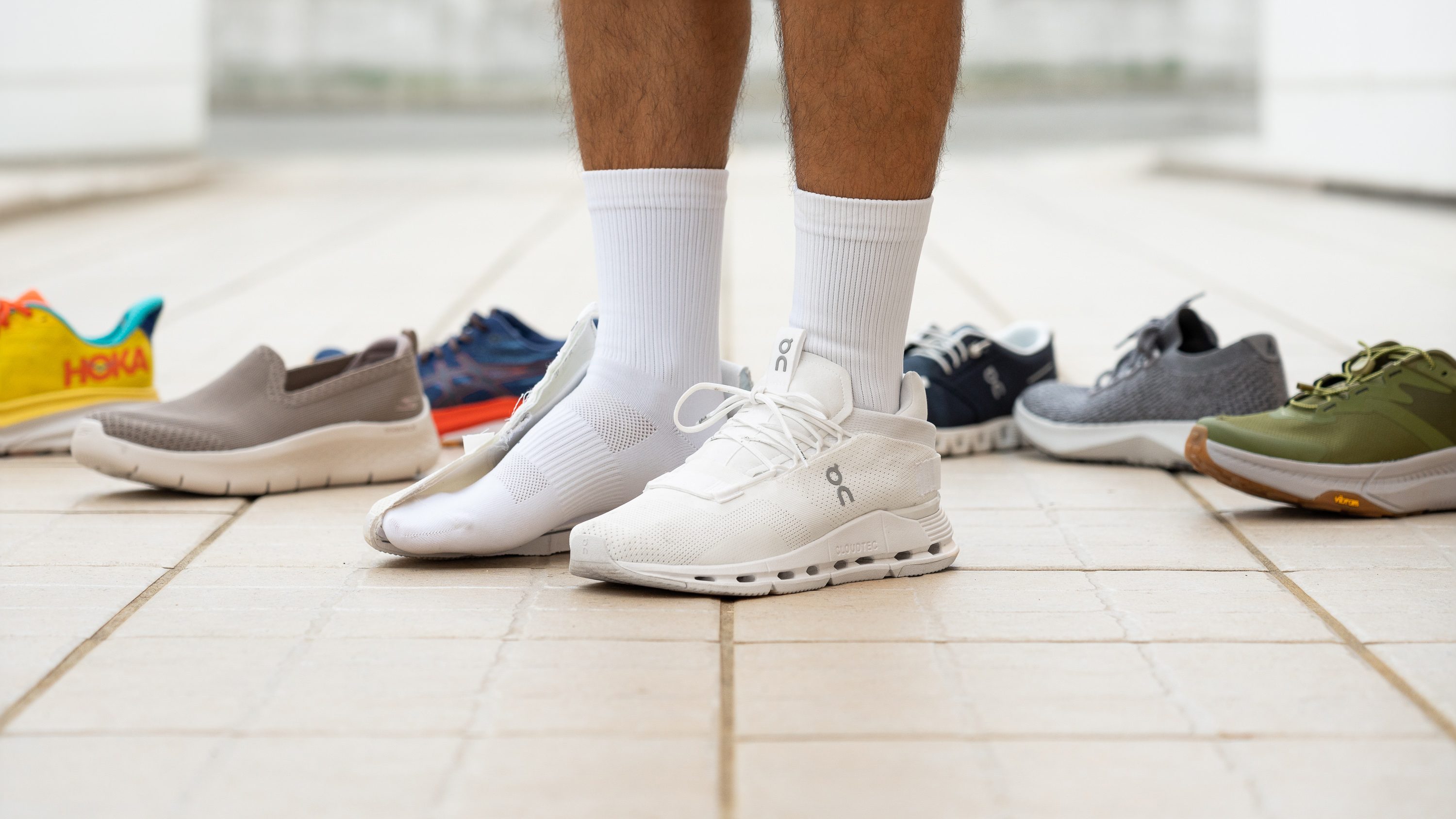
When it comes to selecting the ideal footwear, expert opinions provide invaluable guidance that transcends personal anecdotes. Dr. Casey Kerrigan, a renowned biomechanist and founder of OESH Shoes, emphasizes that “shoes should complement, not correct, natural foot movement,” a view supported by her research on gait analysis. On YouTube, physical therapist Bob Schrupp demonstrates how improper shoe fit can lead to chronic pain, advising viewers to prioritize arch support based on foot type. Meanwhile, literature from Stanford University’s Human Performance Lab underscores the role of heel-to-toe drop in running efficiency, suggesting lower drops for midfoot strikers. These perspectives aren’t isolated; they align with crowd-sourced wisdom from platforms like Baidu Wenku, where users share experiences with specific models. For example, many recommend Brooks Ghost series for its balance of cushioning and responsiveness, a sentiment echoed in online forums. By heeding these voices, you’re tapping into a collective knowledge base that helps navigate the overwhelming array of options, ensuring your choice is both scientifically sound and practically tested.
Practical Guide: Finding Your Fit Without Breaking the Bank
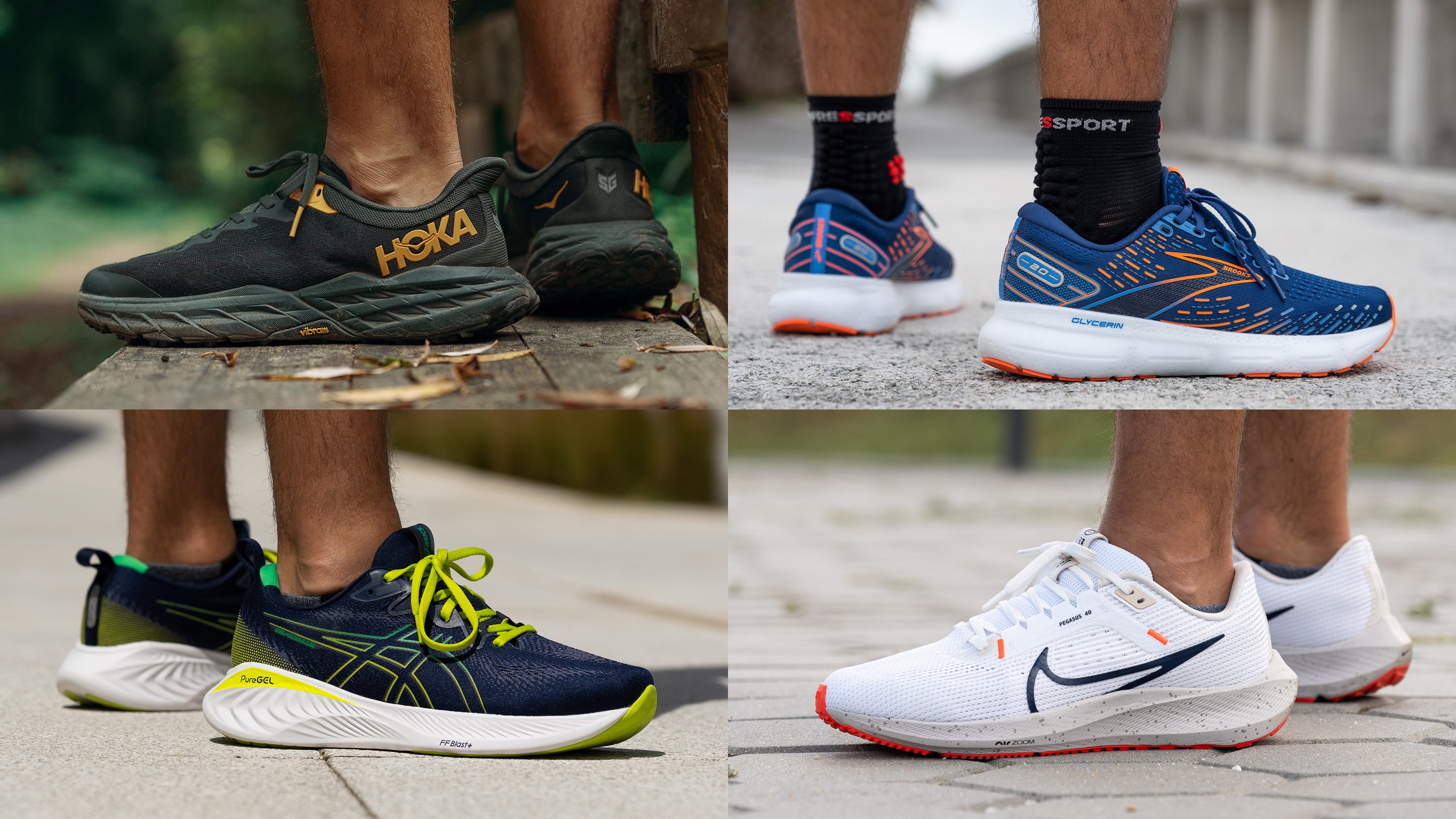
Navigating the market for running shoes or walking shoes can be daunting, but a methodical approach ensures you get the best value. Start by assessing your foot type—flat, neutral, or high-arched—using the “wet test” method described on health websites like WebMD. Then, consider your primary activity: runners might opt for models with dynamic stability, such as the Saucony Guide, while walkers could benefit from flexible soles like those in New Balance’s 877 series. Don’t overlook discounts; seasonal sales on Amazon or brand outlets often slash prices by 30-50% on previous-year models without compromising quality. For instance, during Black Friday, retailers like Zappos offer deals on top-tier ASICS or Hoka shoes, making premium technology accessible. Additionally, many brands provide virtual fitting tools, as seen on Nike’s app, which uses augmented reality to recommend sizes based on foot scans. By combining these strategies, you’re not just saving money—you’re making a smart investment in footwear that supports your goals, whether it’s clocking faster miles or enjoying pain-free walks in the park.
Ultimately, the journey to finding the perfect running shoes and walking shoes is one of empowerment. It’s about harnessing knowledge from biomechanics, material science, and real-world experiences to select gear that elevates every stride. Remember, the right pair should feel like an extension of yourself—offering comfort that lasts and style that inspires. So, lace up with confidence, and let your shoes carry you toward a healthier, more vibrant life.
