

How Running and Walking Shoes Differ and Elevate Your Performance
When it comes to choosing the right footwear for your fitness activities, understanding the difference between running and walking shoes is crucial. Both types of shoes are designed with specific purposes in mind, and selecting the appropriate one can significantly enhance your performance and reduce the risk of injury. This article delves into the key distinctions between running and walking shoes, providing you with the knowledge to make an informed decision.
The Anatomy of Running and Walking Shoes
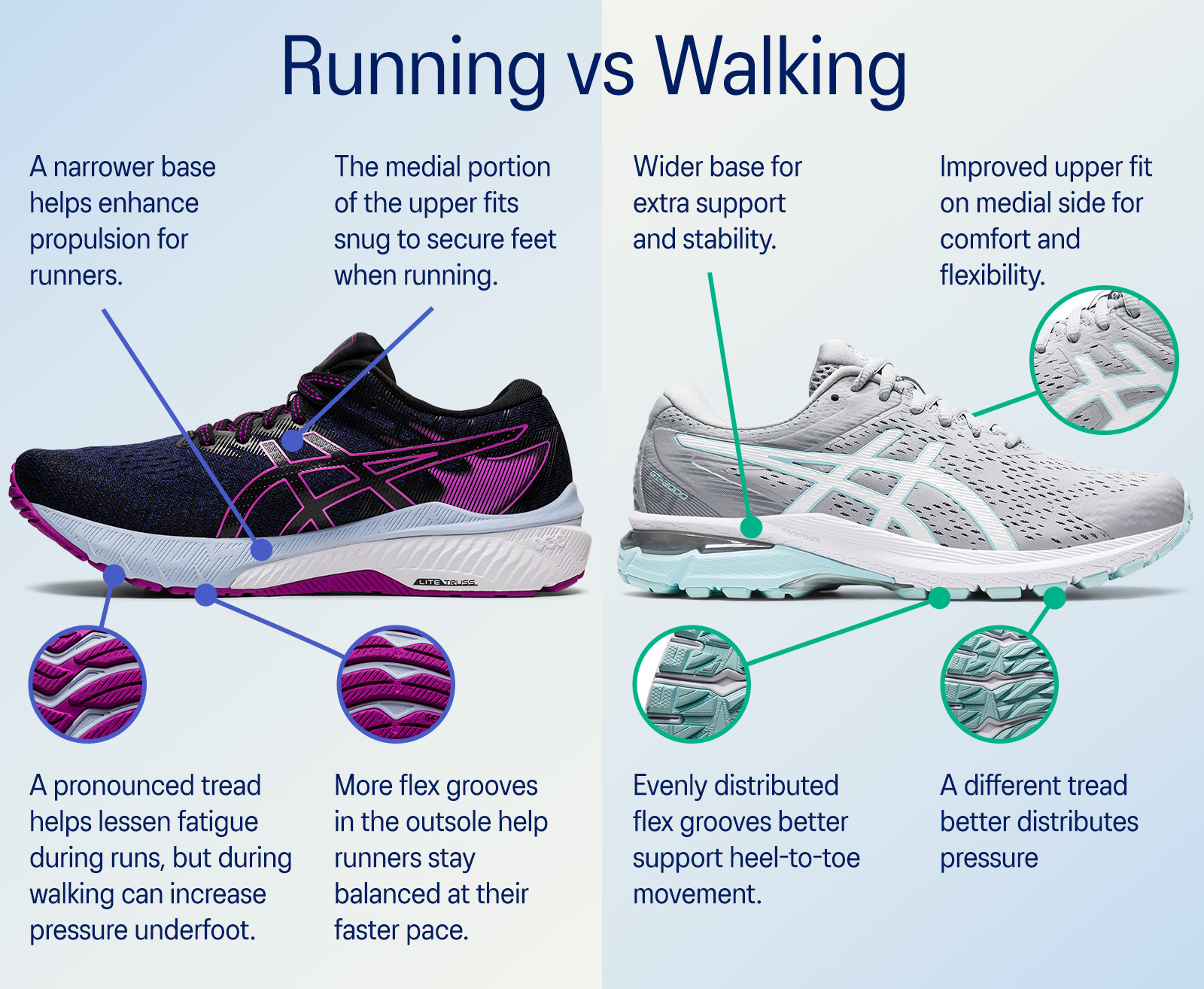
Running shoes and walking shoes are constructed differently to accommodate the unique biomechanics of each activity. Running shoes are designed to support the high impact and repetitive stress that comes with running. They typically feature a thicker sole with more cushioning to absorb shock, a reinforced heel to protect against impact, and a more flexible forefoot to facilitate toe-off. On the other hand, walking shoes are built to provide stability and comfort for the lower impact, heel-to-toe motion of walking. They often have a more rigid sole to support the foot during the stride and a slightly different heel design to reduce stress on the Achilles tendon.
Cushioning and Support
One of the most significant differences between running and walking shoes is the level of cushioning and support they offer. Running shoes are engineered with advanced cushioning systems to protect the feet and joints from the high-impact forces generated during running. According to a study by the American Council on Exercise, the impact force on the body during running can be up to three times the body’s weight. This necessitates the need for superior cushioning in running shoes. In contrast, walking shoes provide adequate cushioning but focus more on stability and support, as the impact forces during walking are considerably lower.
Flexibility and Motion Control
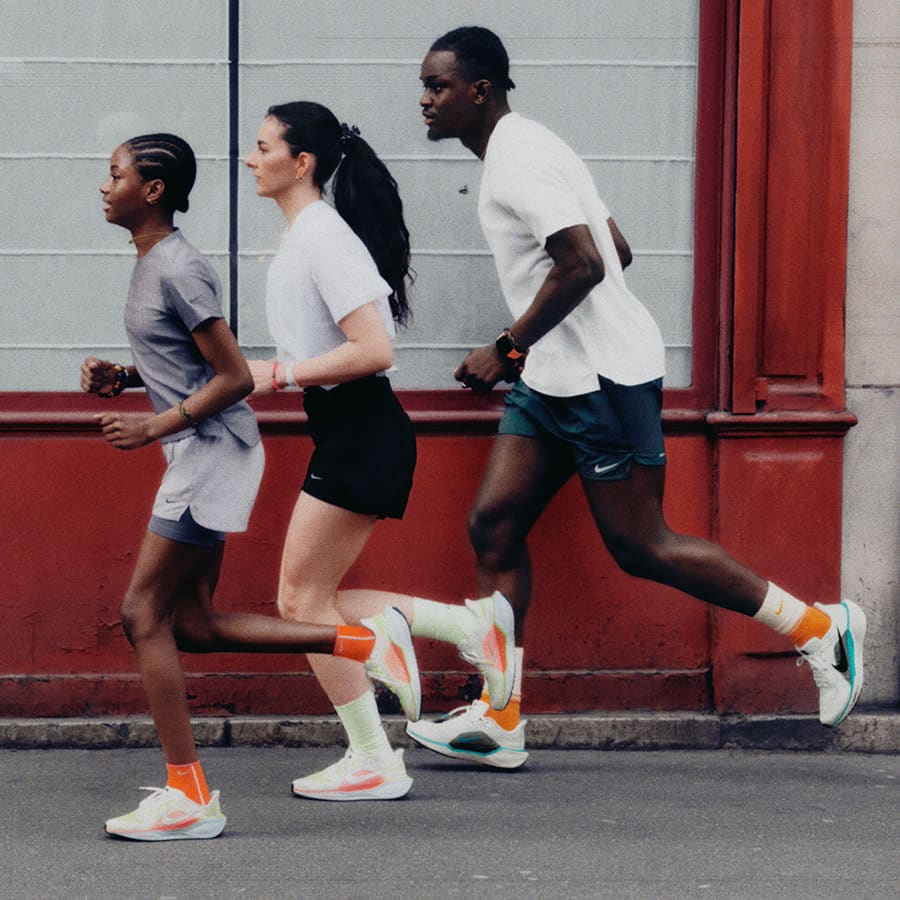
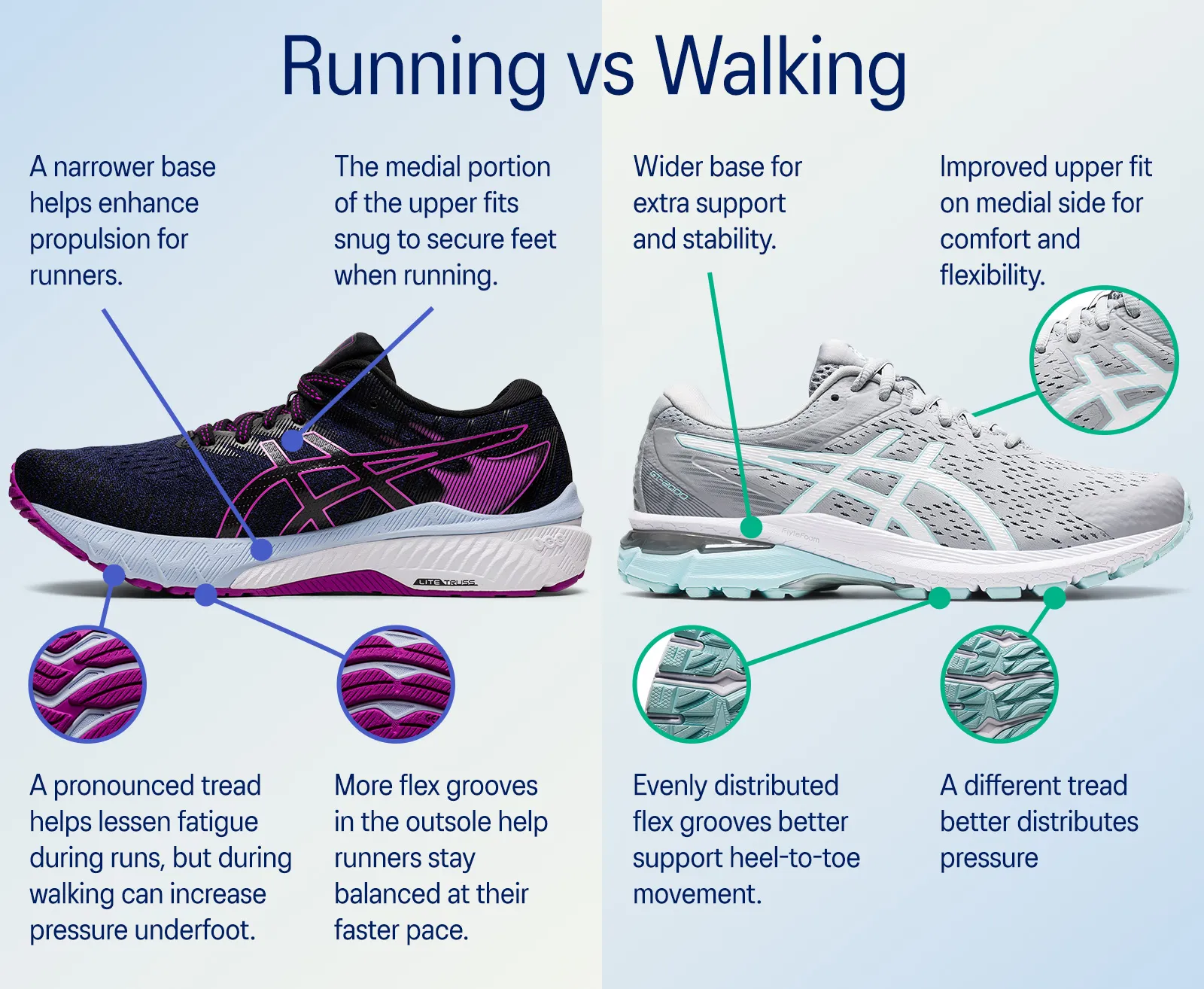
Flexibility is another critical factor that sets running and walking shoes apart. Running shoes are designed to be more flexible in the forefoot area to allow for a natural toe-off motion, which is essential for efficient running. The flexibility in running shoes helps to reduce the strain on the toes and feet, promoting a smoother running gait. Walking shoes, however, are generally less flexible to provide better support and control during the heel-to-toe walking motion. The rigidity in walking shoes helps to maintain stability and prevent excessive foot movement, which can lead to discomfort or injury.
Choosing the Right Shoe for Your Activity
Selecting the right shoe for your activity is not just about comfort; it’s about optimizing your performance and minimizing the risk of injury. If you’re a runner, investing in a pair of high-quality running shoes that offer ample cushioning, support, and flexibility is essential. According to renowned sports scientist Dr. Ross Tucker, “The right running shoe can make a significant difference in your running efficiency and injury prevention.” Conversely, if you’re a walker, opting for walking shoes that provide stability, support, and a comfortable fit will help you maintain a consistent and enjoyable walking routine.
The Importance of Fit and Comfort
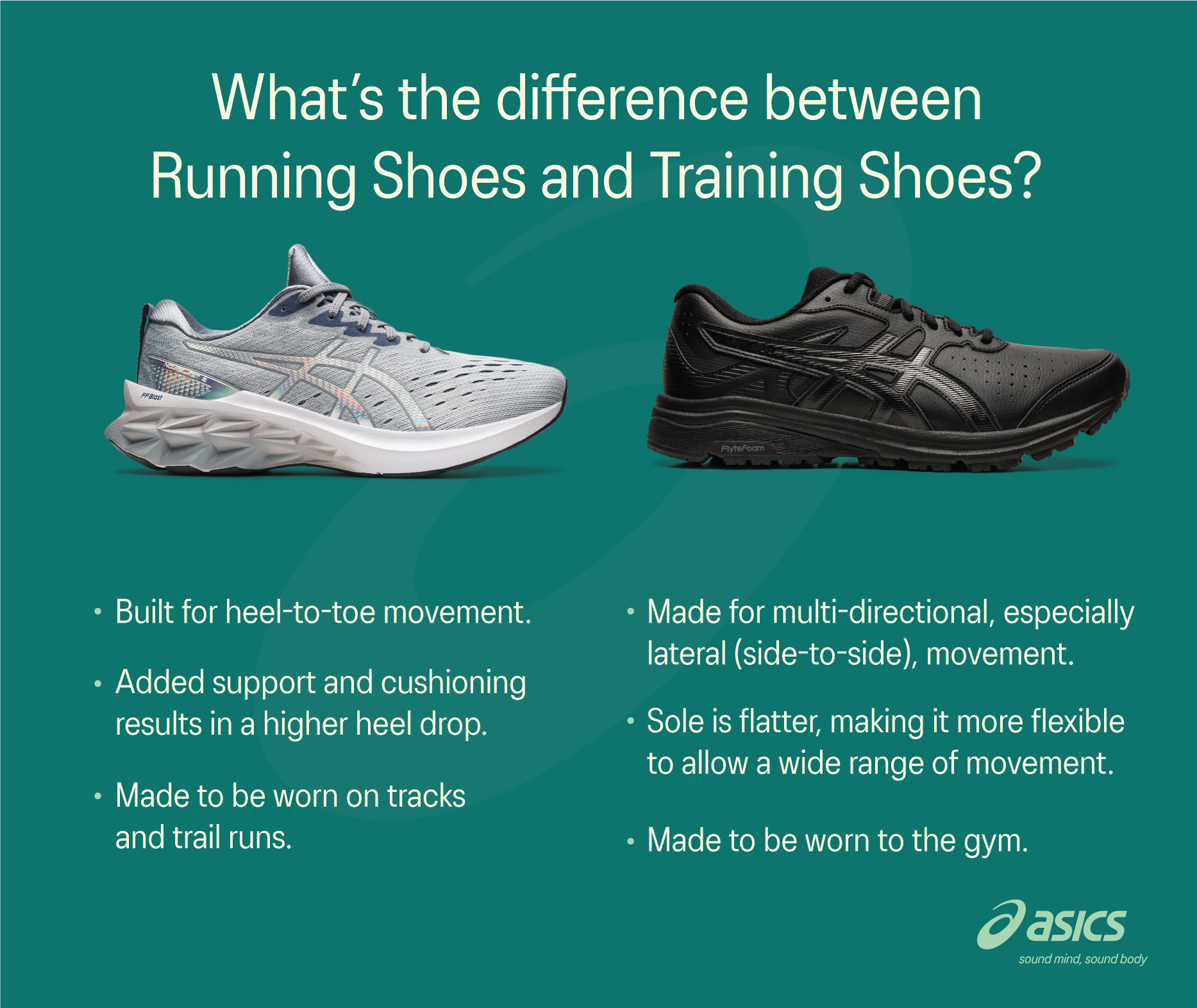
Regardless of whether you’re choosing running or walking shoes, fit and comfort should be your top priorities. A well-fitted shoe ensures that your feet are properly supported and protected, reducing the likelihood of blisters, soreness, and other foot-related issues. When trying on shoes, it’s important to consider the width and length of your feet, as well as any specific foot conditions you may have, such as flat feet or high arches. According to the American Podiatric Medical Association, “A proper fit is crucial for preventing foot problems and ensuring optimal performance.”

Conclusion
In summary, the difference between running and walking shoes lies in their design, cushioning, flexibility, and support. Running shoes are tailored for the high-impact nature of running, offering advanced cushioning and flexibility, while walking shoes prioritize stability and support for the lower impact motion of walking. By understanding these differences and choosing the appropriate footwear for your activity, you can enhance your performance, reduce the risk of injury, and enjoy a more comfortable and efficient workout experience.
