

Most people shopping for heeled boots start with a picture. They find a shape they like, pick a height that looks manageable, and then spend the next six months discovering that the pair pinches across the ball of the foot, saws at the calf, or feels like walking on a slope. The picture was never the problem. The problem is that product pages describe boots in the language of fashion and almost never in the language of fit.
The boot heels women keep in rotation share a few unglamorous traits: a heel that sits close to the body’s center of gravity, a shaft that ends where the leg narrows rather than widens, an outsole with enough substance to absorb pavement, and an upper that has already been broken in at the factory or will soften quickly. None of that shows up in a styled photo. All of it decides whether you wear the boots twice or two hundred times. What follows is the checklist worth running before you pay, built from how boots are actually constructed rather than how they are marketed.
If you are still mapping out the category itself, the broader guide to heels is a reasonable starting point. But once you have decided you want a boot with a heel, the variables narrow fast, and they are measurable.
Heel Geometry Explains Why Two Pairs at the Same Height Feel Nothing Alike
Ask anyone who owns several pairs and they will tell you the same thing: boot heels women reach for daily are rarely the tallest ones in the closet. Listed heel height is one of the least useful numbers on a product page. Two boots can both read 75 mm and behave like completely different objects, because what your ankle and calf experience is not the height of the heel but the angle of the footbed and the surface area under load.
Start with drop: heel height minus platform thickness. A 90 mm heel sitting on a 25 mm platform puts your foot at the same angle as a 65 mm heel with no platform. That is why platform boots feel dramatically more forgiving than their spec sheet suggests. If you have avoided heeled boots because a previous pair at 80 mm was unbearable, a platform version at the same nominal height may be entirely wearable. Look for the platform measurement, not the combined look of the shoe.
Then look at heel shape. A stiletto concentrates body weight on a contact patch the size of a thumbnail, which forces constant micro-corrections from the ankle. A block heel spreads that load across several square centimeters and lets you stand still without your ankles working. For anything worn more than two hours at a stretch, block, Cuban, and stacked heels are simply better engineering. The trade-off is visual weight, and that is a real consideration; but a 60 mm block heel often reads more elegant in motion than a 60 mm stiletto that makes the wearer walk cautiously.
Placement matters as much as profile. A heel set forward, tucked under the arch rather than at the very back edge of the boot, keeps the center of gravity closer to the ball of the foot. Makers sometimes call this a centered or forward-set heel. It shortens the effective lever arm, so the boot feels lower than it measures. When you try a pair on, stand still for thirty seconds and notice whether you feel pulled backward. That sensation usually means the heel is set too far back or the sole is too stiff to flex at the ball.
Heeled footwear has a longer engineering history than most shoppers assume. As Wikipedia’s history of the high-heeled shoe documents, raised heels first appear in Persian riding footwear, where the heel locked the foot into a stirrup. The architecture migrated into European court dress and only later into women’s fashion. That lineage explains why the most stable heeled boots on the market still resemble riding boots: stacked heel, defined heel counter, shaft that holds the ankle instead of sliding around it.
Shaft Height and Calf Circumference Decide Fit More Than the Size Number
Walk through the returns data of any boot retailer and a pattern shows up. Fit complaints cluster around the top of the boot, not the bottom. Shaft height and calf circumference are the two numbers that generate the “cuts into my leg” and “gapes at the top” reviews, and both are usually buried two clicks deep on a product page.
Shaft height is measured from the floor to the top edge. Its effect depends entirely on where that edge lands on your leg. A shaft that stops at the widest part of the calf creates pressure with every step; the identical boot on a taller wearer ends below that bulge and feels fine. Measure from the floor to the point where you want the boot to stop, wearing the trousers or tights you plan to pair with it, then compare. Within two centimeters is workable. More than four centimeters off and you will feel it by mid-afternoon.
Calf circumference at the opening is a hard constraint on fixed-shaft boots. Most brands publish a range, and if your measurement plus a centimeter for clothing falls outside it, nothing will fix the fit. Instead of sizing up, look for adjustability: a rear elastic gusset, a lace-up back, or a buckled strap each buys two to three centimeters. A lace-up back is the most forgiving option and the least common, which is unfortunate because it solves the problem for a wide range of calf shapes.
Ankle boots sidestep most of this. A shaft that ends just above the ankle has no calf interaction at all, which is why ankle and Chelsea styles remain the safest entry point for anyone who has been burned by knee-high boots. The trade-off is warmth and the visual line; a cropped shaft breaks the leg at a different point and changes how trousers fall.
One more measurement worth taking: the width across the ball of the foot. A sharply tapered pointed toe pinches the moment your foot warms and spreads, which happens within twenty minutes of walking. If you know you run wide, an almond or square toe in the same size will usually fit better than sizing up in a pointed one. Sizing up to solve width creates heel slip, and heel slip in a heeled boot is how blisters begin.
Upper Materials: What Holds Shape, What Collapses, and What to Expect in Week One
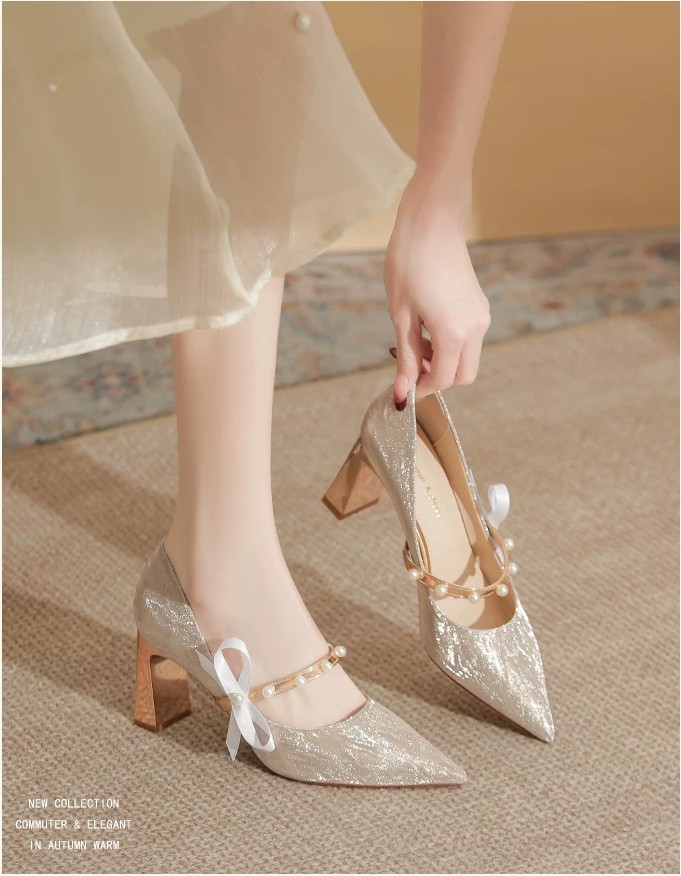
Upper material governs how a boot ages and how it feels during the first month, which is when most buyers give up. It is also the clearest dividing line between boot heels women keep for three seasons and pairs that look tired by February. Full-grain leather is the benchmark. It holds shape, creases without cracking, and takes polish. It also starts firm, and a full-grain boot needs roughly ten to fifteen hours of wear before the vamp softens across the instep. That stiffness is normal. What is not normal is stiffness that persists past two weeks in the same spot, which usually signals a last that does not match your foot shape.
Suede molds faster and feels softer from the first wear, which makes it a good match for slouchy shafts and for anyone who dreads break-in. The cost is weather resistance. Suede marks with road salt and standing water, and once the nap is stained, correction is difficult. A fluoropolymer protector applied before the first wear changes the calculus more than most people expect; treated suede handles a light drizzle and a salted sidewalk without permanent damage.
Patent and heavily coated leathers photograph well and breathe poorly. They crease sharply rather than softly, and on a boot with a stiff shaft that combination turns uncomfortable in heated interiors. If you want gloss, keep it on a lower-cut style where the foot still has room to move.
Lining deserves equal attention and rarely gets it. Leather lining wicks moisture and limits odor. Synthetic lining traps heat and becomes slippery once your foot perspires, which increases heel slip inside the boot even when the outer fit is correct. For a heeled boot worn without thick socks, lining quality is the difference between a shoe that still feels dry at six in the evening and one you want off by three.
Plant-based alternatives have improved enough to be worth considering at mid prices. Cactus, apple-waste, and mycelium-based materials now appear in boots that cost under two hundred dollars, often blended with recycled polyester for tear strength. They will not match full-grain leather over five years, but for a trend-driven pair intended for two or three seasons, they are a sensible trade. Ask what share of the upper is bio-based; anything below forty percent is mostly conventional synthetic with a good story attached.
Outsole, Heel Tip, and the Details That Fail First
The parts of a boot that break are almost never the parts you looked at in the photo. Heel tips, outsole bonding, and zipper pulls account for a disproportionate share of repairs, and all three are visible before purchase if you know where to look.
Start with the heel tip, the small cap at the bottom of the heel. Rubber or TPU tips grip polished floors and damp pavement, mute the sound on hard surfaces, and can be replaced by any cobbler for a modest fee. Bare plastic tips are loud, slick when wet, and typically the first component to wear through. On a boot you intend to wear through autumn and winter, that cap matters more than the finish on the upper. Check whether replacements are sold or whether the tip is molded into the heel; molded tips mean the whole heel block needs rebuilding.
Outsole construction is the second tell. A stitched or cemented rubber outsole with a defined welt line can be resoled. A thin, molded unit sole bonded directly to the upper usually cannot, which caps the boot’s service life at the point the sole wears through. Neither choice is wrong, but a boot priced like a long-term purchase should have a sole that can be replaced.
Traction deserves a specific mention for anyone wearing heeled boots in winter. Smooth leather soles on wet stone are genuinely hazardous, and a heeled boot already reduces your base of contact. Look for a rubber outsole with a shallow tread pattern, or plan to have a cobbler add a thin rubber protective sole before the first wear. That addition costs little and prevents both slips and water damage to the leather.
Hardware and closures round out the list. Zippers on boots take load every time you pull them on, so a metal zip with a substantial pull outlasts a lightweight coil. Elastic panels lose tension over time and are difficult to replace, which makes them a wear item rather than a permanent feature. Buckles should be metal rather than coated plastic; a snapped buckle can make an otherwise sound boot unwearable.
Sizing, Socks, and the Time-of-Day Rule
Heeled boots fit differently from sneakers, and assuming your athletic size transfers is the most common and most expensive mistake in this category. It is why so many boot heels women order online end up back in a return box within a week. Fashion and dress lasts tend to run narrower, and European brands often size slightly differently from US athletic sizing. Read the size chart, then read the reviews that mention width specifically. A review saying “runs small” is far less useful than one saying “snug across the ball, fine in the heel.”
Try boots on late in the day. Feet swell over the course of a day, sometimes by half a size, and a boot that fits at nine in the morning can be genuinely painful by evening. If you order online, arrange to try them after a normal day of walking rather than first thing. This single habit prevents a large share of fit-related returns.
Match the sock to the season you actually plan to wear the boot. A pair that fits perfectly over thin tights will feel tight over wool socks, and buying to accommodate the thickest sock you own produces heel slip the rest of the year. Decide which scenario is primary, then size for that one. If you genuinely need both, a lace-up or buckled shaft gives you the adjustment range that a fixed shaft cannot.
Heel slip is the other fit issue worth naming. A small amount of movement, a few millimeters, is normal in a new leather boot and will reduce as the heel counter molds. Noticeable lifting of the whole heel with each step is not normal, and it will not fix itself. Insoles, heel grips, and tongue pads can rescue a half-size-too-large boot, but they cannot rescue a boot whose last is the wrong shape for your foot. Return it.
Finally, give new boots a short trial indoors before committing to a full day outside. Twenty minutes on carpet tells you more about pressure points than any product description, and it keeps the soles clean enough that returns remain straightforward.
Matching Heel Height to How You Will Actually Wear Them
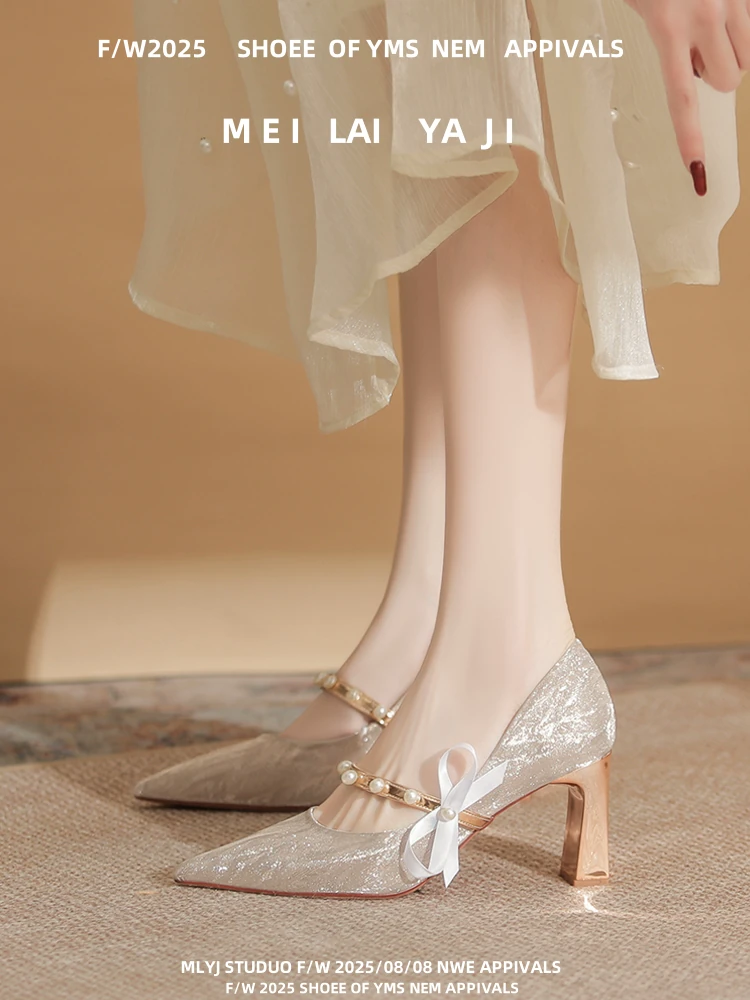
Heel height advice usually arrives as a single number, which is useless because the right height depends on the day the boot will have. A 70 mm block heel that is perfect for a desk job with a short walk at each end is a poor choice for someone commuting forty minutes on foot through a city. Sorting by use case is more practical than sorting by taste.
For commuting and long walking days, stay between 30 and 50 mm. At this height the calf barely shortens, the foot stays close to a neutral angle, and you can walk a mile without thinking about your feet. A stacked or Cuban heel in this range looks intentional rather than orthopedic, particularly on ankle and mid-calf boots. This is the range where boot heels women buy most often and return least, which is not a coincidence.
For office and indoor-heavy days, 50 to 65 mm is the practical sweet spot. It changes posture and lengthens the leg line under a midi skirt or wide-leg trousers, but it does not push weight onto the ball of the foot for hours at a time. If your day involves sitting, standing, a lunch walk, and a commute by car or transit, this is the band to shop.
Above 80 mm, the geometry shifts. Your weight moves forward onto the metatarsals, the toes take load they were not designed to carry for long stretches, and the calf stays contracted. Podiatric guidance consistently points to lower heels for daily wear, and the practical version of that advice is simple: reserve 85 mm and above for occasions measured in hours, not days, and prefer a platform to reduce the effective angle. A 100 mm heel on a 30 mm platform behaves like 70 mm under the ankle.
One underrated option is the kitten heel in a boot. At 40 to 50 mm with a slim profile, it reads dressier than a block heel while staying walkable. The narrow base makes it less stable on uneven pavement, so it suits paved cities better than cobblestones, but for office and evening wear it covers ground that neither a flat nor a stiletto handles well.
If you are deciding between two heights and cannot try either, take the lower one. Almost nobody regrets buying a boot that turns out to be slightly easier to walk in. The reverse happens constantly.
Care, Repair, and Getting Three Winters Out of One Pair
A heeled boot that costs a hundred and fifty dollars and lasts three winters is cheaper per wear than a sixty-dollar pair that lasts one. The difference is maintenance, and the routine is short enough that most people can actually keep it.
Treat new leather with a conditioner before the first wear, then reapply every six to eight weeks during the season. Conditioning keeps the upper supple, which prevents the deep cracks that form along flex points when leather dries out. Suede needs a protector spray instead, refreshed monthly in wet weather. Neither step takes more than five minutes.
Dry wet boots at room temperature, stuffed with newspaper or a shoe tree, away from radiators. Direct heat shrinks leather and can delaminate the sole. This is the single most common way people destroy boots that would otherwise have lasted years. Rotate pairs if you can; giving leather twenty-four hours to dry between wears roughly doubles its service life.
Replace heel tips before they wear into the heel block. A cobbler charges little for this and much more for rebuilding a worn heel. Check the tips at the start of each season and again mid-winter, since salt and grit accelerate wear. The same visit is a good time to have a rubber protective sole added if the boot has a leather outsole.
Store boots upright with support in the shaft. Collapsed shafts crease permanently, and creases at the ankle are where leather cracks first. Keep them out of direct sunlight, which fades dye and dries the finish, and avoid sealing them in plastic bags for months, which traps moisture and encourages mildew.
The broader retail picture supports this approach. Industry tracking from Circana has consistently shown comfort-adjacent and durable footwear outperforming purely decorative styles, and shoppers have moved toward fewer, better pairs rather than wide rotations of trend pieces. That shift makes sense on a practical level: a boot you maintain is a boot you wear, and a boot you wear is one you stop thinking about. For anyone building a small rotation of heeled boots that hold up to long days, that is the whole game. Buy for the geometry and the materials, treat the leather well, and the style question mostly takes care of itself.
