

There is a specific moment in every shoe collection when the loud pairs stop earning their space. The cherry-red low-tops, the metallic runners, the ones bought on a whim after a good paycheck — they sit by the door for a season and then migrate to the back of the closet. What stays in rotation, year after year, is almost always a pair that refuses to announce itself. That is the quiet argument for women’s neutral sneakers: not a trend, not a statement, just the pair you reach for when you have ninety seconds to get out the door.
Neutral, in this context, does not mean boring or beige-by-default. It means a palette that sits close to skin tone and denim: bone, cream, oatmeal, taupe, warm grey, faded black. These shades do something that bright sneakers cannot — they let the rest of an outfit lead. A camel coat stays the focal point. A printed skirt stays the focal point. The shoes become infrastructure, and infrastructure is what gets worn.
Sneakers themselves have a long, well-documented history as workwear before they became fashion, and the shape we recognize today settled into place in the early twentieth century as rubber soles met canvas and leather uppers (Wikipedia). What has changed in the last decade is not the construction but the role: for many women, a low-profile sneaker now does the job a ballet flat or a block-heel pump used to do. Once a shoe carries that much responsibility, color becomes a practical decision rather than a decorative one.
What follows is the version of this advice I wish someone had handed me before I bought four pairs in four slightly different shades of off-white. It covers how to name the colors properly, why fit matters more in neutrals than in any other category, which materials survive real wear, how to build a small rotation instead of a large pile, and how to keep a light-colored pair from turning grey by March.
Why neutrals took over the front of the closet
Look at what people actually wear on a Tuesday and the logic becomes obvious. Most wardrobes are built from a narrow band of colors — indigo, black, white, camel, olive, a few prints — because those are the colors that combine without effort. A sneaker in a neutral shade sits inside that band automatically. A sneaker in cobalt blue has to be styled around, which means it gets worn less, which means the cost per wear climbs even though the price tag was identical.
There is also the matter of visual weight. Light, low-contrast shoes keep the eye moving upward, which is why stylists reach for bone and cream when they want a longer line through the leg. Dark sneakers anchor an outfit and make it read more casual, more grounded, sometimes more masculine. Neither is better; they simply do different jobs. The mistake is owning five pairs that all do the same job.
Practicality pushes in the same direction. Neutral uppers hide the small scuffs and creases that show up within a month of real wear far better than saturated colors, where a mark on a scarlet toe box reads as damage. And because neutral sneakers pair with everything from tailored trousers to a cotton midi dress, they collapse the number of decisions you make in the morning. Fewer decisions, more wear — that is the whole mechanism.
One more factor deserves honest mention: resale and longevity. Classic neutral silhouettes stay in production for years, which means replacement laces, insoles, and even sole units remain available. Trend-colored shoes often disappear from the line entirely, and a pair you cannot service is a pair with a fixed expiry date. If you plan to keep something for five years, buy the version that will still exist in five years.
Cream, bone, taupe, grey: naming the shades honestly
The word “neutral” covers a wide range, and the difference between two pairs that both look off-white in a photograph can be the difference between flattering and washed out. Cream leans yellow and warms up the skin it sits next to. Bone and ivory lean slightly cooler and read cleaner against white denim. Oatmeal and sand carry a little brown and behave almost like a light tan. Then there is the grey family, which runs from a soft dove to a hard concrete, and the near-blacks, where faded black, charcoal, and deep espresso all do the work of black without the harshness.
The useful test is not the color name on the box but the color against your own arm. Hold the shoe next to your forearm in daylight, not under store lighting. If the shoe makes your skin look sallow, it will do the same thing to your face when someone photographs you from the waist up. If it disappears into your skin tone, that is usually a good sign for a summer shoe and a slightly odd one for winter, when you want a little separation between ankle and hem.
Undertone matters more than most shoppers expect, and color theory explains why: adjacent hues on the warm-cool axis either reinforce or cancel each other (Wikipedia). A cool grey sneaker next to warm, yellow-based skin creates a faint grey cast around the ankle. A warm taupe next to cool, pink-based skin can look slightly dirty. None of this is dramatic in isolation, but it explains why one pair feels “right” and an almost identical pair does not.
My rule of thumb after too many near-misses: own one true light neutral, one mid-tone that sits close to your skin but a shade deeper, and one dark. That triangle covers nearly every outfit in a normal wardrobe, and it prevents the situation where all three pairs are variations of the same cream and none of them works with a black skirt. Women’s neutral sneakers are only useful if “neutral” is treated as a small system rather than a single color.
Fit comes first — neutrals hide nothing
Here is the uncomfortable truth about pale shoes: they show every fit problem. A dark sneaker can disguise a slightly wide toe box or a heel that slips because the shadow absorbs the shape. A bone-colored pair cannot. The leather either breaks cleanly over the vamp or it buckles, and everyone can see which one happened.
Start with length, measured properly. Feet swell through the day, so try shoes in the late afternoon, and measure both feet — most people differ by a few millimeters, and the larger foot should decide the size (Wikipedia). Leave roughly a thumb’s width, about a centimeter, between the longest toe and the end of the shoe. Less than that and your toes will press against the front on downhills; much more and the shoe will crease in the wrong place, right across the flex point where a light-colored upper shows it worst.
Width is where women’s sneakers usually fail. If the ball of your foot spills over the edge of the insole, the upper will stretch sideways instead of breaking in over the toes, and in a light leather that distortion is permanent and visible. Look for brands that publish actual width options rather than describing a shoe as “roomy.” A removable insole is a useful signal too: pull it out, stand on it, and see whether your foot fits the footprint before you judge the shoe.
Heel hold deserves its own check. Walk ten steps on a hard floor, not carpet. If your heel lifts more than a couple of millimeters, try a half size down or a different lacing pattern before giving up on the pair. Creasing at the heel collar in a cream sneaker turns into a dark, dirty line within weeks, and no amount of cleaning brings it back.
Finally, think about the sock you will actually wear. A shoe fitted over a thin no-show sock can feel tight with a cushioned crew sock in November. If you plan to wear the pair year-round, bring the thicker sock to the try-on. Women’s neutral sneakers live or die on this detail because they get worn across more of the year than seasonal shoes do.
Materials that decide how long neutral stays neutral
Two pairs can look identical on the shelf and behave completely differently after three months, and the variable is almost always the upper. Full-grain leather is the top layer of the hide, with the tightest fiber structure, and it develops a patina rather than degrading. Top-grain is sanded and corrected slightly, still durable, usually softer out of the box. Split leather and bonded leather are the ones to watch: bonded is essentially leather fiber glued to a backing, and it tends to crack at the flex point in a way that a pale color makes impossible to ignore.
Leather’s basic chemistry is why it works for shoes at all — the tanning process stabilizes the protein structure of the hide so it stays flexible, breathable, and resistant to tearing (Wikipedia). For a neutral sneaker, the practical consequence is that a good leather upper can be wiped clean, while a coated or synthetic upper tends to hold onto pigment from indigo denim and cannot be cleaned without dulling the finish.
Canvas and knit are the other two common options and they fail differently. Canvas is cheap, breathable, and machine-washable in principle, but pale canvas absorbs dirt into the weave and yellows unevenly when it dries. Knit uppers are comfortable from day one and terrible at holding shape; a light grey knit will stretch into a slightly different silhouette within a season. If you want a washable pair, buy canvas in a mid-tone or dark shade and keep the light neutrals in leather.
Pay attention to the lining and the insole too. A leather lining manages moisture and does not pill; a cheap synthetic lining traps heat and starts to smell faster than the upper ever shows wear. And check the midsole: an exposed foam midsole in white will yellow with UV exposure no matter what you do, whereas a rubber cupsole with a slightly off-white finish hides the change. If a pure white foam midsole is non-negotiable for you, accept that the pair has a two-summer lifespan.
A three-pair rotation built on women’s neutral sneakers
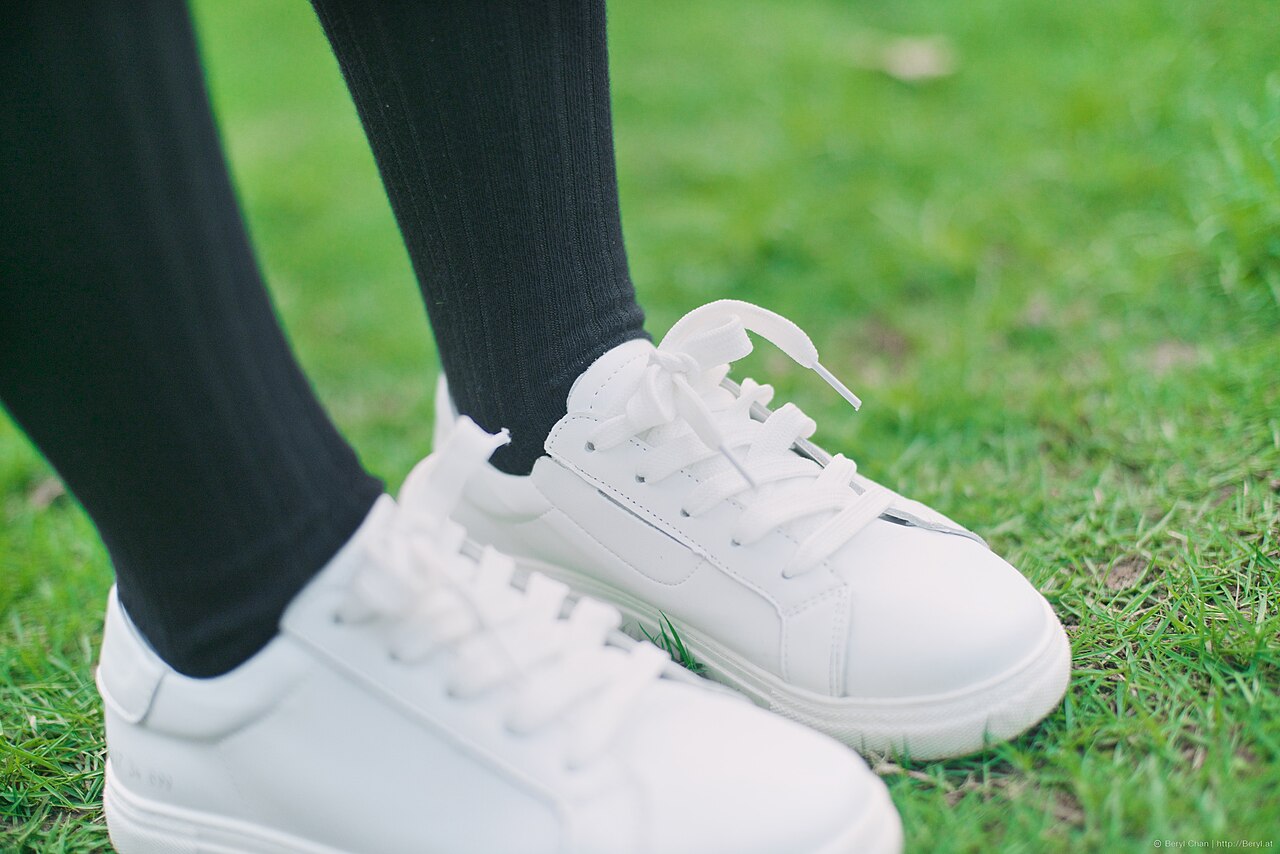
Three pairs, chosen well, will out-perform eight pairs chosen randomly. The first is the clean low-profile leather sneaker in bone or cream — the one that works with tailoring, with a slip dress, with straight-leg denim. Keep it simple: minimal branding, a thin sole, no visible cushioning technology. This is the pair that has to look intentional in a restaurant and invisible on a commute.
The second is a mid-tone in taupe, sand, or warm grey, ideally with a slightly chunkier sole for walking. This is the pair that handles errands, travel days, and anything above four kilometers. Because the color sits close to pavement and skin, scuffs are less visible, and you will not baby it. If you only buy one pair for a trip where you are packing light, this is the one.
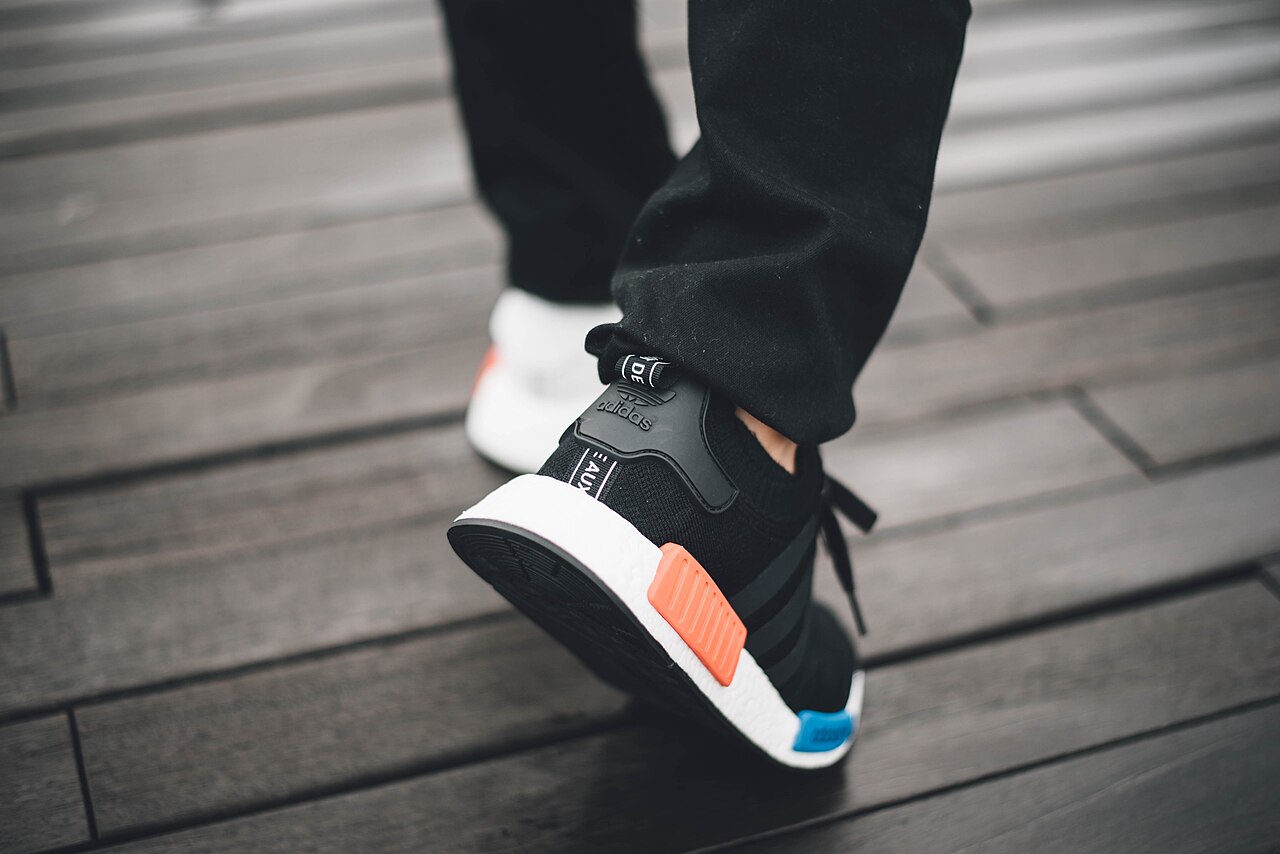
The third is dark — faded black, charcoal, or espresso. It replaces the black boot in spring and the black flat in summer, and it handles the outfits where a cream sneaker would look too precious: leather trousers, a dark denim midi, a monochrome column of navy. Textured leather in a dark neutral is more forgiving than smooth, because grain hides creasing that smooth leather advertises.
A word on sole thickness, since it changes how each pair reads. A slim cupsole keeps a light sneaker looking dressy enough for skirts and tailoring, while a thicker sole pushes the same color toward weekend wear. If your wardrobe leans toward trousers and midi lengths, keep at least two of the three pairs on the thinner side; the chunkier option belongs in the walking slot where comfort is the point and the silhouette is deliberately relaxed.
What this rotation deliberately excludes is the fourth, fifth, and sixth pair. Most closets do not need a metallic sneaker, a platform sneaker, and a pastel sneaker simultaneously; they need one of those, at most, and only if it answers a specific outfit problem. If you already own black leather sneakers for women, you likely have the dark slot filled and should spend the next purchase on the light and mid-tone gaps instead.
Styling rules that actually work
Hemlines are the whole game. A light sneaker with a midi skirt works when the hem hits at the narrowest part of the calf or just below the knee; it looks clumsy when the hem cuts across the widest point and the shoe adds visual width at the ankle. With wide-leg trousers, the shoe needs to be low-profile enough that the hem grazes the top of it rather than swallowing it. If the trouser pools over the shoe entirely, no sneaker will read as deliberate.
Denim is the second variable. Raw indigo bleeds onto pale leather at the heel and along the inner ankle, and once the dye binds to a cream upper it is very hard to lift. Either cuff the hem above the collar for the first few wears, or accept the transfer as part of the patina. Washed denim is safer. Black denim is safest of all, though it can transfer in the other direction.
Socks change the register of the whole outfit. A no-show sock with a cropped trouser keeps things clean and slightly European. A ribbed crew sock in a matching neutral moves the look toward collegiate and solves the cold-ankle problem in autumn. Contrast socks — navy under a cream shoe, or a fine stripe — are the fastest way to make a simple outfit look considered rather than accidental.
Then there is proportion at the top. Because neutral sneakers lower the formality of everything they touch, they pair best with pieces that already sit slightly casual: an oversized blazer, a heavyweight tee, a barn jacket. Wearing them with a structured pencil skirt and a silk blouse can work, but it requires the skirt to be short enough or the shoe to be sleek enough that the contrast looks like a choice rather than a compromise. When in doubt, add one casual element and remove one formal one.
Keeping them clean without ruining the finish
Pale sneakers need a routine, not a rescue. Wipe the upper with a barely damp microfiber cloth after a dirty wear, before the soil dries into the grain. A soft brush with a drop of mild soap handles the midsole and the area around the eyelets, which collects grime from laces faster than anywhere else. Avoid household cleaners, bleach, and anything with alcohol; they strip the finish and leave a chalky patch that shows more than the original mark.
Yellowing is the specific heartbreak of light sneakers, and it comes from two sources. The first is oxidation of rubber and foam under UV light, which no cleaning will reverse — prevention means storing them out of direct sun and not leaving them on a windowsill to dry. The second is detergent residue left in the upper, which yellows as it dries. Rinse thoroughly, blot with a towel, and dry at room temperature with the laces out and the tongue pulled forward so air moves through.
Never put leather sneakers in a washing machine. Canvas can survive it on a cold, gentle cycle in a mesh bag, but the heat and agitation will distort the sole bond over time, and a warped pair fits badly forever after. For odor, cedar shoe trees do more than any spray: they absorb moisture overnight and hold the shape of the toe box, which prevents the deep creasing that makes a neutral pair look old before its time.
Storage matters more than people expect. Rotate pairs, give each one a full day to dry between wears, and keep them off the floor of a damp closet. A simple dust bag for the lightest pair is not excessive — it is the difference between a shoe that still looks new in year three and one that has taken on the color of everything it touched.
What to skip, and when to break the rule
Skip the all-white sneaker if you live somewhere with real weather. It photographs beautifully and looks tired by week six, and the constant cleaning becomes a chore you resent. An off-white or bone pair reads nearly as clean in person and forgives far more. Skip the trend-led chunky sole in a pale color too: the shape dates quickly and the dirt collects in every groove of the tooling.
Skip anything described as “vegan leather” without a materials breakdown, particularly in a light shade. Some modern plant-based uppers are genuinely good; many are polyurethane with a marketing budget, and they crack at the flex point within a season. Ask what the upper is made of in specific terms. If the answer is vague, the shoe probably is too.
Skip buying two pairs in the same shade because they were on sale. The second pair will sit unworn while the first does all the work, and you will have spent the money you needed for the mid-tone that would have actually expanded your options. Women’s neutral sneakers are a category where one good pair beats three mediocre ones, every time.
And then break the rule once, deliberately. A single pair in a color you love — olive, burgundy, a deep forest green — earns its place if it answers a specific need and you accept that it will be worn less often. The point of building a neutral base is not to outlaw color. It is to make sure the shoes you wear forty times a season are the ones that make the other forty outfits easier, so that the occasional loud pair gets to be a pleasure instead of a problem.
Start with the pair you would wear tomorrow if everything else in the closet disappeared. That answer is almost always a light neutral low-top, and it is almost always the pair that ends up by the door.
