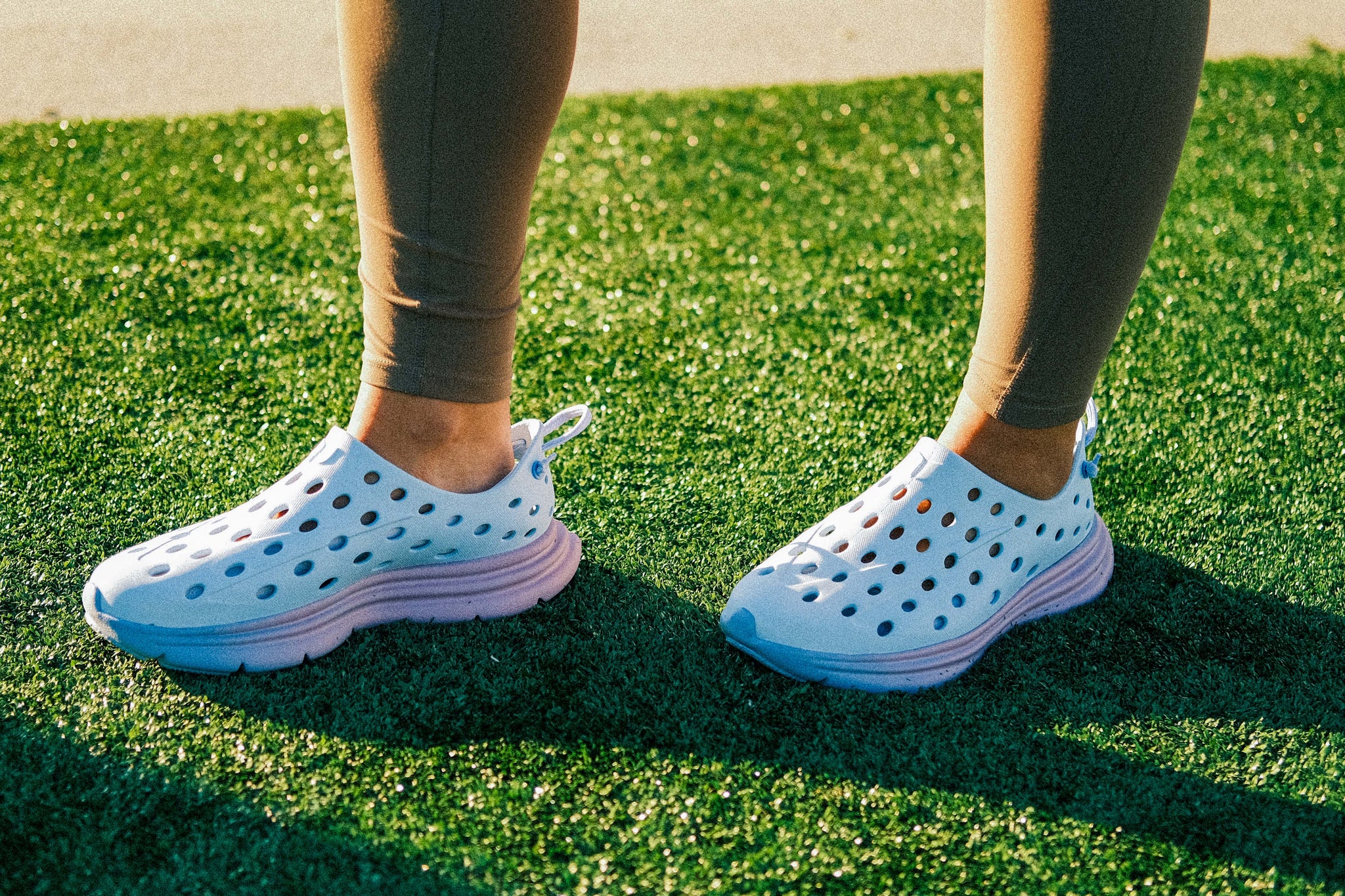
Step into Style: The Ultimate Guide to Toe Walker Shoes for Effortless Chic
Fashion is a dialogue between form and function, a pursuit where aesthetic desire often meets the immutable realities of human biomechanics. For a significant community, this dialogue centers on a specific, often misunderstood footwear category: toe walker shoes. This isn’t merely about a trend; it’s about redefining elegance from the ground up, merging orthopedic necessity with runway-ready sophistication. The journey from clinical necessity to a cornerstone of personal style is a testament to innovation in design. This guide is dedicated to unraveling that journey, proving that the pinnacle of chic isn’t found in sacrificing comfort, but in embracing footwear engineered for your unique stride. We will navigate the science, the style, and the substance behind shoes that support, flatter, and empower, transforming a functional requirement into your most powerful style statement.
The Biomechanics of Grace: Understanding the “Toe Walker” Gait
To appreciate the design genius behind specialized footwear, one must first understand the physiology it serves. Toe walking, or equinus gait, is a pattern where an individual walks on the balls of their feet with minimal or no contact between the heels and the ground. While common in toddlers learning to walk, its persistence can stem from various factors. According to literature from institutions like the Johns Hopkins School of Medicine, causes can range from idiopathic (habitual) to neurological conditions such as cerebral palsy, or physical shortenings of the Achilles tendon. This gait pattern places extraordinary stress on the metatarsal bones, the plantar fascia, and the calf muscles. Standard footwear, with its rigid, flat structure and heel-centric support, fails these individuals, often leading to pain, instability, and accelerated wear on the shoe’s forefoot. A toe walker shoe, therefore, is not a stylistic whim but a biomechanical imperative. It is engineered with specific features: a rocker sole to facilitate a smoother roll-through gait, enhanced forefoot cushioning to absorb impact, and often a slight heel elevation to gently stretch the calf tendon complex. As Dr. Jane Andersen, a past president of the American Association for Women Podiatrists, has noted in professional forums, “Appropriate footwear can serve as a functional orthotic, guiding the foot into a more sustainable and less painful position during ambulation.” This scientific foundation is the bedrock upon which style is built.
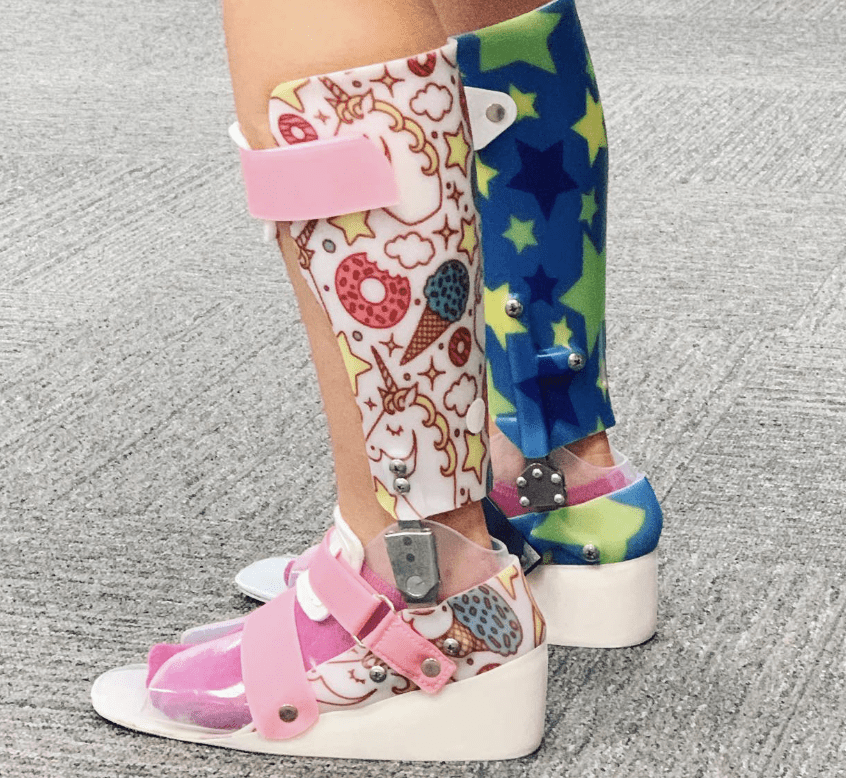
Deconstructing Design: The Pillars of a Perfect Toe Walker Shoe
Moving from theory to tangible design, what separates a truly effective shoe from a merely comfortable one? The architecture of a toe walker shoe rests on three non-negotiable pillars, each addressing a specific challenge posed by the gait. First, the Rocker Sole. This is the most critical innovation. Unlike a flat sole that forces a jarring pivot at the ball of the foot, a rocker sole features a curved geometry. This design, backed by studies from the Spaulding National Running Center at Harvard Medical School, reduces the required ankle dorsiflexion and propels the foot forward with less effort and joint stress. It mimics a rolling motion, making each step fluid and efficient. Second, Strategic Cushioning and Support. The forefoot area requires advanced shock-absorbing materials, such as proprietary foams or gel inserts, to dissipate the concentrated force of toe-strike. Simultaneously, the heel counter—the back part of the shoe—must be firm and snug to provide stability, even if the heel doesn’t bear full weight, preventing lateral slippage that can cause ankle rolls. Third, Adaptable Fit and Upper Construction. The shoe’s upper must accommodate potential orthotic devices or custom insoles without crowding the toes. Brands like Billy Footwear or Kizik have pioneered designs with wide toe boxes and innovative closure systems (like zip-open uppers or hands-free entry) that cater to varying foot volumes and needs for ease. As a user on Quora, a biomechanics engineer, succinctly put it: “The goal is to offload pressure, guide motion, and accommodate intervention—all while looking like you’re wearing a shoe, not a medical device.”
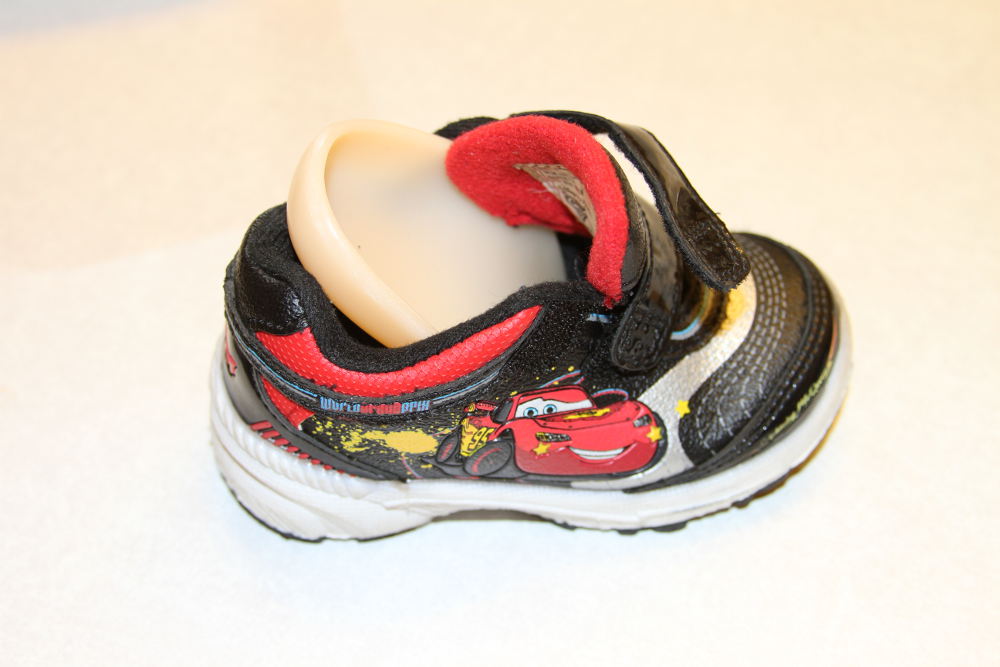
From Clinic to Catwalk: The Evolution of Aesthetic
The historical perception of therapeutic footwear was, frankly, bleak—often limited to bulky, beige, and blatantly orthopedic styles. The revolution began when designers and podiatrists started collaborating, recognizing that psychological well-being and confidence are integral to physical health. Today, the market for toe walker shoes has exploded with options that rival mainstream fashion. You can find sleek ankle boots with hidden rocker soles, elegant leather loafers with discreet forefoot padding, and even stylish sneakers that incorporate all the necessary technology without a hint of clinical aesthetic. This shift is powerfully evidenced by brands like Cole Haan, which infuses Grand.ØS technology (a nod to rocker soles) into its dress shoes, or Vionic, which builds orthotic support into trend-driven sandals. The message is clear: you do not have to choose between looking good and feeling good. This democratization of design is a form of fashion empowerment. It echoes the sentiment of style icon Diana Vreeland: “The eye has to travel.” Now, it can travel from a pain-free stride to a beautifully shod foot without interruption. The modern iteration of these shoes is a silent declaration that personal needs are not a limitation but a unique point of style inspiration.
Curating Your Wardrobe: A Style-Conscious Selection Guide
Knowing the “why” and “what” leads us to the practical “how.” How do you integrate these specialized shoes into a chic, cohesive wardrobe? The key is to treat them as the foundation of your style architecture. Begin by identifying your style pillars: are you minimalist, classic, bohemian, or avant-garde? Once defined, seek out toe walker shoes that align with those silhouettes and materials. For the minimalist, a pristine white leather sneaker with a hidden rocker sole from a brand like ECCO becomes a versatile staple. For classic style, a Chelsea boot with elastic gussets and a supportive footbed offers timeless polish. Consider color: neutral tones (black, taupe, navy) offer maximum versatility, but don’t shy away from a metallic or a rich burgundy to act as a statement piece. The integration is about synergy. Pair a streamlined, supportive loafer with wide-leg trousers for an androgynous, powerful look. Match a stylishly cushioned ballet flat with a midi skirt for effortless femininity. The philosophy is akin to the approach championed by stylists on platforms like YouTube, such as Allison Bornstein’s “three-word method”—let your footwear be one of the words (e.g., “Tailored, Effortless, Supported”). Your shoes are the base; build outfits that celebrate, not conceal, their intelligent design.

Investing in Your Stride: Value Beyond the Price Tag
Let’s address the practical matter of investment. High-quality, biomechanically sound footwear often carries a higher initial price point than fast-fashion alternatives. However, this is a paradigm where cost-per-wear and long-term value are the true metrics. A well-constructed toe walker shoe from a reputable brand uses durable materials, advanced engineering, and ethical manufacturing processes. It’s an investment in preventing future medical expenses related to joint pain, stress fractures, or posture issues. To make this investment accessible, be strategic. Subscribe to newsletters from brands like OrthoFeet, Dansko, or Naot for direct notifications on sales. Utilize price-tracking tools on major retail sites. Consider outlet stores or end-of-season sales for classic styles that transcend trends. Remember, purchasing one perfect pair that you wear three times a week is a wiser investment than three cheap pairs that cause discomfort and need replacing in a season. As the adage, often cited in financial and lifestyle literature, goes: “We are too poor to buy cheap things.” In this context, “cheap” refers to cost in terms of both money and long-term well-being. Your feet are your foundation; skimping here compromises the entire structure of your daily comfort and style.
The narrative around footwear is shifting irrevocably. No longer is there a chasm between what is medically advisable and what is aesthetically desirable. The modern toe walker shoe stands at this intersection, a symbol of how design intelligence can liberate personal expression. It proves that the most effortless chic is born from authenticity—from wearing what honors your body’s narrative without compromising your style vision. This isn’t about finding shoes that disguise a need; it’s about celebrating shoes so ingeniously designed that they become the envy of any discerning fashion mind. Your journey towards pain-free, confident strides begins with a single, deliberate step into the right pair. Embrace the technology, celebrate the design, and step into a world where your style is defined not by limitations, but by informed, elegant choices.