

The Ultimate Guide to Tennis Shoes for Walking
Let’s dispel a common myth right at the outset: not all athletic shoes are created equal for every activity. The idea that you can grab any pair of sneakers for a long walk is a shortcut to discomfort and potential injury. This guide is dedicated to exploring why a specific category of footwear—tennis shoes for walking—deserves your serious consideration. We will move beyond marketing buzzwords and delve into the biomechanical science, design philosophy, and real-world performance that separates a good walking shoe from the rest. By the end, you’ll possess a clear framework for selecting footwear that supports your stride, protects your joints, and transforms walking from a simple commute into a sustainable, enjoyable pillar of your health.
The Biomechanical Divide: Why Walking Demands Specificity
To understand the value of dedicated walking shoes, we must first examine the fundamental mechanics of walking versus other sports. Dr. Casey Kerrigan, a former Harvard Medical School professor and founder of a biomechanics research company, has extensively studied gait cycles. Her research indicates that the walking gait involves a heel-strike, followed by a smooth roll through the midfoot to a push-off from the forefoot. This motion requires stability through this rolling motion and flexibility at the forefoot for propulsion. In contrast, running involves a flight phase—where both feet are off the ground—and impacts are significantly higher, demanding more cushioning and energy-return technologies. Tennis, basketball, or cross-training involve multi-directional, lateral movements, requiring shoes with stiff, supportive uppers and outsoles designed for grip during sudden stops and pivots. Wearing a running shoe for walking can often mean too much, overly soft cushioning that destabilizes the gentle heel-to-toe roll. A cross-trainer might provide lateral support you simply don’t need for straightforward walking, while sacrificing the forward-flexibility crucial for a comfortable stride. Therefore, seeking out tennis shoes for walking—or more accurately, shoes engineered for the walking gait—is not a matter of semantics but of physiological alignment. The right shoe acts as a symbiotic extension of your foot, working with your body’s natural mechanics rather than against them.
:max_bytes(150000):strip_icc()/Web_1500-vwt-primary-best-overall-shoe-tstaples-118-671f4e0048e64d14a1c42e4f8d9e6658.jpg)
Deconstructing the Ideal Walking Shoe: Key Components Explained
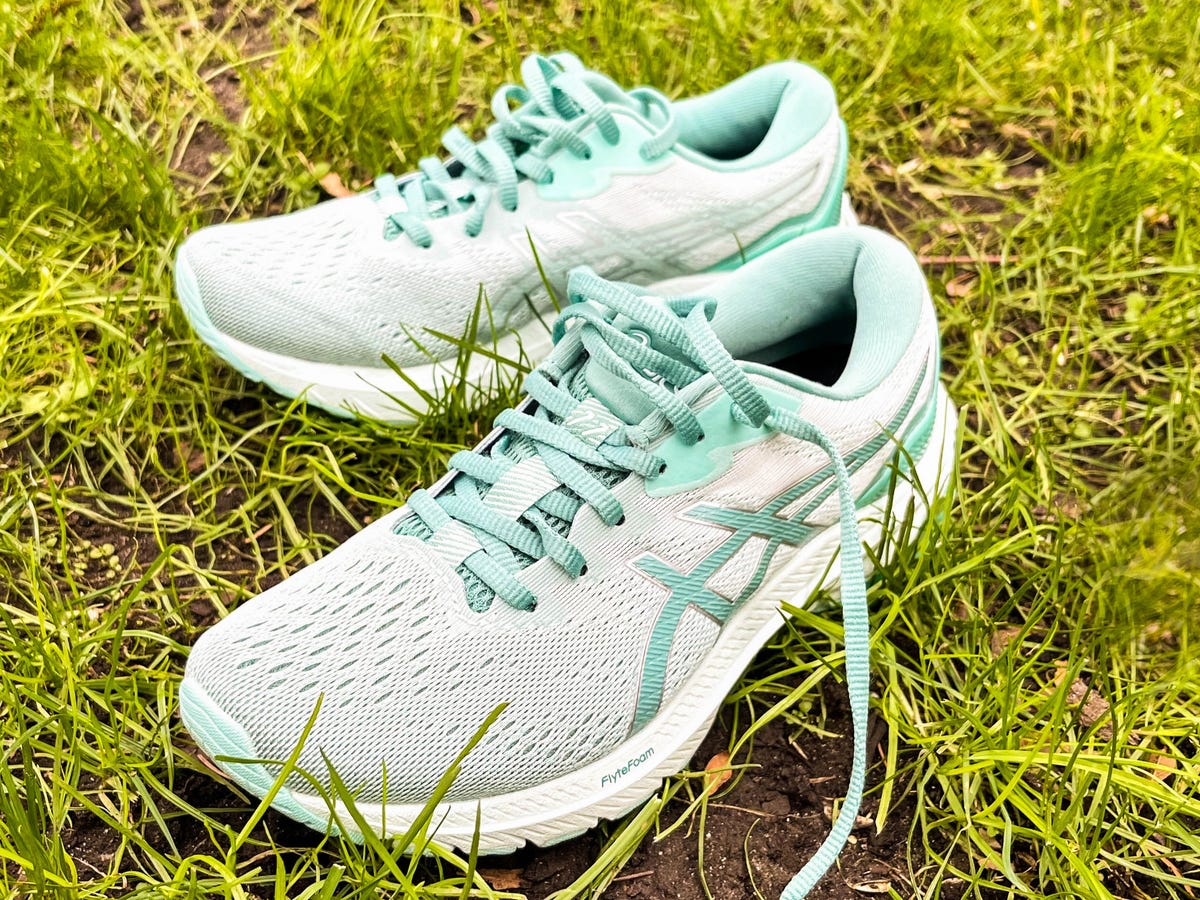
When evaluating tennis shoes for walking, several non-negotiable components come into play. Let’s break down the anatomy of the perfect walking companion. First, the Heel Counter: this is the firm cup built into the back of the shoe that cradles your heel. A study from the University of Virginia’s Motion Analysis and Motor Performance Laboratory emphasizes its role in controlling rearfoot motion, preventing excessive inward or outward roll (overpronation or supination) that can lead to chain-reaction issues in ankles, knees, and hips. Second, the Midsole: this is the heart of cushioning and support. Materials like EVA (ethylene-vinyl acetate) foam or advanced compounds like Brooks’ DNA LOFT or ASICS’ FlyteFoam provide a balance of softness for impact absorption and resilience for durability. Unlike the ultra-soft midsoles in some maximalist running shoes, a walking shoe’s midsole should offer stable, consistent compression. Third, the Rocker Sole: a design feature often highlighted by podiatrists. As noted on resource sites like Verywell Fit, a slight upward curve in the forefoot (the toe spring) facilitates the natural heel-to-toe transition, reducing strain on the Achilles tendon and calf muscles. Fourth, the Upper: breathable mesh materials are paramount to prevent overheating and moisture buildup. A seamless or minimally sewn interior reduces the risk of blisters and hot spots during repetitive strides over miles.
Foot Type and Gait Analysis: The Personal Fit Imperative
Science can tell us about general principles, but your individual physiology is the final arbiter. The concept of “foot type”—neutral, flat (overpronated), or high-arched (supinated)—is central to a proper fit. Authoritative sources like the American Podiatric Medical Association (APMA) recommend gait analysis, often available at specialty running and walking stores, to observe how your foot moves during walking. A neutral foot will find comfort in a wide range of shoes with moderate support. A flat foot that overpronates, however, will benefit from tennis shoes for walking that feature “motion control” or “stability” elements, such as a denser medial (inner-side) post within the midsole to gently guide the foot and prevent excessive inward collapse. For the high-arched supinator, the priority is cushioning and flexibility, as their foot is less effective at naturally absorbing shock; they may need shoes with a curved last (the shape the shoe is built on) to encourage natural motion. Ignoring this personalization is like taking medicine prescribed for someone else; it might work, but the odds are against it. Investing time in understanding your gait is the single most effective step you can take before investing money in footwear.
Beyond the Shoe: The Holistic Walking Ecosystem
While the shoe is the cornerstone, optimizing your walking experience involves considering the broader ecosystem. Sock technology, for instance, has evolved dramatically. Merino wool or synthetic blends with moisture-wicking properties prevent blisters far more effectively than cotton, which retains sweat and increases friction. The surface you walk on also matters. Paved asphalt is unforgiving compared to a groomed trail or a rubberized track; shoes with slightly deeper lugs and more protective plates in the midsole may be preferable for mixed-terrain walkers. Furthermore, consider the wisdom of renowned fitness author and walking advocate, Mark Fenton: “Walking is the most accessible form of exercise, but its accessibility shouldn’t be mistaken for simplicity. Proper preparation, including footwear, turns a daily chore into a powerful health intervention.” This holistic view—shoe, sock, surface, and strategy—ensures that your chosen tennis shoes for walking perform within an environment designed for success, maximizing comfort and minimizing wear on both your body and your gear.
Debunking Myths and Embracing Long-Term Value
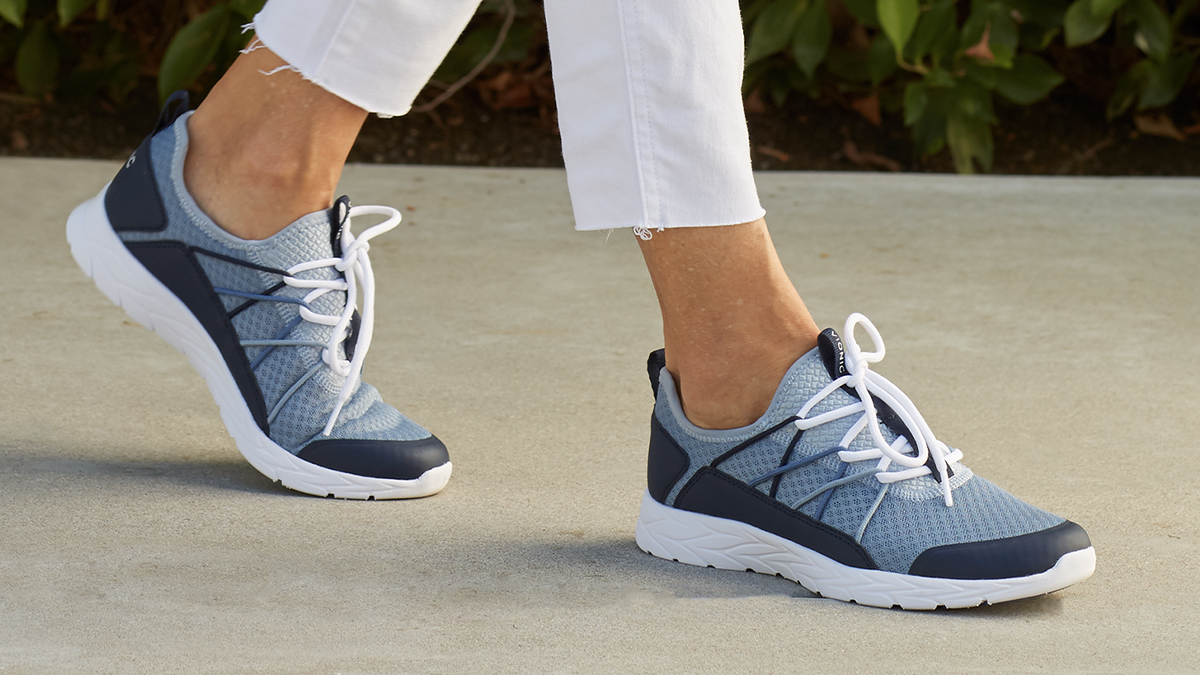
A pervasive myth suggests that expensive, feature-laden shoes are always superior. However, value in footwear is defined by fit and function, not price tag alone. A basic model from a reputable brand that perfectly matches your foot type and gait will outperform the most expensive, technologically advanced shoe that doesn’t. Another common misconception is that shoes last until they visibly fall apart. Biomechanics literature suggests the cushioning and support materials in midsoles break down long before the upper shows significant wear—typically after 300-500 miles of walking. Continuing to use degraded shoes transfers more impact stress to your joints. This is where understanding discounted prices and sales cycles becomes practical knowledge. Many high-quality models from the previous season offer identical core technology to the latest versions at a fraction of the cost. Subscribing to newsletters from major athletic retailers or checking certified outlet sites can provide access to premium tennis shoes for walking at accessible price points, making it economical to replace them on a proper schedule. This proactive approach is an investment in long-term musculoskeletal health, potentially saving thousands in future medical costs related to joint pain or injury.

The journey to finding the perfect walking shoe is a personal exploration grounded in universal science. It begins with respecting the unique biomechanics of walking, demands an understanding of your own body’s architecture, and is fulfilled by selecting footwear engineered to complement both. This isn’t about acquiring another piece of gear; it’s about enabling a fundamental human movement with grace, efficiency, and durability. When your shoes disappear beneath you—becoming a seamless, supportive part of your stride—you’ve found more than just a pair of tennis shoes for walking. You’ve discovered a tool that unlocks the full, sustainable potential of walking as a lifelong practice of wellness and vitality.
