

Your Ultimate Guide to Stylish and Comfortable Everyday Footwear
Let’s be honest: for years, the world of comfortable shoes felt like a compromise. On one side, you had the sleek, fashionable options that left your feet aching by midday. On the other, the supremely comfortable shoes that, while functional, often lacked any aesthetic appeal. This false choice is over. Today, the perfect pair of everyday shoes exists at the intersection of biomechanical engineering, material science, and thoughtful design. This guide isn’t about fleeting trends; it’s about building a foundation for your daily life. The right footwear can transform your commute, your workday, your weekend errands from a chore into a pleasure. We’re moving beyond mere “comfort” to a state of supported, effortless movement. And at the heart of this revolution is a single, crucial piece of gear: the walking shoe. This term has evolved from describing a specific athletic category to embodying a philosophy for daily wear—prioritizing foot health without sacrificing personal style.
The Anatomy of Support: Why Your Feet Deserve Engineering
To understand what makes a great everyday shoe, we must first appreciate the marvel of human biomechanics. Your foot is a complex structure of 26 bones, 33 joints, and over 100 muscles, tendons, and ligaments. With every step, it acts as a shock absorber, a stabilizer, and a propulsion system. A poorly designed shoe disrupts this natural mechanics. Dr. Casey Kerrigan, a former Harvard Medical School professor and renowned researcher in gait analysis, has published studies suggesting that conventional fashion shoes, including many athletic styles, can increase joint torques in the hip and knee, potentially contributing to long-term wear and tear. The ideal walking shoe, therefore, is not just soft; it’s intelligently supportive. It features a heel counter—the firm cup at the back—to stabilize the rearfoot, a well-contoured arch support to maintain the foot’s natural alignment, and a flexible forefoot to allow for the natural “toe-off” phase of your gait. Cushioning is not a uniform layer of foam but a strategic system: often firmer in the arch for support and softer in the heel for impact absorption. When you slip on a shoe that respects this anatomy, you’re not just avoiding pain; you’re investing in the longevity of your entire musculoskeletal system.
Material Matters: From Mesh to Sustainable Leathers
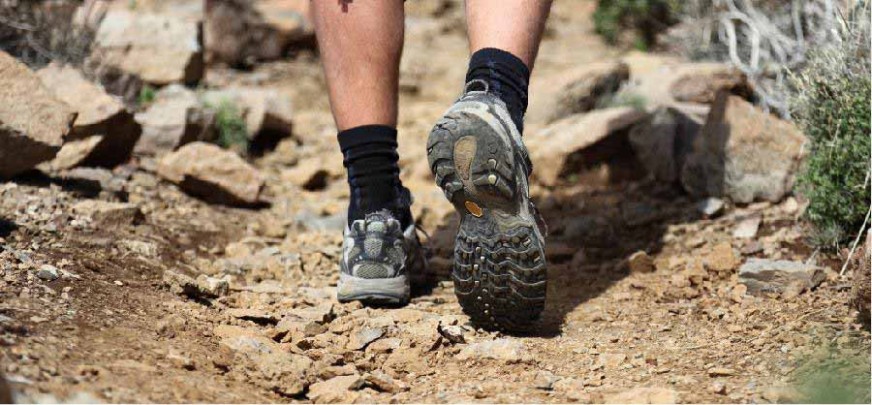
The shell of your shoe is as critical as its skeleton. Breathability, durability, and adaptability are key. Modern performance mesh, often used in technical walking shoe models, provides exceptional airflow, preventing moisture buildup and keeping feet cool—a principle well-documented in textile science for managing microclimates. For a more polished look, the industry has seen a surge in engineered knits and sustainable leather alternatives. Brands are utilizing materials like recycled polyester uppers and linings, and plant-based leathers derived from mushrooms (mycelium) or pineapple leaves (Piñatex). As noted in publications from the Massachusetts Institute of Technology’s Materials Research Laboratory, these innovations aren’t just eco-friendly; they often offer superior consistency and specific performance traits compared to traditional materials. The insole and midsole are where magic happens. Memory foam conforms to your unique footprint, while advanced polymers like EVA (Ethylene-Vinyl Acetate) and PU (Polyurethane) provide lasting resilience. The latest breakthrough is in supercritical foaming, a process used to create ultra-light, energy-returning midsoles (like Adidas’s Boost or Nike’s React foam) that provide a responsive, “springy” feel with every step, reducing fatigue over long periods of standing or walking.
Style is Not the Enemy: The Rise of the Hybrid Aesthetic
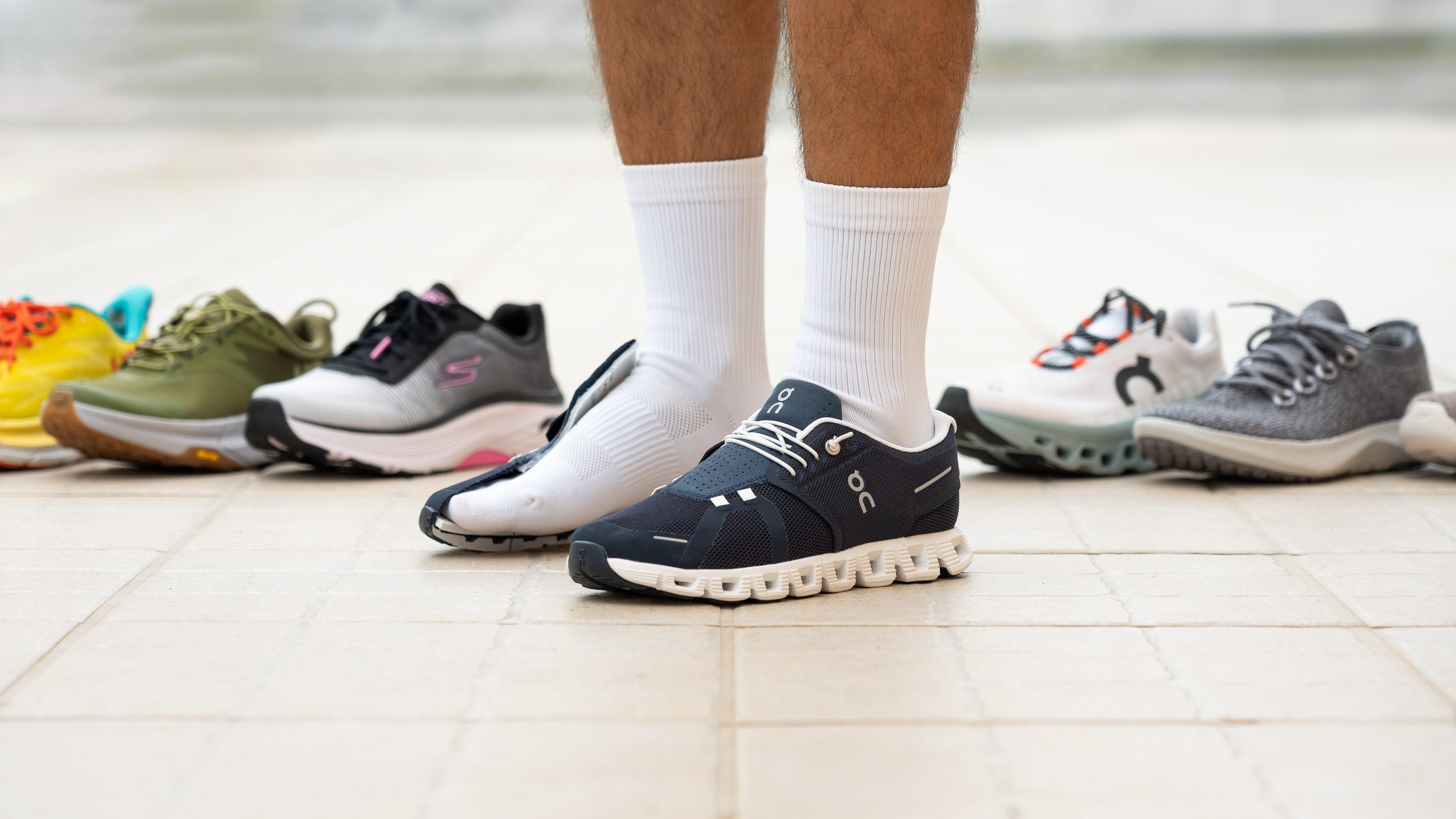
Gone are the days when “comfortable” meant “clunky.” Designers have successfully blurred the lines. You can now find the core support systems of a premium walking shoe hidden within silhouettes that range from minimalist sneakers and sleek trainers to modern loafers and even elegant flats. This shift is a response to a cultural movement towards “health-conscious aesthetics,” a term frequently explored in design think-pieces from platforms like Dezeen or Fast Company. The demand is for versatility—a shoe that can transition from a morning school run to a client meeting without a change. Consider the classic white sneaker: brands like Koio, Cariuma, and even traditional athletic companies have engineered versions with arch support and premium footbeds, making them legitimate all-day wear. The chunky “dad shoe” trend, ironically, brought maximal cushioning into the fashion spotlight. The lesson is clear: you do not need to sacrifice your personal style for comfort. The market now offers curated options that allow your footwear to express your identity while actively caring for your body.
The Expert’s Eye: What Podiatrists and Fitters Really Look For
While online guides are helpful, there’s irreplaceable value in professional insight. I spoke with a certified pedorthist (a specialist in foot mechanics and footwear) who emphasized that the “best” shoe is highly individual. “It’s not about the brand on the box,” they said, “it’s about how the shoe’s last—the mold it’s built on—matches the shape of your foot.” They prioritize three fittings: length (a thumb’s width of space from your longest toe to the end of the shoe), width (no pinching at the ball of the foot), and heel security (minimal slippage). Celebrity trainer Harley Pasternak, in his YouTube content, often stresses the importance of footwear for overall activity levels, noting that uncomfortable shoes are a major barrier to incidental walking. Furthermore, resources from authoritative institutions like the University of Pittsburgh Medical Center (UPMC) advise on shoe features for specific concerns: rigid soles for arthritis, extra-depth designs for diabetes, and rocker soles to offload pressure from the forefoot. This professional consensus underscores that a truly effective walking shoe is a tool, chosen with intention for your unique physiology.
Investment and Longevity: Decoding Value Beyond the Price Tag
An exceptional everyday shoe is an investment in your well-being, but smart shopping is key. The initial price often reflects the quality of components, the complexity of construction (like seamless uppers that prevent blisters), and ethical manufacturing practices. However, value can be found. Direct-to-consumer brands like Allbirds and Rothy’s disrupted the market by offering high-quality materials and comfortable designs at accessible price points by cutting out traditional retail markups. The key is to look for cost-per-wear. A $150 pair of shoes worn 300 days a year costs 50 cents per day—a negligible amount for all-day support. To maximize this value, care for your shoes. Rotate between two pairs to allow the midsole foam to fully decompress between wears, extending its life. Use a gentle brush for uppers and avoid machine washing, which can break down adhesives. Most importantly, know when to retire them. The cushioning and support degrade long before the upper looks worn out. A common rule, cited by sources like Verywell Fit, is to replace shoes every 300-500 miles. For the average person walking 3 miles a day, that’s roughly every 4 to 6 months. Listen to your body; new aches in your knees, hips, or back can be the first sign your trusted walking shoe has finished its duty.
:max_bytes(150000):strip_icc()/when-should-i-replace-my-walking-shoes-3436325-0801-7a1840d83573471092e0380f9e230ecc.jpg)
Your Personal Footwear Philosophy: Building a Conscious Rotation
Ultimately, the goal is to develop a mindful approach to what you put on your feet. Think of it as building a capsule wardrobe for your foundation. You might have a primary, ultra-supportive pair for long days on concrete, a stylish yet cushioned option for social occasions, and a weather-resistant pair for errands. This rotation not only prolongs the life of each shoe but also slightly varies the stresses on your feet and legs, which some experts suggest can be beneficial. Author and design critic Roman Mars, in his podcast 99% Invisible, has explored how overlooked design—like that of a humble shoe—profoundly impacts daily life. Your choice in footwear is a quiet but powerful form of self-care. It’s a decision to prioritize long-term health over short-term fashion suffering, to choose engineered support over mere ornamentation.
The search for the perfect everyday shoe ends not with a single purchase, but with a new awareness. It’s the understanding that your feet are the base of your physical pyramid, and supporting them radiates benefits upward. By choosing footwear that blends proven biomechanical principles with intentional design, you reclaim comfort as a non-negotiable standard, not a luxury. You step into your day with confidence, knowing that every part of you—from your soles to your spirit—is well-supported for whatever path you choose to walk.

