

Your Ultimate Guide to Comfort and Style for Every Outfit
Fashion and function are not mutually exclusive. The quest for the perfect ensemble often stumbles at the feet—literally. We meticulously curate tops, bottoms, and accessories, yet relegate our foundation to an afterthought, choosing shoes that pinch, slip, or fail to support. This ends now. True style is an experience, a feeling of confidence that radiates from the ground up. It’s the knowledge that you look impeccable and feel invincible, whether navigating city streets, office corridors, or weekend adventures. The cornerstone of this experience is a deceptively simple concept: the intentional selection of footwear that marries orthopedic science with aesthetic vision. This guide is your blueprint for achieving that synergy, proving that the most stylish step you can take is one supported by unparalleled comfort.
The Foundation: Why Your Feet Dictate Your Style Vibe
Consider the human foot: a biomechanical marvel comprising 26 bones, 33 joints, and over 100 muscles, tendons, and ligaments. According to research from institutions like the Harvard Medical School, the feet are our primary interface with the ground, absorbing forces up to several times our body weight with each step. When we encase this complex structure in ill-fitting or unsupportive footwear, the repercussions cascade upwards. The American Podiatric Medical Association consistently notes that poor shoe choice can lead to not just localized pain (bunions, plantar fasciitis), but also alter gait, strain knees, hips, and even affect spinal alignment. Therefore, the notion of “suffering for style” is not just a cliché; it’s a physiological misstep. Your posture, your stride, and your energy level are all broadcast to the world. A slouch induced by aching arches or a grimace from a blister undermines the most elegant outfit. Thus, the first principle of holistic style is respect for biomechanics. The right walking shoe acts as a shock absorber and stabilizer, allowing your body’s natural elegance to shine through unhindered by discomfort. It is the invisible engine of your personal presentation.
Decoding the Anatomy of the Perfect Walking Shoe
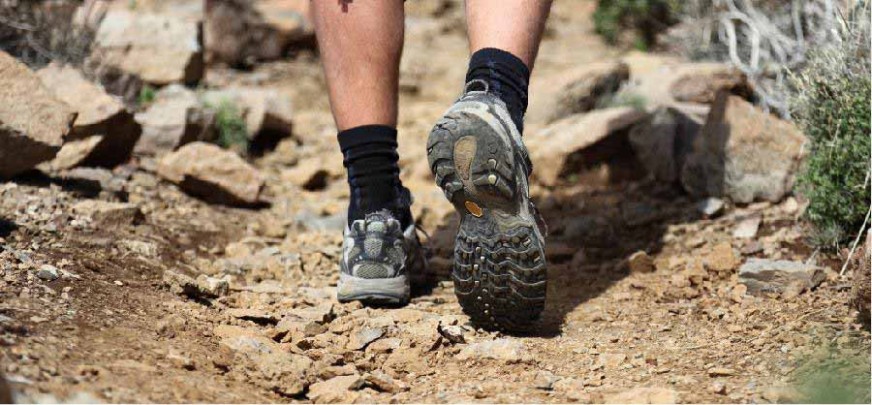
Not all shoes designed for movement are created equal. A running shoe prioritizes forward momentum and heel strike, while a dedicated walking shoe is engineered for the heel-to-toe roll of a walking gait. Let’s dissect the key components from an objective, scientific perspective. The upper, often made from engineered mesh or leather, must offer breathability and a secure, non-constricting fit. The midsole is the heart of the shoe. Materials like EVA (ethylene-vinyl acetate) foam or advanced compounds like Nike’s React or Adidas’s Boost provide cushioning and energy return. As noted in product analyses from authoritative review sites like Runner’s World and Verywell Fit, a good walking midsole should be flexible at the forefoot to facilitate the push-off phase of a step. The heel counter—the firm cup at the back—must be sturdy to control rearfoot motion and prevent excessive pronation or supination. Finally, the outsole requires a tread pattern for grip and durable rubber in high-wear areas. The rocker sole design, a feature highlighted in many podiatrist-recommended brands, is a curved sole that promotes a smooth transition from heel to toe, reducing strain on the calf and Achilles tendon. Understanding this anatomy empowers you to move beyond brand names and marketing to assess the genuine engineering merits of a walking shoe.
:max_bytes(150000):strip_icc()/vwt-asics-womens-gel-pulse-16-jinfeng-chen-21-712f0f140e834b84b3a8dcf0bf154771.jpeg)
Matching Mechanics to Morphology: Your Foot Type is Your Blueprint
The “perfect” shoe is relative to your unique foot structure. The wet foot test—observing the imprint your foot makes on a paper bag—remains a simple, effective diagnostic tool popularized by biomechanics experts. A flat imprint indicates low arches (overpronation), requiring a walking shoe with motion control and stability features. A narrow band connecting heel and forefoot suggests high arches (underpronation or supination), needing neutral, highly cushioned shoes for shock absorption. A distinct curve shows a neutral arch, offering the widest range of suitable options. Ignoring this morphology is like building a house on an unstable foundation. Renowned orthopedic surgeon Dr. Nicholas A. Campitelli, in various public statements, emphasizes that improper arch support is a leading contributor to chronic overuse injuries. This isn’t mere opinion; it’s applied physics. Your shoes must correct or accommodate your natural alignment to distribute force evenly. Investing time in this analysis is non-negotiable for long-term comfort and style sustainability.
The Style Synthesis: Integrating Performance with Aesthetics
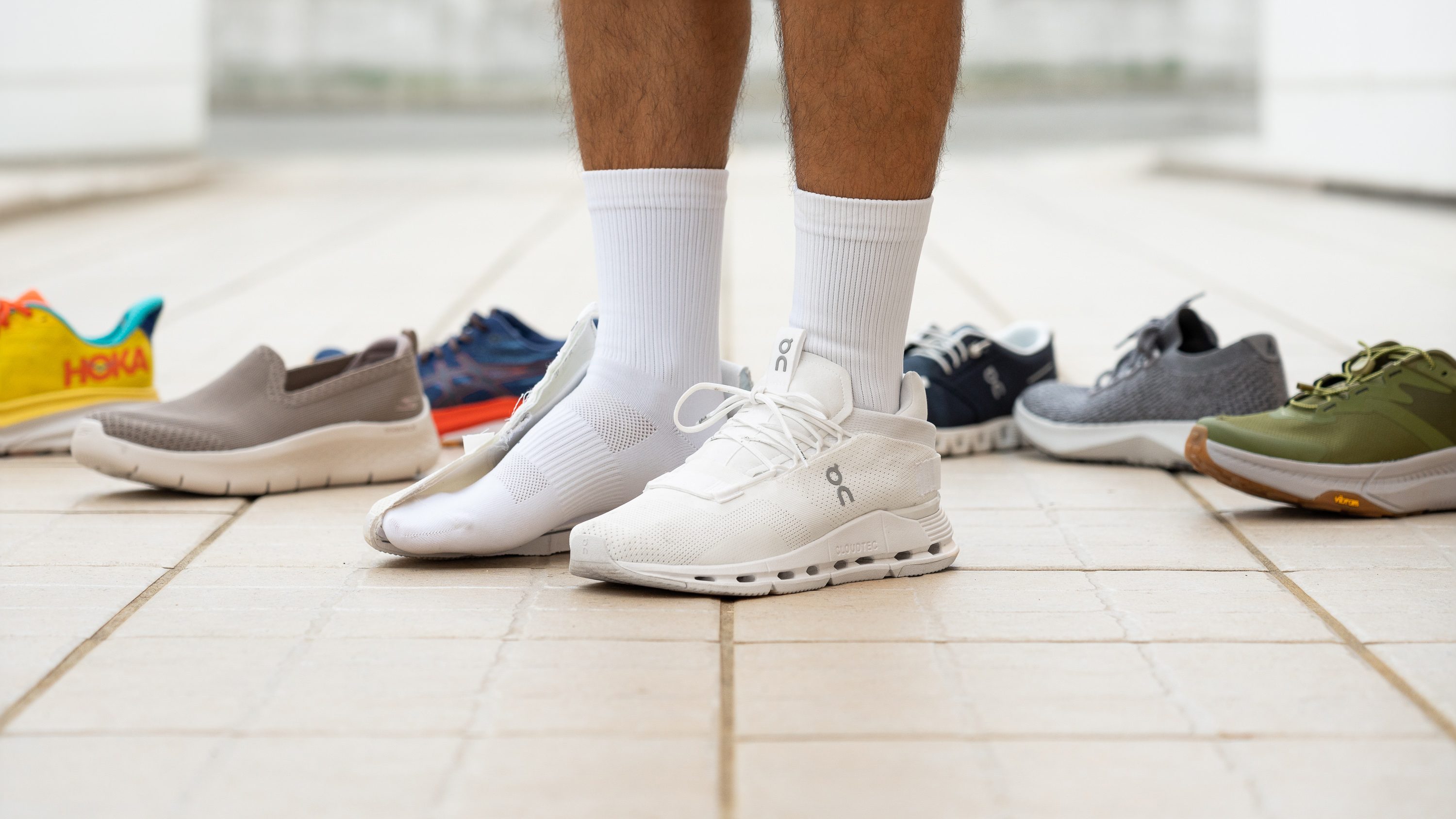
Here lies the creative challenge and ultimate triumph. The stereotype of the “comfort shoe” as a bulky, purely utilitarian eyesore is obsolete. Modern design has seamlessly integrated technical performance with contemporary aesthetics. The key is to view your walking shoe as a style element with non-negotiable functional parameters. For smart-casual or business attire, consider leather or suede walking shoes from brands like Cole Haan or Ecco, which incorporate hidden cushioning systems and flexible outsoles. For athleisure, the options are vast—sleek, monochromatic trainers from New Balance, Asics, or Hoka offer cutting-edge foam technology in minimalist colorways that pair effortlessly with tailored joggers or dresses. The fashion industry itself has validated this trend. As designer Tory Burch stated in an interview with Vogue, “Comfort is the new luxury. You can’t be confident if you’re not comfortable.” This sentiment is echoed by countless style influencers on platforms like YouTube and Instagram, who routinely feature “all-day wear” shoe reviews, proving that aesthetic appeal and foot health are now inextricably linked in the cultural conversation about fashion.
The Strategic Wardrobe: Building Outfits from the Ground Up
Adopting a foot-first philosophy revolutionizes your approach to getting dressed. Instead of forcing an outfit onto a pair of punishing shoes, start with a foundation of comfort. Select your optimal walking shoe for the day’s activities—perhaps a supportive loafer for work or a cushioned sneaker for errands. Then, build your outfit outward. This method ensures coherence and intention. A neutral-colored performance sneaker can anchor a flowing midi skirt and crisp white shirt, creating a dynamic contrast between soft and structured, casual and refined. A polished leather walking oxford provides the backbone for a well-cut pair of trousers and a blazer, communicating professionalism without sacrifice. This strategy aligns with the “capsule wardrobe” principles advocated by style experts, where versatile, high-quality foundational pieces—including shoes—intermix to create numerous looks. The shoe ceases to be an accessory and becomes the keystone, dictating the silhouette, color palette, and overall mood of your ensemble with confident ease.
Investment and Iteration: The Economics of Long-Term Comfort
Quality footwear is an investment in your physical well-being and sartorial capital. While premium materials and patented technologies command higher initial costs, their value is amortized over superior durability, performance, and timeless design. However, even the best shoes have a finite lifespan. The cushioning in the midsole compresses over time, losing its protective properties long before the upper shows visible wear. Experts from sources like the American Council on Exercise recommend replacing dedicated walking shoes every 300 to 500 miles. To make this sustainable, be a savvy consumer. Subscribe to newsletters from reputable retailers and brands for alerts on seasonal sales. Outlet stores often carry previous models with identical core technology at significant discounts. Consider the cost-per-wear: a $150 shoe worn 300 times costs 50 cents per wear, while a $50 shoe that causes pain and is abandoned after 10 wears costs $5 per wear. This objective economic perspective reframes the purchase from an expense into a strategic investment in your daily quality of life and style integrity.
:max_bytes(150000):strip_icc()/when-should-i-replace-my-walking-shoes-3436325-0801-7a1840d83573471092e0380f9e230ecc.jpg)
The journey to impeccable style is paved with informed choices. It begins with the profound understanding that comfort is not the antithesis of style, but its most critical component. By embracing the science of footwear, honoring your unique biomechanics, and strategically integrating performance-engineered shoes into your wardrobe narrative, you unlock a new dimension of personal expression. You move through the world not as a spectator enduring your clothes, but as the author of your experience, where every step is assured, every outfit is authentic, and your confidence is built on the most solid of foundations. Let your footwear be the silent, powerful testament to a style philosophy that values the body as much as the image it projects.
