

The Walking Shoe: Your Secret to Effortless Style and All-Day Comfort
Forget the notion that comfort and style are mutually exclusive. The modern walking shoe has evolved from a purely functional piece of footwear into a cornerstone of intelligent, conscious dressing. It represents a philosophy where biomechanical support meets aesthetic intention, allowing you to navigate your day with unwavering ease and quiet confidence. This isn’t about sacrificing one for the other; it’s about embracing a category of shoe engineered to enhance your physical well-being while seamlessly integrating into your personal style narrative. The right pair doesn’t just carry you from point A to point B; it fundamentally alters your posture, your energy, and your perception of the urban landscape. Let’s dismantle the old paradigms and explore how this humble hero of footwear has become the ultimate tool for cultivated, comfortable living.
The Anatomy of All-Day Comfort: More Than Just Cushioning
When we speak of comfort in a walking shoe, we are referring to a complex symphony of engineering, not a single note of softness. True all-day comfort is a scientific pursuit, rooted in understanding human gait and biomechanics. It begins with the midsole, often crafted from advanced materials like ethylene-vinyl acetate (EVA) or polyurethane (PU), which provide the essential shock absorption. As noted in podiatric literature from institutions like the University of Pittsburgh School of Medicine, effective shock attenuation is critical in reducing impact forces that travel up the kinetic chain, potentially causing fatigue in the knees, hips, and lower back. But cushioning is only the foundation. The insole or footbed must offer arch support tailored to your foot type—be it neutral, pronated, or supinated. A study cited by the American Podiatric Medical Association emphasizes that proper arch support maintains the foot’s natural alignment, preventing overuse injuries. Furthermore, the heel counter—the firm cup at the back of the shoe—must be robust to stabilize the heel, preventing excessive movement that can lead to blisters and instability. The upper material, whether breathable mesh or engineered knit, must allow for natural foot expansion while providing a secure, glove-like fit. This holistic approach to design transforms the simple act of walking from a potential source of strain into a rejuvenating, efficient motion.
Ergonomics in Motion: The Science of the Gait Cycle
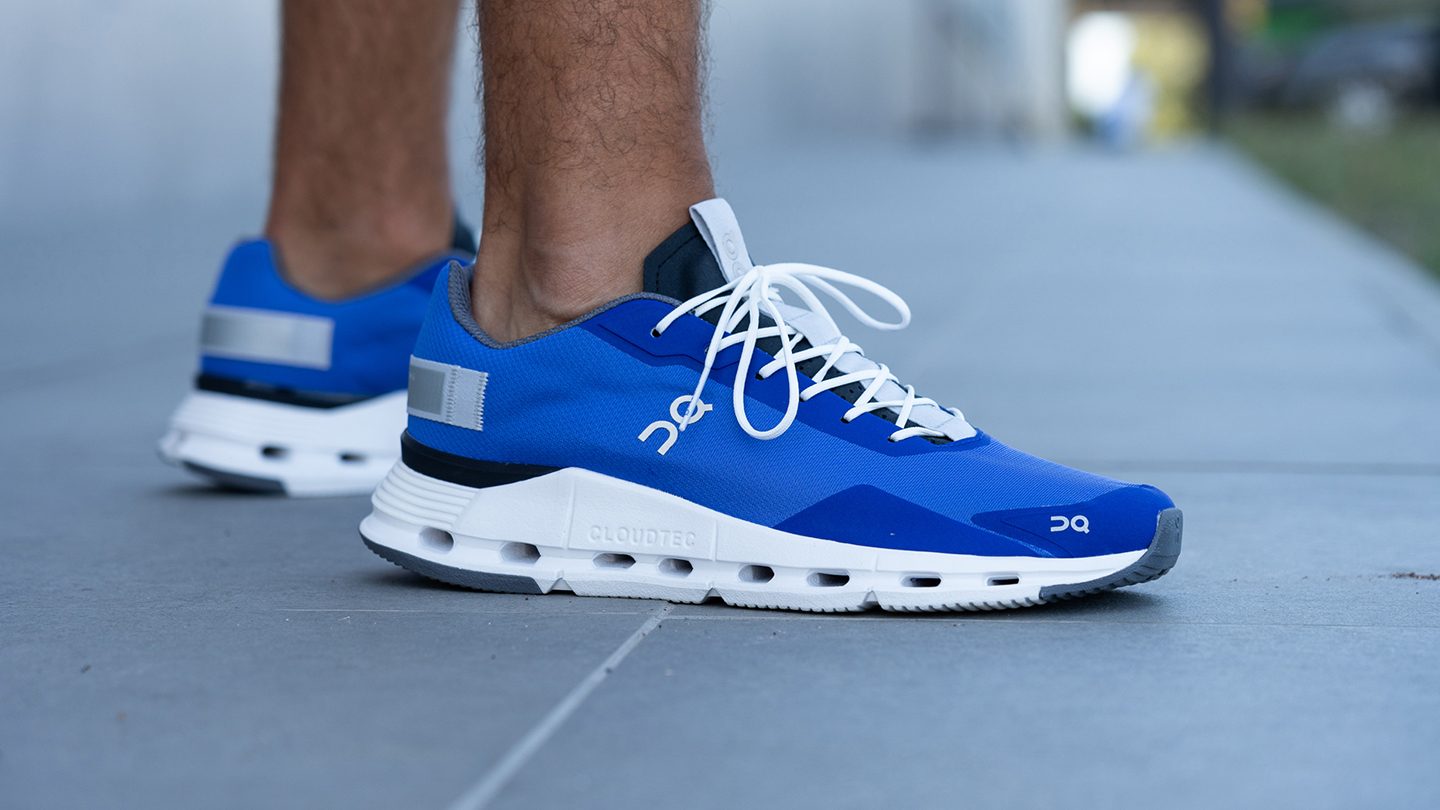
To appreciate a true walking shoe, one must understand the biomechanics it supports: the gait cycle. This cycle, comprising the stance phase (foot on ground) and swing phase (foot in air), places specific demands on footwear. During heel strike, the shoe must cushion and guide the foot into a controlled pronation—the natural inward roll that distributes force. A quality walking shoe will have a slightly beveled or rounded heel to facilitate this smooth transition. As the body moves over the foot during mid-stance, the shoe’s torsional rigidity—its resistance to twisting—provides stability, while its flexibility at the ball of the foot allows for an efficient toe-off. Brands often utilize flex grooves and strategic outsole patterning to achieve this balance. Renowned biomechanist Dr. Casey Kerrigan, whose research has been featured in publications like The Journal of the American Medical Association, has extensively studied how footwear affects joint loads. Her work suggests that shoes promoting a more natural gait can significantly reduce stress on hip and knee joints. Therefore, a well-designed walking shoe acts as a dynamic partner, working with your body’s physiology, not against it, to minimize energy expenditure and maximize comfort over thousands of steps.
Style Reimagined: The Aesthetic Evolution of Performance Footwear
The historical chasm between “sneakers” and “dress shoes” has irrevocably closed. The driving force behind this shift is a cultural movement that prioritizes authenticity and versatility. We no longer live in a world where formality necessitates physical discomfort. The modern walking shoe draws inspiration from performance running technology, minimalist design principles, and even high-fashion runways. Silhouettes have become sleeker, color palettes more sophisticated, and material combinations more innovative. Think of the clean lines of a classic white leather sneaker with a hidden orthopedic footbed, or the technical fabric uppers of a hiking-inspired shoe paired with tailored trousers. This evolution is echoed in the words of influential designers like Tinker Hatfield, the mind behind iconic Nike designs, who famously stated, “Design must reflect the practical and aesthetic in business but above all… good design must primarily serve people.” The contemporary walking shoe embodies this ethos perfectly—it serves the person by providing uncompromising comfort while respecting their aesthetic sensibility. It is this duality that allows it to transition effortlessly from a morning commute to a casual meeting to a weekend exploration, proving that looking polished and feeling phenomenal are not just compatible, but synergistic goals.
From Trail to Town: Versatility as a Design Mandate
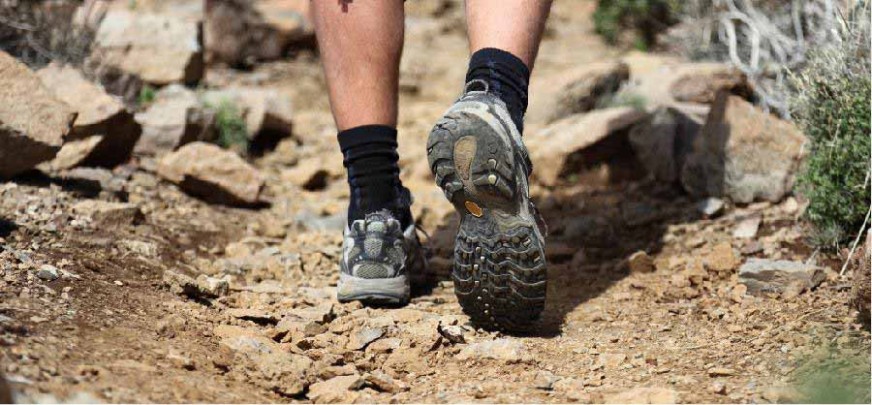
The concept of a single-purpose shoe is becoming obsolete. The most coveted walking shoes today are those that blur boundaries. A shoe with a Vibram® outsole for grip might feature a water-resistant yet stylish upper, making it equally viable for a rainy city street and a forest path. This trend towards hybrid versatility is a direct response to modern, fluid lifestyles. It aligns with the “one-bag” travel philosophy and a general desire for curated, multi-functional possessions. Websites like Gear Patrol and Wirecutter consistently highlight models that excel in “crossover” categories, praising shoes that offer technical specs without a technical look. This versatility is not a marketing gimmick; it’s a thoughtful design response. It means investing in a pair of shoes that actively participates in more aspects of your life, reducing the need for excessive consumption and clutter. The ultimate walking shoe becomes a reliable constant in an ever-changing day, a tool ready for whatever urban or semi-urban adventure you undertake, all while maintaining a coherent and intentional style statement.
Investing in Your Foundation: The Long-Term Value Proposition
Purchasing a premium walking shoe is an investment in your long-term physical capital, not merely a discretionary spend. Consider the economic principle of cost-per-wear: a $150 pair of shoes worn nearly every day for two years breaks down to about twenty cents per day. When viewed through the lens of health economics, the potential savings are even more compelling. Poor footwear can contribute to a host of issues—plantar fasciitis, metatarsalgia, Achilles tendonitis—whose treatments involve significant costs in terms of medical bills, physical therapy, and lost productivity. As the Harvard Medical School publications on foot health suggest, preventive care through proper footwear is a wise and cost-effective strategy. Beyond the physiological, there is a psychological dividend. The confidence that comes from pain-free movement and the subtle assurance of wearing a well-made, aesthetically pleasing object is intangible yet profoundly valuable. It’s the difference between ending your day drained and distracted by discomfort, and finishing it with energy to spare. Therefore, the initial price tag of a superior walking shoe is not an expense, but a strategic allocation of resources towards sustained well-being and performance.
Demystifying Technology: What Features Truly Matter?
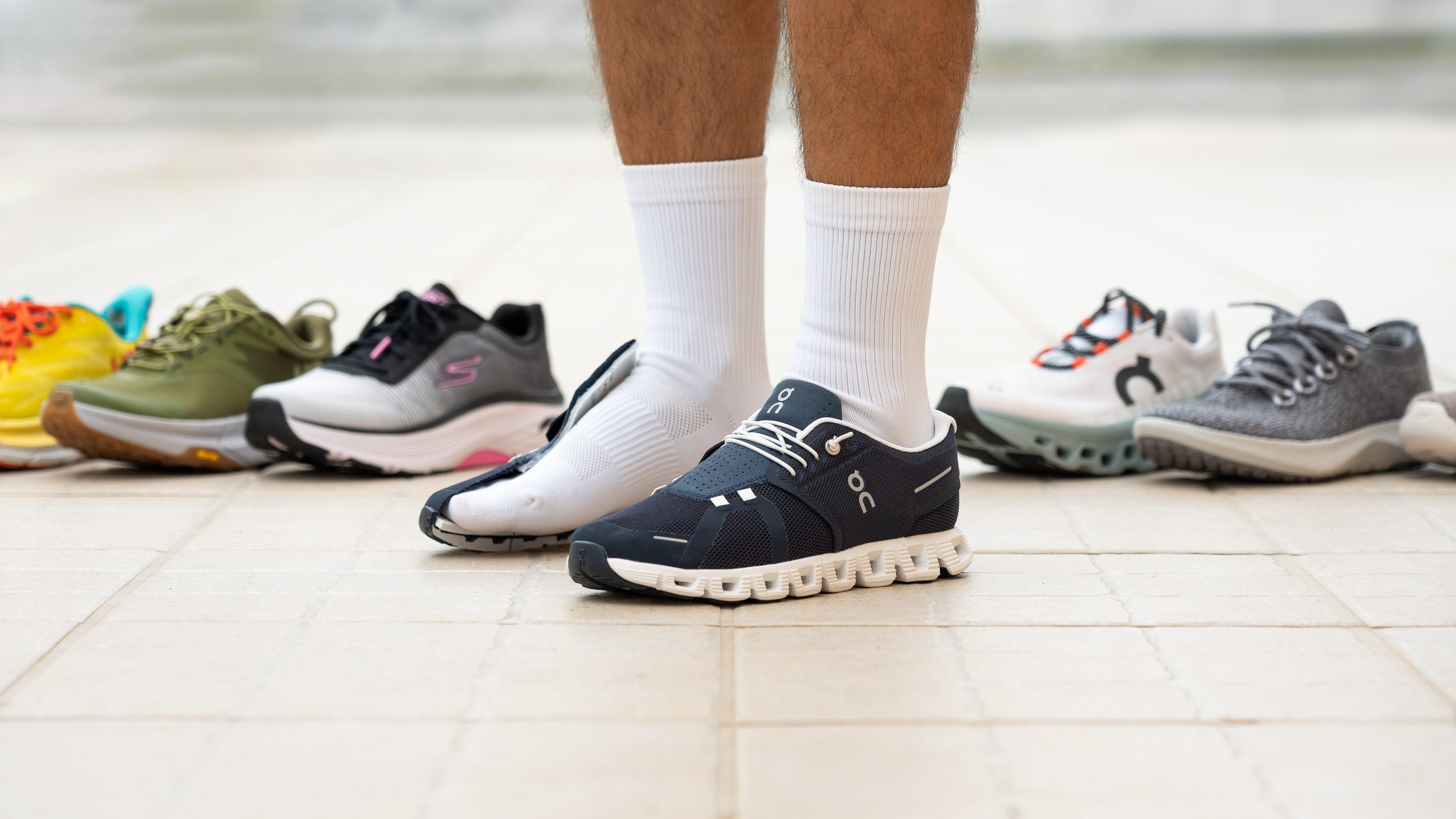
The market is saturated with jargon: “energy-return,” “adaptive cushioning,” “proprioceptive design.” Cutting through the noise requires focusing on a few evidence-backed features. First, look for reputable third-party certifications, such as the APMA (American Podiatric Medical Association) Seal of Acceptance, which indicates the shoe has been found to promote good foot health. Second, prioritize fit above all else. The most technologically advanced shoe is worthless if it doesn’t fit your unique foot shape. Renowned running coach and author Jack Daniels (of Daniels’ Running Formula fame) emphasizes that fit is the single most important factor in choosing any athletic footwear. Third, examine the outsole composition. Durable carbon rubber in high-wear areas (like the heel) significantly extends the shoe’s lifespan compared to softer blown rubber. Finally, consider weight. A study published in Medicine & Science in Sports & Exercise concluded that adding just 100 grams to a shoe can increase metabolic cost by about 1%. A lightweight walking shoe reduces leg fatigue, allowing you to stay active longer. By focusing on these core, proven aspects—certification, fit, durability, and weight—you make an informed choice that prioritizes substance over marketing hype.
Curating Your Pair: A Guide to Intelligent Selection
Finding your ideal walking shoe is a personal journey, but guided by principle. Start by assessing your typical terrain and volume. Are you primarily on concrete, or do you incorporate park trails? Do you walk 5,000 steps a day or 15,000? Next, understand your foot. Visit a specialty store for a gait analysis if possible, or perform the simple “wet test” at home to see your arch imprint. For wide feet, seek out brands known for their generous toe boxes. When trying on shoes, do so in the afternoon when feet are naturally slightly swollen, and always wear the socks you intend to pair them with. There should be a thumb’s width of space between your longest toe and the end of the shoe, and the widest part of your foot should align with the widest part of the shoe. Don’t be seduced by a “comfortable” feel that is purely soft; stability and support should be palpable. Remember, the best walking shoe for you is the one that disappears on your foot, becoming an effortless extension of your body, empowering your stride without a second thought.
The journey through the world of footwear leads us to an undeniable truth: the right shoe is a transformative tool. The modern walking shoe stands as a testament to human-centered innovation, where deep scientific understanding converges with refined design. It challenges the outdated compromise, offering a path where your feet are cradled in comfort and your style remains authentically yours. This is not a trend, but a lasting shift towards mindful consumption and holistic well-being. It’s about choosing to walk through life—literally and figuratively—on a foundation of support, ease, and understated elegance. So, step into the pair that speaks to you, and feel the difference with every stride you take.
