

The Walking Shoe: Your Secret to Effortless Style and All-Day Comfort
Forget the notion that comfort and style exist in separate realms. The modern walking shoe has evolved into a sophisticated hybrid, a piece of footwear engineered not just for movement but for living. It is the unsung hero of the urban landscape, the foundation upon which a day of confidence is built. This isn’t about athletic performance in the traditional sense; it’s about the performance of daily life—navigating city streets, enduring long commutes, or simply enjoying a leisurely afternoon without the nagging protest of tired feet. The right pair dissolves the barrier between you and your environment, turning every step into an experience of supported ease. Let’s dismantle the old stereotypes and explore how this essential item has become the cornerstone of a practical, yet profoundly stylish, existence.
The Anatomy of All-Day Comfort: Beyond Simple Cushioning
When we speak of comfort in a walking shoe, it’s crucial to move beyond the superficial idea of “softness.” True, all-day comfort is a symphony of biomechanical engineering. It begins with the midsole, often crafted from advanced materials like ethylene-vinyl acetate (EVA) or polyurethane (PU). According to podiatric literature from institutions like the University of Pittsburgh School of Medicine, the primary role of the midsole is to attenuate shock—the force that travels up your skeleton with each heel strike. However, the latest innovation lies in differential cushioning. Brands now employ dual-density foams or gel capsules, placing firmer support under the arch and softer cushioning in the heel and forefoot. This isn’t random padding; it’s a targeted response to the gait cycle. The outsole’s flexibility grooves and rubber compound are equally vital, providing not just traction but facilitating the natural foot roll from heel to toe-off. A rigid sole can cause muscle fatigue, while one that is too flexible may lack support. The sweet spot, as noted in ergonomic studies, allows for torsion where needed while maintaining structural integrity. Furthermore, the insole or footbed is your shoe’s internal landscape. Memory foam conforms to your unique footprint, but for sustained comfort, materials with moisture-wicking and antimicrobial properties are non-negotiable. They manage the microclimate of your foot, preventing the clamminess and friction that lead to blisters. In essence, a modern walking shoe is a personalized stability system, a fact underscored by the American Podiatric Medical Association’s emphasis on proper footwear as a first-line defense against common ailments like plantar fasciitis.
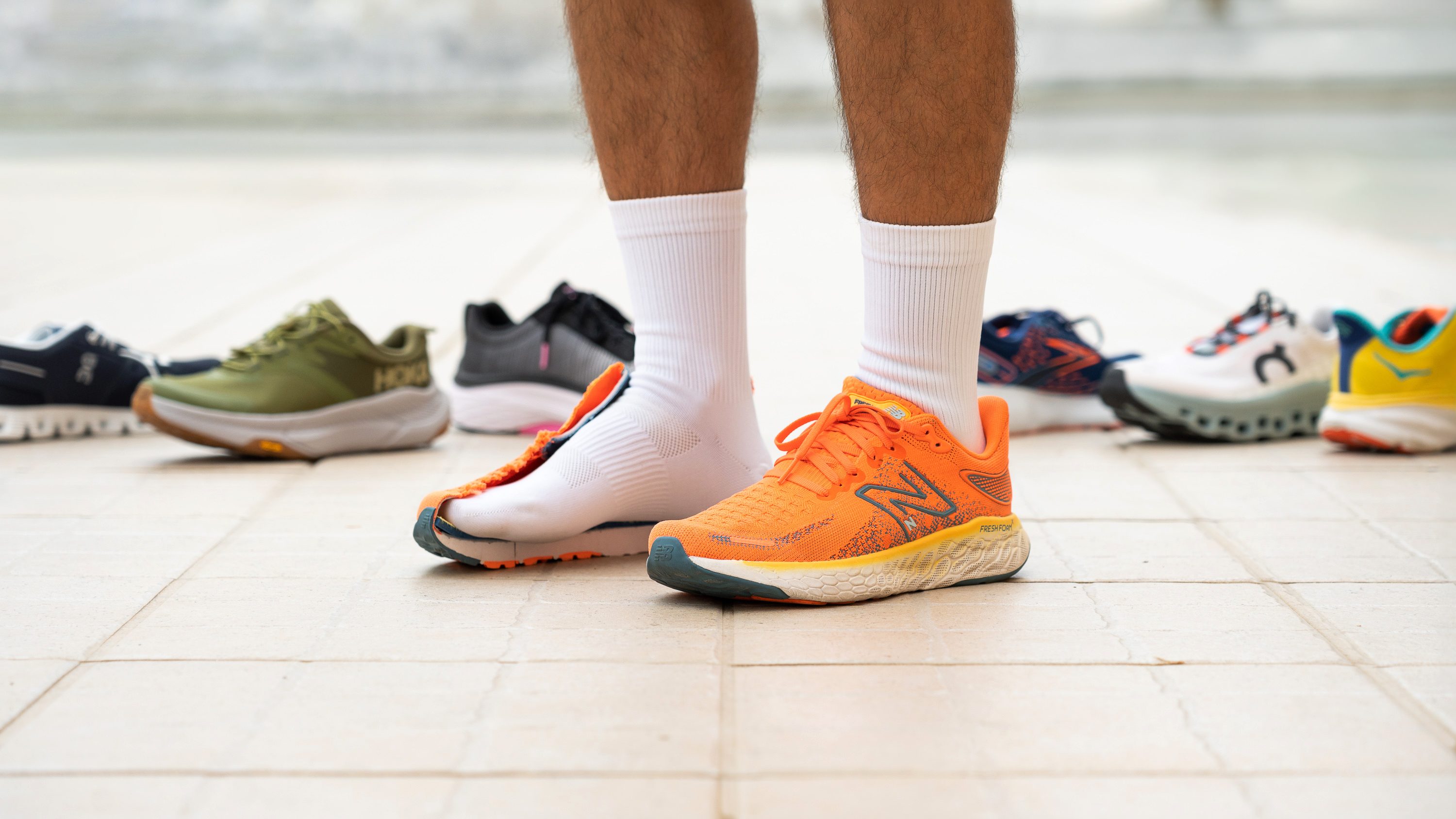
Style Reimagined: When Form Follows Function to a Tee
The historical chasm between “sneakers” and “dress shoes” has irrevocably closed. The driving force behind this is a cultural shift, famously encapsulated by Silicon Valley’s adoption of casual wear—a trend that has permeated global fashion. As designer Tom Ford once stated, “Dressing well is a form of good manners.” Today, dressing well increasingly means dressing appropriately for one’s lifestyle, which is inherently mobile. The aesthetic of the contemporary walking shoe draws from minimalist design principles, clean lines, and a palette of versatile neutrals (think olive, taupe, charcoal, and classic white). This allows for seamless integration into a variety of outfits. The sleek profile of a knitted upper, for instance, offers a sock-like fit and a modern look that pairs as easily with tailored trousers as with jeans. This isn’t a compromise; it’s an elevation. The style narrative is now authored by brands that understand fabric technology—using engineered meshes for breathability and suede-like synthetics for durability and a refined appearance. The result is footwear that doesn’t shout for attention but earns it through intelligent design. It aligns with the philosophy found on platforms like Quora and in men’s and women’s lifestyle magazines, where the consensus is that effortless style is rooted in pieces that are both functional and aesthetically coherent. Your shoes should complement your intent, not complicate your day.
The Science of the Stride: How Engineering Fuels Endurance
To appreciate a truly great walking shoe, one must understand the science it manages with every step. The human gait is a complex, weight-shifting marvel. During a single step, pressure points shift dramatically from the lateral heel, across the midfoot, to the ball and toes. Poorly designed shoes can disrupt this kinetic chain, leading to inefficiency and strain. This is where technologies like rocker soles come into play. Inspired by studies on barefoot walking and promoted by brands like Hoka One One, a rocker sole features a curved geometry that promotes a smooth heel-to-toe transition. It effectively reduces the work required by your calf and Achilles tendon, a principle supported by biomechanics research. Another critical element is arch support. Contrary to popular belief, everyone has an arch, and its support needs vary. Neutral, pronated, or supinated foot strikes require different interventions. Authoritative reviews on sites like Runner’s World consistently highlight that the best walking shoes offer structured support that guides the foot without overcorrecting it, preventing the knee and hip misalignments that cause long-term joint stress. Furthermore, weight is a paramount factor. The concept of “unsprung weight” from automotive engineering applies here: every extra gram on your feet requires exponentially more energy to lift over thousands of steps. Lightweight materials like thermoplastic polyurethane (TPU) and advanced textiles are therefore not a luxury but a necessity for endurance. As noted by Harvard Medical School publications, reducing foot fatigue is directly correlated with increased daily activity levels and overall well-being.
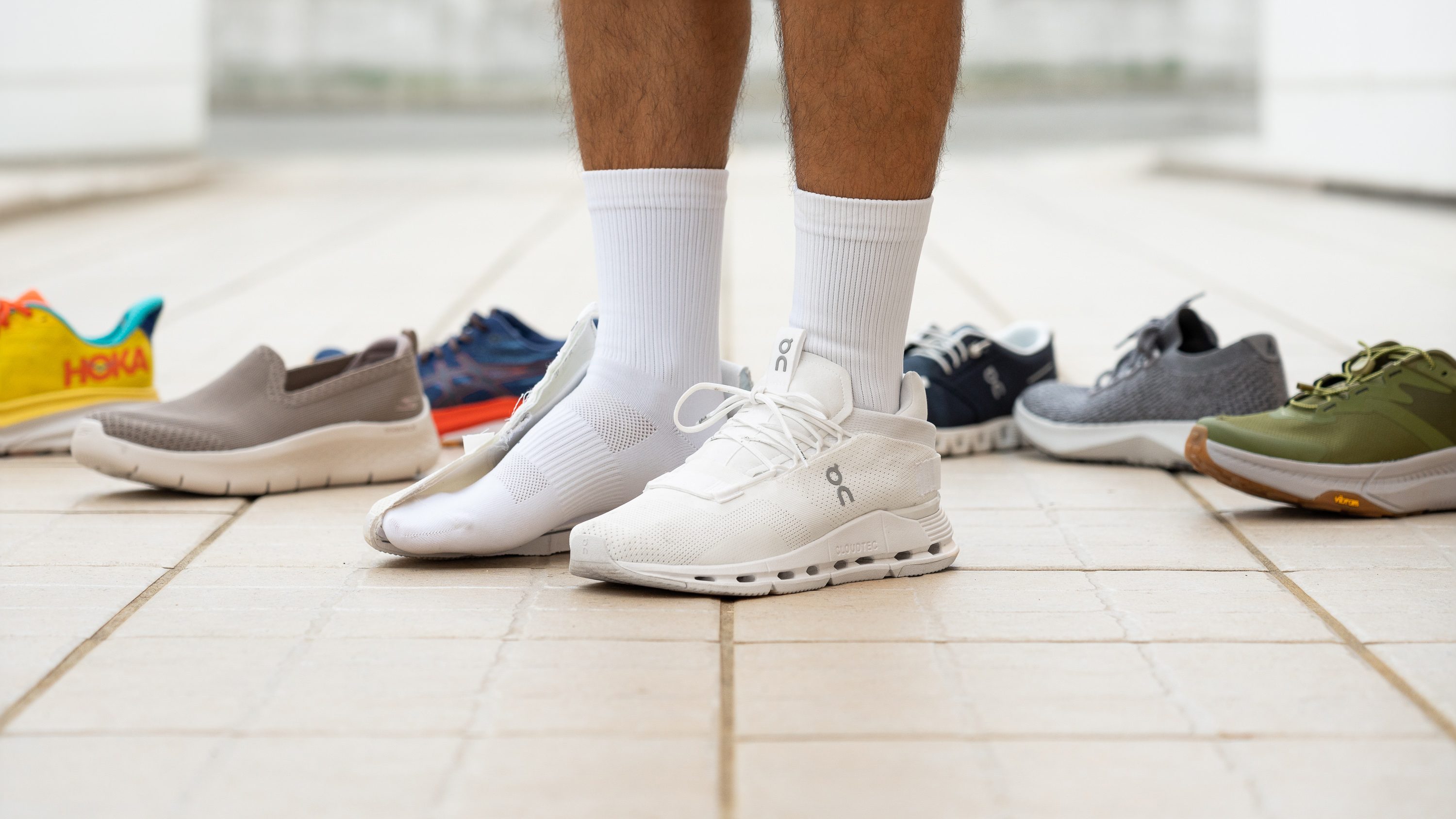
Making the Intelligent Choice: A Buyer’s Rationale
Selecting your ideal pair is an exercise in self-knowledge and practical wisdom. The first question isn’t about color; it’s about intent. Will these be primarily for structured fitness walking, or for the varied, stop-start terrain of urban exploration? For the former, you might prioritize a more athletic build with pronounced cushioning. For the latter, a sleeker, more versatile silhouette is key. Next, fit is non-negotiable. Your feet swell throughout the day, so the ideal time to try on shoes is in the afternoon. There should be a thumb’s width of space between your longest toe and the end of the shoe, and the heel must be locked in place without slippage. Don’t be seduced by size numbers; focus on the feel. Consider also the climate and season. A breathable mesh is ideal for summer, while water-resistant uppers with minimal seams offer protection in wetter months. Finally, we must address value. An investment in a quality walking shoe from a reputable brand is an investment in your physical capital—your feet, joints, and posture. However, intelligent shopping means seeking out professional knowledge and discounted prices. This involves monitoring seasonal sales, subscribing to newsletters from trusted retailers, and considering previous season’s models, which often contain the same core technology at a significantly reduced cost. The goal is to acquire premium engineering without the premium price tag, making superior comfort and style accessible.

The journey through the world of modern footwear leads to one inevitable destination: the recognition that the right shoe is a tool for better living. It is the quiet enabler of exploration, the steadfast companion through long days, and a subtle yet powerful statement of personal style. By choosing a shoe that marries scientific insight with design intelligence, you are not merely purchasing an accessory; you are upgrading your daily experience. You grant yourself the freedom to move through the world with unwavering comfort and understated confidence. Let your next step be your most informed one.
