

The Walking Shoe: Your Secret to Effortless Style and All-Day Comfort
Forget the notion that comfort and style exist in separate realms. The modern walking shoe has evolved into a sophisticated hybrid, a piece of footwear engineered not just for movement but for living. It is the unsung hero of the urban landscape, the foundation upon which a day of confidence, energy, and poise is built. This isn’t about athletic performance in the traditional sense; it’s about the performance of daily life. From the morning commute to an evening stroll, the right shoe doesn’t just carry you—it elevates you. The secret lies in understanding that true style is effortless, and effortlessness is born from profound comfort. This article delves into the anatomy, science, and philosophy behind finding that perfect pair, transforming the simple act of walking into a seamless blend of well-being and aesthetic appeal.
The Foundation: Biomechanics and the Science of the Step
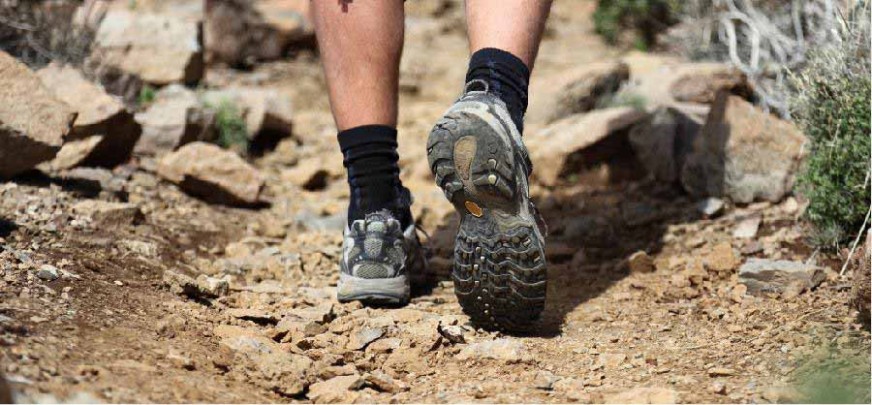
Every journey begins with a single step, and the physics of that step are more complex than most realize. When we walk, our feet absorb forces equivalent to 1.2 to 1.5 times our body weight with each heel strike. This repetitive loading travels up through our ankles, knees, hips, and spine. A poorly designed shoe can disrupt the natural gait cycle, leading to a cascade of issues from plantar fasciitis to lower back pain. The modern walking shoe is, therefore, a feat of biomechanical engineering. Key components work in concert: a heel counter stabilizes the rearfoot, preventing excessive rolling (overpronation or supination); a midsole with varying densities provides cushioning and arch support; and a flexible forefoot allows for the natural toe-off phase of the gait. Research from institutions like the University of Calgary’s Human Performance Laboratory emphasizes the importance of footwear that complements, rather than corrects, natural motion for the average walker. As renowned podiatrist Dr. William Rossi once noted, “The human foot is a masterpiece of engineering and a work of art.” The right walking shoe honors that masterpiece, providing a supportive platform without imposing rigid, unnatural controls. It’s about creating harmony between the body’s innate mechanics and the artificial environment of pavement and hard floors.
Decoding Comfort: Materials, Cushioning, and Breathability
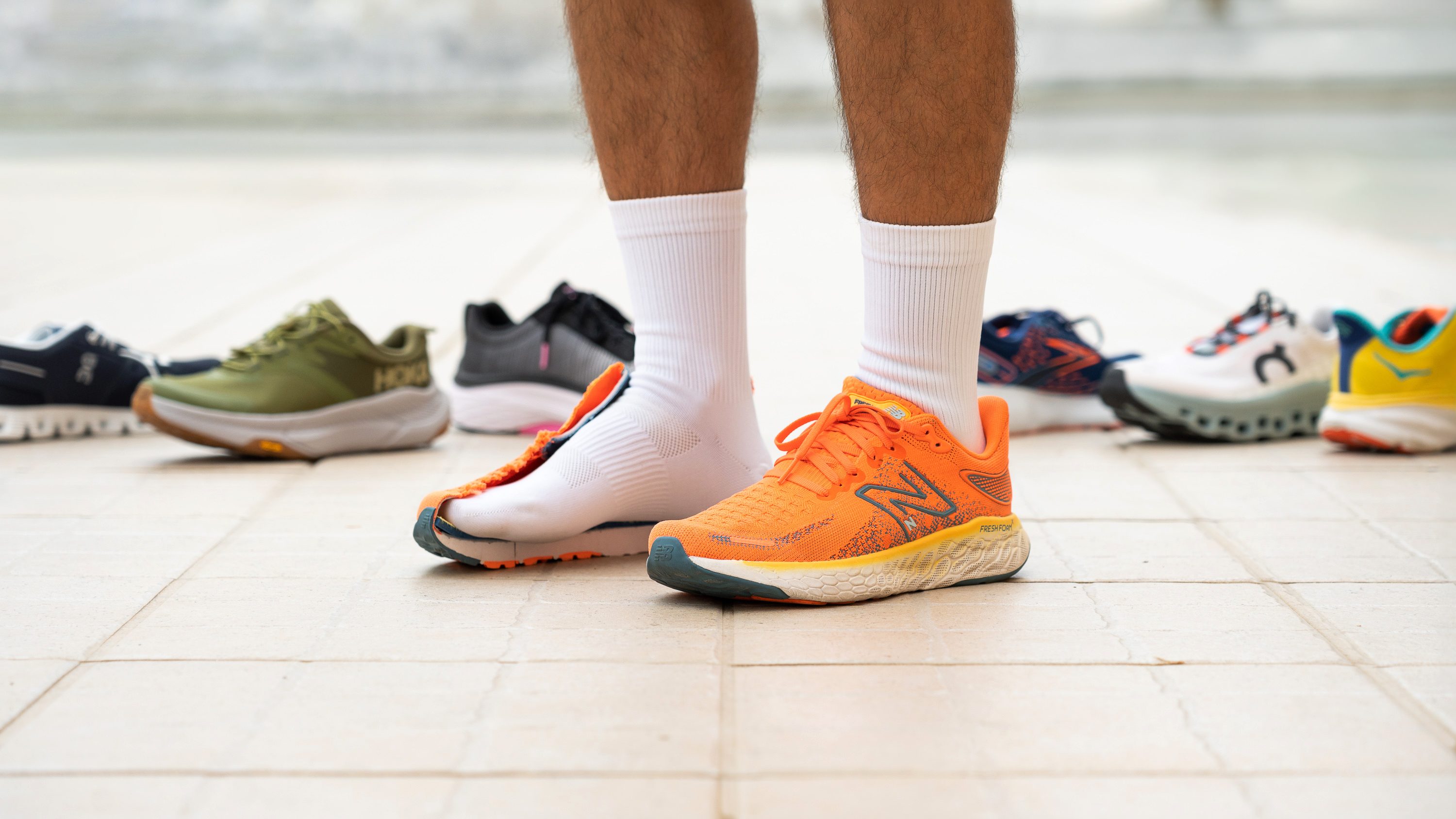
Comfort is a subjective sensation, but its sources are objectively measurable. In the realm of the walking shoe, three pillars define it: material, cushioning technology, and climate control. Historically, leather was king for its durability and form-fitting quality. Today, engineered knits and meshes offer targeted breathability and a sock-like fit that adapts dynamically to foot swelling throughout the day. The revolution, however, is in the midsole. Brands utilize advanced polymers like EVA (Ethylene-Vinyl Acetate), polyurethane, and proprietary blends such as Brooks’ DNA LOFT or Hoka’s Profly+. These materials aren’t just soft; they are designed for energy return—compressing to absorb impact and then springing back to propel you forward with less muscular effort. This is the “effortless” in effortless style. Furthermore, as highlighted in resources like Verywell Fit, proper ventilation is non-negotiable. Moisture-wicking linings and aerodynamic mesh panels prevent heat buildup and blisters, ensuring your feet remain dry and comfortable from dawn till dusk. It’s a holistic system: the upper embraces, the midsole cushions and propels, and the overall construction breathes. This trifecta transforms a shoe from a mere covering into a personal comfort zone for your feet.
Aesthetic Alchemy: When Form Meets Function
The great stigma of the “comfort shoe” was its aesthetic, often clunky and visually disconnected from contemporary fashion. That era is over. We are now in a golden age of aesthetic alchemy, where designers successfully marry technical specifications with sleek silhouettes. The minimalist “dad shoe” trend, popularized by brands like Hoka and New Balance, challenged norms by making substantial cushioning a style statement. The clean lines of a white leather sneaker from brands like Koio or Common Projects demonstrate that a walking-ready sole can be paired with premium, minimalist design. This shift is reflected in popular culture and authoritative fashion commentary. As style icon Tom Ford famously stated, “Dressing well is a form of good manners.” Part of that manners is presenting oneself as put-together and capable, not visibly suffering for fashion. The modern walking shoe answers this call. It comes in muted neutrals that pair effortlessly with tailored trousers, in bold colors that become the focal point of a casual outfit, and in sophisticated textures that elevate denim. The goal is integration, not segregation. Your footwear should flow with your personal style, providing a foundation of confidence that comes from knowing you look impeccable without a single ache or pinch.

The Investment: Longevity, Value, and Knowing When to Let Go
Purchasing a quality walking shoe is an investment in your physical well-being and daily satisfaction. While the initial price point for a biomechanically sound, well-constructed pair may be higher than that of a fast-fashion alternative, the cost-per-wear and long-term benefits tell the true story. A superior shoe uses durable rubber compounds in the outsole that resist wear, reinforced stitching, and high-quality materials that maintain their structure. However, even the best shoes have a finite lifespan. The cushioning materials compress and lose their resiliency long before the exterior shows significant wear. The general consensus among podiatrists and fitness experts, corroborated by sources like Runner’s World and Verywell Fit, is to replace walking shoes every 300 to 500 miles. For the average person, this translates to roughly every six to nine months of regular use. Ignoring this can quietly undermine the very comfort and support you bought them for. Therefore, the savvy approach is to view this not as a recurring expense, but as a scheduled upgrade for your foundation. Many reputable retailers offer subscription models or loyalty discounts, making it easier to rotate a new pair into your wardrobe at a judicious price, ensuring you never compromise on the support your body deserves.
:max_bytes(150000):strip_icc()/when-should-i-replace-my-walking-shoes-3436325-0801-7a1840d83573471092e0380f9e230ecc.jpg)
Your Personal Blueprint: Finding The Pair
With an understanding of the science and style, the final step is personalization. Your foot is unique—in its arch type (neutral, low, or high), its width, and its volume. The most celebrated shoe on the market is worthless if it doesn’t match your individual blueprint. This is where professional knowledge becomes invaluable. Seek out specialty retailers where staff are trained in gait analysis and fit. Try shoes on in the afternoon when feet are naturally slightly swollen. Wear the socks you intend to pair them with. There should be a thumb’s width of space between your longest toe and the end of the shoe, and the heel should lock in place without slippage. Don’t be seduced by size alone; focus on the feel. The perfect walking shoe should feel secure yet not restrictive, supportive yet not stiff, from the moment you stand up. It is an extension of your intention to move through the world with grace and vitality.
The pursuit of the perfect walking shoe is more than a consumer endeavor; it is a commitment to a quality of experience. It is the acknowledgment that our feet are our primary interface with the world, and how we equip them directly influences our posture, our energy, and our presence. By choosing a shoe that masterfully blends biomechanical support with considered design, you unlock a secret: that the most powerful style is one that is felt from the ground up, allowing you to move through your day not just with comfort, but with undeniable, effortless confidence.
