

Elevate Your Style with Booties Heels: A Seasonal Guide to Chic and Versatile Outfits
In the ever-evolving lexicon of fashion, few items command the transformative power and year-round relevance of booties heels. They are not merely footwear; they are a sartorial statement, a foundational element that bridges seasons, styles, and occasions. This guide moves beyond fleeting trends to explore how the architectural design and inherent versatility of heeled booties can become the cornerstone of a dynamic wardrobe. We will dissect their appeal through objective style principles, incorporate authoritative viewpoints, and provide actionable, season-by-season styling strategies to unlock their full potential.
The Architectural Foundation: Why Booties Heels Command Attention
The enduring popularity of booties heels is rooted in a confluence of design psychology, historical evolution, and practical versatility. From a design perspective, the bootie—a shoe that covers the foot and ankle—creates a clean, elongated line. When combined with a heel, this effect is magnified, altering posture and silhouette in a way that is universally perceived as confident and poised. Historically, heeled footwear has been a marker of status and authority, a notion explored by scholars like Elizabeth Semmelhack of the Bata Shoe Museum. In her work for institutions like the Fashion Institute of Technology, she traces how heels, once worn by Persian cavalry and European aristocracy, evolved into symbols of power. The modern booties heels democratizes this history, offering that aura of elevated stature to the wearer. Furthermore, their closed-toe design offers a practical advantage over pumps, providing more security and making them a viable choice across three seasons. As noted in style analyses from publications like Vogue and Who What Wear, the bootie’s unique position—more substantial than a sandal, more refined than a flat boot—allows it to anchor everything from flowing dresses to tailored trousers, creating a look that is both grounded and sophisticated.

Spring: The Art of Transitional Dressing
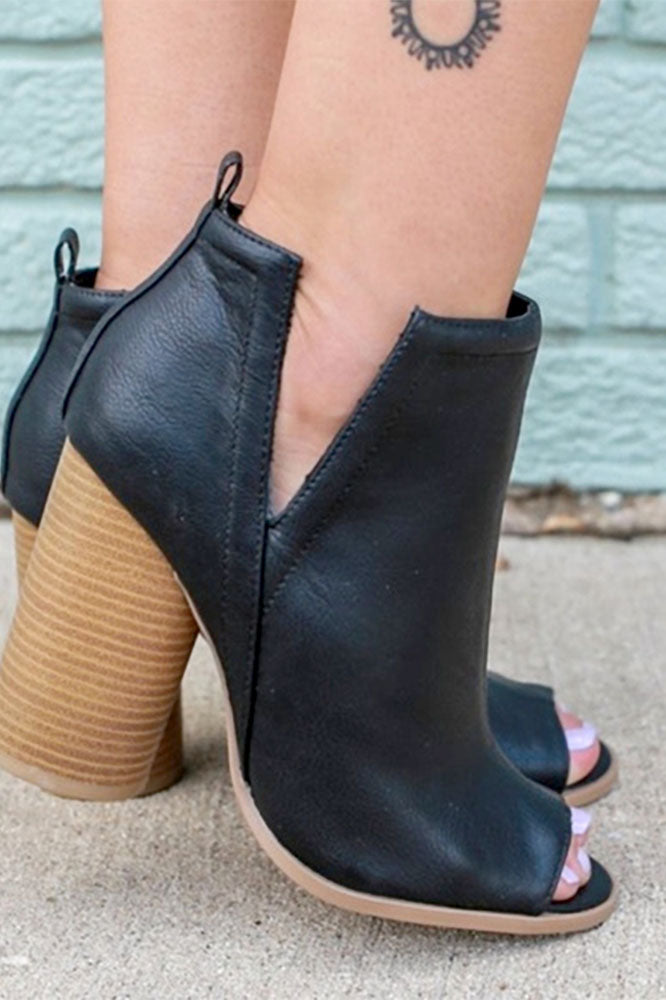
Spring fashion is a dialogue between the lingering chill and the promise of warmth, and booties heels are the perfect mediator. The key here is material and proportion. Suede or lighter leather booties with a cut-out or peep-toe detail, like the styles often featured by brands such as Sam Edelman or Steve Madden, allow for breathability while maintaining structure. From a styling standpoint, the objective is to balance coverage. Pairing ankle booties with a midi skirt or a cropped, wide-leg jean creates a precise sliver of skin that is inherently modern and flattering. This “skin-gap” technique, a principle frequently highlighted by stylists on platforms like YouTube (e.g., channels like “Audrey Coyne” which focus on timeless style), ensures the outfit doesn’t appear truncated. For a more authoritative take, consider the words of fashion consultant and author Allison Bornstein, who emphasizes the “third piece” rule. A sleek pair of heeled booties acts as that crucial third piece, transforming a simple spring dress and jacket into a cohesive, intentional ensemble. The heel provides a lift that complements the often lighter fabrics of the season, preventing them from overwhelming the frame.
Summer: Defying Conventions with Strategic Style
Conventional wisdom might relegate boots to cooler months, but style innovation thrives on defying norms. Summer styling with booties heels is about contrast and material choice. Opt for booties in lighter hues—cream, tan, or even white—and in materials like vegan leather or woven textiles that resist absorbing heat. The most impactful summer looks leverage juxtaposition: the toughness of the bootie against the delicacy of a floral sundress or a floaty romper. This contrast is a recurring theme in high-fashion editorials and street style captured during fashion weeks in warm locales. It echoes the cinematic style of characters who blend femininity with an edge, think of the curated, intelligent wardrobe of Villanelle in Killing Eve, where unexpected footwear choices telegraph confidence and control. Furthermore, for evening summer events, a sleek, pointed-toe ankle bootie can be a more interesting and comfortable alternative to strappy sandals, especially when paired with a tailored shorts suit or a slip dress. The scientific principle at play is visual weight; the bootie grounds airy summer fabrics, creating a balanced and thoughtfully composed outfit that stands out for its intentionality.
Autumn: The Quintessential Stage for Booties Heels
Autumn is the undisputed zenith of the booties heels season. The crisp air and rich color palette call for footwear that is both protective and stylish. Here, textures reign supreme. Velvet, suede, and leather booties in shades of burgundy, olive, or classic black become the centerpiece of layered outfits. The styling logic shifts towards harmony and richness. Tucking skinny jeans or leggings into shaft booties creates a seamless, streamlined look, perfect for showcasing a statement coat. For a more fashion-forward approach, pairing chunky-heel booties with an oversized sweater and a midi skirt embraces the “texture-on-texture” trend often discussed on style forums like the /r/femalefashionadvice subreddit, where real-world style experimentation is crowdsourced and analyzed. One can also reference the timeless, academic-inspired aesthetic often associated with institutions like Oxford or Harvard, where a low-block heel bootie with tailored wool trousers and a blazer projects an aura of intelligent sophistication. The bootie in autumn acts as the anchor, a sturdy foundation that allows for creative expression with layers, scarves, and outerwear without the outfit feeling disjointed.

Investing in Your Foundation: Professional Knowledge for the Discerning Buyer
Understanding the construction of a booties heels is crucial for making an investment that pays dividends in comfort and longevity. Key terms matter. The “last” is the foot-shaped form around which the shoe is built; a well-designed last aligns with the natural geometry of the foot. The “shank” is a supportive strip in the arch—vital for stability on any heel. Materials are paramount: full-grain leather will mold to your foot and last for years, while quality suede should feel dense and be treated for water resistance. When evaluating fit, ensure there is no pinching at the widest part of your foot (the ball) and that your heel has minimal lift. Brands like Cole Haan and Clarks often integrate podiatrist-informed technology into their designs, offering hidden comfort features. This professional knowledge empowers you to move beyond aesthetics alone. For instance, a bootie with a stacked leather heel and a rubber top piece will be quieter and offer more grip than one with a pure plastic heel. Knowing these details allows you to discern true quality, ensuring your chosen pair of booties heels supports you in every sense of the word.
Winter: Mastering Function and Form
Winter demands a pragmatic yet stylish approach, and heeled booties can absolutely meet the challenge. The focus shifts to weatherproofing and proportion. Look for booties with a non-slip, lugged sole (like those from brands like Blondo or Aquatalia, which specialize in weather-ready footwear) and treated leather or waterproof synthetics. Styling in winter is about smart layering and defying the bulk often associated with cold-weather gear. Pair sleek, fitted booties with opaque tights and a wool dress, letting a long coat provide the warmth. Alternatively, cuff your straight-leg or bootcut jeans just above the ankle of a chunky-heel bootie, creating a deliberate break that keeps denim dry and showcases the shoe. This technique is a staple in Scandinavian style, where functionality and aesthetics are seamlessly merged, as documented in books like The Scandinavian Guide to a Happy Home. The heel provides a necessary lift to keep hems away from slush, while the ankle coverage offers protection from the elements. It’s a testament to the bootie’s versatility that it can transition from a breezy summer evening to a crisp winter day with only a change in material and styling context.

Curating Your Collection: A Strategic Approach
Building a versatile rotation of heeled booties is more strategic than acquisitive. It involves identifying core silhouettes that serve distinct purposes. First, the Sleek Stiletto Ankle Boot: A pointed-toe, thin-heel version in black leather is your modern classic, capable of elevating a work suit or a little black dress for evening. Second, the Chunky Block Heel Bootie: Often with a square or rounded toe, this style offers unparalleled comfort and an on-trend, grounded aesthetic. It pairs perfectly with midi dresses, wide-leg pants, and denim. Third, the Shaft Bootie: A style that rises slightly above the ankle, often in suede or textured leather. This is your quintessential autumn boot, ideal for tucking in pants or pairing with thicker socks and skirts. The logic here is rooted in capsule wardrobe principles, advocated by experts from Anuschka Rees of Into-Mind to Japanese organizing consultant Marie Kondō. Each style serves a unique function in your outfit ecosystem. By focusing on these three archetypes, you ensure maximum outfit permutations without redundancy, making each purchase a considered addition to your style toolkit.
The journey through the seasons with booties heels reveals their true nature: not as a seasonal accessory, but as a wardrobe fundamental. Their power lies in their unique ability to negotiate between elegance and edge, between seasonal demands and personal expression. By applying an understanding of their design heritage, material science, and strategic styling principles, you transform them from simple shoes into the keystone of a confident, adaptable, and distinctly personal style. They are, ultimately, the foundation upon which countless elegant and powerful looks are built.
