

The Walking Shoe: Your Secret to Effortless Style and All-Day Comfort
Imagine a world where your footwear doesn’t demand a compromise. You no longer have to choose between an elegant silhouette that complements your outfit and the cloud-like support that carries you through a bustling day. This isn’t a fantasy; it’s the reality offered by the modern walking shoe. For too long, “comfort” and “style” have been positioned as opposing forces in the shoe aisle. Today, we dismantle that myth. The right pair of walking shoes is the unsung hero of a polished, confident, and pain-free life, seamlessly integrating biomechanical science with contemporary design to become the foundational piece of a truly effortless wardrobe.
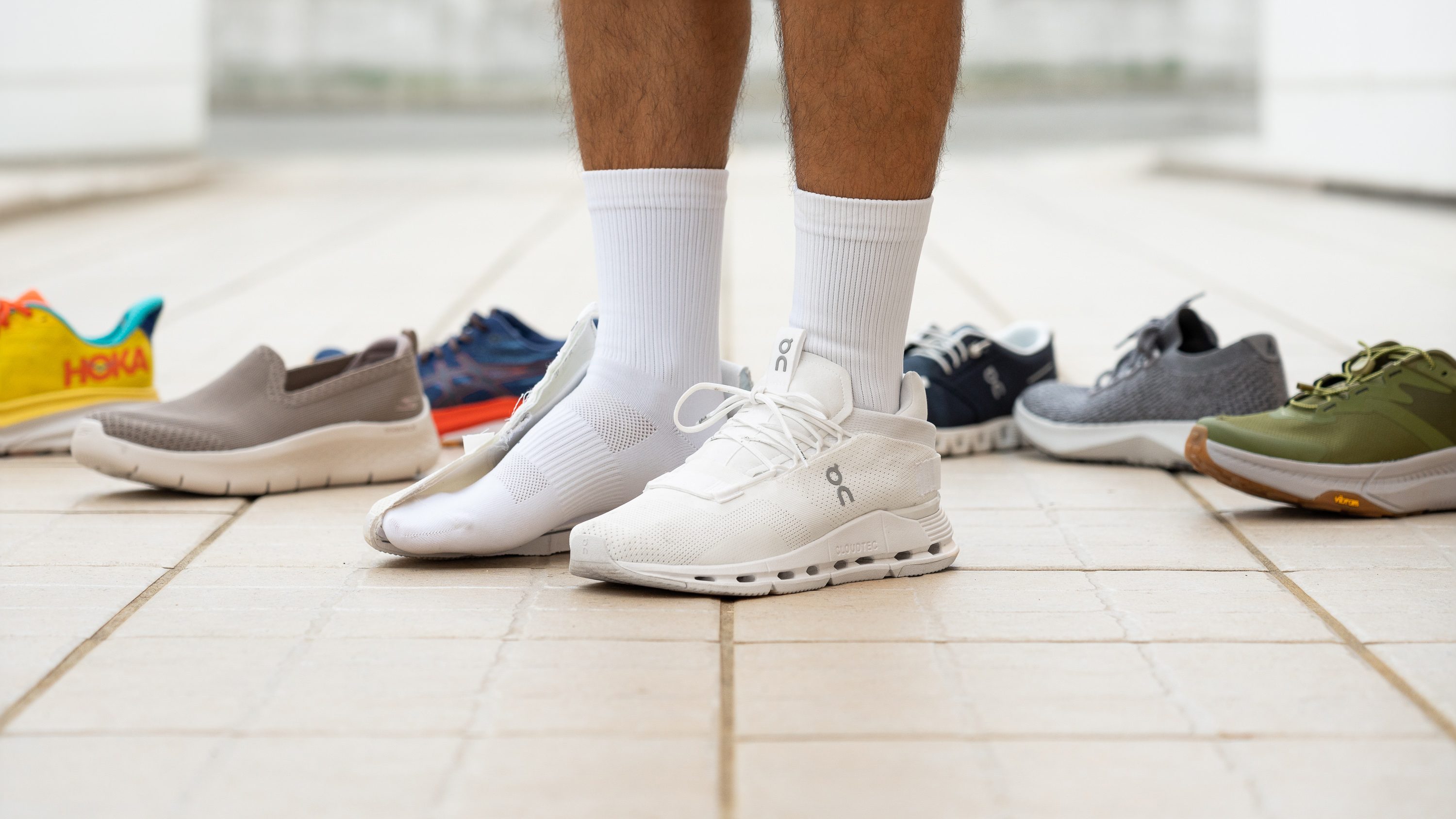
The Anatomy of All-Day Comfort: More Than Just a Soft Sole
To understand why a dedicated walking shoe is transformative, we must look beyond superficial cushioning. True comfort is an engineering feat, a symphony of components working in harmony to support the unique gait cycle of walking. Unlike running, which involves a flight phase where both feet leave the ground, walking always keeps one foot in contact with the earth. This creates distinct pressure points and motion patterns that specialized shoes are designed to address. The cornerstone is midsole technology, often utilizing materials like EVA (ethylene-vinyl acetate) foam, polyurethane, or proprietary compounds like Brooks’ DNA LOFT or ASICS’ GEL cushioning. These materials aren’t just soft; they are engineered for resilience and energy return, absorbing impact at the heel strike and then propelling you forward through the toe-off phase. As Dr. Casey Kerrigan, a former Harvard Medical School professor and founder of a biomechanics research company, has often highlighted, improper footwear can increase joint loading in the knees and hips. A well-cushioned midsole acts as a shock absorber, mitigating these forces with every step you take on hard urban surfaces.
Furthermore, the architecture of the shoe is paramount. Consider the heel counter—the firm cup that cradles your heel. A robust, well-padded heel counter stabilizes the foot, preventing excessive side-to-side motion (overpronation or supination) that can lead to ailments like plantar fasciitis or shin splints. The flexibility of the forefoot is another critical, yet often overlooked, feature. Your foot bends naturally at the ball when you push off; the shoe must bend with it. A stiff sole fights your anatomy, causing fatigue. Finally, let’s discuss the upper. Modern materials like engineered mesh provide breathability, preventing the hot, sweaty environment that breeds discomfort and blisters, while offering a sleek, almost sock-like fit that moves with you. This confluence of targeted cushioning, strategic support, and adaptive materials is what separates a true walking shoe from a casual sneaker or a running shoe repurposed for the task. It’s wearable podiatry, designed to make your body’s mechanics more efficient and less taxing.
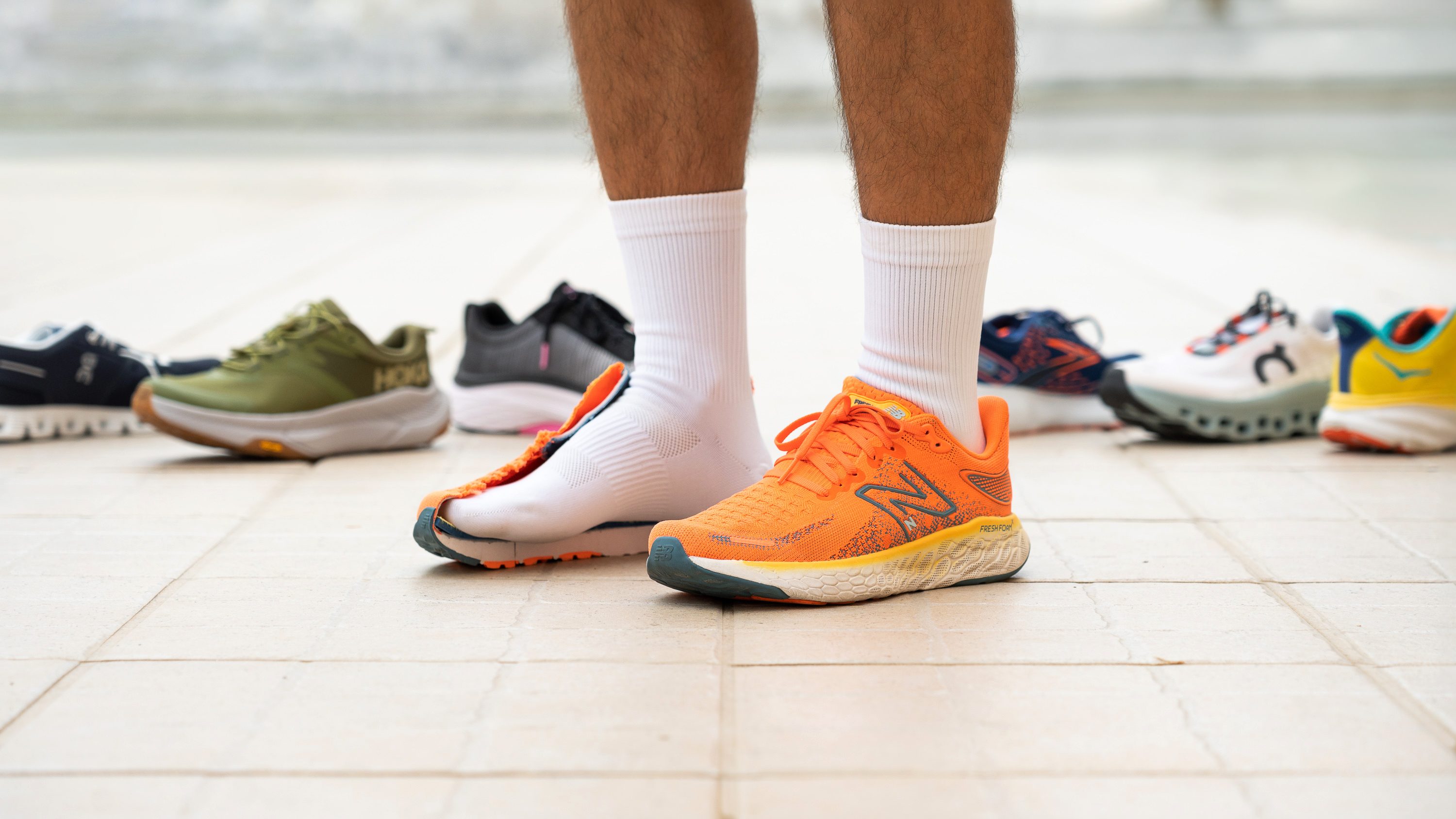
Style Reimagined: When Form Meets Function Without Apology
The historical grievance against comfortable shoes was their aesthetic, often clunky and technical-looking, clashing with anything beyond athletic wear. That era is conclusively over. The last decade has witnessed a seismic shift, driven by a cultural demand for versatility and the “athleisure” movement. High-fashion runways and street style blogs have embraced the sophisticated sneaker, and the walking shoe has evolved in tandem. Designers now work hand-in-hand with biomechanical engineers, proving that advanced technology can be housed in a visually compelling package. We see this in the minimalist profiles of brands like Cole Haan or ECCO, which integrate cushioning systems into shoes that resemble classic loafers or chic oxfords. We see it in the sleek, monochromatic colorways offered by HOKA or On Running, where the bold sole becomes a statement of modern design rather than a mere functional element.
This evolution speaks to a broader definition of style—one rooted in confidence and self-awareness. As fashion icon Iris Apfel, renowned for her bold and comfortable style, once quipped, “I don’t have any rules because I’d only be breaking them.” The rule being broken today is that comfort is unfashionable. The modern walking shoe allows your personal style to shine because you are not distracted by pain or constrained by impracticality. You can navigate a day that moves from a morning school run to client meetings, to an evening gallery opening, all in one pair of shoes that look intentionally chosen, not reluctantly tolerated. They pair effortlessly with tailored trousers, crisp denim, midi skirts, and casual dresses, acting as a neutral, grounding element in your outfit. The style is intelligent; it understands the multifaceted demands of contemporary life and meets them with quiet elegance. Your shoe is no longer an accessory you endure; it is a tool of empowerment you enjoy.
The Investment Perspective: Cost-Per-Wear and Long-Term Value
It’s easy to balk at the price tag of a high-quality walking shoe, often ranging from $120 to $180 or more. However, this is a classic case where upfront cost obscures genuine value. Let’s apply a simple “cost-per-wear” analysis. A cheap, poorly made pair of shoes might cost $50 but become uncomfortable after a few months, leading to disuse or, worse, foot problems requiring professional care. Conversely, a premium walking shoe, with its durable outsoles, resilient midsoles, and quality materials, can easily last for 500 miles or more of walking. If you walk just 2 miles a day, that’s over 250 days of use. Suddenly, the investment breaks down to mere cents per day for unparalleled comfort and support.
The real savings, however, are physiological. Chronic foot pain, knee issues, and back problems often have downstream costs—physiotherapy, orthotics, pain medication, and lost productivity. As noted by the American Podiatric Medical Association, investing in proper footwear is a primary preventative measure for a host of musculoskeletal disorders. Think of it not as a shoe purchase, but as an investment in your mobility and long-term well-being. Furthermore, the versatility of today’s stylish walking shoes means you may find yourself wearing them far more frequently than a single-purpose pair of dress shoes or flimsy fashion flats, further increasing their utility and value. Brands frequently offer last-season colorways or limited-time sales, bringing this crucial piece of footwear technology into a more accessible price range. The key is to recognize the purchase for what it is: a foundational investment in your health and daily quality of life, not a discretionary fashion spend.
:max_bytes(150000):strip_icc()/vwt-asics-womens-gel-pulse-16-jinfeng-chen-21-712f0f140e834b84b3a8dcf0bf154771.jpeg)
Making the Right Choice: A Guide to Your Perfect Pair
Knowing you need a great walking shoe is the first step; selecting the right one is the next. This is a personal journey, as individual as your fingerprint. Start with an honest assessment of your gait. Many specialty running stores offer free gait analysis. Are you a neutral walker, or do your ankles roll inward (overpronation) or outward (supination)? This will determine if you need a stability feature. Next, consider your primary terrain. Are you mostly on paved city streets, or do your walks include park trails? A road-walking shoe will have more cushioning and a smoother outsole, while a hybrid might have slight lugs for grip.
Fit is non-negotiable. Your feet swell throughout the day, so shop in the afternoon or evening. There should be about a thumb’s width of space between your longest toe and the end of the shoe. The widest part of your foot should align with the widest part of the shoe. Don’t assume your size; try multiple brands and models, as sizing can vary dramatically. Remember, the perfect walking shoe should feel supportive and inviting from the moment you put it on, with no “break-in” period required. A break-in period is often a euphemism for poor fit. Finally, align the shoe’s design with your lifestyle. Do you need a waterproof membrane for rainy climates? A ultra-breathable mesh for heat? A leather upper for a more professional look? Your ideal shoe is the one that solves for your specific combination of biomechanics, environment, and aesthetic preference.

The Unspoken Confidence: Walking Through Your Day Unencumbered
The ultimate benefit of the right walking shoe transcends physical comfort and enters the psychological realm. When your feet are happy, your entire demeanor shifts. You stand taller, your stride is more assured, and you move through spaces with a quiet confidence. There is a profound sense of freedom in knowing that your footwear is an ally, not an adversary. This isn’t just anecdotal; the connection between physical comfort and mental state is well-documented. Discomfort is a constant, low-grade stressor, draining cognitive resources and affecting mood. By eliminating that source of stress, you free up mental energy for creativity, focus, and engagement with the world around you.
Consider the words of renowned author and walker Henry David Thoreau, who found profound clarity in ambulation: “I think that I cannot preserve my health and spirits, unless I spend four hours a day at least—and it is commonly more than that—sauntering through the woods and over the hills and fields, absolutely free from all worldly engagements.” While we may not have four hours, the principle holds. The right shoe removes the barrier between you and your world, encouraging you to take the longer, scenic route, to add an extra errand on foot, to stand and converse comfortably at a networking event. It empowers you to embrace spontaneity. In a very real sense, the humble walking shoe becomes a key to a more active, present, and stylish life. It is the secret ingredient that allows you to fully inhabit your day, from the first step out the door to the last step back in, with grace and ease.
The pursuit of a shoe that offers both unwavering comfort and undeniable style is no longer a compromise-laden quest. It is a readily achievable standard. The modern walking shoe stands as a testament to innovation, proving that the tools which support our bodies can also express our identities. By choosing footwear that honors the science of movement and the art of personal presentation, you make a decisive investment—not just in your foot health, but in the quality of every moment you spend on your feet. Let your shoes be the foundation upon which a more comfortable, confident, and effortlessly stylish life is built.
