

Elevate Your Style: The Ultimate Guide to Booties Heels for Every Season
Footwear is not merely a functional necessity; it is the foundational statement of an ensemble, a silent communicator of personal style and intent. Among the pantheon of shoe choices, one category has demonstrated a remarkable and enduring versatility, seamlessly bridging the gap between assertive fashion and everyday wear: the booties heels. This guide is not about fleeting trends but about understanding a wardrobe staple that, when mastered, unlocks a new dimension of sartorial confidence across all twelve months of the calendar. We will dissect their anatomy, chart their journey through seasonal shifts, and provide a framework for integrating them into your personal narrative, all while grounding our exploration in objective style principles and cultural references.
The Architectural Brilliance of Booties Heels
To appreciate the booties heels is to understand its hybrid design philosophy. It borrows the ankle-hugging structure and often the material robustness from its taller boot cousins, while incorporating the elevated heel—be it stiletto, block, wedge, or kitten—from classic pumps. This synthesis creates a unique silhouette that offers both coverage and lift. From a biomechanical perspective, as noted in ergonomics literature from institutions like the University of Massachusetts Amherst, a well-constructed block heel on an ankle boot can provide a more stable base of support compared to a stiletto of the same height, distributing body weight more evenly. This isn’t mere opinion; it’s applied physics. The ankle coverage can offer subtle support, a feature often cited by podiatrists in lifestyle magazines when discussing transitional footwear from flats to higher heels. Culturally, the bootie’s power was cemented in modern fashion lexicon by designers like Alexander McQueen, whose armadillo boots (extreme iterations of the concept) challenged conventional footwear aesthetics, and by its ubiquitous presence on runways from Gucci to Saint Laurent, reinforcing its status as a perennial, rather than seasonal, piece.
Spring: The Thaw and Transition
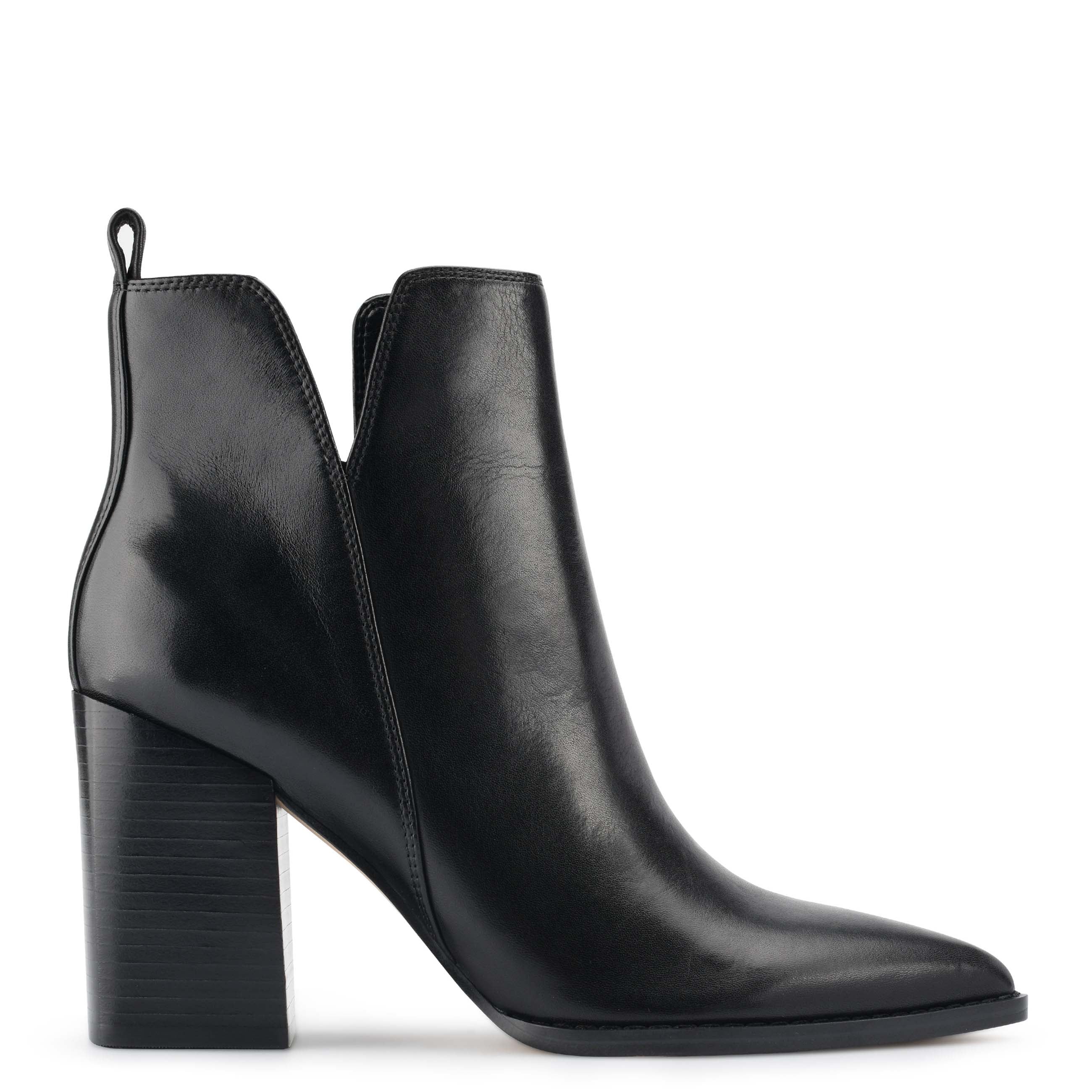
As winter’s grip loosens, the booties heels undergo a material metamorphosis. The heavy suedes and leathers give way to lighter canvases, woven textiles, and even perforated or cut-out designs that invite the burgeoning sunlight. Here, the bootie serves as the perfect transitional anchor. Pair a sleek, almond-toe bootie with a block heel—a style frequently endorsed by fashion editors on sites like Who What Wear for its timelessness—with a flowing midi dress. The contrast between the delicate dress and the structured shoe creates a dynamic, modern look. Alternatively, a suede ankle bootie with a modest heel complements cropped trousers and a blazer, offering a polished alternative to flats for the office. The key scientific principle at play is visual weight; a nude-colored bootie heel can elongate the leg line just as effectively as a pump, a trick often highlighted by stylists on platforms like YouTube. As fashion historian Dr. Valerie Steele of The Fashion Institute of Technology has often remarked, footwear evolution is tied to social change. The spring bootie, in its lighter form, reflects a societal shift towards activity and renewal, providing the foundation for outfits that are both practical for changeable weather and symbolically optimistic.
Summer: Defying Convention with Strategic Choices
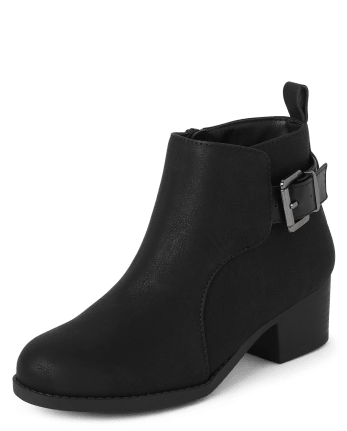
Conventional wisdom might banish all boots during summer, but strategic styling of booties heels can yield incredibly chic, airy results. The secret lies in ventilation and proportion. Opt for booties crafted from raffia, linen, or featuring significant laser-cut patterns or open sides. These designs, popularized by brands like Cult Gaia and seen on influencers from Milan to Miami, prioritize airflow. A wedge-heel bootie in a neutral straw tone paired with a minimalist linen slip dress is a masterclass in textured simplicity. The wedge, according to podiatric advice aggregated on health forums, often provides greater stability for all-day wear at summer events compared to spindly sandal heels. Furthermore, from a color theory standpoint, a light-colored bootie maintains a “cool” visual temperature, crucial for summer palettes. Consider the iconic imagery of Jane Birkin in the late 60s, often photographed in short dresses with ankle-height boots, creating a look that was both casual and insouciantly stylish—a testament to the bootie’s ability to transcend seasonal dogma when approached with creativity.
Autumn: The Natural Habitat of the Bootie
Autumn is the zenith of the booties heels reign. The crisp air and falling leaves call for richer textures, deeper hues, and layered outfits where the bootie acts as the foundational cornerstone. This is the season for luxe materials: buttery soft leather, rich suede, and even velvet. A chunky-heel, pointed-toe bootie in burgundy or forest green becomes an instant outfit amplifier. The style rationale here is grounded in both aesthetics and practicality. The thicker heel is ideal for navigating uneven pavement covered in leaves, while the ankle coverage provides warmth. As the team at the fashion analytics website Business of Fashion has reported, sales data consistently shows a spike in bootie purchases every September, indicating its core seasonal role. Pair these boots with opaque tights and a tweed skirt, or with skinny jeans and an oversized sweater—the bootie seamlessly connects the elements. Its versatility in autumn is almost mathematical; it solves the equation of how to be both stylish and prepared for the elements. The authoritative voice of style icon Iris Apfel resonates here: “More is more and less is a bore.” The autumn bootie allows for that “more”—more texture, more color, more statement—without venturing into the impractical territory of taller boots.

Winter: Fortification and Elegance
When temperatures plummet, the booties heels evolve into fortresses of style. This is the domain of weather-ready features: water-resistant treatments, shearling or faux-fur lining, and robust, treaded soles often borrowed from hiking boot technology. A waterproof leather bootie with a sturdy block heel is not just a fashion item; it’s a tool for urban survival, allowing you to maintain elegance while traversing slush and snow. The fashion film The September Issue famously showcased the relentless pursuit of the perfect shot, often featuring models in luxurious winter wear paired with statement boots, highlighting the non-negotiable role of formidable footwear in cold-weather fashion. From a professional knowledge standpoint, understanding the difference between a fashion boot and a true winter boot is key. Look for sealed seams and insulation ratings if you live in severe climates. Yet, the winter bootie need not be purely utilitarian. A sleek, patent leather version with a metallic heel can add a dazzling touch to a holiday party outfit, proving that even in the darkest months, your footwear can be a source of light and elevation. The key is to invest in pairs that serve specific purposes: one for brutal commutes, another for dry, dressed-up occasions.

Curating Your Collection: A Framework for Investment
Building a purposeful collection of booties heels is an exercise in strategic wardrobe planning. It is far more effective to own four versatile, high-quality pairs than a dozen trendy, uncomfortable ones. Your foundational quartet should include: 1. The Neutral Block Heel: A black or nude leather bootie with a 2-3 inch block heel. This is your workhorse, backed by endless style guides from Vogue to Real Simple for its go-anywhere capability. 2. The Statement Pair: This could feature animal print, metallic finishes, or an unusual color. As designer Christian Louboutin once told Harper’s Bazaar, “A shoe has so much more to offer than just to walk.” This pair is for offering personality. 3. The Weatherproof Utility Pair: As discussed, a lined, water-resistant option for inclement weather. 4. The Seasonal Material: A suede pair for fall or a woven pair for spring/summer. When considering discounted prices, the savvy shopper knows that these core styles are perennials. Investing during end-of-season sales or at reputable outlet retailers for classic designs (not fast-fashion iterations) ensures longevity. The cost-per-wear on a well-made bootie that lasts five years is objectively lower than on a cheap pair that disintegrates in one season, a principle frequently emphasized by financial advisors specializing in sustainable consumer habits.
The journey through the year with booties heels is a demonstration of adaptive elegance. They are not a passing whim but a testament to intelligent design, capable of meeting the demands of weather, occasion, and personal expression. From the first bloom of spring to the deepest chill of winter, the right pair provides not just height, but a grounded sense of style. Mastering their selection and styling is less about following rules and more about embracing a tool—one that empowers you to walk through every season with undeniable confidence and purpose.
