

The Best Tennis Shoes for All-Day Walking
Selecting footwear for prolonged walking is a decision that impacts comfort, health, and endurance. While specialized walking shoes exist, a high-quality pair of tennis shoes for walking often provides an exceptional blend of support, cushioning, and versatility that can outshine many dedicated options. This isn’t about repurposing just any athletic sneaker; it’s about identifying the specific engineering within tennis footwear that translates perfectly to the demands of all-day ambulation. The right pair can transform a day of exploration or standing from a test of endurance into a comfortable experience.
The Anatomical and Biomechanical Foundation of Walking Comfort
To understand why certain tennis shoes excel for walking, we must first delve into the biomechanics of the gait cycle. Walking involves a complex sequence of heel strike, midfoot roll, and toe-off, generating forces up to 1.5 times one’s body weight with each step. According to research from the Gait Analysis Laboratory at Stanford University, improper footwear can lead to kinetic chain dysfunctions, contributing to issues from plantar fasciitis to knee and lower back pain. The ideal walking shoe must master three core principles: cushioning to absorb shock at impact, stability to control the foot’s natural pronation (inward roll) during mid-stance, and flexibility to facilitate a smooth toe-off. Tennis shoes are uniquely designed for lateral movements and sudden stops, which necessitates a robust combination of medial (arch) support and forefoot flexibility—features that directly benefit the walker by preventing overpronation and allowing a natural stride.
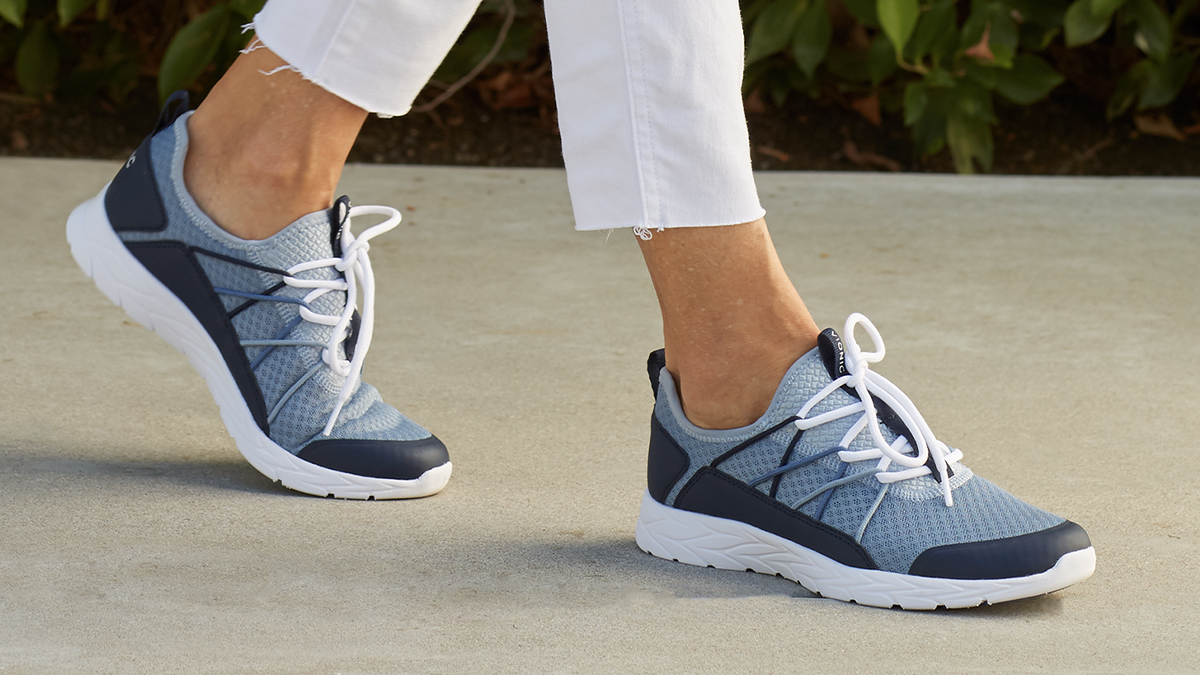
Decoding the Tennis Shoe: Key Features for the Walker
Not all tennis shoes are created equal for pedestrian purposes. The convergence of design elements makes some models stand out. First, examine the midsole technology. Brands like ASICS utilize GEL cushioning systems, a silicone-based material that absorbs vertical shock. As noted on their official site and in wear-test reviews from outlets like Runner’s World, this technology disperses impact forces away from the foot, a critical factor for walking on hard urban surfaces. Second, the outsole pattern is crucial. A herringbone or modified tread pattern on tennis shoes offers multi-directional grip, which provides confident traction on varied terrains, from pavement to park paths, unlike running shoes designed primarily for forward motion. Third, consider the upper construction. Many modern tennis shoes for walking employ engineered mesh, which offers breathability to keep feet cool over hours while providing strategic reinforcement in high-wear areas. This balance prevents the hot, cramped feeling common in less technical shoes.
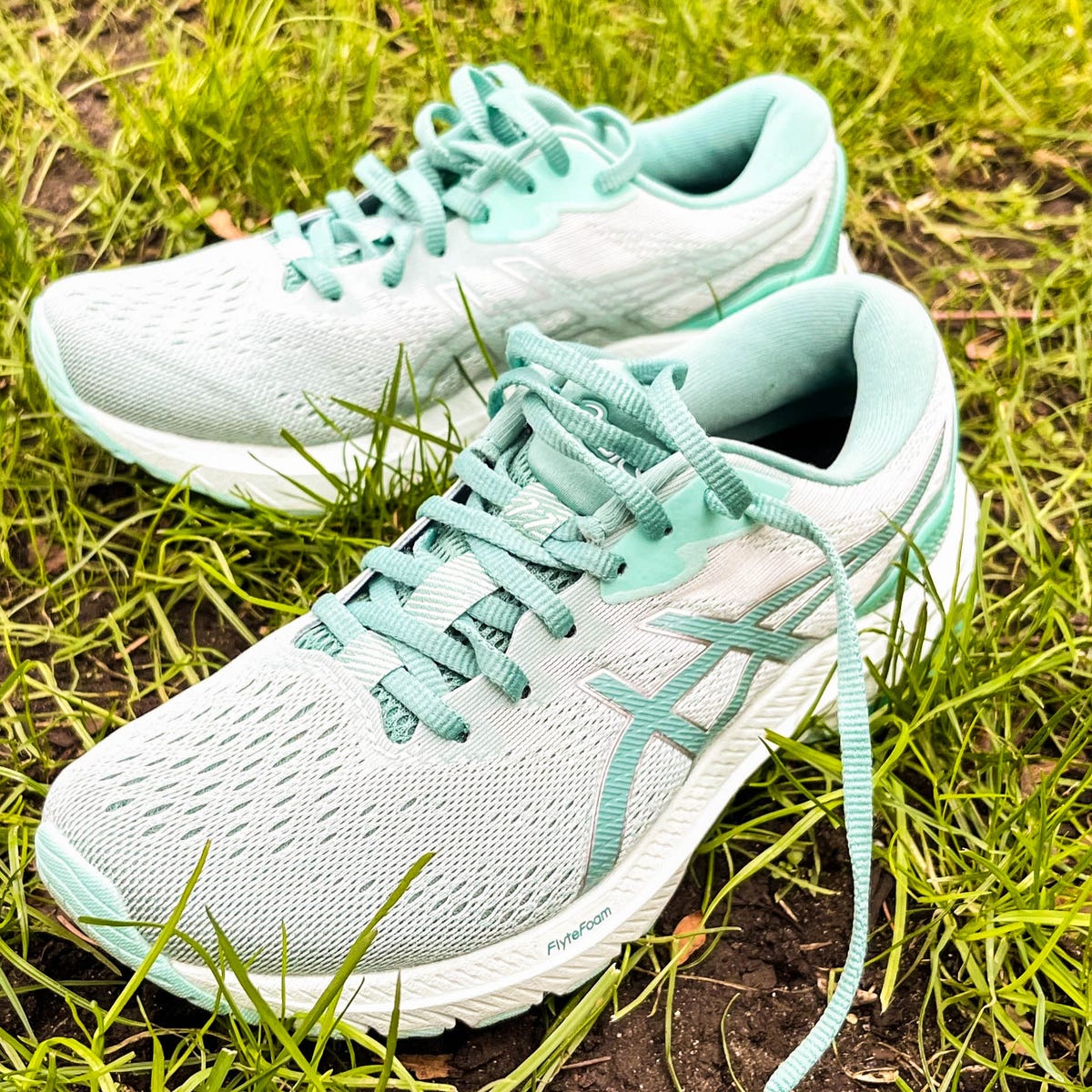
Expert Endorsements and User Testimonials: A Consensus on Versatility
The suitability of tennis shoes for extended walking isn’t merely theoretical; it’s echoed by professionals and everyday users alike. Celebrity trainer Harley Pasternak, in an interview with Shape magazine, has often emphasized the importance of supportive, stable shoes for clients who are on their feet all day, noting that cross-training shoes (a category overlapping with tennis shoes) often provide the best foundation. On platforms like Quora and Reddit’s r/walking, seasoned travelers and retail workers frequently recommend specific tennis models for their durability and all-day comfort. As one user on a popular Q&A site stated, “My go-to for a 12-hour museum day in Rome wasn’t my sandals or running shoes—it was my trusty pair of supportive tennis sneakers. The arch support made all the difference.” This real-world validation underscores that the design principles of a good tennis shoes for walking meet practical, rigorous demands.
A Curated Selection: Tennis Shoes That Excel on the Pavement
Based on the criteria of cushioning, stability, flexibility, and breathability, several models consistently rise to the top. The ASICS GEL-Resolution series is renowned for its DuoMax dual-density midsole, which provides exceptional medial support to prevent the arch from collapsing—a boon for walkers with mild to moderate overpronation. Another standout is the New Balance Fresh Foam Lav, which utilizes data-driven design to create a midsole with precisely mapped cushioning, offering a plush yet responsive feel that cradles the foot mile after mile. For those seeking maximal cushioning, the Nike Air Zoom Vapor Cage incorporates a Zoom Air unit in the heel, delivering responsive impact absorption. It’s vital to remember that the “best” is personal; foot shape, arch type, and weight dictate the ideal match. Therefore, these tennis shoes for walking should be seen as a starting point for your own fitting journey.

Integrating Professional Knowledge for a Perfect Fit
Purchasing the right shoe involves more than selecting a model. Professional fitting knowledge is paramount. Always shop in the afternoon, as feet naturally swell throughout the day. There should be a thumb’s width of space between your longest toe and the end of the shoe to prevent bruising on downhill walks. Don’t assume your size; have both feet measured, as asymmetry is common. When trying on potential tennis shoes for walking, wear the socks you intend to walk in. Perform a simple test: press on the toe box to ensure it flexes easily at the ball of your foot, not in the middle of the arch. Check the heel counter—the back of the shoe—it should be firm and hold your heel securely without slippage. This attention to detail, often shared by certified pedorthists, ensures the shoe’s advanced technologies work in harmony with your unique biomechanics.
Value Beyond Comfort: Longevity and Smart Investment
A superior pair of walking-optimized tennis shoes represents a smart investment in both health and economics. High-quality materials and construction directly translate to longevity. While the initial price point for models like the Adidas Barricade or the K-Swiss Hypercourt Express may range from $100 to $160, their durable outsoles and reinforced uppers often outlast multiple pairs of cheaper, less supportive shoes. To find discounted prices, consider shopping during seasonal sales, checking official brand outlet websites, or subscribing to newsletters from major sporting goods retailers. The cost per mile of wear becomes remarkably low. More importantly, the investment in proper footwear is preventative healthcare. As the American Podiatric Medical Association highlights, appropriate shoes can alleviate stress on joints and soft tissues, potentially saving significant discomfort and future medical expenses. The right shoe isn’t an accessory; it’s essential equipment.
:max_bytes(150000):strip_icc()/Web_1500-vwt-primary-best-overall-shoe-tstaples-118-671f4e0048e64d14a1c42e4f8d9e6658.jpg)
The quest for the perfect all-day walking companion logically leads to the tennis court. The engineering priorities of stability, multi-surface traction, and durable cushioning found in premium tennis footwear align almost perfectly with the needs of the dedicated walker. By applying biomechanical principles, heeding expert opinions, and making an informed, personalized selection, you can secure a pair of shoes that support not just your feet, but your entire active lifestyle. Your next long walk awaits, and with the right tennis shoes for walking, every step will be a testament to thoughtful design and personal comfort.
