Elevate Your Style with Burberry Heels: A Guide to Chic and Timeless Footwear
In the realm of luxury fashion, few items command presence and articulate personal style as definitively as a pair of impeccably crafted heels. They are not merely accessories; they are architectural statements for the feet, foundations of confidence, and silent narrators of one’s aesthetic journey. Among the pantheon of luxury houses, Burberry stands as a bastion of British heritage, seamlessly weaving its iconic check and trench coat legacy into every facet of modern design. This guide delves into the world of Burberry heels, exploring how they transcend seasonal trends to offer a blueprint for enduring elegance. We will navigate their design philosophy, the tangible craftsmanship, and the subtle yet powerful ways they can redefine your wardrobe’s narrative.
The Heritage of Elegance: Burberry’s Design Philosophy
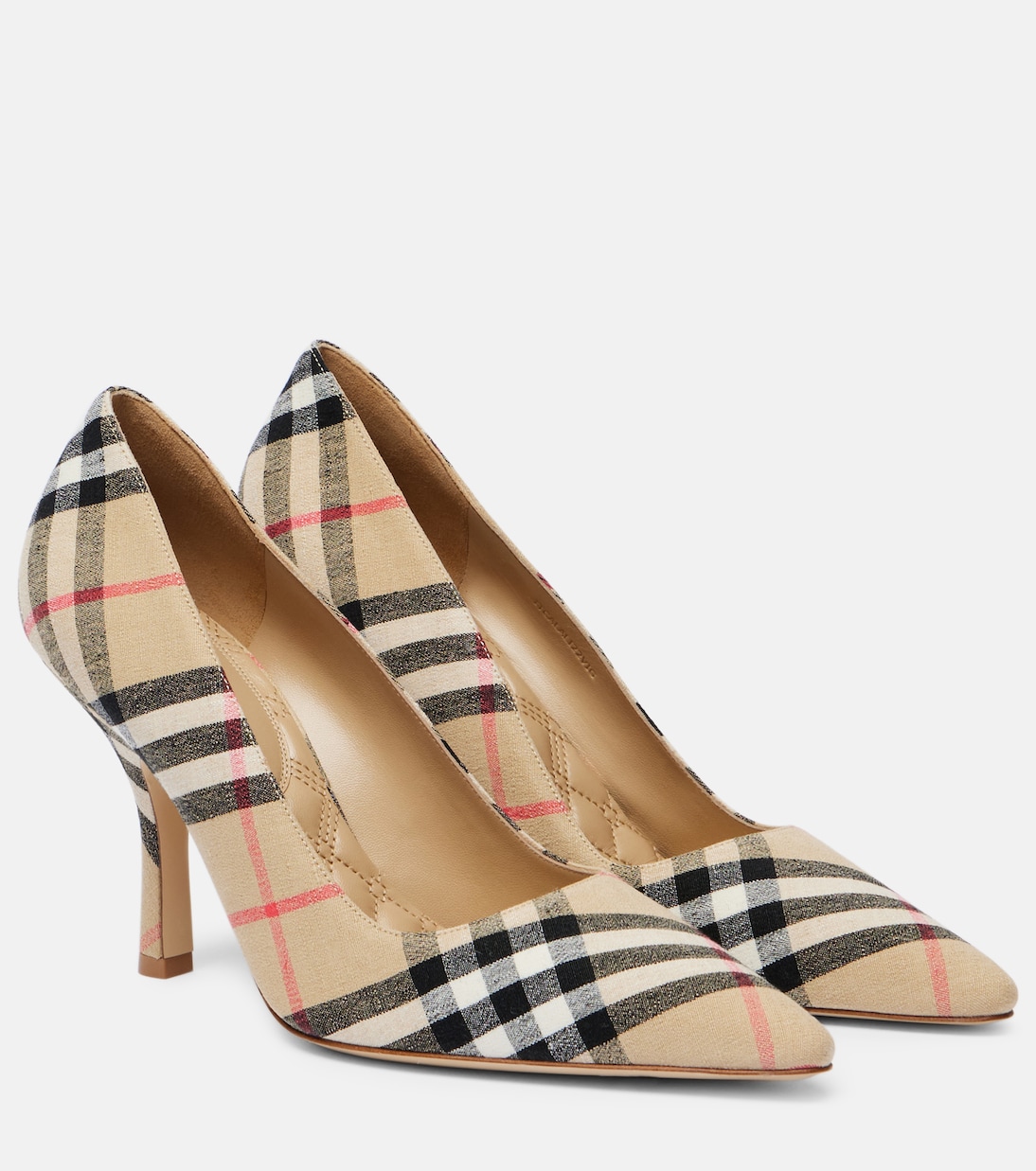
The story of Burberry is intrinsically linked to functionality meeting style, born from Thomas Burberry’s invention of gabardine—a breathable, weatherproof fabric. This foundational principle of purposeful design permeates their footwear. When examining Burberry heels, one observes a marriage of the house’s storied past with contemporary silhouettes. The iconic Nova Check, though used judiciously in footwear, serves as a signature whisper of brand identity, often appearing as a subtle lining or a tasteful accent on a strap. This restraint is key; it speaks to a design intelligence that values timelessness over overt branding. As fashion historian Dr. Valerie Steele noted in her publications for The Museum at the Fashion Institute of Technology, true luxury in fashion often resides in “the quality of materials and construction, and in designs that reference a house’s history without being enslaved by it.” Burberry heels exemplify this. A classic pump is reimagined with a sculptural heel inspired by the clean lines of a trench coat’s epaulette, while a sleek ankle boot might incorporate hardware reminiscent of the brand’s trademark buckles. This design dialogue ensures that each pair is not an isolated item but a chapter in Burberry’s broader narrative of protected, sophisticated style.

Deconstructing Craftsmanship: The Anatomy of a Luxury Heel
To understand the value proposition of Burberry heels, one must look beyond the aesthetic and into the realm of objective craftsmanship. The construction of a luxury heel is a feat of engineering and artisanal skill. It begins with the last—the foot-shaped form around which the shoe is built. Burberry employs lasts designed not only for beauty but for a specific type of fit and comfort, often developed over years of refinement. The leathers and materials are sourced from renowned tanneries, selected for their grain, durability, and hand-feel. A scientific perspective, as outlined in materials science literature from institutions like the University of Northampton’s prestigious shoe courses, highlights the importance of tannage and finishing in determining a leather’s longevity and flexibility. The heel itself, often the focal point, is a study in balance. Whether it’s a slender stiletto, a robust block, or a contemporary kitten heel, its pitch and placement are calculated to distribute weight as ergonomically as possible while maintaining the desired silhouette. The bonding of the sole—whether Goodyear welted, Blake stitched, or cemented with high-grade adhesives—directly impacts durability and repairability. When you invest in a pair of Burberry heels, you are investing in this cumulative knowledge: the precise pattern cutting that minimizes seams, the reinforced toe boxes that maintain shape, and the meticulous finishing that ensures every edge is smooth. This is not merely footwear; it is applied product design at its most refined.
The Versatility Equation: From Corporate Power to Evening Allure
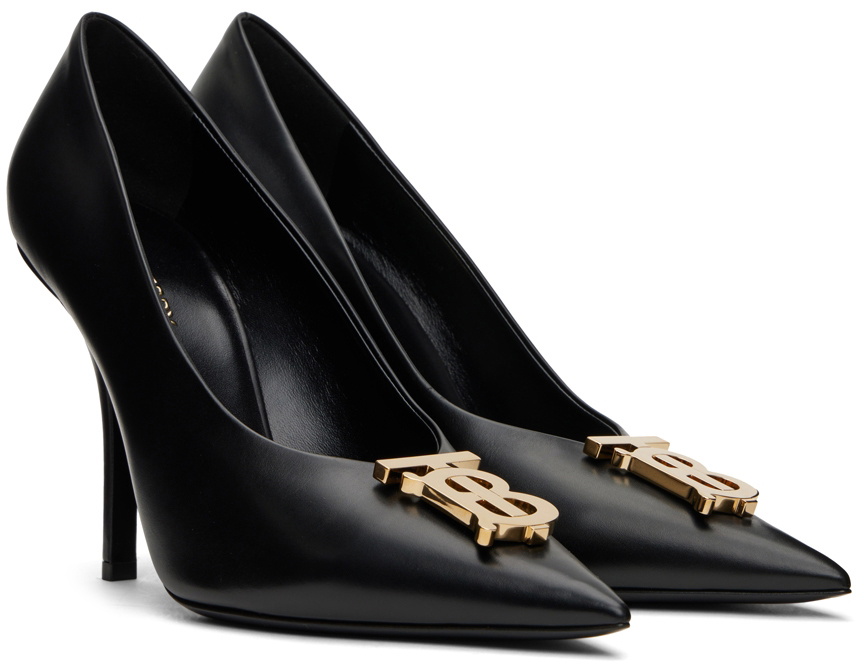
A common misconception is that designer heels are destined solely for red carpets or special occasions. The true genius of a well-conceived collection, like that of Burberry, lies in its translational versatility. Consider a pair of Burberry heels in a neutral suede or polished calfskin. In a professional setting, paired with tailored trousers or a midi skirt, they communicate authority and attention to detail—a non-verbal cue analyzed in social psychology research on attire and perception. The clean lines and lack of superfluous ornamentation align with what publications like Harvard Business Review often term “power dressing” in its modern, nuanced form. Transitioning to an evening context, the same pair, now matched with a silk dress or sophisticated separates, transforms into an emblem of understated glamour. This chameleon-like quality is economic intelligence for your wardrobe. It maximizes cost-per-wear, a crucial metric in building a sustainable and thoughtful closet. As style commentator and author Alison Freer advocates in her work, the goal is “costume logic”—building pieces that work overtime. A black leather Burberry slingback, for instance, can anchor a work blazer, complement a weekend denim look, and elevate a cocktail dress. This versatility is deliberately engineered through color palettes derived from the brand’s heritage—stone, honey, trench, black—and through silhouettes that are assertive yet never aggressive, modern yet never faddish.
Iconic References and Cultural Footprints
The cultural weight of Burberry is undeniable, and its footwear often carries cinematic and literary echoes that enrich the wearing experience. The brand’s aesthetic—rooted in the pragmatic elegance of the British countryside and the gritty sophistication of London streets—has been immortalized on screen. Think of the formidable yet chic characters in films like Kingsman or the layered, textured looks in contemporary series depicting London’s high society; the footwear is often an unspoken character, suggesting resilience and style. This isn’t accidental. As costume designers for major productions have stated in interviews on platforms like YouTube channels dedicated to film analysis, shoes are chosen to build a character’s backstory. A pair of weathered but elegant Burberry boots might suggest a history of travel and competence. Furthermore, the brand’s association with figures known for their timeless style, from actors like Emma Watson to musicians, adds a layer of aspirational authenticity. When these personalities are seen in Burberry heels, it’s not a fleeting endorsement but an alignment of values—quality, heritage, and intelligent design. This cultural embedding means that when you choose these heels, you’re not just selecting a shoe; you’re tapping into a narrative of enduring, weather-beaten (yet always polished) chic that has been validated across decades and mediums.
Investment Logic: Beyond the Price Tag
Let’s address the practical consideration: the investment. High-quality Burberry heels command a significant price point, which warrants a clear-eyed analysis of value. The concept of “cost per wear” is paramount here. A $100 pair of shoes worn twice costs $50 per wear. A $800 pair of Burberry heels, worn 80 times over several years due to their classic design and durable construction, costs $10 per wear. The latter represents a more economically and environmentally sound decision over time. This is supported by the “slow fashion” philosophy advocated by sustainability experts and institutions like the London College of Fashion, which emphasizes buying fewer, better-quality items. Furthermore, the resale value of well-maintained luxury items from storied houses like Burberry remains robust on platforms like The RealReal or Vestiaire Collective, a testament to their enduring desirability. The professional knowledge here is in the maintenance: using shoe trees to retain shape, regular professional resoling (possible due to the quality construction mentioned earlier), and proper leather care can extend the life of these heels for a decade or more. This transforms them from a purchase into a wardrobe asset.
Curating Your Pair: A Guide to Informed Selection
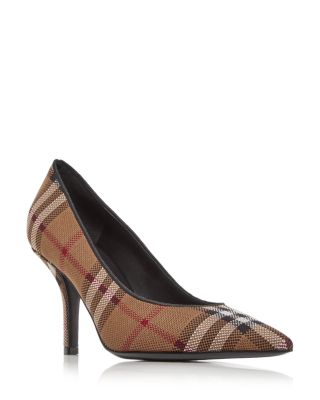
Approaching the acquisition of Burberry heels should be a deliberate process. First, assess your lifestyle and existing wardrobe. What gap are you filling? Is it a foundational neutral pump, a statement leather boot, or an embellished sandal for events? Second, prioritize comfort within elegance. The heel height and shape should complement your natural gait and foot shape. Third, examine the details in person if possible: the stitching evenness, the leather’s scent and suppleness, the weight and stability of the heel. These are tangible indicators of quality. To bring professional knowledge and value to you, it’s worth noting that Burberry, like many luxury retailers, has seasonal sales (typically post-holiday and end-of-season) where previous season’s colors or styles can be acquired at a discounted price, while the core classic designs remain full-price. Authorized retailers and the official website are the safest sources. Remember, the goal is not to chase a trend but to acquire a piece of design history that will serve your style faithfully.
In the final analysis, Burberry heels are more than footwear. They are a synthesis of historical narrative, scientific craftsmanship, and pragmatic style intelligence. They offer a way to participate in a legacy of elegance that is both grounded and aspirational. They teach us that the most powerful style statements are often the quietest, built on the confidence of quality and the subtle resonance of heritage. Choosing them is not about following fashion; it is about defining your own enduring standard of chic.