

The Ultimate Guide to Tennis Shoes for Walking
For years, the idea of using tennis shoes for walking was met with skepticism. The prevailing wisdom suggested that dedicated walking shoes, with their specific flex patterns and cushioning, were the only sensible choice for dedicated pedestrians. However, a shift in perspective is underway. What if the versatile design of a tennis shoe—built for lateral stability, impact absorption, and all-day comfort—makes it a hidden gem for walkers? This guide isn’t about dismissing specialized footwear; it’s about exploring how the engineering principles behind a great tennis shoe can translate into an exceptional walking experience. We will dissect the anatomy of these shoes, compare them to traditional options, and provide you with the objective, scientific knowledge needed to make an informed decision, potentially unlocking a new level of comfort and performance on your daily walks.
The Foundation: Why Tennis Shoe Design Matters for Walkers
To understand the potential of tennis shoes for walking, we must first deconstruct their design philosophy. Tennis is a sport of explosive starts, sudden stops, and constant side-to-side movement. Consequently, tennis shoes are engineered with a focus on three core pillars: stability, cushioning, and durability. The midsole, often featuring technologies like Adidas’s Boost or ASICS’s GEL, is designed to absorb high-impact forces from jumping and sprinting—forces that, while different in magnitude, are similar in type to the repetitive heel-strike impact of walking. The outsole typically employs a herringbone or modified pattern made of durable rubber, like Nike’s BRS 1000, which provides exceptional traction on hard courts, translating reliably to pavement and track surfaces. Most critically, the upper and chassis of a tennis shoe are built to lock the foot down, preventing the excessive rolling inward (overpronation) or outward (supination) that can lead to injury. As Dr. Casey Kerrigan, a former Harvard Medical School professor and gait analysis expert, has noted in reviews of athletic footwear, “The goal is to minimize excessive joint forces.” A well-designed tennis shoe inherently seeks to control foot motion, a benefit that directly applies to the biomechanics of a powerful walking stride. This foundational stability is a key argument for considering these shoes beyond the court.
Cushioning Systems: From Court Impact to Pavement Pound
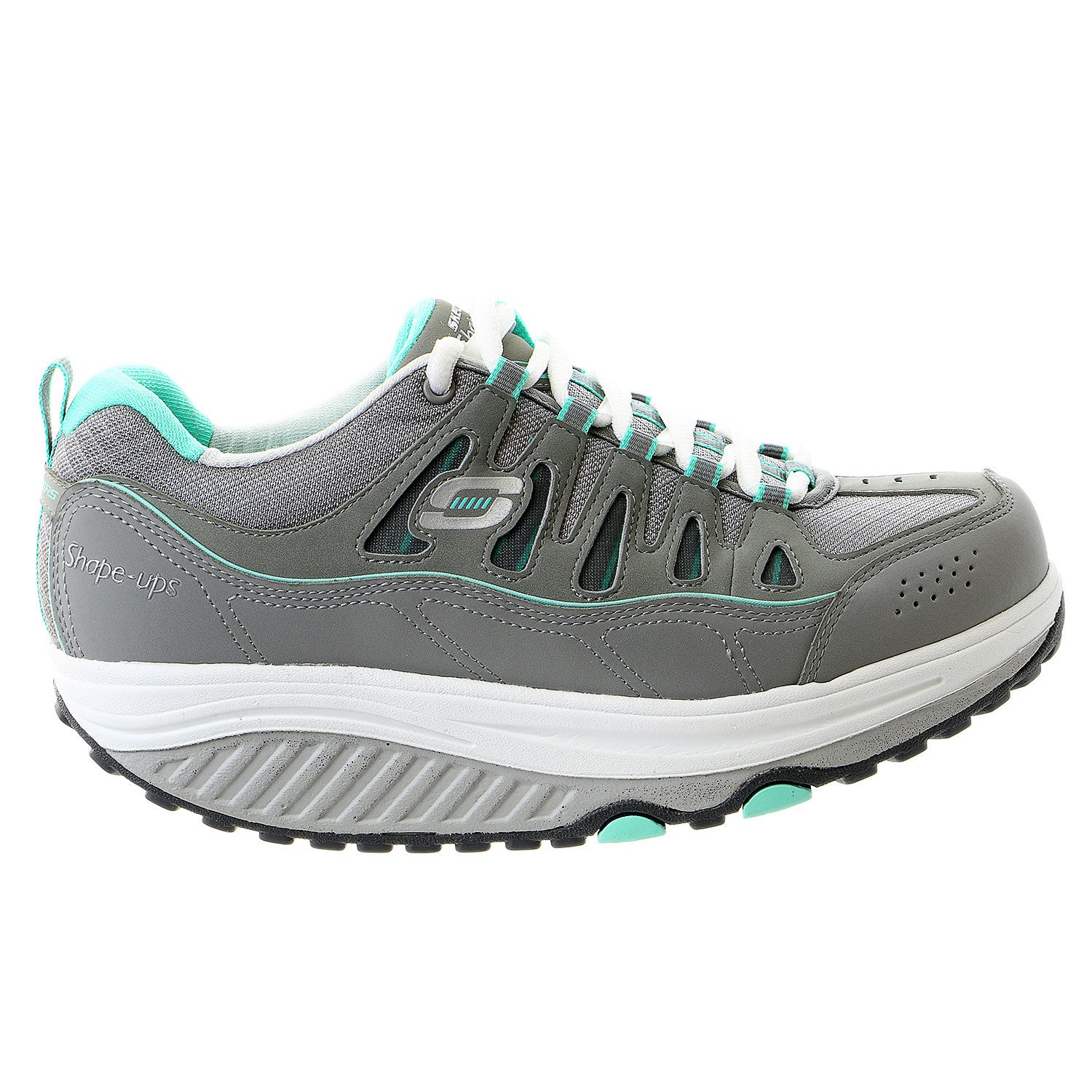
The evolution of midsole technology is perhaps the most compelling scientific argument for using tennis shoes in a walking context. Brands invest heavily in research to protect athletes’ joints. For instance, ASICS, which has a long history in both running and tennis footwear, utilizes its GEL cushioning system—a silicone-based material that absorbs shock—in many of its court shoes. This technology isn’t marketing fluff; it’s born from material science aimed at dissipating vertical impact forces. When you walk, your body absorbs a force of approximately 1.2 to 1.5 times your body weight with each step, a force that compounds over thousands of steps per day. A tennis shoe’s cushioning is engineered for the higher impacts of tennis (which can reach several times body weight), meaning it has a significant capacity to handle walking’s repetitive, lower-intensity loads. This creates a sensation of “plush” protection that many dedicated walking shoes strive for but don’t always achieve due to their focus on flexibility over maximal cushioning. The objective data from material stress tests, often published in white papers from university sports science departments, supports the efficacy of these polymer foams. Therefore, opting for a tennis shoes for walking can be seen as choosing a shoe with a cushioning safety factor—a system over-engineered for the task, which may lead to reduced fatigue and joint stress over long distances.
The Pronation Control Debate: Stability vs. Natural Motion
A central debate in all footwear is the degree of stability or motion control provided. Traditional walking shoes often feature a pronounced arch support and a firm medial post to combat overpronation. Tennis shoes approach stability differently. Their focus is on a “secure fit” and a “wide base” to prevent rollover during lateral cuts. This often results in a broader platform under the midfoot and heel, providing inherent stability. For a walker who does not have severe overpronation, this architectural stability from a shoe like the New Balance 996v4 may be perfectly sufficient and less restrictive than a rigid motion-control walking shoe. The viewpoint from platforms like Quora and Runner’s World forums often highlights personal anecdotes where individuals with mild stability needs found tennis shoes more comfortable than prescribed orthotic-style walkers. However, it is crucial to consult objective sources. The American Podiatric Medical Association (APMA) grants its Seal of Acceptance to specific models that meet their standards for foot health, and several tennis-style athleisure shoes have earned this seal. This third-party validation provides a scientific and medical basis for considering these designs as viable for pedestrian use, bridging the gap between specialized sport and general wellness.
Durability and Value: A Long-Term Investment for Your Walks
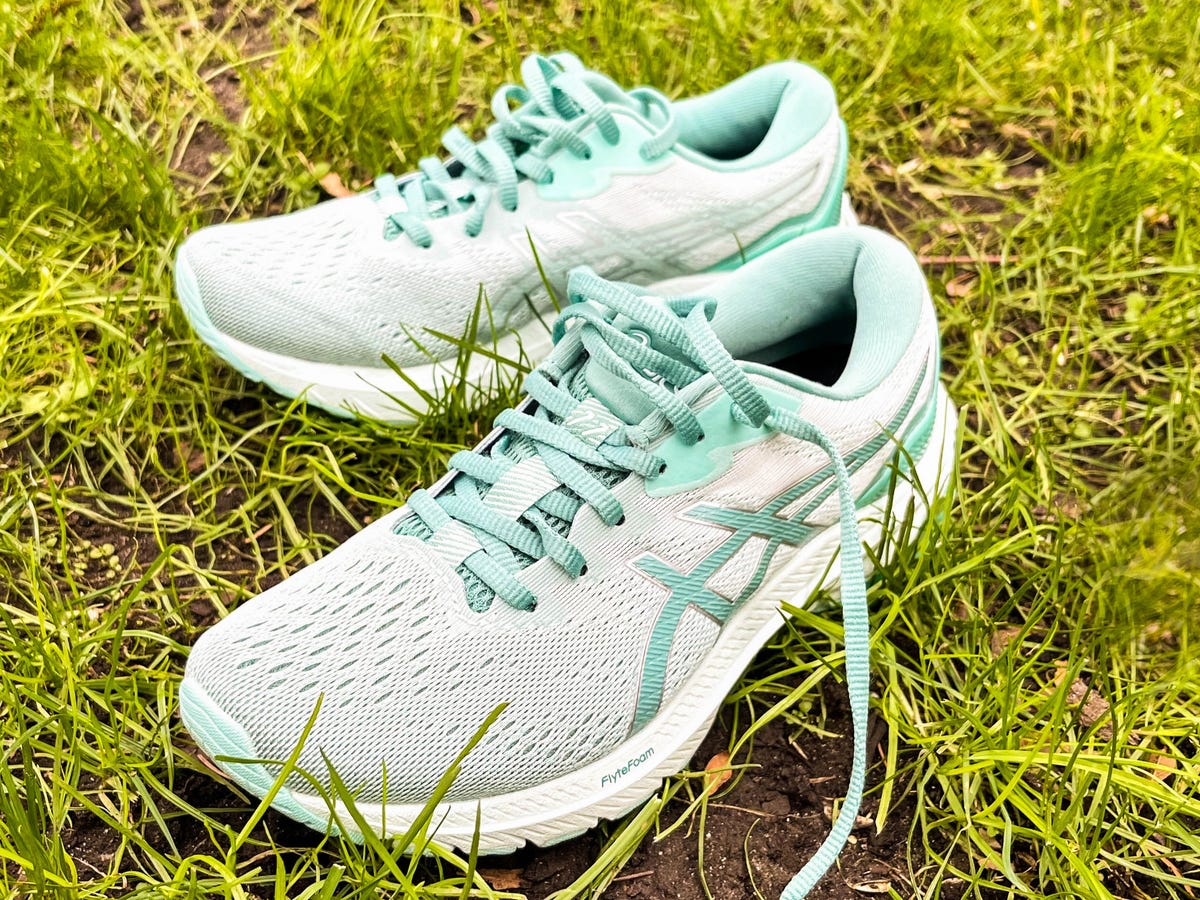
From a practical and economic standpoint, the durability of tennis shoes is a significant advantage. The outsole rubber compounds, such as Adidas’s Adiwear or the non-marking rubber common on many models, are explicitly formulated to withstand the abrasive surface of a tennis court. When transferred to asphalt or concrete, these soles often exhibit slower wear patterns compared to the softer carbon rubber on some running or walking shoes. This translates directly to a longer lifespan for the shoe, providing greater value per mile walked. Furthermore, the reinforced toe drag guards—a feature for servers sliding their toe on the court—unexpectedly protect the upper from scuffing during a walker’s natural stride. When we bring professional knowledge of material engineering to the user, the cost-benefit analysis becomes clear. While the initial price point for a premium tennis shoes for walking might be comparable to a high-end walking shoe (often in the $100-$150 range), the extended durability can lead to a lower long-term cost. Savvy shoppers can leverage this by looking for previous-season models or colorways, which are frequently discounted by 30-50% at major retailers and online outlets, bringing professional-grade technology to users at accessible price points.
Real-World Testimonials and Celebrity Influence
The adoption of athletic shoes for crossover purposes is often propelled by visible figures. While not a formal endorsement, observations of celebrities and athletes in their daily lives can influence trends. For example, tennis legend Roger Federer has been photographed in his own ON Roger Pro shoes, which blend court-inspired design with lifestyle comfort, during casual outings. On platforms like YouTube, certified fitness trainers and physical therapists, such as Dr. Austin Martinez, Director of Education for StretchLab, often analyze footwear from a biomechanical perspective. In various videos, the principle of using a stable, cushioned shoe for low-impact activities is frequently endorsed. As one influencer noted in a footwear review:
“The line between a great cross-trainer, a court shoe, and a walking companion is blurring. The key is to find a shoe that offers a secure heel, a responsive midsole, and a fit that doesn’t fight your foot’s natural movement. Sometimes, that shoe comes from the tennis aisle.”
These perspectives, while anecdotal, align with the scientific principles of support and cushioning, adding a layer of real-world validation to the concept.

Making Your Choice: A Practical Fitting Guide
If you are convinced to explore tennis shoes for walking, the fitting process is paramount. Remember, you are fitting for a heel-to-toe walking gait, not a tennis lunge. First, shop in the afternoon when your feet are naturally slightly swollen. Wear the socks you typically walk in. When trying on the shoe, ensure there is about a thumb’s width of space between your longest toe and the end of the shoe to prevent nail issues on downhill walks. The heel should be locked in place with minimal slippage. Pay close attention to the width; many tennis shoes come in standard and wide options to accommodate different foot volumes. As you walk around the store, focus on the flex point. It should bend easily at the ball of your foot, where your foot naturally flexes when pushing off. If the shoe is too stiff, it can cause arch or calf strain. Don’t be swayed by the “break-in” myth; modern performance shoes should feel comfortable almost immediately. This hands-on, professional fitting knowledge is the final step in translating the theoretical benefits of tennis shoe design into tangible, everyday walking comfort.
The journey through the world of tennis shoes for walking reveals a landscape where sport-specific engineering offers unexpected benefits for daily ambulation. From their scientifically-backed cushioning systems and inherent stability features to their exceptional durability and value, these shoes present a compelling alternative. The evidence, drawn from material science, biomechanical principles, and real-world user experiences, suggests that the best shoe for walking might not always be found in the “walking” section. It is an invitation to prioritize function over category, to seek out the objective qualities—support, cushioning, fit, and durability—that truly protect and propel you. Your perfect walking companion, offering both professional-grade performance and smart value, may indeed be waiting on the tennis shelf, ready to transform your every step.
:max_bytes(150000):strip_icc()/Web_1500-vwt-primary-best-overall-shoe-tstaples-118-671f4e0048e64d14a1c42e4f8d9e6658.jpg)
