

A Guide to Chic and Versatile Styling
Style is not about following every fleeting trend; it’s about cultivating a personal aesthetic that feels authentic and functions seamlessly in your daily life. The true art of dressing lies in mastering versatility—creating a wardrobe where pieces converse with each other, where a single item can traverse different contexts, moods, and occasions. This guide moves beyond the superficial to explore the foundational principles of building a chic and adaptable wardrobe, offering not just inspiration but actionable knowledge and strategic insights. We will dissect key concepts, ground our discussion in objective references, and provide you with the tools to make informed, confident sartorial choices that reflect both your personality and practical needs.
The Philosophy of a Capsule Wardrobe: Foundation of Versatility
The concept of the capsule wardrobe is often cited as the cornerstone of versatile styling. While the term gained modern popularity through figures like London-based stylist Susie Faux in the 1970s and was later championed by Donna Karan with her iconic “Seven Easy Pieces” collection, its roots are in a pragmatic approach to consumption. The principle is simple yet profound: a limited collection of essential, high-quality, and interchangeable items that form the backbone of your wardrobe. Academic literature on sustainable fashion, such as research from the Cornell University Department of Human Ecology, supports this model, highlighting its benefits in reducing decision fatigue, promoting mindful consumption, and maximizing cost-per-wear. A well-curated capsule isn’t about minimalism for its own sake; it’s about strategic maximalism—getting the most value, style, and utility from a carefully edited selection. This philosophy encourages investment in timeless silhouettes, superior fabrics, and neutral palettes that serve as a canvas for personal expression through accessories and statement pieces. By starting here, you build a reliable foundation that makes getting dressed an effortless, rather than exhausting, daily ritual.
Decoding Fabric and Silhouette: The Science of Drape and Form
Understanding the intrinsic properties of fabric and the geometry of silhouette is where personal style meets objective science. The drape, weight, and composition of a textile fundamentally determine how a garment behaves, feels, and lasts. For instance, natural fibers like merino wool, as explained in textile science resources from institutions like the Fashion Institute of Technology, possess inherent temperature-regulating and odor-resistant properties, making them ideal for versatile, multi-season wear. The silhouette—the garment’s overall shape—communicates before you utter a word. A-line skirts, straight-leg trousers, and tailored blazers are perennial because their geometries are flattering on a wide range of body types, a principle often explored in design theory and historical costume analysis. This knowledge empowers you to move beyond labels and trends. When you understand why a double-faced wool blazer holds its structure or how a bias-cut silk dress skims the body, you make purchases based on enduring value, not momentary whim. It’s the difference between owning a piece of clothing and owning a tool for style—a tool that will perform reliably season after season.
The Transformative Power of the Statement Shoe
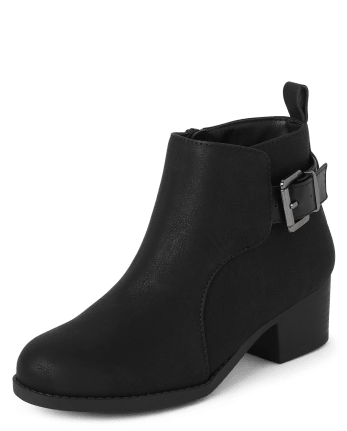
Footwear is the punctuation mark of an outfit, capable of elevating the mundane to the magnificent. Among the most potent tools in this category is the booties heels. This hybrid design masterfully bridges categories, offering the ankle-supporting structure of a boot with the elegant lift of a heel. Its versatility is unparalleled. As noted by style commentators on platforms like Who What Wear and The Zoe Report, a sleek pair of booties heels can seamlessly transition a daytime jeans-and-blouse combination into evening-appropriate attire. The closed toe makes it a viable option for cooler weather and professional environments where sandals might be inappropriate, while the heel injects a dose of sophistication. From the perspective of wardrobe economics, a well-chosen pair of booties heels in a neutral color like black, tan, or navy offers an exceptional cost-per-wear ratio. It’s a workhorse that complements everything from midi dresses to tailored trousers. The key to unlocking its potential lies in proportion; a shorter heel height (between 2 to 3 inches) often provides the perfect balance of comfort and polish, making it a truly versatile champion.

Strategic Accessorizing: The 80/20 Rule of Style
If the capsule wardrobe forms the sentence of your style, accessories are the adjectives and adverbs. The Pareto Principle, or the 80/20 rule, finds a perfect application here: 80% of your outfit’s impact can come from 20% of its components—the accessories. This isn’t mere opinion; it’s a strategy employed by iconic figures known for their signature style. Film costume designers, such as Edith Head (an eight-time Academy Award winner), famously used accessories to define character instantly. A bold belt, a structured handbag, a layered necklace, or a distinctive pair of sunglasses can completely redirect the narrative of a simple base outfit. On Quora threads dedicated to personal styling, seasoned fashion professionals consistently advise investing in a few high-quality, timeless accessories rather than a plethora of trendy, disposable items. A classic leather tote, simple hoop earrings, a delicate pendant necklace, and a elegant watch are not mere additions; they are style multipliers. They allow you to refresh your core wardrobe endlessly without needing to constantly buy new clothes, embodying both chic aesthetics and practical wisdom.

Color Theory in Practice: Beyond the Basic Black
While a neutral base is essential for versatility, color is the language of emotion and individuality in dress. Relying solely on black can become a creative crutch. Practical color theory, as taught in art and design schools and detailed on authoritative sites like Pantone’s color resources, provides a framework for confident experimentation. The concept of a cohesive color palette is crucial. Instead of random pops of color, build a personal palette of 3-4 complementary or analogous colors that work with your neutrals. For example, pairing navy (a neutral) with burgundy and mustard creates a rich, autumnal harmony. As the iconic designer Diana Vreeland once proclaimed, “The eye has to travel.” Color creates that journey. Furthermore, understanding your skin’s undertones (cool, warm, or neutral) can guide you toward shades that make you look vibrant rather than washed out—a principle widely discussed by makeup artists and stylists on YouTube channels dedicated to beauty and fashion. Integrating color strategically, perhaps through a scarf, a bag, or even a vibrant pair of booties heels, injects personality into your versatile foundation without compromising its mix-and-match capability.
Context is King: Adapting Your Core Style
A truly versatile style is context-aware. The same individual must navigate the professional codes of the office, the relaxed vibe of a weekend, and the formal demands of a special event. The chic solution is not to own entirely separate wardrobes but to own adaptable pieces. This is where layering and key item swaps come into play. A tailored blazer worn over a silk shell and trousers commands the boardroom; remove the blazer, swap the trousers for dark-wash jeans, and add those aforementioned booties heels, and you’re ready for a dinner date. The “third piece” rule—always adding a third element beyond top and bottom, like a jacket, cardigan, or statement accessory—is a simple trick endorsed by stylists on platforms like Harper’s Bazaar to instantly elevate an outfit’s complexity and appropriateness. Versatility is demonstrated by a piece like a high-quality cashmere sweater: it can be worn alone, layered under a coat, or tied over shoulders. This adaptive intelligence in styling ensures your wardrobe works for you, not the other way around, making you prepared and polished for any scenario life presents.

Smart Acquisition: Knowledge as Your Best Discount
Building a chic and versatile wardrobe is an exercise in intelligent acquisition, not mere accumulation. The most significant discount you can give yourself is the savings gained from avoiding impulsive, poor-quality purchases that languish unworn. This means becoming a savvy shopper. Prioritize fit and fabric over brand names. Learn to recognize hallmarks of quality construction: fully lined garments, French seams, secure stitching, and natural fiber content. Time your purchases to align with seasonal sales for classic items, but resist buying trendy pieces just because they are on sale. Resources like the “Buyer’s Guide” sections on sites like Consumer Reports or textile care blogs offer objective data on garment longevity. Furthermore, embracing pre-loved platforms for luxury accessories or timeless outerwear can provide access to superior quality at a fraction of the retail price. When you do invest in a new cornerstone piece, like a perfect pair of leather booties heels, view it through the lens of cost-per-wear over years, not just the initial price tag. This mindful, knowledge-driven approach is the ultimate strategy for cultivating a wardrobe that is both economically sound and aesthetically profound.
Ultimately, chic and versatile styling is a sustainable practice in self-expression. It is a dialogue between the enduring principles of good design—quality, proportion, color, and function—and your unique personality. By grounding your choices in this informed framework, you liberate yourself from the chaos of trends and build a wardrobe that is coherent, reliable, and deeply personal. Your style becomes a signature, quietly confident and always ready, proving that true versatility is the highest form of sartorial elegance.
