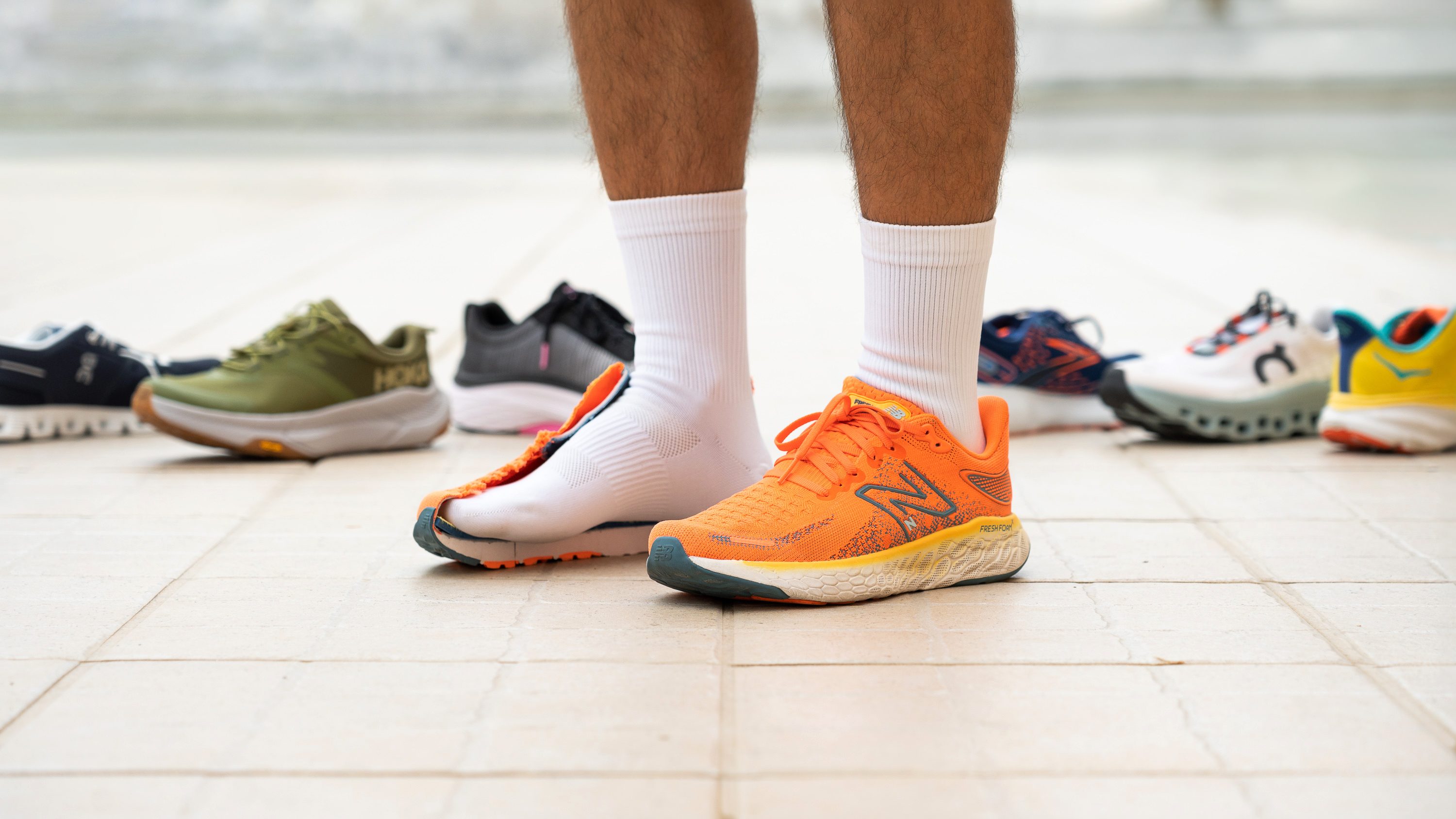
The Walking Shoe: Your Secret to Effortless Style and All-Day Comfort
Forget the notion that comfort and style exist in separate realms. The modern walking shoe has evolved into a sophisticated hybrid, a piece of footwear engineered not just for movement but for living. It is the unsung hero of a well-curated wardrobe, the foundation upon which a day of confidence and ease is built. This isn’t about athletic performance in the traditional sense; it’s about the performance of your daily life. From the morning commute to an evening stroll, the right pair of walking shoes can transform your experience of the urban landscape, turning obligation into enjoyment and fatigue into vitality. We are no longer forced to choose between aching feet and looking polished. The convergence of biomechanical research, advanced materials science, and thoughtful design has given birth to a category of shoe that does it all. This article delves into the anatomy of this essential item, explaining why it works, how to choose it, and why investing in a proper pair is an investment in your well-being and personal presentation.
The Engineering of Comfort: More Than Just Soft Soles
The comfort of a superior walking shoe is a deliberate science, not an accident. It begins with an understanding of the gait cycle—the complex sequence of heel strike, foot flat, mid-stance, heel-off, and toe-off that occurs with every step. A shoe designed for running prioritizes forward motion and impact absorption from vertical forces, often with maximal cushioning. A walking shoe, however, must address the distinct mechanics of walking, where the body’s weight rolls more gradually from heel to toe, with longer contact time and different pressure distributions. According to biomechanics literature from institutions like the University of Calgary’s Human Performance Laboratory, effective walking footwear requires a specific combination of heel cushioning, midfoot stability, and forefoot flexibility. The midsole, often composed of proprietary compounds like EVA (ethylene-vinyl acetate) foam, polyurethane, or advanced gels (like ASICS’ GEL technology), is engineered to provide resilient cushioning that doesn’t bottom out. The rocker sole—a subtly curved geometry—is a critical feature often overlooked. It facilitates the natural roll of the foot, reducing strain on the Achilles tendon and calf muscles, a point emphasized by podiatrists in publications like The Journal of Foot and Ankle Research. This isn’t mere padding; it’s a guided system that works in harmony with your body’s mechanics to minimize energy expenditure and joint stress over thousands of steps.

Arch Support and Stability: The Unseen Foundation
Beneath the cushioning lies the architectural blueprint of the shoe: its support system. Imagine building a house on sand versus bedrock; the same principle applies to your feet. The arch of your foot is a dynamic, shock-absorbing structure. A proper walking shoe provides contoured arch support that matches your foot type—whether neutral, low-arched (overpronator), or high-arched (supinator). This support is typically integrated into the shoe’s insole or midsole and is crucial for maintaining proper alignment from the foot up through the ankle, knee, and hip. As noted on authoritative health platforms like WebMD and the American Podiatric Medical Association’s site, inadequate arch support can lead to a cascade of issues, including plantar fasciitis, shin splints, and even back pain. The stability comes from a combination of a firm heel counter (the cup at the back of the shoe that holds the heel in place) and often a medial post—a denser section of material on the inner side of the midsole to prevent excessive inward rolling. Brands like Brooks and New Balance invest heavily in this technology, offering a range of widths and support levels. This tailored approach ensures that the shoe doesn’t just fit your foot’s length, but its very shape and biomechanical function, creating a stable platform for all-day wear.
:max_bytes(150000):strip_icc()/vwt-asics-womens-gel-pulse-16-jinfeng-chen-21-712f0f140e834b84b3a8dcf0bf154771.jpeg)
The Aesthetic Evolution: Where Performance Meets Polish
Gone are the days when comfortable shoes were synonymous with clunky, white, overtly athletic silhouettes. The contemporary walking shoe has undergone a sartorial revolution. Designers have successfully integrated technical features into sleek, minimalist, and often fashion-forward profiles. You can now find options in premium leathers, sophisticated suedes, and muted color palettes that seamlessly pair with tailored trousers, dresses, or smart casual wear. This shift is reflected in the market itself. As Tim Gunn, the iconic fashion consultant, has often stated, “The details are not the details. They make the design.” The detail here is the invisible technology within a polished exterior. Brands like Cole Haan, Ecco, and even luxury houses have entered the space, blending Grand.ØS cushioning (inspired by running shoe tech) with Oxford-derived uppers. The message is clear: you do not need to sacrifice your personal style for comfort. This fusion answers a growing consumer demand, documented in trend reports from sites like Business of Fashion, for “functional fashion” or “utility chic”—items that are as practical as they are presentable. The walking shoe has become a stealth piece of tech-wear, its value lying in what it does, not just how it looks, while simultaneously ensuring it looks impeccable.
Material Matters: Breathability and Durability in Harmony
The upper of the shoe is where comfort meets durability head-on. Modern materials are engineered to solve age-old problems. Mesh fabrics, particularly engineered or knitted meshes (like Adidas’ Primeknit or Nike’s Flyknit), provide exceptional breathability, allowing heat and moisture to escape, which is vital for maintaining foot health and comfort during long periods of wear. Leather and suede options are treated for flexibility and often incorporate moisture-wicking linings. The importance of this cannot be overstated. As per resources from the American Academy of Dermatology, a moist environment inside a shoe is a breeding ground for bacteria and fungi, leading to discomfort and conditions like athlete’s foot. Furthermore, durability is engineered through reinforced stitching in high-stress areas, abrasion-resistant toe bumpers, and robust, yet flexible, outsole compounds like carbon rubber or blown rubber that offer traction and longevity. A well-constructed walking shoe is an investment piece. While the initial cost of a quality pair from brands like Hoka or Saucony might be higher, the cost-per-wear over their lifespan—often 300-500 miles of walking as recommended by the American College of Sports Medicine—makes them a economically sound choice compared to cheaper, less supportive shoes that degrade quickly and offer little biomechanical benefit.

The Health Imperative: An Investment in Your Longevity
Choosing the right footwear is a proactive health decision. Your feet are the foundation of your entire musculoskeletal system. Compromising on their support has ripple effects. Consider the words of renowned author and walking advocate, Erling Kagge, in his book Walking: One Step at a Time: “Walking is the answer to most of my questions.” But to walk without pain or inhibition requires the right tool. Scientific studies, such as those cited in The Journal of Orthopaedic & Sports Physical Therapy, consistently show that appropriate footwear can significantly reduce impact forces on joints and lower the risk of overuse injuries. This is not merely about avoiding pain today; it’s about preserving mobility for decades to come. A proper walking shoe encourages an active lifestyle by removing the barrier of discomfort. It makes walking—the most fundamental and accessible form of exercise—a pleasure rather than a chore. The benefits of regular walking, as extolled by health authorities from the CDC to the NHS, are vast: improved cardiovascular health, weight management, enhanced mental well-being, and reduced risk of chronic diseases. The right shoe is the enabler of this simple, powerful medicine.
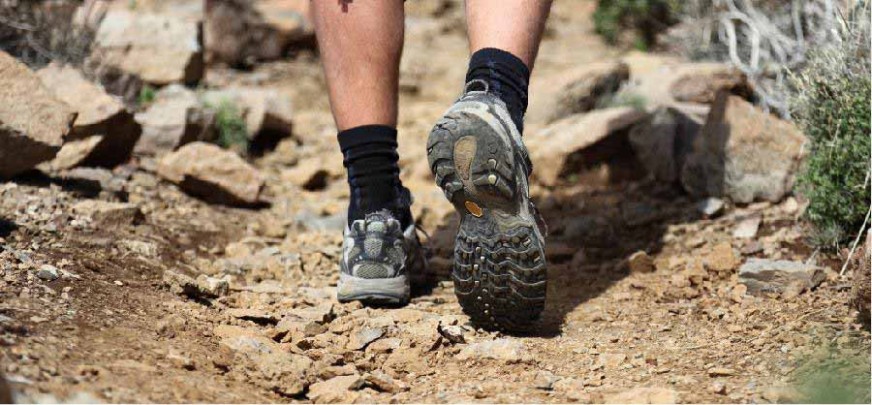
Making the Smart Choice: Knowledge and Value
Armed with this knowledge, your purchasing decision transforms from a guess to an informed selection. Start by identifying your foot type and gait. Many specialty running stores offer free gait analysis. Look for key features: a roomy toe box (about a thumb’s width of space in front of your longest toe), a secure but not tight heel fit, ample arch support, and flexible forefoot. Don’t be swayed by style alone; inspect the shoe’s construction and read reviews that focus on long-term comfort and durability. Remember, the most expensive shoe is not necessarily the best for you; the correct fit and function are paramount. And here is where value meets expertise: investing in a truly well-made pair often means they last longer and perform better, reducing the frequency of replacement and, more importantly, the risk of injury. While premium models from brands like On or Altra command higher prices, the market also offers exceptional value. Look for previous-season models, which often see significant discounts while retaining all the core technology, or explore direct-to-consumer brands that offer high-quality construction at more accessible price points by cutting out retail markups. Your comfort and health are worth this discernment.
The pursuit of a shoe that offers both uncompromising comfort and understated style is no longer a fantasy. The modern walking shoe stands as a testament to human-centered design, where deep scientific understanding converges with aesthetic sensibility. It is a tool for wellness, a component of style, and a daily companion that quietly elevates every experience. By choosing wisely, you are not just buying footwear; you are choosing to walk through life with greater ease, confidence, and vitality. Let your steps be supported, and your style, effortless.