

Cheetah Print Heels Are Closer to a Neutral Than You Think
I bought cheetah print heels for a dinner I was nervous about. The plan was to wear them once, feel brave, and put them back in the box. Instead they became the pair I reach for when I can’t decide, which surprised me more than anyone.
Here’s the reason, and it took me two years to work out: the print is not loud. It’s brown and black and tan, which is the same colour range as half my wardrobe. A red shoe demands an answer. A spotted one just sits there being warm and slightly feral, and it goes with nearly everything I own.
That’s the claim I want to test in this piece, season by season, because I’ve now worn the same pair through a full year of real life.
Short answer: it holds up.
Where the print actually comes from
The spots exist in nature for a boring reason. On a cheetah they break up the animal’s outline in tall grass, which is why the pattern reads as speed and focus rather than decoration. Somewhere along the way that association got attached to people who wanted to look like they weren’t waiting for permission.
Christian Dior put it into the 1947 New Look collections, and by the fifties it had moved from exotic curiosity to something rock musicians wore. Then the nineties happened and every supermodel had a coat. That’s a long run for a pattern that gets called a trend every four years.
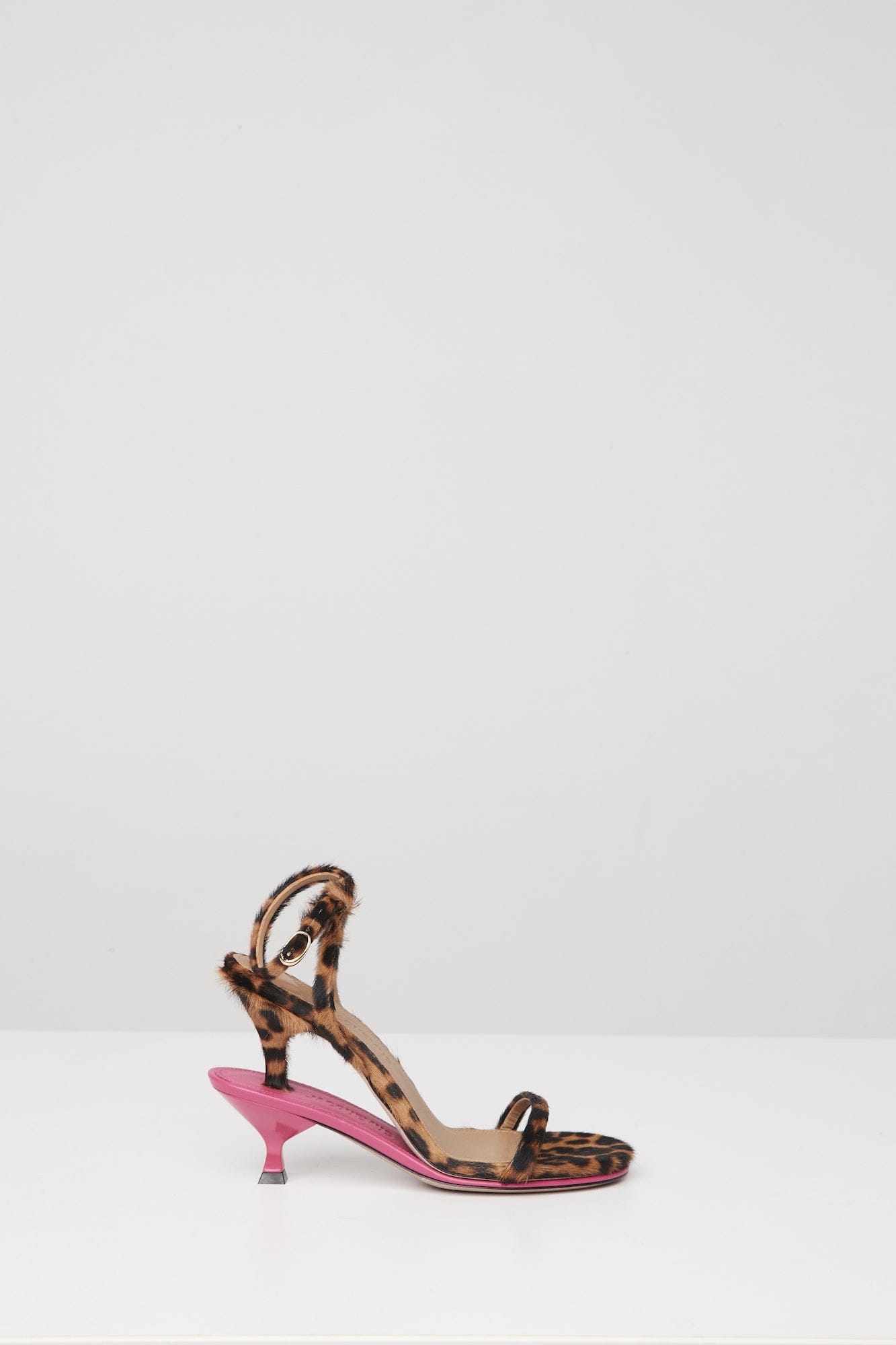
Spring: the trench coat test
The easiest way to start is a pointed pair under a stone or beige trench. The coat is plain enough to hold the whole outfit, and the shoes are the only thing with a personality. I wore exactly that to a first-day-of-term parents’ meeting and felt absurdly confident for someone holding a form about nut allergies.
The second version is a white linen dress, knee length, nothing else. That contrast between a clean fabric and a print that looks like it’s about to bite something is the whole appeal. Diana Vreeland said the eye has to travel. In spring it can travel down to your feet and stop there.
I’d skip the matching bag, by the way. A printed shoe plus a printed accessory is where this look goes wrong, and it goes wrong fast enough that you notice in the car.

Summer: sandals, shorts, and very little effort
A strappy sandal in the print does more work than any other summer shoe I own. Wide denim shorts, an oversized white shirt with the sleeves rolled, and you’re done. It looks deliberate without looking planned, which is the only kind of summer dressing worth bothering with.
For evenings, a mule with a slip dress in black or champagne. The print supplies all the decoration, so the dress can be as plain as a nightie. One accessory that carries the outfit beats five that argue with each other.
Fair warning: strappy sandals in this print show every scuff on the toe strap, and cheap ones start peeling at the edge by August. Mine have a small scar from a bar stool and I’ve decided to call it patina.
If heels aren’t happening in July, a flat slide in the same print does most of the job. It’s less dramatic and considerably more practical on hot pavement, and the print still does what it does.
Autumn: where the print stops being a statement
This is the season the shoes earn their keep. Tan, brown, and black sit naturally next to ochre, burgundy, olive, charcoal, which means the print functions as a neutral in outfits where a solid shoe would look flat.
Block-heel ankle boots are the buy if you only want one pair for cold weather. Mine go with a chunky knit and a suede midi skirt, and also with plain grey wool trousers and a shirt, and one of those combinations gets worn every single week from October to December.
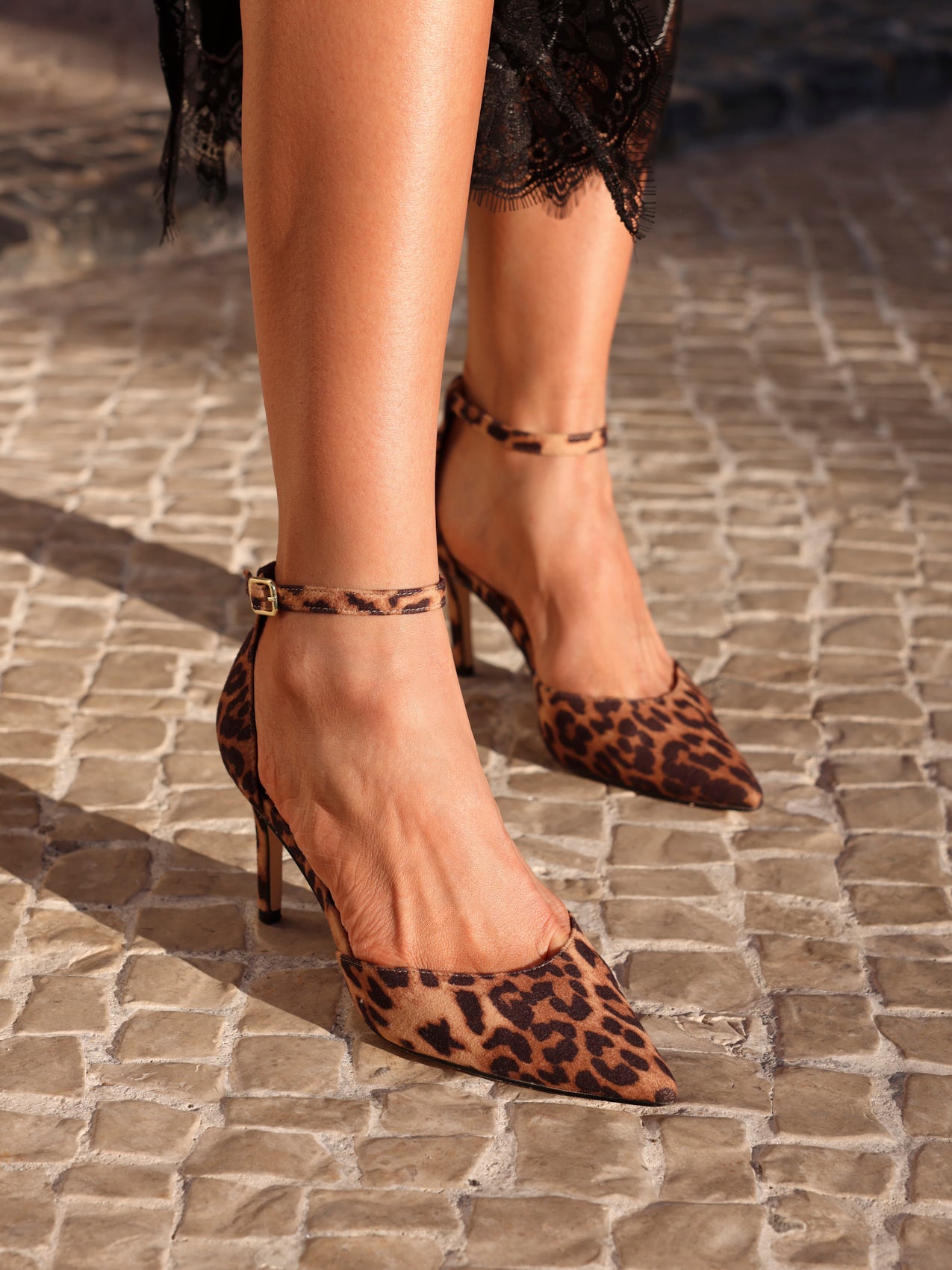
Winter: the trousers trick
One centimetre of spotted shoe showing under a wide wool trouser is a better winter move than any boot I’ve tried. It breaks up the grey without adding bulk, and it still looks like you dressed for a city rather than a ski lodge.
Opaque black tights are fine with it. Sheer ones are not, at least on me; the print plus a sheer leg is too much going on below the knee, and I say that as someone who defends the print in every other context.
Cashmere turtleneck, long structured coat, cheetah pump or bootie at the bottom. The tailoring contains the wildness, which is what makes it work. I wore this combination to a January meeting where everyone else was in black, and the shoes did the talking so I didn’t have to.
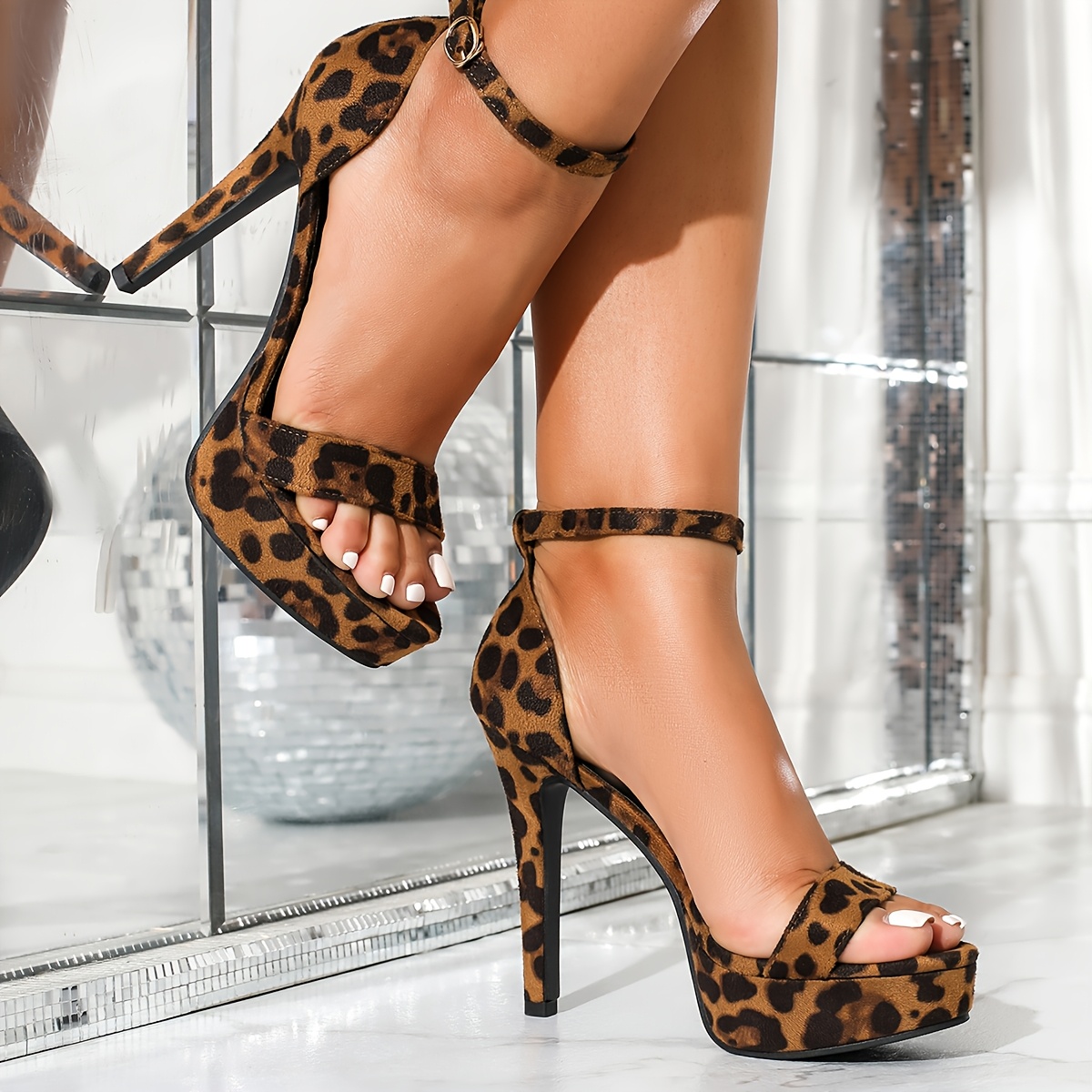
Is a printed heel worth real money?
Yes, if you actually wear it, and that’s the test. A printed shoe gets seen more than a plain one because people remember it, so buying two cheap pairs that die inside a season is the expensive route.
What you’re paying for is material and construction. Calfskin takes a scuff and recovers. A bonded synthetic peels at the heel counter after six weeks. Stitching along the vamp should be tight and even, and the heel should feel solid when you twist it with your hand. I once bought a pair that looked perfect and clicked like tap shoes on tile. That click was a hollow heel, and it cracked by March.
That’s the whole argument, really. Pay once for the pair you’ll wear.
Leopard print is a neutral. It goes with everything. It’s not a trend, it’s a classic. Designers keep repeating that line because it happens to be true.
Choosing a pair that doesn’t look cheap
Silhouette first. A pointed pump lengthens the leg and works for anything with a collar. A block-heel mule is the version I’d recommend for a first buy, because it survives a whole day of walking and looks fine with both jeans and a skirt. An ankle boot is the third option and the one that earns the most wear between November and February.
Then the print scale. Small, dense spots read as refined from a distance, which is safer in an office. Large irregular spots look bolder and more expensive in photos, but they also draw attention to the width of your foot, so try them on rather than ordering blind.
Base colour matters more than most people think. Tan and black is the most useful combination and the one that works with the most clothes. Black and white is graphic and dramatic and much harder to wear on a Tuesday.
If you’re ordering online, check the returns policy before the colour. A pair you can send back is worth more than a pair that’s five pounds cheaper and final sale.
Last thing: try them on at four in the afternoon. Feet swell, and a printed pump that felt fine at ten in the morning will have you limping by dinner. Mine are half a size up from what I’d have chosen in the shop, with a thin insole, and that’s the only reason I can wear them for a full evening.
Buy one pair, in the size that actually fits, and wear them somewhere ordinary first. A supermarket run in cheetah heels will teach you more about whether they were worth the money than any amount of looking in a mirror.
