

Leopard Print Heels: How to Style Them for a Bold Fashion Statement
Fashion is a language of its own, and few items speak as loudly and confidently as a pair of cheetah print heels. They are not merely footwear; they are an assertion of personality, a deliberate step into a realm of untamed elegance and calculated risk. To wear them is to engage in a dialogue with style itself, challenging the mundane and embracing the dynamic. This article is your guide to mastering that dialogue, moving beyond the fear of “too much” to the confidence of “just right.” We will dissect the anatomy of this powerful pattern, provide actionable styling frameworks, and ground our advice in a tapestry of cultural references and objective analysis. The goal is not just to tell you how to wear these heels, but to explain why they work, empowering you to make them an authentic and formidable part of your wardrobe arsenal.
The Primal Allure: Deconstructing the Leopard Print Phenomenon
Before we style, we must understand. Leopard print, often colloquially and interchangeably referred to as cheetah print (though zoologically distinct), carries a weight of historical and psychological significance. From a scientific perspective, our attraction to animal prints is often linked to biophilia—the innate human tendency to seek connections with nature and other forms of life. Evolutionary psychologists might suggest that such patterns subconsciously signal vitality, strength, and a connection to the wild. In fashion history, its mainstream adoption as a symbol of luxury and rebellion is well-documented. As fashion historian Dr. Valerie Steele has noted in her work for The Museum at the Fashion Institute of Technology, animal skins and their prints have long been associated with power and prestige, transitioning from literal pelts worn by royalty to printed motifs popularized in the mid-20th century by designers like Christian Dior and the iconic style of figures such as Josephine Baker. The print’s journey is a narrative of appropriation and transformation, from a sign of the hunter to a badge of the fashionably hunted. A cheetah print heel distills this complex history into an accessory. It is wearable art that references a primal past while being firmly situated in contemporary sartorial discourse. Websites like Business of Fashion have analyzed its cyclical resurgence, noting its perpetual link to economic confidence and a desire for expressive individualism. When you strap on a pair, you are not just putting on shoes; you are tapping into a rich lineage of audacious self-presentation.
Architecting Your Outfit: The Foundation-First Approach
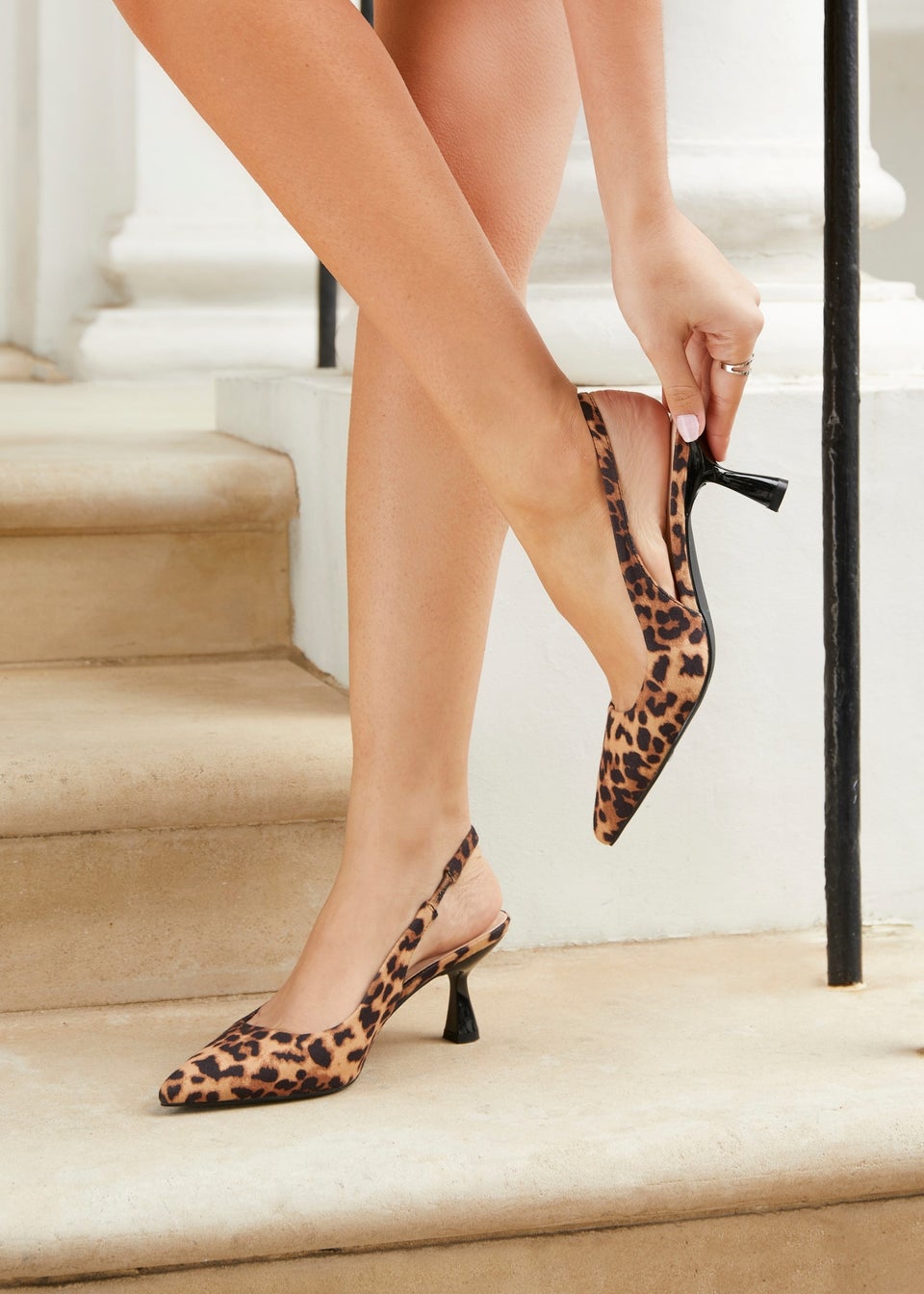
The cardinal rule for styling cheetah print heels is to let them be the star. This requires a disciplined, foundation-first approach to the rest of your ensemble. Think of your outfit as a gallery wall: the heels are the striking centerpiece masterpiece, and everything else is the neutral, complementary frame. Your base layer—be it a dress, a suit, or separates—should primarily consist of solid, muted colors. Classic black is the most powerful and foolproof ally. A simple black slip dress, a tailored black pantsuit, or black cigarette trousers create a sophisticated void that makes the print pop with electric intensity. Neutrals like crisp white, camel, beige, and navy blue are equally effective, offering a cleaner, more modern contrast. The psychological effect here is one of balance. As principles from visual design and the Bauhaus school teach us, a focal point needs space to breathe. By anchoring your look with these quiet tones, you provide a structured canvas. This method is endorsed by countless style authorities, from the minimalist ethos of designers like Phoebe Philo to the timeless advice found in style bibles like Influence by Mary Kate and Ashley Olsen. The message is clear: restraint elsewhere amplifies impact where it counts. This strategy also has a practical benefit; it makes the heels versatile. A single bold pair can be the transformative element for multiple quiet outfits, offering a high-fashion return on investment.
The Art of Pattern Clashing: For the Intrepid Stylist
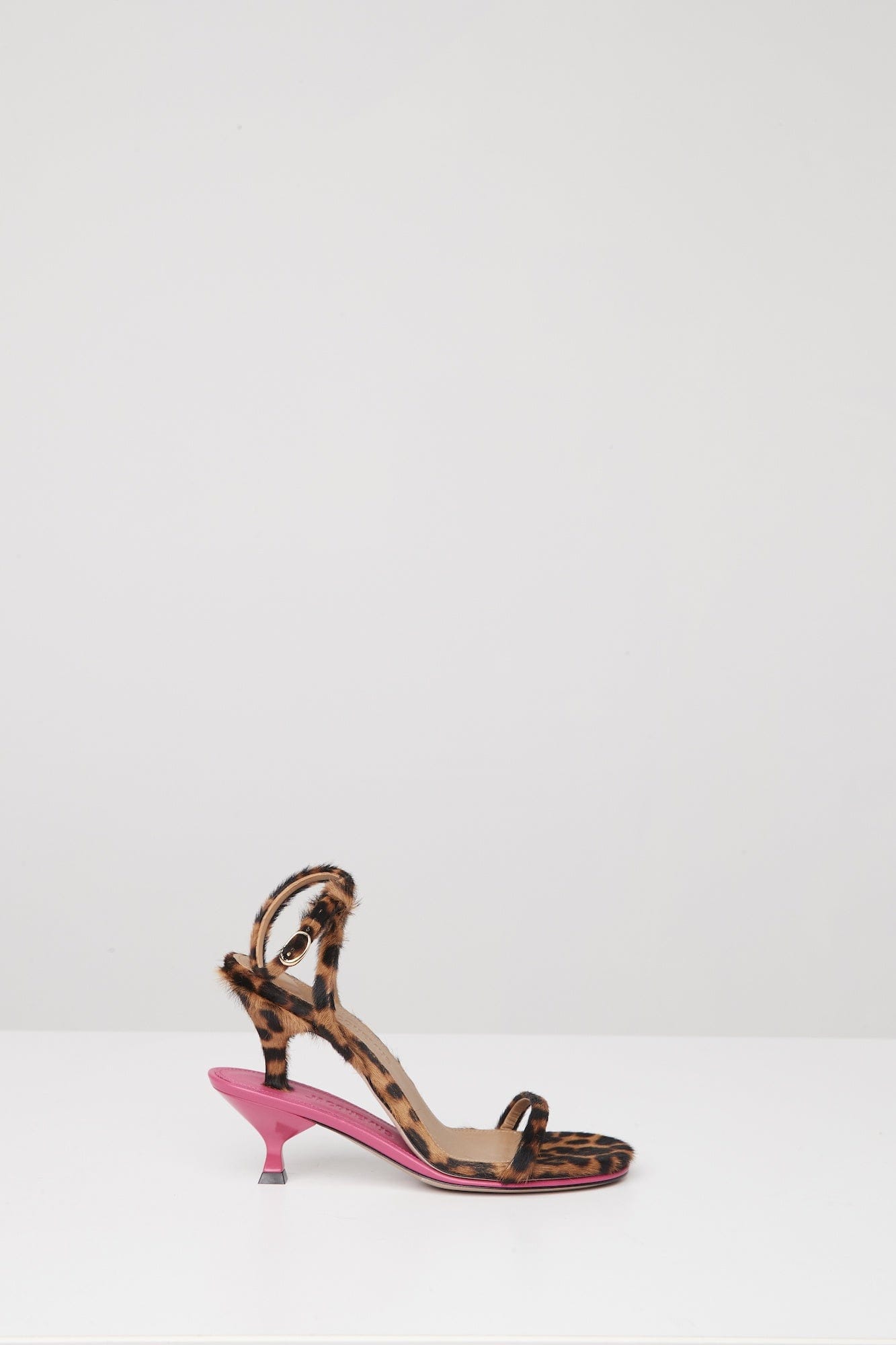
Once you have mastered the foundation, you may feel the call to advance to fashion’s advanced seminar: intentional pattern clashing. This is not for the faint of heart, but when executed with precision, it elevates your style to editorial levels. The key is to vary the scale and type of pattern. If your cheetah print heels feature a small, tight motif, pair them with a garment featuring a much larger, more graphic pattern—like wide pinstripes, a giant windowpane check, or a bold floral with substantial negative space. The contrast in scale prevents the patterns from visually merging into a chaotic blur. Color linkage is your secret weapon. Pick out one secondary color from the heels (perhaps the background tan or a contrasting heel cap) and find a pattern that incorporates that same hue. This creates a thread of continuity that ties the look together intellectually. References for this technique abound in fashion journalism. Websites like Who What Wear frequently analyze street style stars and runway shows from houses like Miu Miu or Dolce & Gabbana, where clashing is a refined art. As fashion icon Iris Apfel, a maestro of mixology, once famously stated:
“More is more and less is a bore. You have to be interested, and interesting. If you match, it’s a formula, and a formula is boring.”
This philosophy champions the thoughtful, personal curation of patterns. It’s a dialogue between pieces, with your cheetah print heels offering a consistent, rhythmic voice amidst the chorus.
Silhouette and Proportion: The Structural Considerations
The cut and proportion of your clothing are the silent partners that can make or break the look. Cheetah print heels, especially with a stiletto or a substantial block heel, inherently command attention to the lower half of your body. Your clothing silhouette should harmonize with this focal shift. For a sleek, powerful look, pair them with wide-leg, high-waisted trousers that just graze the floor. The heel peeks out provocatively with each step, offering glimpses of print—a technique often seen on the runways of brands like Saint Laurent. This creates an aura of mystery and elongated, commanding height. Conversely, for a playful, modern twist, style them with a mini skirt or a tailored shorts suit. Here, the heels become the undeniable anchor of the look, their wild pattern balancing the exposure of skin with sophisticated texture. The midi-length dress or skirt is perhaps the most universally flattering partner. It hits at the calf, allowing the entire shoe to be visible, framing it perfectly. This understanding of proportion isn’t arbitrary; it’s rooted in the principles of the golden ratio and aesthetic balance studied in art and design programs at institutions like the Rhode Island School of Design. It’s about creating visual pathways for the eye, where the heel is a deliberate and rewarding destination.
Context is King: From Boardroom to Bar
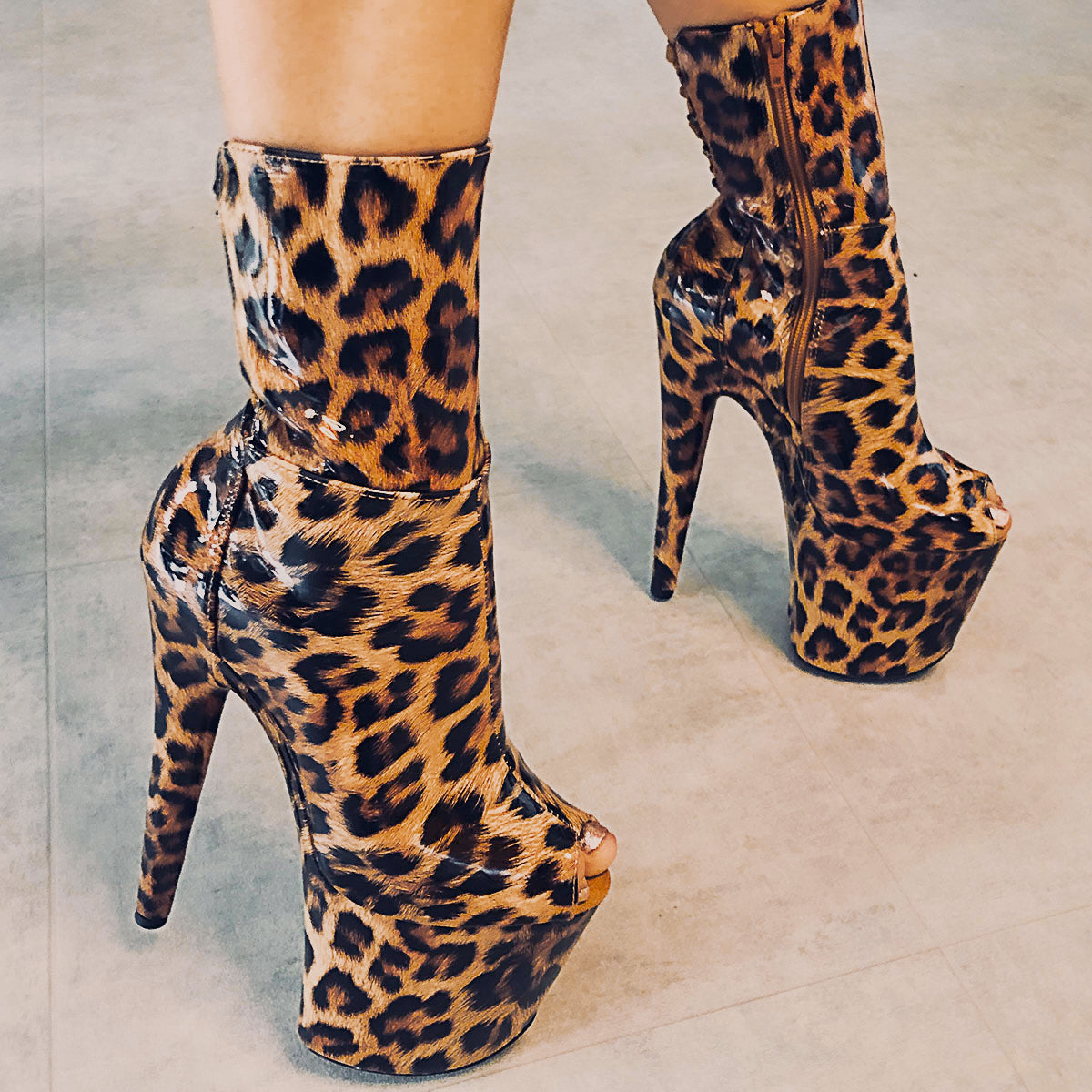
The true test of a versatile piece is its ability to cross contextual boundaries. Cheetah print heels are uniquely equipped for this journey. For the professional environment, the key is containment. Choose a closed-toe pump or a sleek slingback in the print. Pair it with your most authoritative uniform: a sharp, single-breasted blazer in navy or grey, tailored trousers, and a simple shell. The print, contained in a classic shoe shape, becomes a whisper of personal rebellion within a framework of competence—a tactic often recommended by executive style coaches featured on platforms like LinkedIn Learning. It signals creative confidence without sacrificing professionalism. Transitioning to evening wear requires a shift in attitude. Here, you can embrace the print’s inherent drama. An LBD (Little Black Dress) is transformed from classic to captivating. A sleek jumpsuit in velvet or silk becomes instantly fiercer. The heels now converse freely with metallic accessories, statement jewelry, and a bold lip. In the casual realm, the juxtaposition is king. Imagine your favorite faded, straight-leg blue jeans, a simple white t-shirt, and a leather jacket. Now, swap your sneakers for a pair of cheetah print heels. The effect is alchemical—effortlessly cool, borrowed from the playbooks of off-duty models and style influencers chronicled on Vogue’s digital platforms. This chameleonic ability is their superpower.

Investment and Acquisition: Building Your Signature Statement
Embracing this trend is an investment in a lasting style archetype. When selecting your pair, consider the heel shape and material as they dictate personality. A pointed-toe stiletto screams high-fashion and power, a round-toe block heel offers retro-modern comfort, and a kitten heel provides a dose of quirky, Parisian chic. Quality is paramount; look for well-defined printing and sturdy construction. From a professional consumer standpoint, understanding the market yields value. While luxury designers offer exquisite iterations, numerous contemporary and high-street brands produce excellent quality versions at accessible price points. The savvy shopper monitors seasonal sales, outlet sections of premium brands, and reputable online retailers that offer discount codes for first-time subscribers. Websites like Shopbop, Net-a-Porter, and even targeted Amazon collections often have sales where bold statement pieces like these can be acquired for 20-30% off, especially at the end of a fashion season. Remember, a timeless pattern like this transcends micro-trends, making it a cost-per-wear champion. Your cheetah print heels are not a fleeting purchase; they are a strategic addition to your style portfolio.
Stepping out in leopard print heels is a definitive act. It is a rejection of the bland and an embrace of the beautifully feral. Through the frameworks of foundational neutrals, intelligent pattern play, proportional awareness, and contextual adaptability, you harness their power without being overpowered. This is not about following a trend slavishly; it is about adopting a symbol and making it your own. The evidence from fashion history, psychology, and the consistent endorsement by style arbiters across media confirms their status as a perennial tool for self-expression. So, lace up, buckle up, or slide into your chosen pair. Let each step be a confident punctuation mark in your personal style narrative, a bold statement that you are both the observer and the most captivating part of the landscape.
