

Step Into Comfort and Style with Vionic Walking Shoes
For years, I viewed walking shoes as a necessary compromise—a sacrifice of aesthetics for the sake of foot comfort. That perspective shifted entirely when I discovered a category of footwear that refuses to accept that compromise. This isn’t about a fleeting trend; it’s about a fundamental re-engineering of how we think about supportive footwear. The journey from enduring a walk to truly enjoying it begins with understanding the science beneath our feet and ends with finding a shoe that honors both biomechanics and personal style. The vionic walking shoe represents this synthesis, a product born from podiatric science that doesn’t ask you to choose between feeling good and looking good.
The Foundation: Why Biomechanics Matter in Every Step
To appreciate what sets a specialized walking shoe apart, we must first delve into the complex mechanics of human gait. Walking is a repetitive, weight-bearing activity that sends shockwaves through our joints with each step. According to biomechanics literature from institutions like the University of Virginia’s Motion Analysis Laboratory, the human foot is a marvel of engineering, comprising 26 bones, 33 joints, and over 100 muscles, tendons, and ligaments. Its primary functions are shock absorption, adaptation to terrain, and providing a rigid lever for propulsion. When any part of this system is unsupported or misaligned, it can lead to a cascade of issues, from plantar fasciitis and flat feet to knee, hip, and even lower back pain. Conventional fashion-focused footwear often prioritizes a slim silhouette, forcing the foot into an unnatural position and failing to provide the arch support or heel stabilization our anatomy demands. This is not merely anecdotal; peer-reviewed studies in journals like Gait & Posture consistently correlate improper footwear with increased kinetic disturbances in the lower limb chain. Therefore, the argument for a biomechanically sound shoe is not one of mere comfort—it is a preventative health measure. A well-designed shoe acts as an external exoskeleton, guiding the foot through its natural motion from heel strike to toe-off, ensuring stability and distributing pressure evenly.
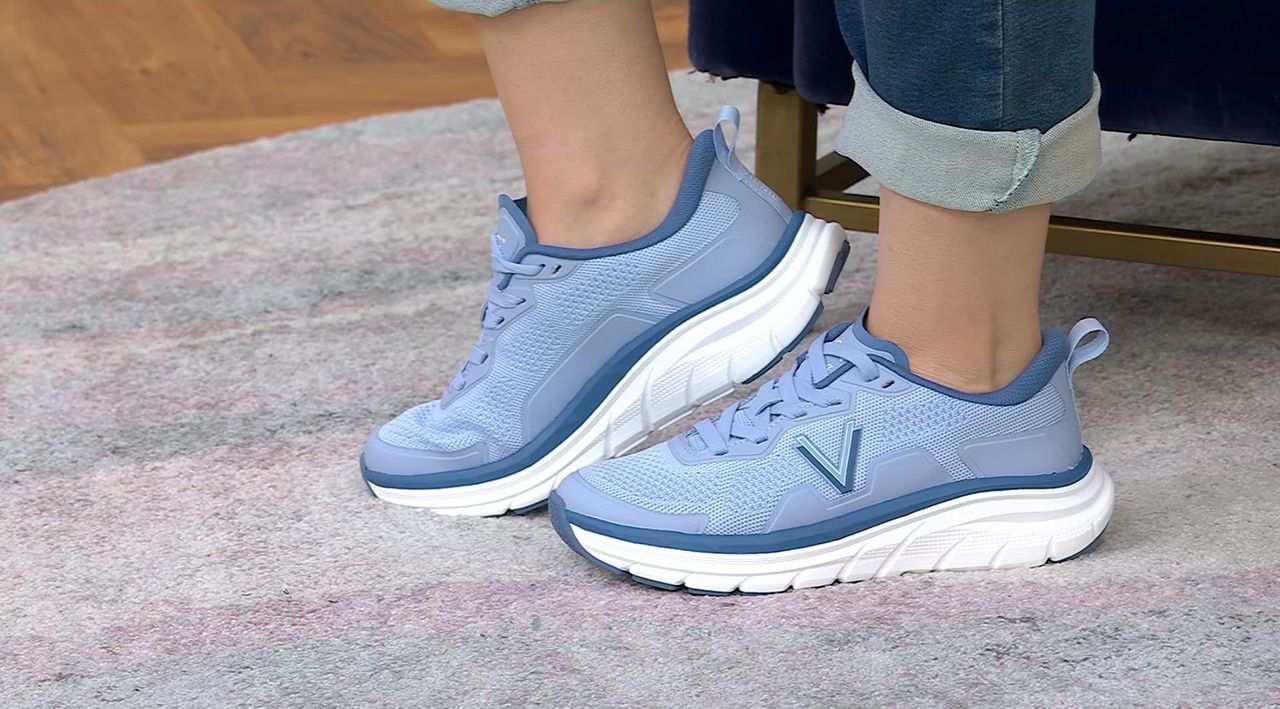
Decoding the Vionic Difference: More Than Just an Insole
Many brands offer “comfort” features, but Vionic’s approach is rooted in a podiatric origin. The core technology is their biomechanical footbed, which is engineered with a deep heel cup, a precise arch support, and a forefoot ramp. This trio works in concert to maintain the foot in its anatomically correct position—a concept known as tri-plane motion control. It’s crucial to distinguish this from a simple cushioned insole. Cushioning only softens impact; it does not guide or correct. Vionic’s design, developed in collaboration with podiatrists, aims to do the latter. As noted on authoritative health websites like WebMD and the American Podiatric Medical Association’s resources, proper arch support is critical in mitigating the strain on the plantar fascia ligament. The signature orthotic footbed in every vionic walking shoe is designed to replicate the prescription orthotics a podiatrist might provide, making professional-grade support accessible. This isn’t a marketing gimmick; it’s a application of clinical principles. The footbed’s construction encourages a slight supination at toe-off, which is the foot’s natural, healthy movement, as opposed to the over-pronation (rolling inward) that many flat or unsupportive shoes allow. By stabilizing the heel and aligning the arch, the shoe helps to restore natural gait, reducing fatigue and strain not just on the feet, but on the entire body’s posture.
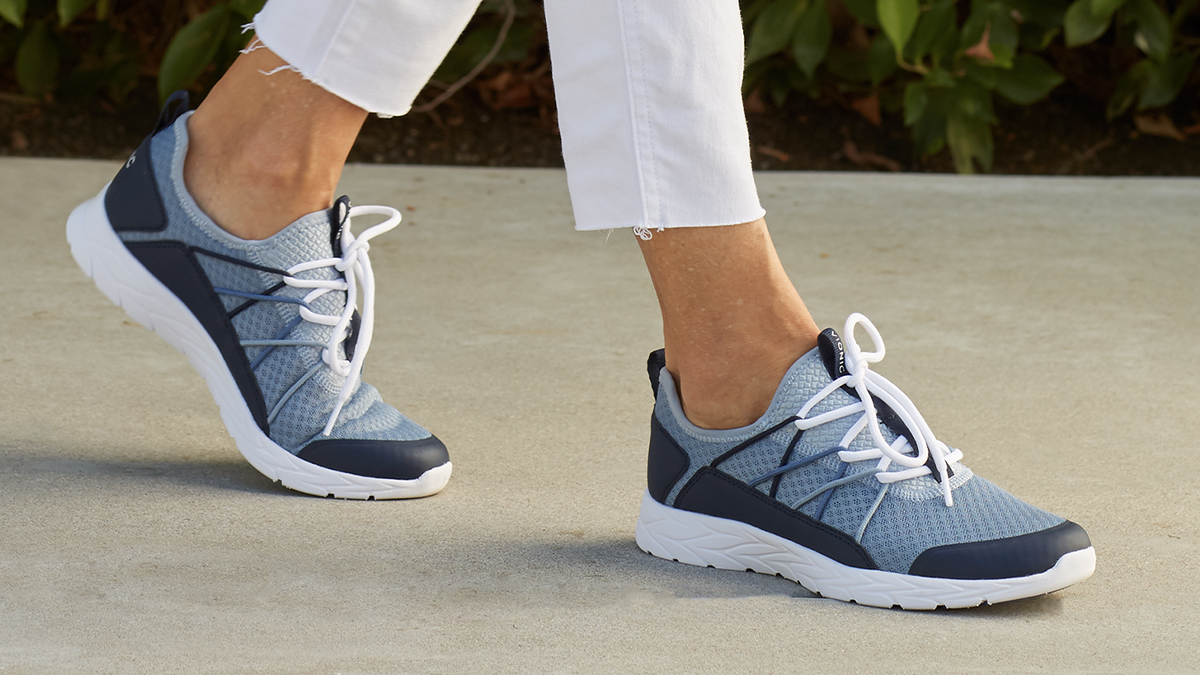
Style as a Non-Negotiable Component
The historical stigma of “orthopedic shoes” being clunky and unfashionable has been a significant barrier for many. Vionic dismantles this notion entirely. Their design philosophy asserts that therapeutic footwear does not have to be visually therapeutic. By integrating their patented technology into contemporary silhouettes, they bridge a gap that few brands have managed. You can find sleek sneakers, elegant sandals, and sophisticated loafers—all housing that proprietary footbed. This aligns with a broader cultural shift noted by fashion commentators on platforms like The Cut and Who What Wear, where “wellness wear” and “functional fashion” have moved from niche to mainstream. Consumers are no longer willing to compartmentalize their lives into “comfort time” and “style time”; they demand fusion. A vionic walking shoe successfully answers this demand. Whether it’s a classic white leather sneaker that pairs effortlessly with jeans or a chic slide sandal for summer outings, the aesthetic is deliberately curated to stand on its own merits. The style is inherent, not an afterthought, proving that one can adhere to the principles of foot health without sacrificing a personal sense of fashion. This design integrity is what transforms the shoe from a medical device into a desirable wardrobe staple.
Voices of Validation: From Clinical Endorsements to User Testimonials
Objective validation for any product comes from both expert analysis and real-world experience. Vionic has garnered significant recognition from professional bodies. The American Podiatric Medical Association (APMA) has granted its Seal of Acceptance to many Vionic styles, a certification that signifies the product promotes good foot health. This seal is not given lightly; it requires scientific review and evaluation by a committee of practicing podiatrists. Beyond institutional endorsements, the brand has resonated with a wide audience suffering from common foot ailments. On platforms like Quora and specialized health forums, countless users with plantar fasciitis, bunions, or flat feet describe the vionic walking shoe as a turning point in their daily comfort. The sentiment is echoed by celebrities who have publicly discussed their foot health struggles. For instance, actress and talk show host Kelly Ripa has mentioned her reliance on supportive footwear for her demanding on-set hours, often highlighting brands that merge support with style. While not a direct clinical study, this confluence of professional approval and widespread user acclaim forms a compelling body of evidence. It suggests that the shoes deliver on their promise for a diverse range of individuals, from those with diagnosed conditions to those simply seeking a more comfortable, supported walking experience.

An Investment in Long-Term Wellbeing
It is reasonable to consider the cost of premium footwear like Vionic. A perspective shift is necessary: view it not as a simple clothing purchase, but as an investment in your musculoskeletal health. Consider the alternative costs—co-pays for doctor visits, physical therapy sessions, custom orthotics, and the intangible cost of chronic pain and limited mobility. As the famous quote attributed to Benjamin Franklin goes, “An ounce of prevention is worth a pound of cure.” This adage finds perfect application in foot care. By providing consistent, daily support, a quality walking shoe can prevent the onset or worsening of conditions that are far more costly to treat. Furthermore, the construction and materials used in a vionic walking shoe are typically of higher quality, leading to greater durability. A well-made shoe that retains its structural integrity and support over hundreds of miles is, in the long run, more economical than replacing cheap, degraded shoes multiple times a year. The investment pays dividends in daily comfort, potential healthcare savings, and sustained product life.
Bringing Expertise and Value Directly to You
Understanding the technology and benefits is one thing; accessing them at a fair value is another. The world of specialty footwear can seem daunting, but the core mission is to demystify the science and make the results accessible. This means not only providing clear, educational content about biomechanics but also ensuring that these tools for better health are within financial reach. Brands often offer direct-to-consumer sales through their websites, providing detailed fit guides, video reviews, and customer service staffed by knowledgeable representatives. More importantly, they frequently run promotional events, seasonal sales, and offer discounts on bundle purchases or for first-time buyers. By purchasing during these promotional periods or signing up for newsletters, you can acquire these expertly engineered shoes at a significantly reduced price. This approach brings professional-grade podiatric knowledge and discounted prices directly to the user’s doorstep, removing barriers to entry. It’s an acknowledgment that superior foot health, supported by science, should be an attainable goal for anyone who spends their life on their feet.

The search for the perfect walking shoe ends when you stop searching for just a shoe and start looking for a biomechanical partner. It’s about aligning with a product that understands the intricate dance of bones and ligaments with every step you take and respects your desire to express yourself through what you wear. The journey toward all-day comfort and confident style isn’t paved with compromises; it’s built on the solid, scientifically-designed foundation of a purpose-built shoe. When you lace up a pair that truly supports you, the world feels different underfoot—not as a surface to be endured, but as a path to be explored with vitality and ease.
