

The Best Tennis Shoes for All-Day Walking Comfort
Finding the perfect pair of shoes for extensive walking is more than a matter of casual selection; it is a critical decision impacting physical comfort, joint health, and overall well-being. While specialized walking shoes exist, a high-quality pair of tennis shoes for walking often provides an exceptional blend of support, cushioning, and versatility that can outshine many dedicated options. This article delves into the scientific and experiential reasons why certain tennis shoes excel for all-day ambulation, guiding you toward an informed choice that merges professional insight with practical value.
The Foundation: Why Tennis Shoes Can Be Ideal for Walking
The design philosophy behind tennis shoes is rooted in supporting multi-directional movement, sudden stops, and lateral stability. According to biomechanics literature from institutions like the University of Calgary’s Human Performance Laboratory, athletic shoes designed for court sports require a unique combination of forefoot support, midfoot stability, and heel counter rigidity to prevent injuries during rapid side-to-side motions. This foundational stability translates remarkably well to walking. When you walk, your foot undergoes a complex gait cycle involving heel strike, mid-stance, and toe-off. A shoe that offers structured support through each phase can reduce fatigue and strain. The American Podiatric Medical Association often notes that proper footwear is the first line of defense against common ailments like plantar fasciitis. Therefore, a well-constructed tennis shoe, with its emphasis on containing the foot and providing even weight distribution, becomes a scientifically sound choice for prolonged walking, effectively functioning as superior tennis shoes for walking.
:max_bytes(150000):strip_icc()/Web_1500-vwt-primary-best-overall-shoe-tstaples-118-671f4e0048e64d14a1c42e4f8d9e6658.jpg)
Decoding the Anatomy: Key Features to Prioritize
Not all tennis shoes are created equal for walking purposes. We must dissect the anatomy to understand what makes a pair exceptional. First, consider the midsole technology. This is the heart of cushioning. Materials like EVA (Ethylene-Vinyl Acetate) foam or advanced polymers like Nike’s ZoomX or Adidas’s Boost provide responsive energy return. As noted in material science reviews, these compounds compress under load and spring back, reducing the impact force transmitted to your joints with each step. Second, the outsole pattern is crucial. A durable rubber with a modified herringbone or circular tread pattern, common in tennis shoes, offers excellent grip on varied surfaces without the excessive lug depth of a trail runner, ensuring smooth transitions on pavement. Third, the upper construction should prioritize breathable mesh to manage moisture and a secure, non-constricting fit. Finally, the heel-to-toe drop—the height difference between the heel and forefoot—is a key metric. A moderate drop of 6-10mm, typical in many tennis models, can promote a more natural gait cycle compared to extremely low or high drops. This detailed feature set transforms a standard athletic shoe into a dedicated tool for comfort, making it a premier choice for those seeking reliable tennis shoes for walking.
The Cushioning Conundrum: Responsive vs. Plush
A common debate in footwear circles centers on the type of cushioning: should it be maximally soft or responsively firm? For all-day walking, the answer leans toward responsive cushioning. Maximalist, overly plush shoes can sometimes lead to instability, as the foot sinks in and muscles work harder to stabilize with each step. In contrast, a responsive midsole provides a stable platform. Renowned physical therapist and author Kelly Starrett, in his discussions on movement mechanics, often emphasizes the need for “support that allows natural foot function, not one that coddles it into weakness.” A tennis shoe designed for quick movements typically features cushioning that is dense enough to absorb shock but resilient enough to provide a springy feel, reducing muscular fatigue over miles. This balance is why many long-distance walkers and urban explorers gravitate toward performance-oriented tennis models over traditional, often overly soft, walking shoes. The goal is enduring comfort, not just immediate, fleeting softness.
:max_bytes(150000):strip_icc()/vwt-walking-shoes-test-ryka-devotion-x-sahara-borja-02-18807b688fbb49e4ba30a3ee438600cb.jpeg)
Real-World Endorsements: From Athletes to Everyday Experts
The suitability of tennis shoes for walking isn’t merely a theoretical assertion; it is backed by a chorus of endorsements from diverse quarters. On platforms like Quora and specialized running/walking forums, seasoned travelers and healthcare workers—professions synonymous with long hours on their feet—frequently cite specific tennis models as their go-to choice. Furthermore, celebrity trainers on YouTube, such as Holly Perkins, have been known to recommend cross-training or court shoes for clients whose regimens include extensive walking, citing the all-around support. Even in popular culture, the association is evident. In the book “Born to Walk” by James Earl, the author explores the anthropology of walking and implicitly champions footwear that doesn’t over-engineer the simple act of moving. The collective wisdom suggests that a versatile, well-built athletic shoe often outperforms a hyper-specialized one for general, all-day use. This consensus reinforces the idea that investing in a versatile pair of tennis shoes for walking is a decision grounded in practical, crowd-sourced validation.
A Note on Foot Health and Professional Insight
Podiatrists and orthopedic specialists frequently weigh in on this topic. Dr. Miguel Cunha, founder of Gotham Footcare in New York City, has stated in interviews that “the best shoe for walking is one that fits perfectly, provides arch support matching your foot type, and has a flexible yet supportive sole.” Many tennis shoes are designed with these exact parameters in mind to handle the rigors of sport. They often come in various width options and with removable insoles, allowing for custom orthotics. This alignment with professional medical advice is critical. It moves the conversation beyond marketing and into the realm of preventative health. Choosing footwear is a form of self-care, and a shoe that offers the structural integrity of a tennis shoe, repurposed for walking, can be a proactive step in maintaining foot and lower limb health, effectively making them ideal tennis shoes for walking.
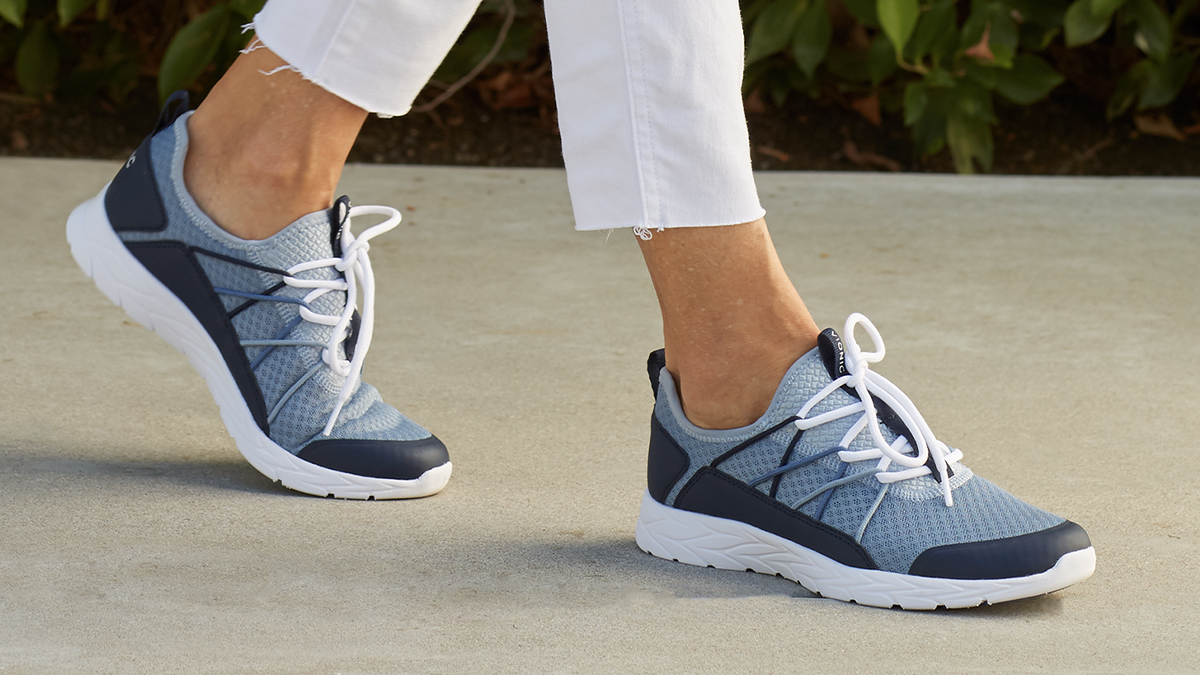
Making the Smart Choice: Where Value Meets Performance
In today’s market, performance need not come at an exorbitant price. Many reputable brands offer previous-season models or value lines that incorporate their core technologies at a fraction of the cost. For instance, a top-tier tennis shoe with advanced cushioning might retail for $150 at launch but can often be found for under $90 as new colorways are released. The key is to identify the essential technologies—good rubber, a stable chassis, and breathable materials—and seek them out in discounted models. Brands like Asics, New Balance, and K-Swiss frequently have sales on their excellent court shoes. Remember, the most expensive shoe is not always the best for your feet. The goal is to find the intersection of quality construction, appropriate fit, and smart pricing. By prioritizing the engineering principles outlined here, you can secure a pair that delivers professional-grade support without straining your budget, ensuring your investment in tennis shoes for walking is both wise and economical.

The journey to all-day walking comfort is paved with informed decisions. It begins with recognizing that the right tool for the job may already exist in a category you hadn’t fully considered. A premium tennis shoe, with its biomechanically informed design, offers a symphony of support, cushioning, and durability that is uniquely suited to the sustained, repetitive motion of walking. By focusing on key anatomical features, heeding professional and experiential advice, and shopping strategically, you can unlock a level of comfort that transforms your daily movement. Your feet are your foundation; choose shoes that honor the complex, wonderful engineering they perform with every step you take.
