

The Walking Shoe: Your Ultimate Guide to Comfort and Style in Every Season
Let’s be honest: most of us spend more time on our feet than we care to admit. Whether it’s the daily commute, a purposeful city exploration, or a weekend hike, our feet are the foundation of our mobility. Yet, we often relegate footwear to a mere afterthought, a fashion accessory chosen for its looks over its function. This is where the philosophy of the walking shoe comes into sharp focus. It’s not just a category; it’s a commitment to marrying biomechanical support with aesthetic appeal, creating a piece of essential gear that performs flawlessly from the icy sidewalks of January to the sun-baked paths of July. This guide is designed to move beyond superficial reviews and delve into the objective science, expert opinions, and practical knowledge that define a truly great walking companion. We’ll equip you with the insights to make an informed choice, ensuring every step you take is a comfortable and stylish one.
The Anatomy of Comfort: Deconstructing the Modern Walking Shoe
To understand what makes a shoe ideal for walking, we must first dissect its components through a lens of ergonomics and material science. The primary function of the walking shoe is to facilitate the natural gait cycle—heel strike, foot flattening, and toe-off—while mitigating the repetitive impact forces that can travel up the kinetic chain. According to research from institutions like the University of Pittsburgh’s Human Engineering Research Laboratories, proper footwear can reduce ground reaction forces by up to 20%, significantly lowering stress on joints. The midsole is the heart of this system. Materials like ethylene-vinyl acetate (EVA) and polyurethane (PU) provide cushioning, but their density and configuration are key. For instance, a dual-density midsole, where the medial (inner) side is firmer to control overpronation, is a common feature derived from podiatric medicine. The rocker sole, a design championed by brands like Hoka One One, is another scientifically-backed innovation. It features a curved geometry that promotes a smooth roll-through from heel to toe, reducing strain on the Achilles tendon and calf muscles. As Dr. Casey Kerrigan, a former Harvard Medical School professor and founder of a biomechanics-focused footwear company, stated in an interview with Runner’s World, “The goal is to let the shoe do some of the work your muscles normally do, making movement more efficient and less fatiguing.” This isn’t about creating a passive platform but an active partner in locomotion.
Material Matters: From Mesh to Gore-Tex
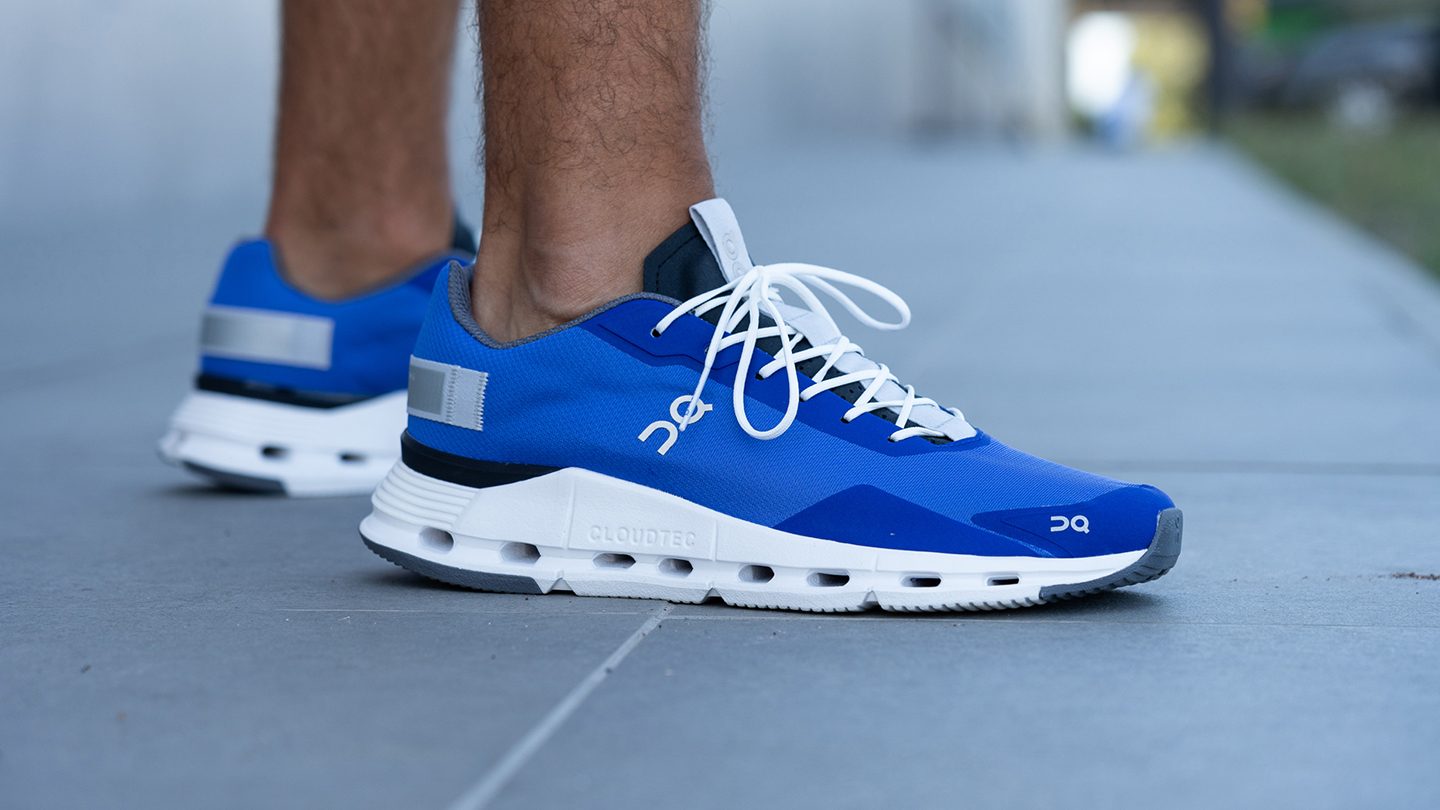
The upper of the shoe is where climate adaptability and breathability are negotiated. For warm-weather versatility, engineered mesh is paramount. This synthetic fabric, often with strategic hexagonal or woven patterns, offers exceptional breathability and a lightweight fit that conforms to the foot. In contrast, the demands of colder, wetter seasons call for different technology. Here, waterproof and breathable membranes like Gore-Tex become non-negotiable. Gore-Tex functions on a scientific principle: its pores are 20,000 times smaller than a water droplet but 700 times larger than a water vapor molecule. This allows perspiration to escape while preventing external moisture from entering. The importance of this was echoed by renowned outdoor author Cheryl Strayed in her memoir Wild, where inadequate footwear nearly derailed her Pacific Crest Trail journey. She wrote of the moment she discarded her failing boots: “It was a testament to the fact that the right gear is not a luxury, but a fundamental component of endurance.” A quality walking shoe for all seasons will often feature a combination—a breathable mesh for summer and a GTX-lined version for winter—demonstrating that preparedness is the core of true comfort.
The Style Equation: Proving Function and Form Are Not Foes
There exists a pervasive myth that comfortable shoes must be aesthetically compromised—clunky, brightly colored, or overtly technical. This is a fallacy that contemporary design has thoroughly debunked. The rise of “athleisure” and the normalization of performance wear in everyday settings have driven a seismic shift. Brands like Allbirds, with their merino wool and sugarcane-based foam, have built empires on minimalist, eco-conscious designs that look at home in a café or a conference room. The key is clean lines, neutral color palettes (think olive, grey, navy, and black), and the subtle integration of technical elements. A sculpted midsole can be a design feature, not a flaw. The sleek profile of an On Running Cloud model or the sophisticated simplicity of a Cole Haan GrandPro tennis shoe hybrid are testaments to this evolution. As fashion critic and editor Tim Gunn has often emphasized, “Style is about appropriateness and fit for your life.” A modern walking shoe answers this call perfectly, offering a silhouette that complements chinos, jeans, or even tailored trousers without screaming “gym shoe.” This fusion is not accidental; it’s a direct response to consumer demand for versatility, allowing one pair to transition seamlessly from a morning walk to a day of errands or even casual office wear.
Brand Spotlights: Where Engineering Meets Aesthetics
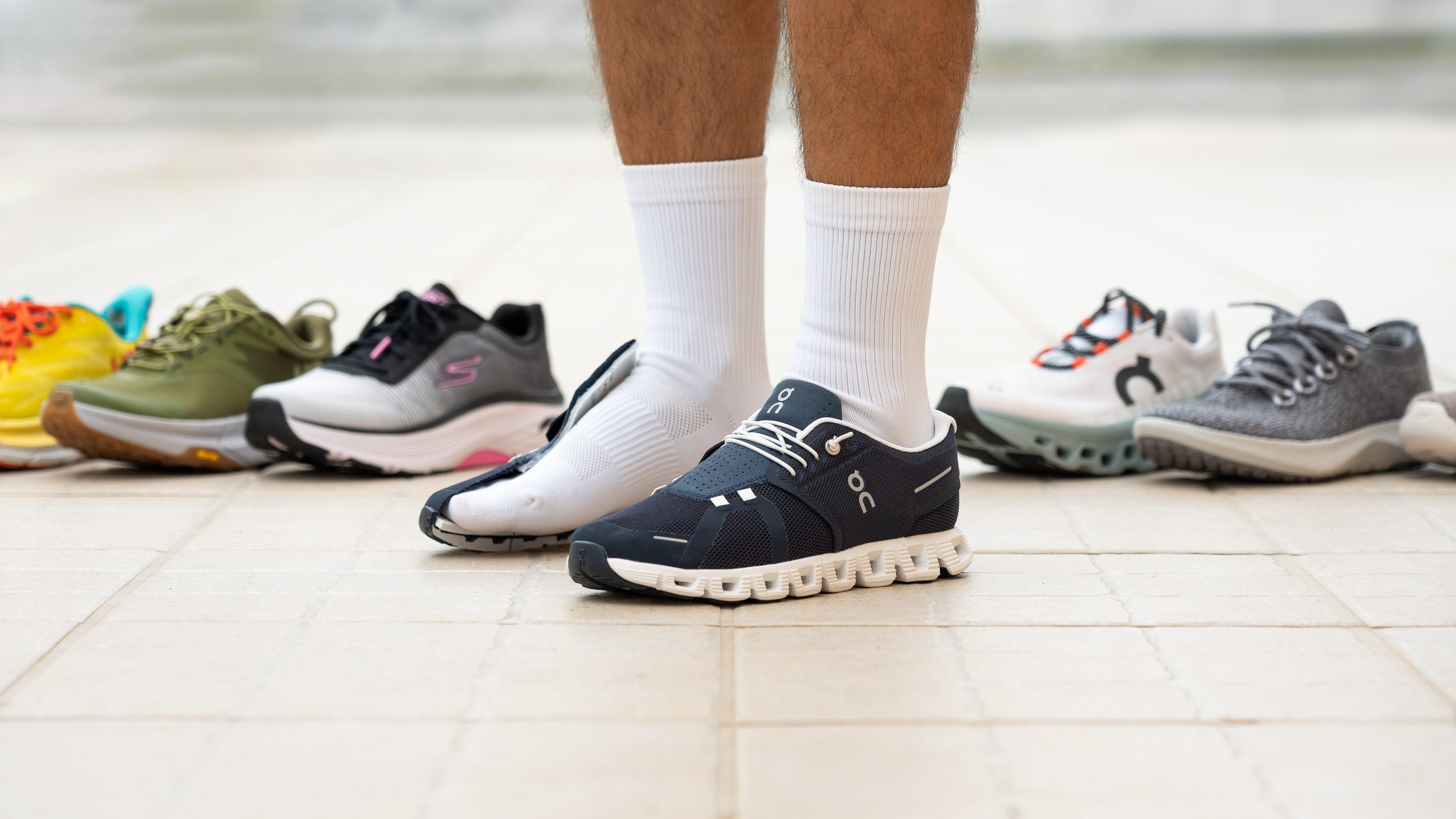
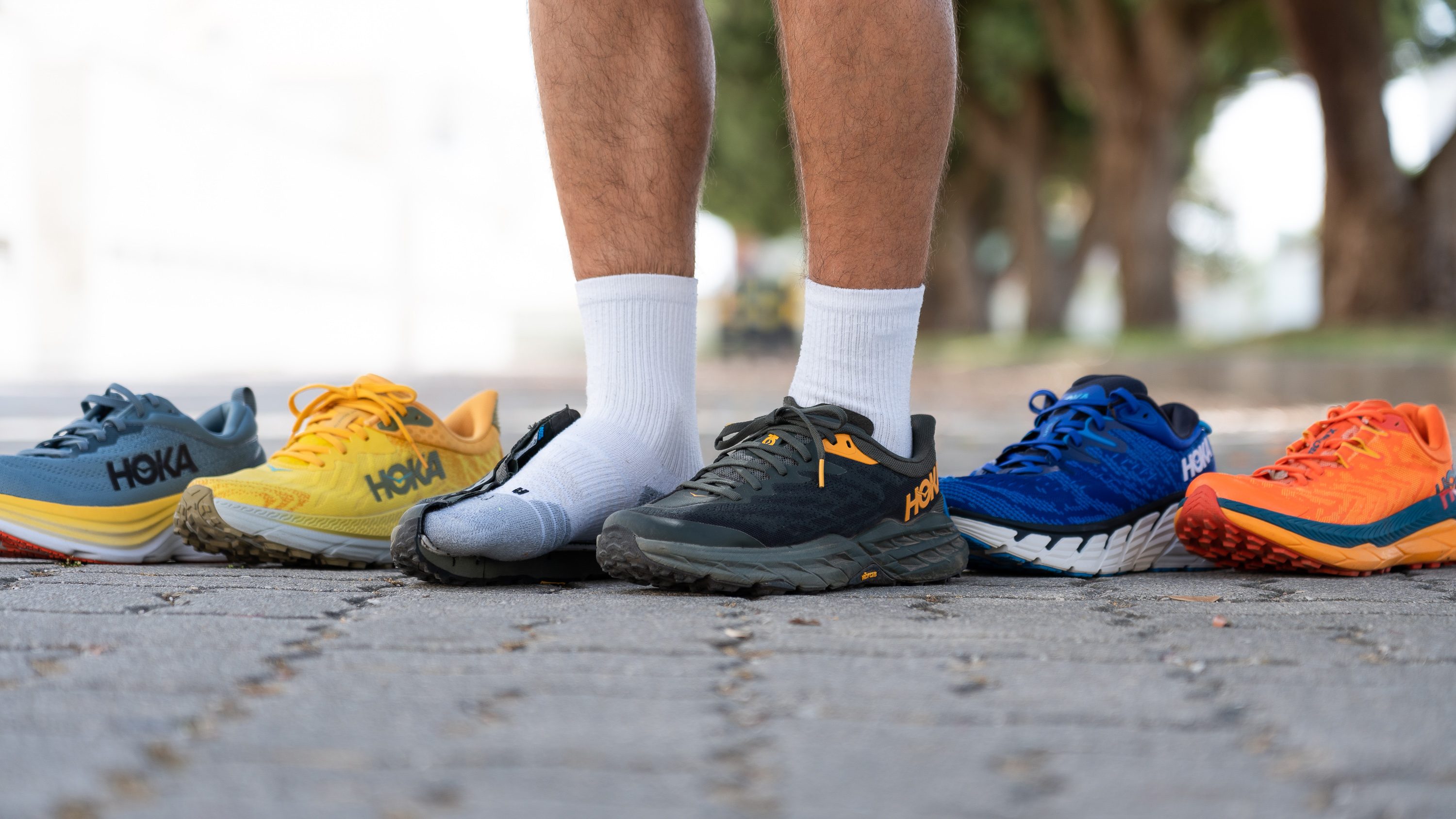
Examining specific brands illuminates how the principles of comfort and style are executed. Hoka One One, for example, is frequently cited in podiatrist recommendations for its maximalist cushioning. Their signature meta-rocker geometry is a biomechanical tool, yet models like the Bondi or Clifton now come in understated colorways that mute their bold proportions. Conversely, a brand like Brooks, a stalwart in running, applies its DNA of stability and cushioning to walking-specific models. The Brooks Ghost, while a running shoe, is often adopted by walkers for its balanced cushioning and DNA LOFT midsole, which provides a soft landing without sacrificing responsiveness. On platforms like YouTube, certified pedorthists like “The Foot Doctor” (Dr. Brad Schaeffer) frequently analyze these brands, cutting shoes in half to reveal their internal architecture and providing objective comparisons of foam densities and heel counters. This kind of transparent, expert analysis demystifies marketing claims and directs consumers toward shoes with proven structural integrity.
The Investment and The Cycle: Knowing When to Let Go
Purchasing a high-quality walking shoe is an investment in your physical well-being, but it is not a permanent one. The materials degrade. The American Podiatric Medical Association (APMA) states that the cushioning and support in most athletic shoes break down after 300-500 miles of use. For a daily walker covering 3-5 miles, this translates to roughly 4-6 months. Ignoring this lifecycle is a primary cause of overuse injuries. The telltale signs are visible: compressed midsoles that no longer rebound, worn-out tread patterns, and asymmetrical wear on the outsole indicating gait irregularities. Holding onto shoes for sentimental value or to “get your money’s worth” is a false economy compared to the cost of treating plantar fasciitis or knee pain. Therefore, part of the professional knowledge we bring is this crucial maintenance schedule. To make this investment more accessible, we advocate for strategic purchasing. End-of-season sales, manufacturer refurbishment programs (like those from REI), and discount retailers often offer previous-year models—which are functionally identical to new releases—at 30-50% off. This allows you to rotate two pairs, extending the life of each and always having a dry, supportive option ready.
:max_bytes(150000):strip_icc()/when-should-i-replace-my-walking-shoes-3436325-0801-7a1840d83573471092e0380f9e230ecc.jpg)
Your Personal Gait: The Final Fitting Variable
All the technology and style in the world are irrelevant if the shoe doesn’t match your unique biomechanics. The most critical step is understanding your foot type and gait pattern. Are you a neutral walker, an overpronator (foot rolls inward excessively), or a supinator (foot rolls outward)? Many specialty running stores offer free gait analysis, using pressure pads or slow-motion video to provide an objective assessment. This data is invaluable. For instance, a person with overpronation will benefit from that dual-density midsole or a structured stability shoe, while a supinator needs focused cushioning and flexibility. Width is another often-overlooked dimension. A shoe that is too narrow can cause bunions and neuromas, while one too wide fails to provide secure heel lockdown. Remember the words of legendary Nike co-founder Bill Bowerman: “The real purpose of running isn’t to win a race; it’s to test the limits of the human heart.” We can adapt this: the real purpose of a walking shoe isn’t just to cover distance, but to enable your body to move freely within its natural limits, tested and supported by intelligent design. Your foot is not a standard size; it’s a dynamic, weight-bearing structure that deserves a personalized housing.
Choosing the right walking shoe is an act of self-care that pays dividends with every step. It is the intersection of orthopedic science, material innovation, and conscious design. By prioritizing the structural features that protect your body, embracing the styles that suit your life, and respecting the natural lifecycle of the product, you transform a simple purchase into a long-term partnership for your mobility. Let your shoes be the reliable, stylish foundation from which you explore every season with confidence and ease.
