

The Ultimate Guide to Tennis Shoes for Everyday Walking
You might have noticed a curious trend: people are increasingly lacing up tennis shoes not for the court, but for the sidewalk. This isn’t a fashion faux pas; it’s a calculated choice for foot health and all-day comfort. The right pair of tennis shoes for walking can transform your daily stride from a chore into a pleasure, offering a blend of support, cushioning, and durability that many dedicated walking shoes struggle to match. This guide will dissect why a court-bred design excels on concrete, arm you with the knowledge to choose your perfect pair, and reveal how this versatile footwear can become the cornerstone of your everyday mobility.
Why Tennis Shoes? The Crossover Appeal for Pedestrians
The design philosophy of a tennis shoe is inherently suited to the dynamic, multi-directional stresses of a match. This translates surprisingly well to the urban landscape. Consider the biomechanics: walking is a repetitive, linear motion, but city walking involves sudden stops, curb steps, quick pivots to avoid obstacles, and varied surfaces from marble floors to asphalt. A running shoe is engineered primarily for forward motion and heel-to-toe transition, often with significant heel lift that can alter natural gait. A tennis shoes for walking, however, is built for stability. Features like a wider base, reinforced lateral support (to prevent ankle roll during side-to-side movements), and a durable outsole with a herringbone or modified tread pattern provide a stable platform for the unpredictable nature of everyday ambulation. Dr. Alex Kremer, a podiatrist cited in a Harvard Health Publishing article on footwear, emphasizes that “stability is paramount for preventing overuse injuries,” a principle at the core of tennis shoe design. The cushioning, while ample, is often more responsive and less mushy than in some maximalist running shoes, providing energy return with each step rather than sinking in—a key for all-day wear.

Decoding the Anatomy: Key Features to Seek
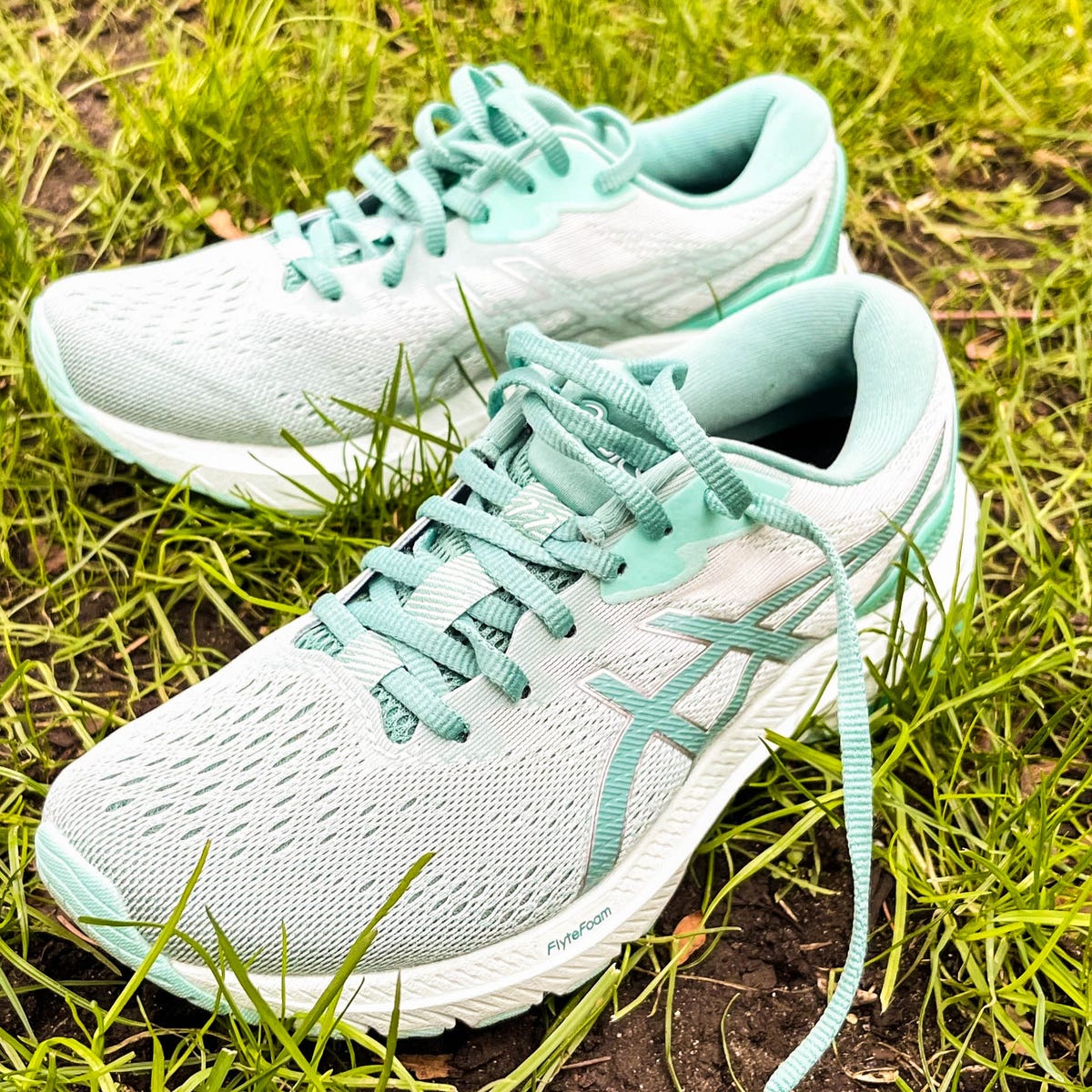
Not all tennis shoes are created equal for walking purposes. You must become a savvy interpreter of shoe anatomy. First, examine the midsole. This is the heart of cushioning and technology. Brands like ASICS incorporate GEL cushioning systems, a silicone-based material that absorbs shock upon impact. Scientific literature from institutions like the University of Calgary’s Human Performance Lab has studied such materials, noting their efficacy in dissipating vertical ground reaction forces—the very forces that travel up your legs with each step. Next, the outsole should be your focus. Look for durable rubber, often branded as AHAR (ASICS High Abrasion Rubber) or similar, with a tread pattern that offers grip on both dry and slightly wet surfaces. A flat, smooth racing sole is your enemy here. The upper material is crucial for breathability and fit. Modern mesh uppers with synthetic overlays provide structure without weight. Finally, the heel counter—the firm cup at the back—should be rigid to lock your heel in place, preventing slippage that can lead to blisters and inefficient stride. As renowned coach and author Nick Bollettieri once stated in an interview, “A shoe is a tool. You must understand its parts to make it work for you.” This mindset is essential when selecting your tennis shoes for walking.
The Arch Support Debate: Neutral vs. Stability Models
A common point of confusion lies in arch support. Tennis shoes, like running shoes, often come in “neutral” and “stability” categories. A neutral shoe assumes a relatively biomechanically efficient foot strike and arch. It offers cushioning without corrective elements. A stability shoe incorporates features like a medial post—a firmer density of foam on the inner side of the midsole—to help control overpronation, where the foot rolls inward excessively. The American Podiatric Medical Association notes that while not everyone needs motion control, proper alignment can reduce stress on knees and hips. How do you know? Perform the “wet test”: wet your foot and step on a paper bag or dark surface. A full imprint suggests a low arch (potentially needing stability), a imprint with a narrow band connecting heel and forefoot indicates a high arch (often suited to neutral, cushioned shoes), and a balanced imprint suggests a neutral arch. Trying on both types is paramount. Remember, the goal is not to force your foot into a mold, but to find the tennis shoes for walking that complement your natural mechanics, providing a foundation that feels secure, not restrictive.
From Try-On to Walk-On: The Fitting Ritual
Purchasing shoes online is convenient, but for your primary pair of walking shoes, an in-store fitting is non-negotiable. Go in the afternoon or evening, as feet naturally swell throughout the day. Wear the socks you intend to walk in. When you try the shoe on, there should be about a thumb’s width (roughly 3/8 to 1/2 inch) of space between your longest toe (which isn’t always the big toe) and the end of the shoe. This allows for foot expansion and prevents toenail trauma on downhill walks. The width should feel snug but not tight, with no pinching at the sides. Lace them up fully and walk around the store—not just a few steps. Pay attention to the heel: does it grip securely? Does the ball of your foot feel supported at the widest part of the shoe? Don’t be seduced by a “broken-in” feel immediately; a good supportive shoe will have some initial firmness. However, it should never cause sharp pain or hotspots. As the famous YouTube shoe reviewer “Kofuzi” often stresses in his detailed wear-tests, “The first feel is data, but the first mile is truth.” Take your time. This investment in the fitting process ensures your chosen tennis shoes for walking will be allies, not adversaries.
Beyond the Shoe: Synergy with Gait and Terrain
Your shoes are one component of a system. Your walking gait and the terrain you frequent dictate the ideal shoe specifications. If your primary route is paved roads or mall corridors, prioritize cushioning and shock absorption. Models with ample GEL, Nike Air, or Adidas Boost technology excel here. If your walks involve park trails, gravel paths, or uneven urban landscapes, prioritize outsole grip and torsional stability—the shoe’s resistance to twisting. A firmer midsole can also be beneficial for stability on uneven ground. Furthermore, consider your stride. A faster, more athletic walker might benefit from a lighter, more responsive tennis shoe model, perhaps one designed for a “court feel,” while someone prioritizing all-day comfort during slower, longer walks might opt for a plush, maximum-cushion model. The Wikipedia entry on “Walking” details the biomechanical phases of gait—initial contact, loading response, mid-stance, terminal stance, and pre-swing. A well-chosen tennis shoe supports each phase: cushioning at contact, stability during loading, and a flexible forefoot for toe-off. This holistic view ensures your footwear is in harmony with your body and your environment.

Investment and Value: Navigating Price and Performance
High-quality tennis shoes represent an investment in your physical well-being. Premium models from ASICS (like the Gel-Resolution or Court FF series), Nike (Air Zoom Vapor Cage), or New Balance (Fresh Foam Lav) often retail between $120 and $180. This price reflects advanced materials, proprietary cushioning systems, and durable construction. However, exceptional value can be found. Last season’s models, which often have only minor cosmetic updates, can be found at discounts of 30-50% at outlet stores or online retailers. Brands like K-Swiss or Skechers Performance division offer excellent tennis shoes for walking with reliable technologies at a more accessible price point. The key is to prioritize the essential features—good heel counter, appropriate support, durable outsole—over flashy aesthetics. Consider cost per mile: a $150 shoe that lasts for 500 miles of walking costs 30 cents per mile. A cheap $60 shoe that breaks down or loses support at 200 miles costs 30 cents per mile but may compromise comfort and injury prevention along the way. The true value lies in consistent, pain-free mobility.
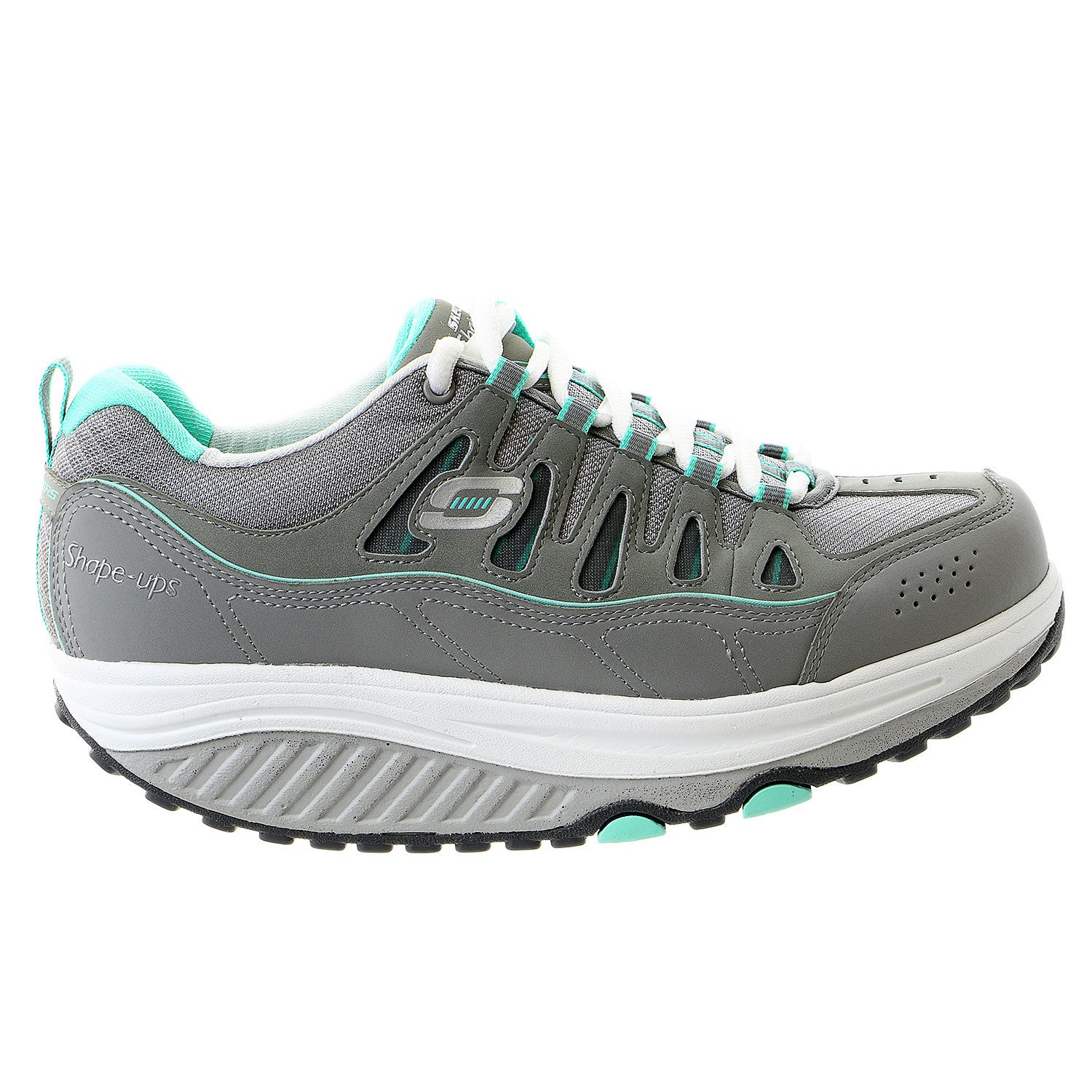
The journey to finding the perfect everyday walking companion ends not with a generic recommendation, but with a personalized understanding of your feet, your habits, and your environment. Tennis shoes, with their foundational principles of stability, durability, and responsive cushioning, offer a compelling and often superior alternative to single-purpose footwear. By applying the principles outlined here—respecting biomechanics, decoding shoe anatomy, performing a meticulous fitting, and aligning the tool with the task—you empower yourself to make an informed choice. Let your next pair of tennis shoes for walking be a deliberate step towards a more comfortable, supported, and vibrant daily life on your feet.
