

The Best Tennis Shoes for Walking Comfort and Fashion
In the realm of footwear, a quiet revolution is underway. The lines between specialized athletic gear and daily fashion are not just blurring; they are being redrawn entirely. At the heart of this shift is a seemingly simple concept: finding shoes that do not force a choice between uncompromising comfort and undeniable style. For the urban explorer, the casual stroller, or the professional who spends hours on their feet, the quest often leads to an unexpected champion—the modern tennis shoes for walking. This article argues that today’s best tennis shoes have evolved beyond the court to become the pinnacle of walking companions, masterfully blending biomechanical support with contemporary aesthetics. We will dissect the science behind their comfort, trace their fashion evolution, and provide a curated guide to selecting your perfect pair.
The Anatomy of Comfort: Why Tennis Shoes Excel for Walking
To understand why a shoe designed for lateral cuts and quick sprints can be superb for forward-paced walking, we must delve into its foundational engineering. The comfort of a walking shoe is not a matter of softness alone; it is a complex equation involving cushioning, stability, flexibility, and breathability. Traditional walking shoes often prioritize cushioning above all else, sometimes at the expense of structure. In contrast, a high-quality tennis shoe is built to manage intense, multi-directional forces. This results in a midsole compound—like Adidas’s Boost or Nike’s ZoomX foam—that offers exceptional energy return. As Dr. Casey Kerrigan, a former Harvard Medical School professor and founder of a biomechanics research company, has often stated in her studies on gait efficiency, “The goal is not to simply cushion the foot, but to work with its natural mechanics to reduce joint loading.” The structured heel counter and arch support in tennis shoes, essential for preventing ankle rolls during a match, provide unparalleled stability for the repetitive heel-to-toe motion of walking. Furthermore, the outsole of a tennis shoe, typically made of durable, non-marking rubber with a herringbone or modified tread pattern, offers superior grip on varied surfaces, from pavement to park paths, enhancing safety with every step. When you choose a well-designed tennis shoes for walking, you are not just putting on a shoe; you are harnessing years of sports science tailored for dynamic movement.

From Court to Catwalk: The Fashion Evolution of Tennis Shoes
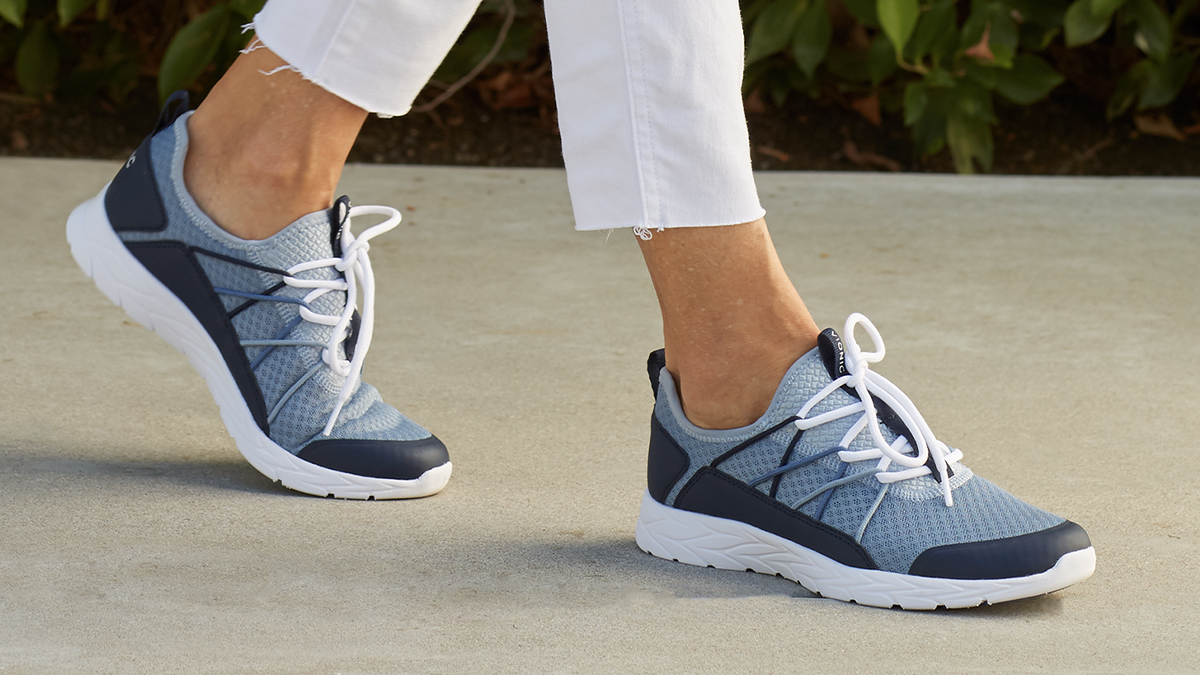
The journey of the tennis shoe from a functional sports item to a fashion staple is a textbook case of cultural appropriation and reinvention. It began in the 1970s and 80s with icons like Stan Smith and Vans, but the true crossover explosion happened in the last decade. High-fashion houses have repeatedly looked to the tennis court for inspiration. Recall the seminal collaboration between Adidas and Yohji Yamamoto for the Y-3 line, or more recently, the viral success of the Nike x Off-White collaborations that deconstructed the classic tennis silhouette. As style authority and author of “The Shoe Book,” Cameron Silver, noted in an interview with GQ, “The tennis shoe represents a perfect synergy of nostalgia and innovation. Its clean lines and white leather base offer a minimalist canvas that designers and consumers alike can project onto.” This fashionability is crucial because it removes the stigma of the “orthopedic” look often associated with dedicated walking shoes. You can now find a tennis shoes for walking in sleek monochromes, bold color-blocking, or sustainable materials like recycled polyester and organic cotton uppers. This evolution means you no longer need to pack an extra pair of shoes; the same pair that provides all-day comfort during a museum tour or a city walk can seamlessly transition to a casual dinner, looking intentionally stylish rather than merely practical.
Key Features to Prioritize in Your Search
Navigating the market requires a discerning eye. Not every tennis shoe is created equal for walking purposes. Here are the non-negotiable features to scrutinize. First, focus on midsole technology. Look for proprietary cushioning systems mentioned earlier. A study published by the University of Calgary’s Human Performance Lab highlighted that shoes with adaptive cushioning can reduce impact forces on the knees by up to 20% during walking compared to flat-soled shoes. Second, examine the upper material. Engineered mesh is king for breathability and flexibility, conforming to your foot without pressure points. Third, consider the fit and drop. The heel-to-toe drop (the height difference between the heel and forefoot) in tennis shoes typically ranges from 8mm to 12mm, which is ideal for walkers as it encourages a natural gait cycle without overstraining the Achilles tendon. Finally, do not overlook weight. A lightweight shoe, often under 10 ounces for men, reduces leg fatigue over long distances. As renowned ultramarathoner and walking advocate Jeff Salvette often emphasizes on his YouTube channel, “The energy cost of lifting a heavy shoe thousands of times per walk is significant. Lightness is a feature of both performance and comfort.”
A Curated Selection: Blending Brands, Science, and Value
Let’s translate theory into practice. Here is an analysis of standout models that exemplify the marriage of walking comfort and fashion, with an eye on current market value. The New Balance Fresh Foam X 1080v13, while often categorized as a running shoe, is built on a last (shoe form) derived from tennis heritage. Its Fresh Foam X midsole is data-mapped to provide precise cushioning exactly where a walker’s foot strikes, and its knit upper offers a sock-like fit. Priced around $150, it frequently sees discounts to $120 during seasonal sales. Next, the Adidas Ultraboost Light is a legend. Born from running but adored by walkers and fashionistas, its thousands of Boost pellets provide legendary energy return. The iconic silhouette is instantly recognizable and pairs with everything. At a retail price of $190, it’s an investment, but previous models (like the Ultraboost 22) can often be found for under $130, offering nearly identical performance. For those seeking a classic look, the K-Swiss Hypercourt Express 2 is a direct tennis design perfect for walking. It features a Surge 7.0 midsole for comfort and a durable Aosta 7.0 rubber outsole. Its clean, leather-and-mesh aesthetic is timeless, and at around $100, it represents exceptional value. Remember, the best tennis shoes for walking for you is the one that fits your foot shape, walking style, and personal aesthetic.

Maximizing Your Investment: Care and Pairing Tips
Purchasing the right shoe is only the first step. To ensure your shoes remain both comfortable and fashionable for their full lifespan, proper care is essential. For predominantly white or light-colored sneakers, a regular cleaning routine with a gentle soap and soft brush prevents irreversible staining and material degradation. Stuff them with paper when not in use to maintain their shape. From a style perspective, the versatility of a modern tennis shoe is its greatest asset. For a smart-casual look, pair crisp white leather tennis shoes for walking with tailored chinos and a well-fitted oxford shirt. For a weekend vibe, combine them with slim-fit jeans and a simple tee. The fashion wisdom from websites like Put This On reiterates that a clean, minimalist sneaker acts as a neutral, allowing the rest of your outfit to speak. Furthermore, consider the hidden value: investing in a single, high-quality, versatile pair that replaces the need for both a dedicated walking shoe and a casual fashion sneaker is ultimately a more economical and sustainable choice.
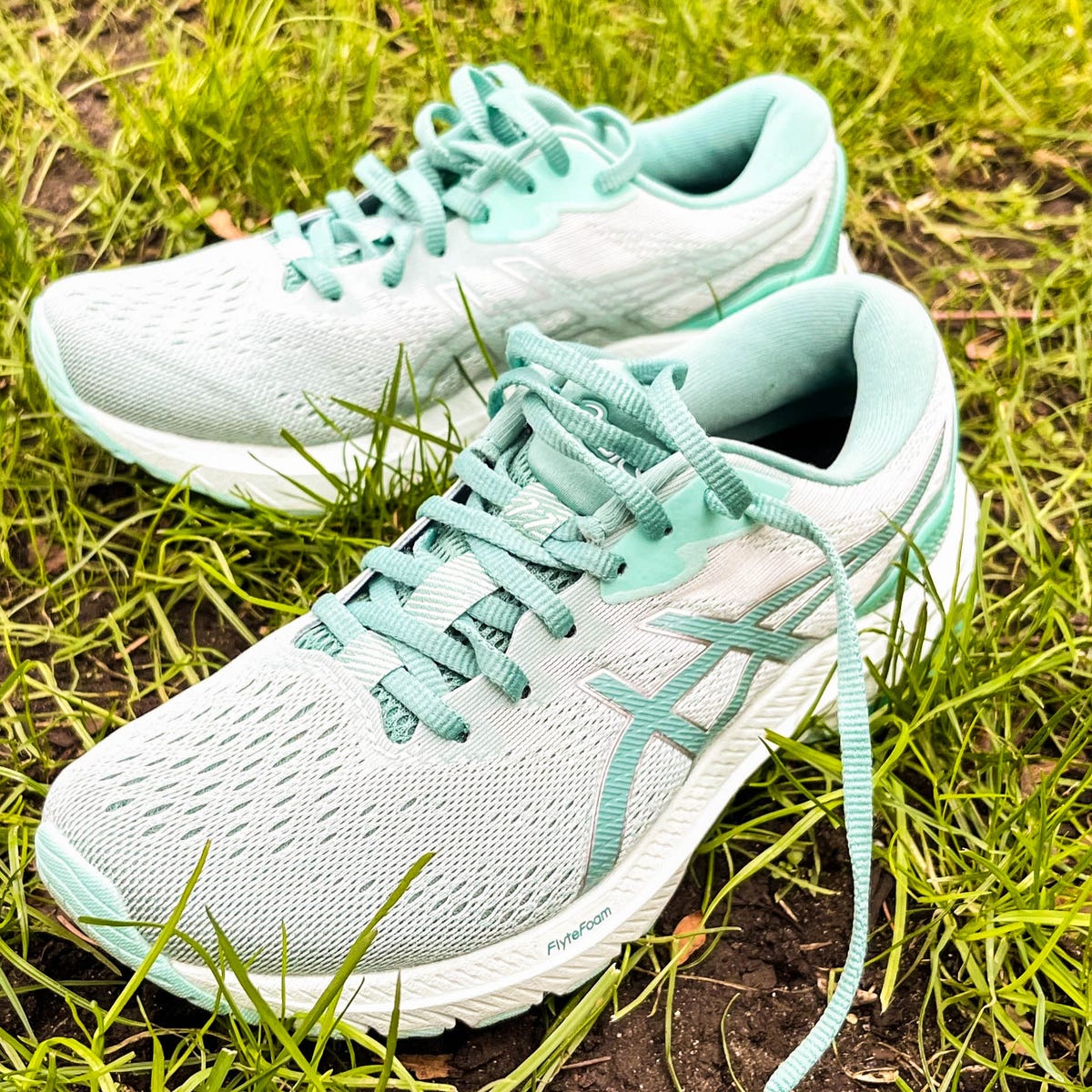
The search for the perfect walking companion ends not in a compromise, but in a discovery. The contemporary tennis shoe, forged in the crucible of athletic performance and refined by the demands of street style, stands uniquely qualified to meet the dual challenges of prolonged comfort and personal expression. It embodies a principle that resonates beyond footwear: that the best tools are those that enhance our lives without forcing us to sacrifice one facet for another. By choosing a shoe built on scientific principles of support and propulsion, yet dressed in the language of modern fashion, you step into more than just a pair of tennis shoes for walking. You step into a seamless day, where every mile is a pleasure and every destination is arrived at in style.
