

The Ultimate Guide to Tennis Shoes for Walking
For years, the idea of using tennis shoes for walking was met with skepticism from purists in both sports. Walkers were told to seek out dedicated walking shoes with their specific rocker soles and flex patterns, while tennis players guarded their court-specific footwear designed for lateral cuts and quick sprints. However, a significant shift is underway. The modern athletic footwear landscape is blurring these rigid lines, driven by advancements in material science and a deeper understanding of biomechanics. This guide posits that a high-quality, well-chosen pair of tennis shoes can be not just adequate, but exceptional for the dedicated walker. The convergence of stability, cushioning, and durability—hallmarks of a good tennis shoe—directly addresses the fundamental needs of sustained, impactful walking. We will dismantle the old categorical thinking and demonstrate how the structural integrity built for the tennis court translates seamlessly to the pavement, track, or trail, offering walkers a robust, supportive, and often more versatile option.
The Biomechanical Bridge: Why Tennis Shoes Work for Walking
To understand the suitability of tennis shoes for walking, we must first examine the biomechanical demands shared between the two activities. Both involve a repetitive gait cycle of heel-strike, midfoot roll, and toe-off. The primary difference lies in intensity and direction: walking is a linear, lower-impact motion, while tennis incorporates explosive multi-directional movement. This is where the engineering of a tennis shoe becomes advantageous. A study from the University of Calgary’s Human Performance Laboratory emphasizes the importance of midfoot stability in preventing excessive pronation or supination during any weight-bearing activity. Tennis shoes are inherently designed to combat the extreme lateral forces generated during side-to-side movements. This is achieved through features like reinforced medial and lateral posts, wider outsoles for a larger base of support, and sturdy heel counters. For a walker, especially one who logs miles on hard surfaces or has mild overpronation, this built-in stability apparatus provides a level of support that often surpasses that of many traditional walking shoes, which may prioritize flexibility over containment. The cushioning systems, often utilizing advanced foams like Nike’s React or Adidas’s Boost, are engineered to absorb the jarring impact of constant court pounding—a force significantly greater than the impact of walking. When applied to walking, this results in a plush, protective ride that can reduce fatigue and joint stress over long distances.
Decoding the Anatomy: Key Features to Seek
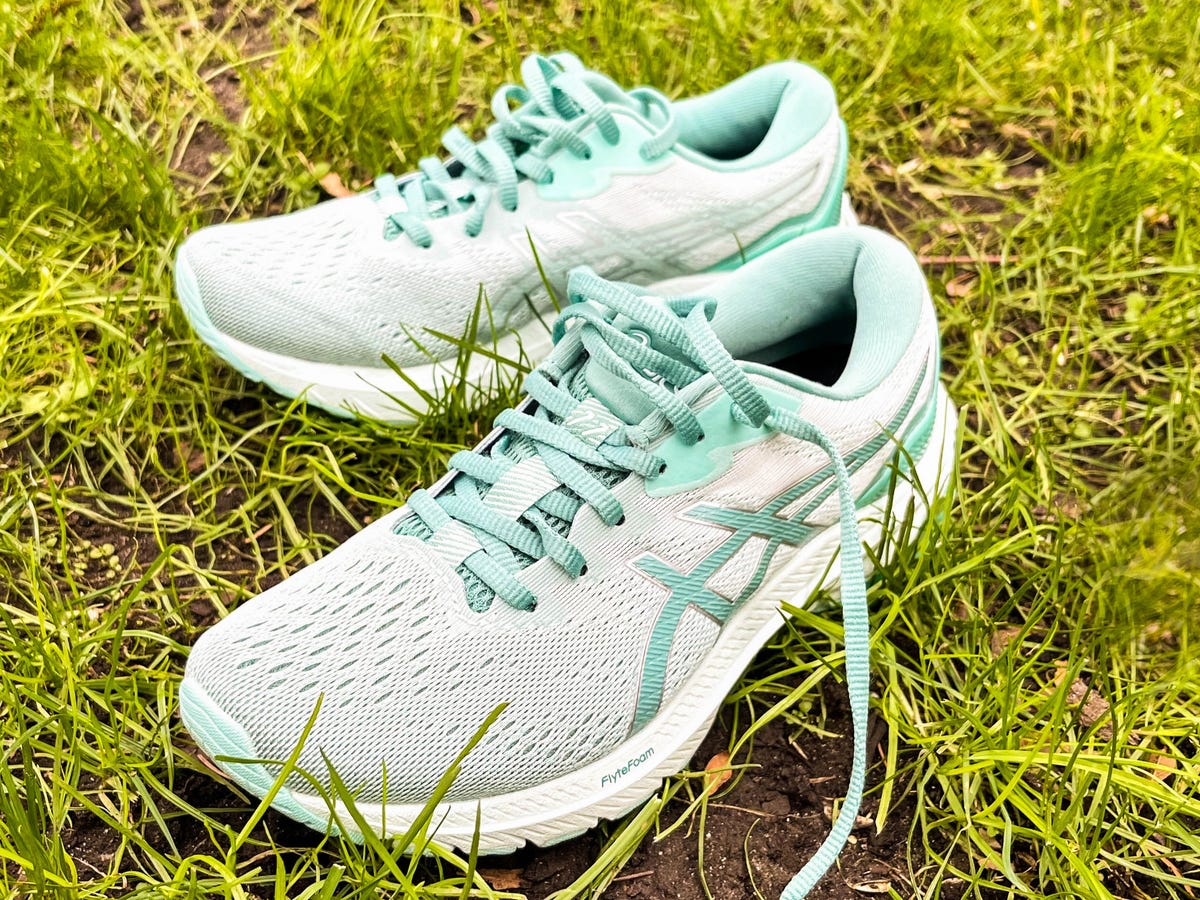
Not all tennis shoes are created equal for walking purposes. The key is to identify models that emphasize certain characteristics over others. First, prioritize cushioning and impact protection. Look for shoes that utilize modern, resilient foam technologies. As noted by footwear experts on platforms like Runner’s World and in wear-test analyses, materials like ASICS’s GEL, New Balance’s Fresh Foam, and Puma’s Nitro foam offer excellent energy return and shock attenuation, making each step feel less punishing. Second, midfoot stability and arch support are non-negotiable. Many tennis shoes feature internal chassis systems, such as the Torsion System from Adidas or the Dynamic Support System from ASICS. These are not just marketing terms; they are embedded plates or denser foam regions that limit torsional twisting and provide a guided foot transition from heel to toe—a critical factor for walkers seeking a stable platform. Third, examine the outsole durability and tread pattern. Tennis shoe outsoles are made of high-abrasion rubber (often marked as “DuraShield” or “AHAR”) to withstand the sandpaper-like friction of a court. This translates to exceptional longevity on asphalt and concrete. A modified herringbone or circular tread pattern offers reliable traction on paved surfaces without the deep, dirt-grabbing lugs of a trail runner, providing a smooth, secure stride.

Dispelling Myths: The Flexibility and Weight Debate
A common critique against using tennis shoes for walking centers on two perceived flaws: excessive stiffness and heavier weight. It is true that a hardcourt tennis shoe designed for maximal durability may feel more rigid than a minimalist walking shoe. However, this rigidity is often precisely in the areas where a walker benefits—the midfoot. The forefoot of many contemporary tennis shoes is designed with flex grooves to allow for a natural toe-off. The notion that a walking shoe must be extremely flexible is being re-evaluated. Podiatrist Dr. Emily Splichal, in her public lectures and writings, often discusses the concept of “proprioceptive feedback.” A shoe with some structural integrity can enhance the foot’s awareness of its position and movement, potentially leading to a stronger, more stable gait over time. Regarding weight, the trade-off is clear. The additional grams come from the reinforced materials that provide durability and support. For a walker covering three to five miles daily, the marginal increase in weight is a worthwhile exchange for a shoe that might last twice as long as a lighter, less-durable alternative. The evolution of synthetic materials and manufacturing has also led to a new generation of tennis-inspired cross-trainers that shed unnecessary weight while retaining core supportive features, making them ideal candidates for walking.
Voices from the Field: Testimonials and Expert Perspectives
The practical application of this concept is best illustrated by those who have made the switch. On community platforms like Reddit’s r/walking and Quora threads dedicated to footwear, countless anecdotes from avid walkers praise the durability and support found in brands like New Balance’s tennis/heritage lines or specific ASICS stability models. One user noted, “My walking-specific shoes would be worn through the outsole in six months. I tried a pair of mid-tier tennis shoes and they’ve lasted over a year of daily use, with far better arch support.” Beyond anecdote, credible figures in fitness and rehabilitation have echoed this sentiment. Celebrity trainer Harley Pasternak, whose clientele includes Hollywood stars, frequently emphasizes functional, multi-activity footwear in his regimens. In an interview with Men’s Health, he indirectly endorsed the principle: “I look for shoes that can handle pressure from all angles, that keep the foot secure. You don’t need a different shoe for every single plane of motion in everyday life.” This philosophy underpins the argument for a tennis shoe’s versatile stability. Furthermore, analysis from authoritative consumer websites like Wirecutter often finds that top-rated “all-purpose athletic shoes” or “cross-trainers”—categories heavily influenced by tennis shoe design—perform exceptionally well in walking-specific tests, scoring high on comfort, support, and long-term wear.
:max_bytes(150000):strip_icc()/vwt-walking-shoes-test-ryka-devotion-x-sahara-borja-02-18807b688fbb49e4ba30a3ee438600cb.jpeg)
Making the Smart Choice: A Buyer’s Considerations
Armed with this knowledge, your journey to finding the perfect pair of tennis shoes for walking requires a personalized approach. Your foot type is the primary dictator. If you have flat feet or overpronate, seek out tennis shoes labeled “stability” or “motion control,” which feature the aforementioned medial posts and structured support. For neutral walkers or those with high arches, “cushioned” or “neutral” tennis shoes will provide ample shock absorption without excessive correction. Fit is paramount. Tennis shoes are often designed with a snugger heel and a roomier toe box to allow for splaying during dynamic movements—a feature that benefits walkers by preventing blisters and providing toe comfort. Always try shoes on in the afternoon when your feet are slightly swollen, and wear the socks you intend to walk in. Consider your walking terrain. A classic hardcourt tennis shoe with a flat, durable outsole is perfect for paved surfaces. If your routes include packed gravel or light trails, look for a “clay court” or “all-court” model, which may have a slightly more textured tread for added grip without becoming a dedicated hiking boot.
The Value Proposition: Durability Meets Discounted Prices
Beyond performance, the economic argument for choosing a tennis shoe for walking is compelling. Tennis shoes are built to endure abrasive surfaces, meaning their lifecycle is inherently long. Where a traditional walking shoe’s midsole might compress or its outsole wear thin within 300-500 miles, a tennis shoe’s robust construction can often extend that lifespan significantly. This durability translates to a lower cost per mile. Furthermore, the market dynamics work in the walker’s favor. Tennis shoes, unlike seasonal running shoes, often have longer product cycles and are frequently discounted on major retailer sites, outlet stores, and during seasonal sales. You can routinely find previous-year models of highly regarded tennis shoes from brands like Nike, Adidas, or K-Swiss at 30-50% off their original retail price. This allows you to access premium technologies—the advanced foams, the stability systems, the high-grade uppers—at a fraction of the cost of a new, top-tier dedicated walking shoe. Investing in a pair of tennis shoes for walking is, therefore, an investment in both your physical comfort and your wallet, providing premium support and cushioning that lasts, without the premium price tag.

The rigid compartmentalization of athletic footwear is an outdated paradigm. The evidence from biomechanics, material science, and user experience converges on a simple truth: a well-selected tennis shoe provides a formidable foundation for walking. It delivers a synergistic combination of court-proven stability, impact-absorbing cushioning, and exceptional durability that directly meets and often exceeds the demands of a walking regimen. By looking beyond the “walking shoe” label and understanding the functional anatomy of a tennis shoe, you unlock access to a wider, often more cost-effective world of high-performance footwear. Your daily walk deserves the robust support and enduring comfort that these shoes are engineered to provide. Embrace the crossover; your feet—and your budget—will thank you for the miles to come.
