

Elevate Your Outfit with These Must-Have Pairs
In the architecture of personal style, footwear is not merely an accessory; it is the foundation. The right pair can transform an ensemble from mundane to magnificent, offering both a literal and figurative platform from which your entire look is perceived. While countless styles vie for attention in your closet, few possess the transformative power and versatile charm of a well-chosen collection of heels, particularly the modern staple: booties heels. This article isn’t about following fleeting trends. It’s a curated guide to building a foundational footwear arsenal that merges objective principles of design and psychology with actionable style intelligence. We’ll dissect why certain silhouettes work, arm you with knowledge from design theory and cultural commentary, and show you how to invest in pieces that offer both professional polish and undeniable value.
The Architectural Principle: Why Heels Reshape More Than Your Silhouette
The influence of heels extends far beyond adding a few inches of height. From a biomechanical and psychological perspective, wearing heels induces a series of subtle yet powerful shifts. Biomechanically, heels alter your posture: the pelvis tilts forward, the spine adjusts its curvature, and the chest opens. This creates the classic, elongated line associated with confidence and formality. Dr. Megan Leahy, a podiatrist cited in health publications, notes that while extreme heels can cause strain, a moderate heel can improve muscle activation in the legs and core when worn intermittently. Psychologically, the impact is profound. A seminal study published in the journal Archives of Sexual Behavior found a correlation between heel height and perceived attractiveness, linked to the exaggeration of feminine gait kinematics. This isn’t merely about allure; it’s about perceived authority. In her book The Psychology of Fashion, Professor Carolyn Mair references studies showing that formal attire, including structured footwear, can enhance abstract thinking and feelings of power—a concept known as “enclothed cognition.” Therefore, a pair of booties heels is not just a shoe; it’s a tool that can frame your mindset. The closed-toe, often ankle-embracing design of a bootie provides a sense of structure and readiness, making it a powerhouse for both the boardroom and a sophisticated evening out.

Decoding Versatility: The Five Silhouettes That Build a Universe of Outfits
Building a versatile wardrobe is an exercise in strategic geometry. You need shapes that interact fluidly with different hemlines, textures, and occasions. Let’s objectively analyze five must-have heel profiles, with booties heels serving as the versatile cornerstone.
The Classic Pump: The Unspoken Contract of Professionalism
No item symbolizes corporate and formal dress code quite like the closed-toe pump. Its design purity—a clean vamp, a single silhouette line—is rooted in mid-20th century fashion, becoming a uniform staple as documented by the Fashion Institute of Technology’s archives. The power of the pump lies in its neutrality; it recedes visually, allowing your clothing and presence to take center stage. As fashion historian Valerie Steele has stated, “The pump is about coded elegance, a silent language of competence.” Its versatility is geometric: it pairs with the straight line of a trouser, the curve of an A-line skirt, and the slash of a dress slit without conflict. When selecting yours, consider the scientific principle of the “golden ratio”; a heel height roughly one-eighth of your total visual height (from head to toe) often creates the most harmonious proportion. This isn’t mere opinion—it’s a principle borrowed from classical art and architecture applied to personal aesthetics.
The Block Heel & The Modern Bootie: A Marriage of Stability and Edge
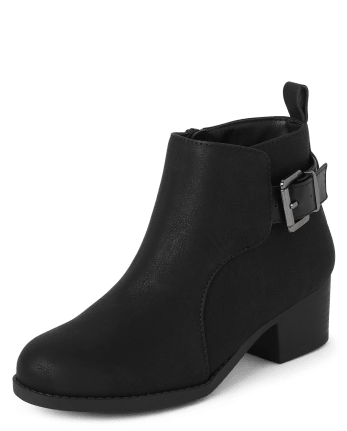
This is where trend meets timeless engineering. The block heel, by its widened base, distributes weight more evenly than a stiletto, adhering to principles of physics for greater stability and comfort. When this design is applied to the booties heels format, it creates a hybrid of ruggedness and refinement. The bootie’s shaft, covering the ankle, provides visual weight and grounding, making it ideal for balancing voluminous tops or skinny jeans. This silhouette gained mainstream cultural traction through the utilitarian-chic aesthetic popularized by shows like Sex and the City and later, the more accessible fashion waves on platforms like YouTube, where stylists like Ashley (BestDressed) often championed them for “elevating basics.” The block-heel bootie answers a modern demand: aesthetic elevation without physical precariousness. It’s the shoe that walks you from a day of meetings to an evening event without a second thought, embodying practical luxury.
The Nude Spectrum: Chromatic Camouflage for Elongation
The concept of the “nude” shoe is a masterclass in visual trickery rooted in color theory. The goal is not to match your skin tone perfectly but to create a continuous, unbroken line from leg to toe. This exploits the Gestalt principle of continuity, where the human eye perceives aligned elements as a single unit. As Tim Gunn famously emphasized on Project Runway, “A nude shoe is the most important thing to elongate your figure.” This principle is paramount for petite frames or when wearing cropped hemlines. Your “nude” is a spectrum—it could be a blush pink, a taupe, or a mocha. The key is its proximity to your skin’s undertone. A pointed-toe booties heels in a suede nude material can be particularly effective, as the soft texture and elongating toe box further enhance the seamless visual flow, making your legs look miles long.
The Statement Slingback: Strategic Focal Points
While neutrality is key for versatility, a strategic statement piece serves as an exclamation point. The slingback, with its open heel and strap, introduces an element of deliberate exposure and delicate detail. It draws the eye dynamically, making it perfect for minimalist outfits that need a focal point. Christian Dior himself called the slingback “the final touch to the elegant silhouette,” and its cyclical resurgence in fashion (notably by brands like Chanel) underscores its enduring relevance. A slingback with an interesting heel material—a lucite block or a metallic taper—functions like a piece of moving jewelry. It teaches a style lesson: sometimes, the most powerful outfits are built on a foundation of quiet pieces punctuated by one brilliantly chosen, conversation-starting accessory.
The Wedge: The Ergonomic Elegance of Distributed Pressure
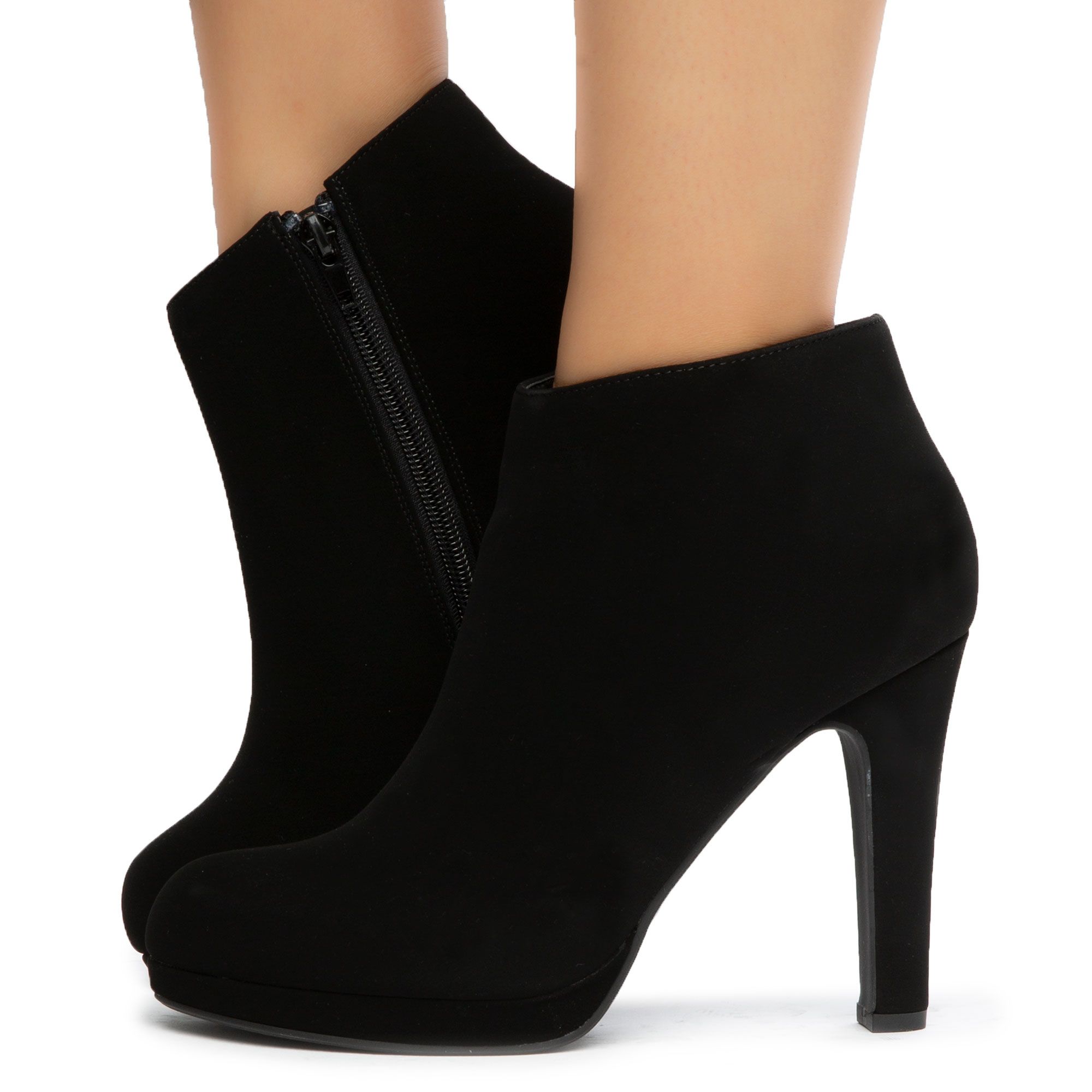
Often relegated to casual summer wear, the wedge is a masterpiece of ergonomic design misunderstood. Its solid form provides a stable base by increasing the surface area in contact with the ground, which, according to podiatric literature, reduces peak pressure on the ball of the foot compared to a traditional heel of the same height. This makes it a secret weapon for all-day wear at outdoor events, travel, or long workdays requiring extensive standing. A sleek, ankle-wrap booties heels crafted in a wedge form is a quintessential transitional piece. It offers the height and sophistication of a heel with the grounded comfort of a platform, seamlessly carrying you through seasons and scenarios where cobblestones or grass would deter a thinner heel.
Intelligent Acquisition: Blending Craft Knowledge with Value Strategy
Knowledge of style is futile without wisdom in acquisition. True sartorial elevation comes from investing in quality that lasts and knowing where to find value without compromising on design integrity.
First, understand materials. Full-grain leather will mold to your foot and last for years, while high-quality suede (look for a dense nap) offers texture and depth. Linings should be smooth and breathable, like calfskin or textile blends. Examine construction: the sole should be firmly attached (Goodyear welting is a hallmark of durability), and the heel should be aligned squarely with the center of the shoe. This isn’t just craft; it’s applied science for wearability. Second, adopt a value mindset. This doesn’t mean cheap. It means cost-per-wear. A $300 pair of impeccably crafted leather booties heels worn 100 times over five years is a smarter investment than a $60 pair worn three times before discomfort or disintegration sets in. Leverage end-of-season sales, reputable outlet sections, and member discounts from premium retailers. Brands often discount classic colors (black, nude, navy) less aggressively than seasonal hues, so for foundational pieces, the investment is justified. Follow trusted fashion economists on platforms like Quora or industry blogs who analyze sales cycles; purchasing major staples in January or August can yield significant savings on exactly the pieces that form your style foundation.

Elevating your outfit is a deliberate act of composition. It moves beyond random acquisition to intentional curation. By understanding the architectural impact of heels, the geometric versatility of key silhouettes like the indispensable booties heels, and the intelligent principles behind material quality and value shopping, you transform your wardrobe from a collection of items into a toolkit for personal expression and professional presentation. Your shoes are the groundwork. Choose them with knowledge, and they will lift everything you build upon them.
