

The Ultimate Guide to Tennis Shoes for Walking
For years, the idea of using tennis shoes for walking was met with skepticism from purists in both sports. Walkers were told to seek out dedicated walking shoes with their specific rocker soles and flex patterns, while tennis players guarded their court-specific footwear designed for lateral cuts and quick sprints. Yet, a quiet revolution has been underway. The lines have blurred, and a significant number of individuals are discovering that a well-chosen pair of tennis shoes can serve as an exceptional, versatile companion for their daily ambles, fitness walks, and urban exploration. This guide isn’t about declaring one category the outright winner; it’s an objective, scientific exploration of why and how the modern tennis shoes for walking can be a brilliant, often overlooked choice, provided you understand the critical engineering and physiological factors at play. We will dissect the anatomy of these shoes, weigh biomechanical evidence, and provide you with the knowledge to make an informed decision that brings professional-grade support to your stride, potentially at a more accessible price point than many specialized walking models.
The Anatomy of Support: Deconstructing the Tennis Shoe
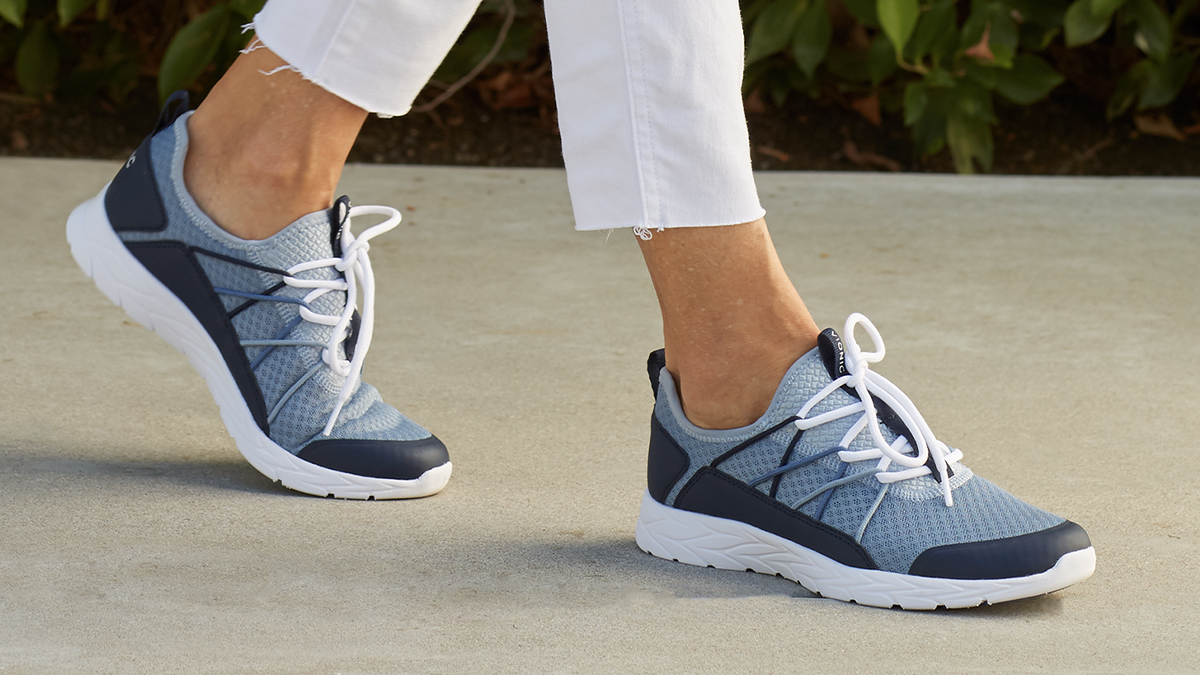
To comprehend the suitability of tennis shoes for a walking regimen, one must first dismantle the common misconceptions about their design. Contrary to the belief that they are built solely for aggressive side-to-side motion, contemporary tennis footwear is a marvel of holistic athletic engineering. The foundation lies in the midsole, typically composed of advanced cushioning materials like polyurethane, EVA (ethylene-vinyl acetate), or proprietary blends such as Adidas’s Boost or Nike’s React foam. According to biomechanics literature from institutions like the University of Calgary’s Human Performance Lab, the primary role of the midsole is to manage impact forces—a concern paramount in both tennis and walking. Where tennis shoes excel, and why they translate well to walking, is in their emphasis on stability. The medial (arch) side of a tennis shoe often incorporates a denser material or a structured post to combat overpronation, a common gait issue where the foot rolls inward excessively. This feature, as detailed in podiatric journals, is equally crucial for walkers who cover long distances on hard surfaces. Furthermore, the outsole of a tennis shoe is designed for multi-surface traction, featuring a herringbone or modified tread pattern that provides reliable grip on pavement, track, or boardwalk, offering a security that some dedicated walking shoes with simpler treads lack. The upper, constructed from durable synthetics or breathable mesh, is built to withstand the abrasion of court surfaces, translating to impressive longevity for sidewalk use.
Biomechanics at the Crossroads: Pronation, Impact, and Gait Cycle
The debate between shoe types ultimately rests on human biomechanics. The walking gait cycle—comprising heel strike, mid-stance, and toe-off—generates repetitive, lower-impact forces compared to running, but over thousands of steps, these forces accumulate. The key question is whether a tennis shoe can adequately support this linear, heel-to-toe motion. Evidence suggests it can, and sometimes surpasses dedicated walking shoes. The stability technologies mentioned earlier directly address the mid-stance phase, where the foot fully bears the body’s weight and pronation control is vital. Dr. Casey Kerrigan, a former Harvard Medical School professor and renowned gait researcher, has published studies challenging the over-commercialization of “corrective” footwear, suggesting that natural foot motion and overall shoe comfort are more significant indicators of performance and injury prevention. In this light, a tennis shoe that offers a secure fit, ample cushioning, and a comfortable heel-to-toe drop (the height difference between heel and forefoot, typically 8-12mm in tennis shoes, suitable for walkers) aligns with this principle. The rigid heel counter—a non-negotiable in tennis shoes to lock the heel during lateral moves—provides exceptional rearfoot stability for walkers, preventing slippage and promoting a more efficient stride. Therefore, from a biomechanical standpoint, the engineered features of tennis shoes for walking are not misaligned but can be strategically co-opted for a smooth, stable walking experience.
Voices from the Field: Testimonials and Expert Opinions
Beyond laboratory studies, the lived experience of athletes, fitness enthusiasts, and medical professionals provides compelling anecdotal and professional evidence. On platforms like Quora and specialized fitness forums, countless users report switching to tennis shoes for their daily walks, citing superior durability, better arch support, and a more “grounded” feel compared to some minimalist walking shoes. Celebrity fitness trainer Harley Pasternak, in an interview for Shape magazine, has emphasized the importance of versatile footwear for clients, noting that a shoe with good lateral support can benefit activities beyond its intended sport. Furthermore, YouTube channels dedicated to shoe reviews, such as “Doctor of Running” or “The Run Testers,” frequently analyze tennis and cross-training shoes through the lens of versatile daily wear, applying metrics like cushioning longevity, flexibility at the forefoot, and overall comfort for prolonged standing and walking. Their technical breakdowns often reveal that many tennis shoes for walking utilize the same—or more advanced—midsole foams found in premium running or walking shoes. The consensus emerging from these diverse sources is not a blanket endorsement but a qualified approval: for individuals with neutral to overpronating gaits who value stability and durability, a tennis shoe is a formidable and logical option.

The Value Proposition: Durability Meets Discounted Prices
An often-overlooked advantage in the discussion of tennis shoes for walking is their inherent value. Tennis shoes are engineered to withstand the brutal punishment of hard courts—dragging toes during serves, aggressive pivots, and constant friction. This construction philosophy results in outsoles made of high-abrasion rubber and reinforced uppers. For a walker, this translates to a shoe that may last significantly longer than a traditional walking shoe before showing signs of wear, especially in the outsole. From an economic perspective, this durability extends the cost-per-mile of the footwear. Moreover, the market dynamics work in the consumer’s favor. While the latest running shoe models are hyped and rarely discounted, the tennis shoe market, though competitive, often sees deep discounts on previous seasons’ models or specific colorways. Because the core technologies—the cushioning systems, stability features, and outsole compounds—remain effective for years, a consumer can frequently acquire a high-performance tennis shoe with premium materials at a fraction of the cost of a flagship walking or running shoe. This access to professional-grade technology at accessible price points is a compelling reason to consider this category.
Making the Right Choice: A Personal Fitting Guide
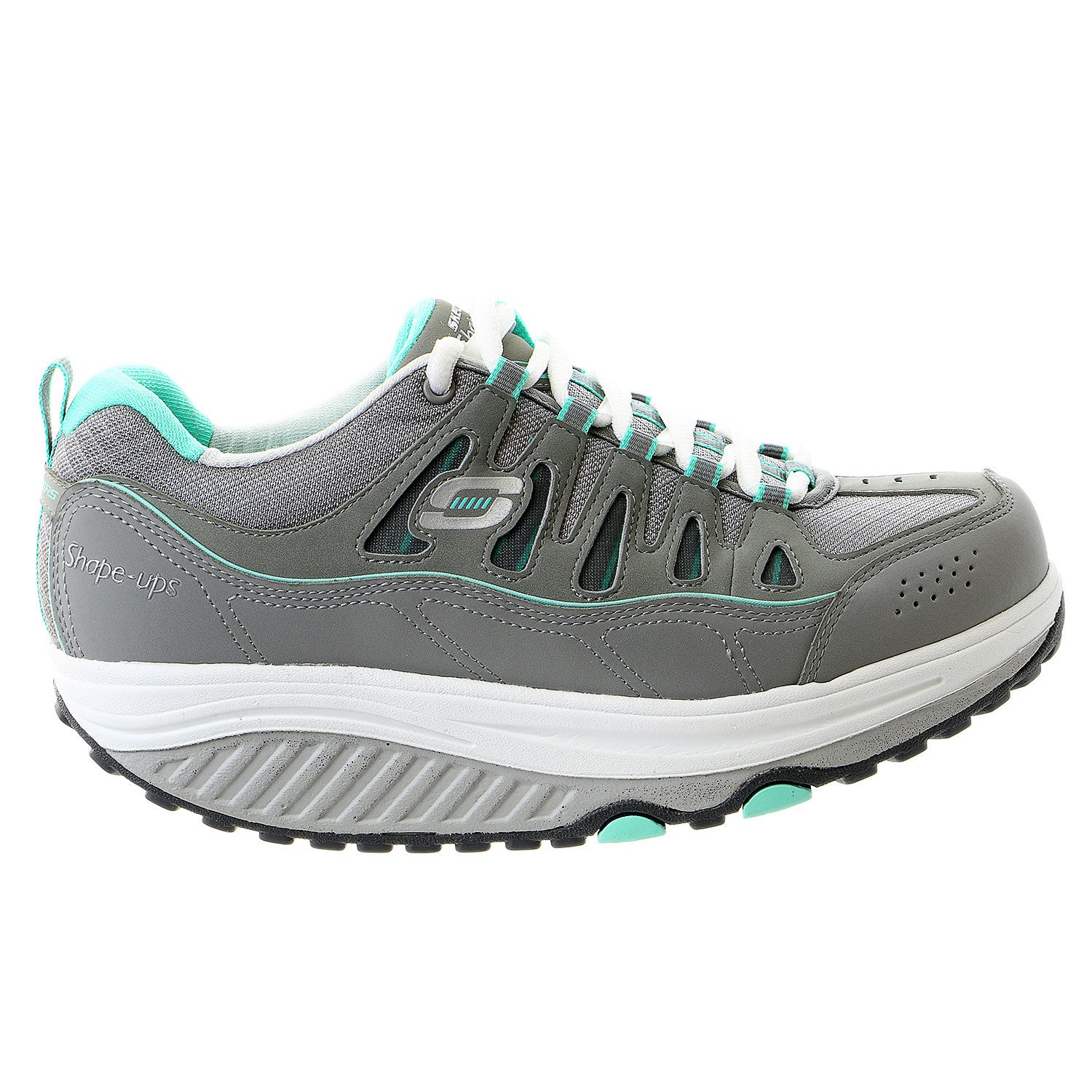
Understanding the theory is one thing; applying it is another. Selecting the right tennis shoe for your walks is a personal journey that hinges on a few non-negotiable principles. First, prioritize fit above all else. Your foot should feel secure in the heel and midfoot without any pinching in the toe box. Remember, feet swell during long walks, so a thumb’s width of space at the end of your longest toe is advisable. Second, analyze your gait. If you know you overpronate, seek out tennis shoes labeled “stability” or those with visible dual-density midsoles. For neutral walkers, a wider range of “cushioned” or “all-court” tennis models will be suitable. Third, consider the walking surface. A shoe with a durable, flat herringbone pattern is ideal for pavement, while a more pronounced tread might be better for packed trails. Don’t be swayed by aesthetics alone; the technology inside is what will protect your joints over miles. Finally, test them thoroughly. Walk around the store, on different surfaces if possible, and pay attention to how the shoe bends—it should flex easily at the ball of the foot, where your toe-off occurs, not in the middle of the arch. This careful, informed selection process ensures that the pair you choose truly functions as effective tennis shoes for walking.
:max_bytes(150000):strip_icc()/Web_1500-vwt-primary-best-overall-shoe-tstaples-118-671f4e0048e64d14a1c42e4f8d9e6658.jpg)
The journey through the world of athletic footwear need not be confined by rigid categories. The modern tennis shoe, with its robust construction, advanced stability features, and impact-absorbing technology, presents a legitimate and often superior alternative for the dedicated walker. It is a solution born not from marketing hype, but from the convergence of biomechanical science, material innovation, and practical, long-term value. By choosing a shoe based on the objective criteria of fit, gait support, and durability rather than its label, you empower yourself with footwear that can confidently carry you through countless miles. So, the next time you consider a new pair of shoes for your walking routine, look beyond the designated aisle. The perfect partner for your path might just be waiting on the tennis court.
