

The Ultimate Guide to Tennis Shoes for Walking
Let’s dispel a common misconception right at the start: not all athletic shoes are created equal for the specific, repetitive motion of walking. While you might reach for your running shoes, the biomechanics of walking demand a different kind of support and construction. This guide is dedicated to exploring why a dedicated pair of tennis shoes for walking can be a transformative investment for your daily ambulation, your joint health, and your overall comfort. We will dissect the science, hear from experts, and translate technical jargon into practical advice, all to help you find the perfect stride companion.
The Biomechanical Argument: Why Walking Isn’t Mini-Running
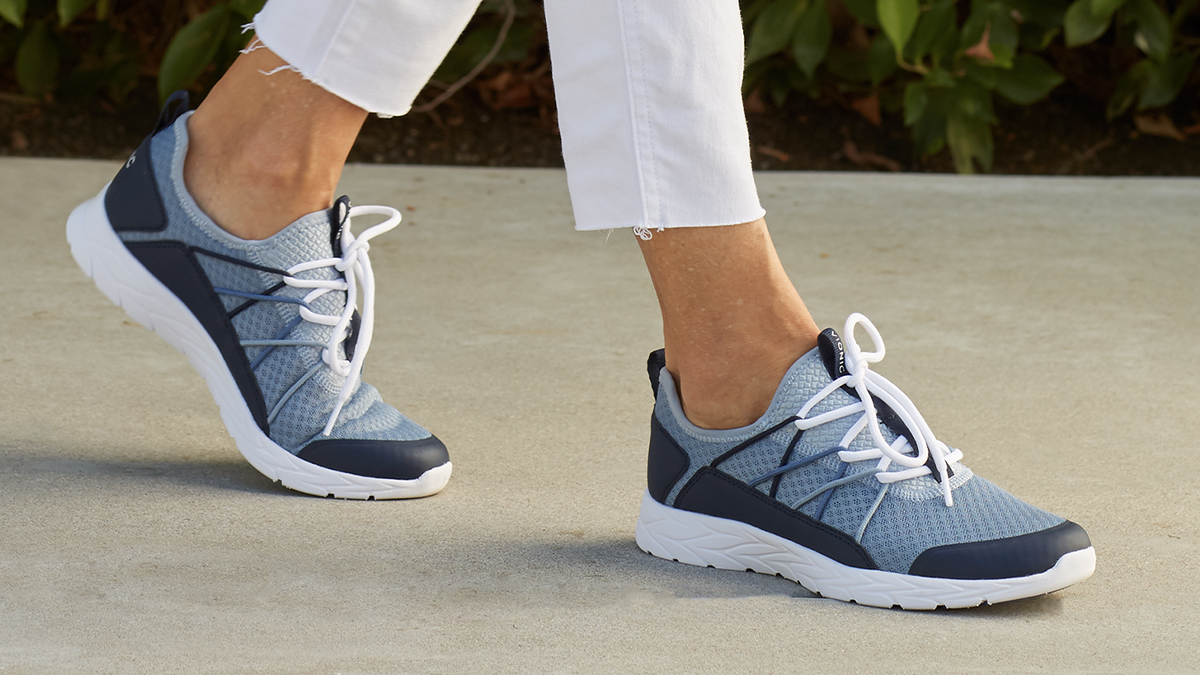
To understand the need for specialized footwear, we must first look at the human gait cycle. Running is characterized by a “flight phase”—a moment where both feet are off the ground—leading to impact forces of 2-3 times your body weight upon landing, primarily on the midfoot or forefoot. Walking, in contrast, is a continuous, grounded motion with a “double support” phase where both feet touch the earth. The impact is lower (about 1.5 times body weight) but the heel-strike is more pronounced, and the roll-through from heel to toe (the gait cycle) is slower and more deliberate. Dr. Casey Kerrigan, a former professor of physical medicine and rehabilitation at Harvard Medical School and founder of a footwear science company, has published research indicating that modern athletic shoes, particularly stiff running shoes, can actually increase joint torques at the hip, knee, and ankle compared to walking barefoot. This doesn’t mean we should walk barefoot on concrete, but it highlights that the wrong shoe can hinder our natural mechanics. A proper tennis shoes for walking is engineered for this specific heel-to-toe roll. It features a beveled or angled heel to facilitate a smooth heel strike, flexible forefoot to allow the foot to bend naturally during toe-off, and stability features that cater to the longer, more stable contact period of the walking footfall, rather than the explosive, high-impact nature of running or lateral cuts of tennis.
Deconstructing the Ideal Walking Shoe: Key Features Explained
Navigating shoe specifications can feel like reading a foreign language. Let’s translate the core components of an excellent walking shoe, grounding our explanations in podiatric recommendations and footwear engineering principles.
Midsole Cushioning: The Shock Absorption Core
The midsole is the heart of cushioning, typically made from EVA (ethylene-vinyl acetate) foam, PU (polyurethane), or modern compounds like Nike’s React or Adidas’s Boost. For walking, the cushioning needs to be responsive yet firm enough to provide stability. Unlike running shoes which may prioritize ultra-soft, energy-returning foams for high impact, a walking shoe’s midsole should offer a balanced “ride.” According to the American Podiatric Medical Association (APMA), which grants its Seal of Acceptance to footwear that promotes good foot health, proper cushioning reduces stress on the musculoskeletal system. However, too much softness can lead to instability, causing the foot to roll excessively (overpronation or supination). The ideal tennis shoes for walking has a midsole that attenuates the steady, repetitive shock of heel strikes without feeling mushy, providing a stable platform for the entire gait cycle.
Heel Counter and Arch Support: The Stability Architects
These are the unsung heroes of foot alignment. A firm heel counter—the rigid material that cups your heel—is non-negotiable. It prevents the heel from sliding or rolling, ensuring your foot is properly aligned with each step. Think of it as the foundation of a house; if it’s weak, everything above it becomes misaligned. Arch support is equally critical. It maintains the foot’s natural plantar fascia tension, preventing it from over-stretching or collapsing. This is not about imposing a high arch on every foot, but about providing appropriate support that matches your foot type (neutral, low-arch, or high-arch). A study from the University of Rochester Medical Center emphasizes that proper arch support can alleviate common conditions like plantar fasciitis. Therefore, a shoe designed as tennis shoes for walking will often have a well-defined, structured arch and a robust heel counter to guide your foot through a stable, efficient motion from first to last step.
Outsole Flexibility and Traction: The Connection to Terra Firma
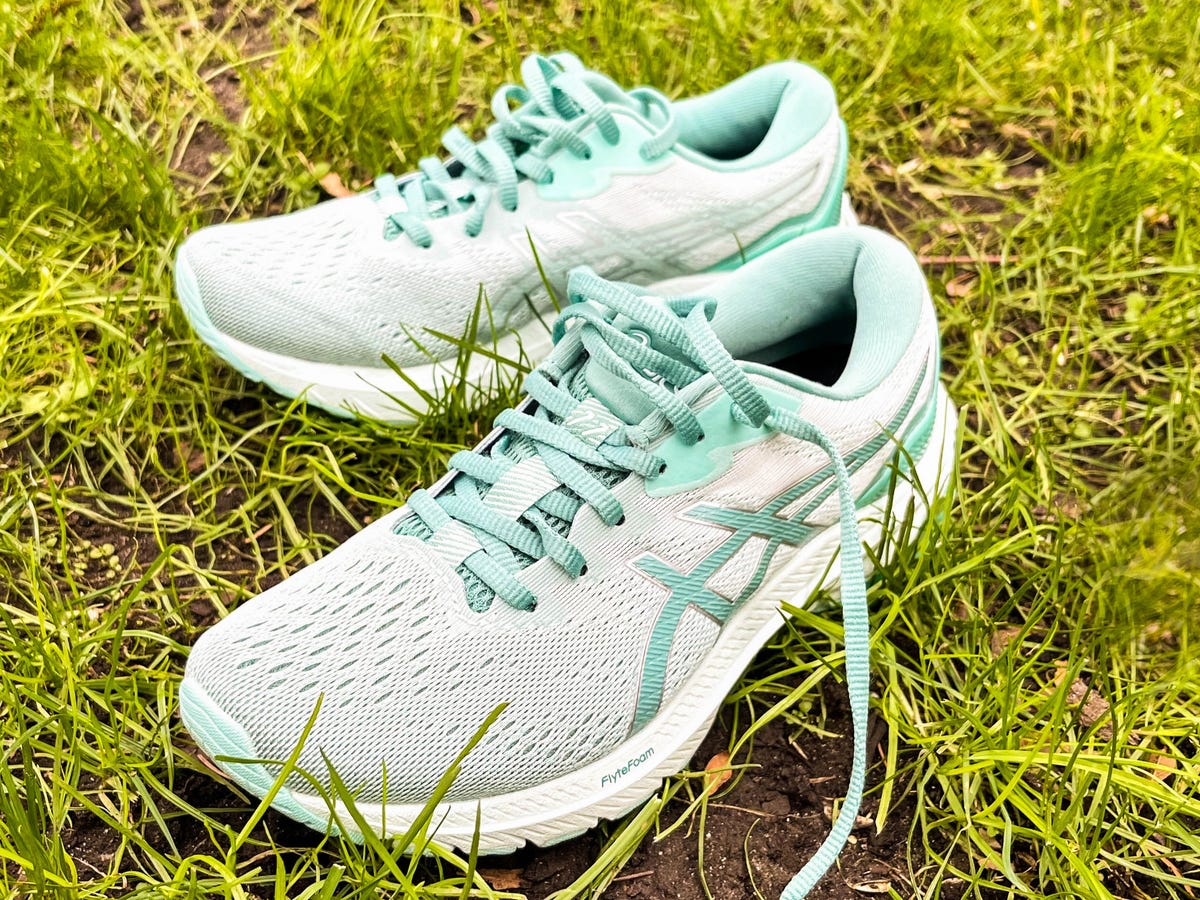
The outsole is your interface with the ground. For walking, flexibility is paramount, particularly at the forefoot (the ball of the foot). A simple test: try bending the shoe. It should bend easily at the point where your foot naturally flexes during toe-off. A rigid outsole fights your foot’s mechanics, leading to fatigue and potential strain. Traction, provided by a patterned rubber compound, ensures safety on various surfaces—pavement, gravel, or indoor floors. The pattern (like a circular or hexagonal lug design) is less aggressive than a trail running shoe but more substantial than a smooth dress shoe sole. This balance prevents slipping while allowing for the smooth heel-to-toe transition that defines efficient walking. Renowned footwear tester and author of multiple shoe review anthologies, often cited in resources like Runner’s World gear guides, consistently highlights forefoot flexibility as a key differentiator for comfortable walking shoes versus other athletic models.
Expert Voices and Cultural Perspectives on Footwear
The conversation around dedicated walking shoes isn’t confined to lab reports. It echoes through the advice of health professionals, the endorsements of celebrities, and even in popular culture. Celebrity fitness trainer Harley Pasternak, who has worked with numerous Hollywood stars, frequently emphasizes the importance of proper footwear for low-impact activities like walking, often noting that it’s the foundation of any fitness regimen. On platforms like YouTube, certified pedorthists and physical therapists, such as those from the “Foot & Ankle” educational channels, dedicate entire series to shoe selection, breaking down how features like rocker soles (designed to propel the foot forward) can benefit walkers with specific mobility needs. Even in literature, the importance of shoes is metaphorically and literally explored. In Wild, Cheryl Strayed’s memoir of her Pacific Crest Trail hike, the catastrophic failure of her ill-fitting boots becomes a central physical and symbolic trial, starkly illustrating the profound consequences of improper footwear on a long journey. While her example is extreme, it underscores a universal truth: what you put on your feet directly impacts your ability to move through the world.
“The shoe is the first piece of exercise equipment. If it’s not right, nothing else will be.” – A sentiment echoed by numerous podiatrists and orthopedic specialists in interviews with health publications like Prevention magazine.
Synthesizing Knowledge: Your Personal Fitting Protocol
Armed with this technical and expert knowledge, how do you apply it? Your personal fitting session is where theory meets practice. First, shop in the afternoon or evening, as feet naturally swell throughout the day. Wear the socks you intend to walk in. There should be about a thumb’s width (roughly half an inch) of space between your longest toe and the end of the shoe. Width is as crucial as length; your foot should not spill over the sides of the footbed, nor should there be excessive gaping. Walk around the store extensively—not just a few steps. Pay attention to any pinching at the toes, slipping at the heel, or pressure on the arch. Remember, the best tennis shoes for walking for you is the one that disappears on your foot, meaning you don’t think about it because nothing hurts or feels off. Don’t be wedded to a size; brand fits vary dramatically. Consider your terrain: mostly pavement? Look for shoes with good cushioning and moderate flexibility. Incorporating gravel paths or light trails? Prioritize a slightly more rugged outsole with deeper lugs for grip.

Investing in Your Stride: Value Beyond the Price Tag
Finally, let’s discuss value. A high-quality pair of walking shoes is an investment in preventative health. The cost of physical therapy for plantar fasciitis, knee pain, or hip issues far outweighs the price of a well-engineered shoe. Look for brands that consistently earn the APMA Seal of Acceptance, such as certain models from New Balance, ASICS, and Brooks. These have been vetted for their foot-healthy design. While premium models from these brands may retail between $120 and $160, significant value can be found. Consider previous season’s models, which often see discounts of 30-50% as new colors are released. Major sporting goods retailers frequently offer sales around holidays, and brand outlet stores can be treasure troves. The goal isn’t to find the cheapest option, but the best-value option—the shoe that provides the correct blend of cushioning, stability, and flexibility for your feet at the most reasonable price point. This intelligent investment pays dividends with every comfortable, pain-free step you take.
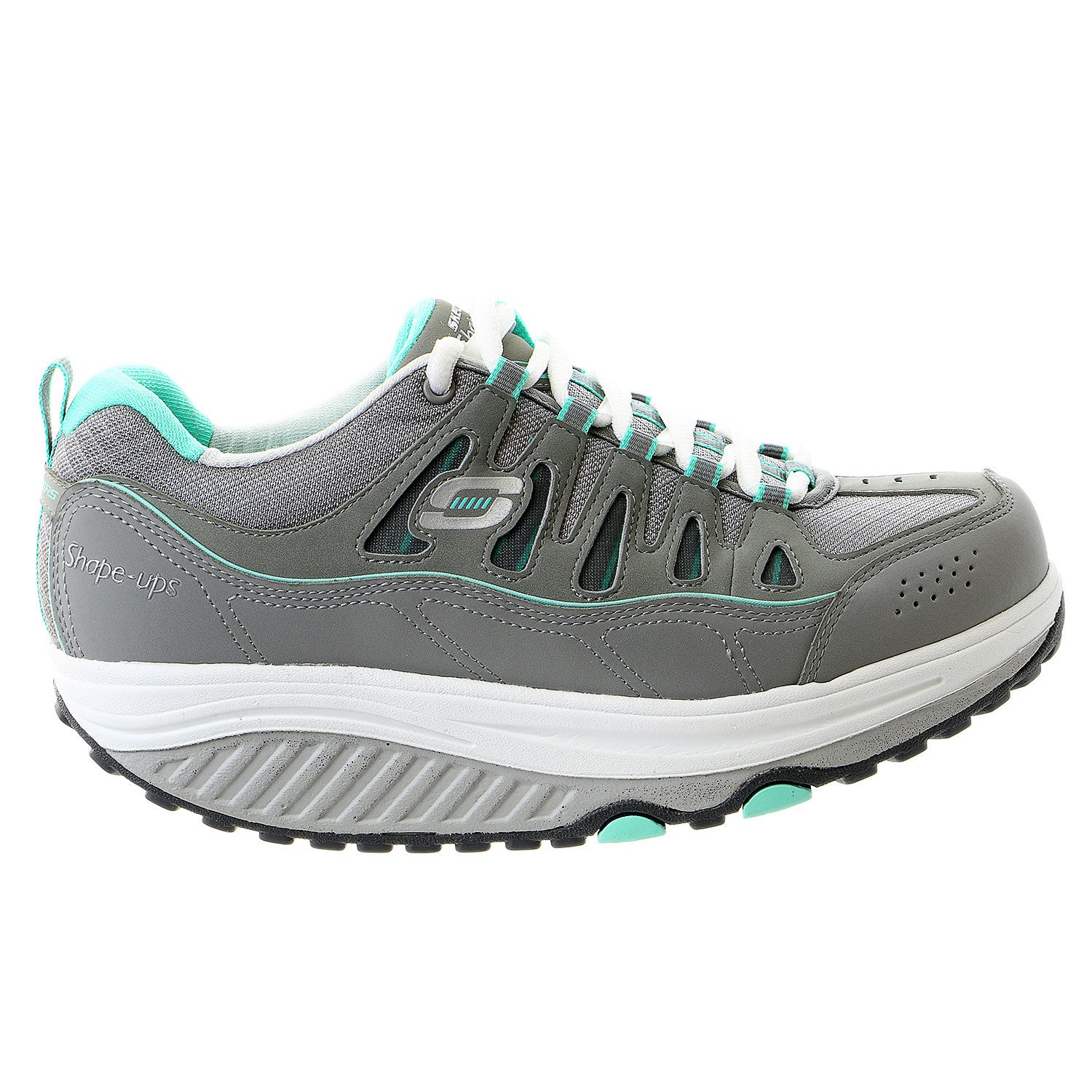
Choosing the right footwear is a deliberate act of self-care. It moves beyond fashion or habit into the realm of biomechanical support and long-term wellness. By selecting a shoe specifically designed for the kinematics of walking—with its deliberate heel strike, sustained contact, and rolling propulsion—you are not just buying a product; you are optimizing a fundamental human movement. Let this guide be your first step toward a more comfortable, supported, and sustainable walking practice, where each journey begins on the right foot, clad in purpose-built tennis shoes for walking.
