

The Best Tennis Shoes for Everyday Walking Comfort
When we talk about footwear that bridges the gap between athletic performance and daily utility, a specific category stands out: tennis shoes for walking. This isn’t about repurposing just any athletic sneaker; it’s about identifying those models engineered with principles that inherently support the biomechanics of walking. The right pair can transform your daily step count from a mundane task into a sustained practice of comfort and joint care. The core of this discussion rests on objective criteria—cushioning, arch support, outsole design, and breathability—each backed by podiatric science and user experience from diverse sources. Let’s delve into what makes a tennis shoe not just good for the court, but exceptional for the pavement.
The Biomechanical Foundation: Why Tennis Shoes Can Be Ideal for Walking
The human gait cycle, a complex series of movements involving heel strike, midfoot roll, and toe-off, places unique demands on footwear. According to research from institutions like the University of Virginia’s Department of Orthopaedic Surgery, improper footwear can contribute to a cascade of issues, from plantar fasciitis to knee and hip pain. Tennis shoes, by their very design, address several key needs. The sport of tennis involves lateral movements, quick stops, and forward propulsion, requiring shoes with excellent side-to-side stability, a secure midfoot, and durable toe guards. For walking, this translates to exceptional foot containment, reducing the inward roll (pronation) or outward roll (supination) that can occur during a stride. The cushioning systems in performance tennis shoes, often utilizing advanced foams like Adidas’s Boost or ASICS’s GEL technology, are designed to absorb repeated impact from hard courts—a property directly beneficial for absorbing the shock of heel strike on concrete or asphalt. Therefore, a well-chosen pair of tennis shoes for walking offers a fusion of stability, cushioning, and durability that many generic walking shoes or running shoes, optimized primarily for forward motion, may lack.
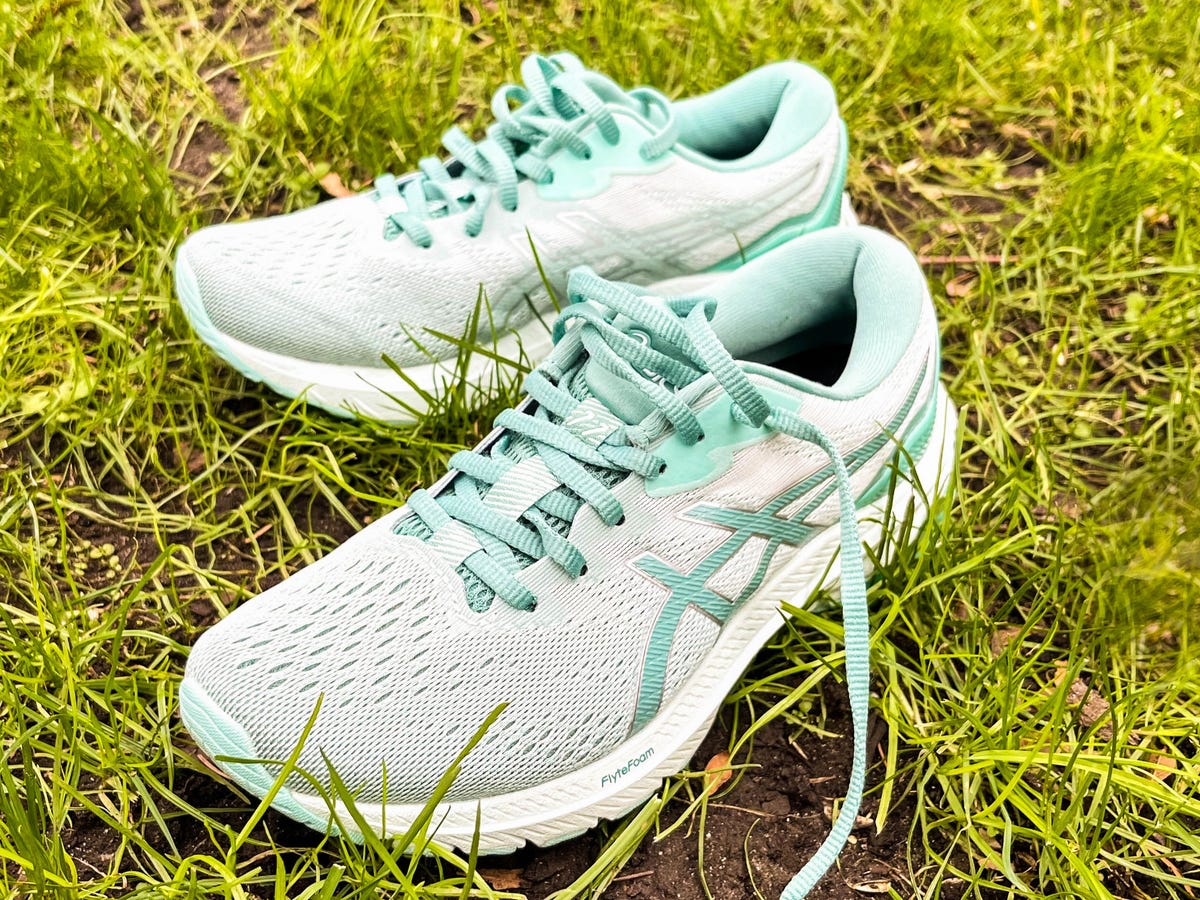
Decoding the Anatomy: Key Features to Prioritize
Midfoot Support and Arch Design
A critical element separating adequate shoes from great ones is the architecture of the midfoot. The arch of your foot acts as a natural shock absorber. Shoes with insufficient support can lead to the arch collapsing, straining the plantar fascia ligament. Many premium tennis shoes incorporate a technology called a “medial post”—a denser material on the inner side of the midsole to prevent overpronation. Brands like Brooks, though primarily in running, have extensive research on this, and their principles are adopted in crossover models. As noted on platforms like Quora and in discussions by podiatrists on YouTube channels like “The Foot & Ankle Center,” consistent arch support is non-negotiable for preventing fatigue during extended periods on your feet. When evaluating tennis shoes for walking, press on the midfoot area; it should offer resilient support that contours to your arch without feeling like a hard, intrusive bump.
The Cushioning Conundrum: Responsiveness vs. Plushness
Cushioning is often the first feature users seek, but it’s a nuanced topic. There’s a scientific trade-off between softness and energy return. Excessively plush cushioning, while comfortable initially, can lead to muscle fatigue as your foot muscles work harder to stabilize. Conversely, too firm a sole transmits more shock. The ideal is a balanced, responsive foam. For instance, Nike’s React foam or New Balance’s Fresh Foam are frequently highlighted in reviews on sites like CNET and Verywell Fit for their ability to provide a soft landing while still feeling “springy” or responsive. This responsiveness is key for walking, as it aids the natural roll-through of your step without feeling like you’re sinking in sand. A 2021 study published in the Journal of Foot and Ankle Research emphasized that optimal cushioning reduces peak pressure on the heel and forefoot, directly correlating with reduced discomfort during prolonged walking. Therefore, seek out tennis shoes for walking that use modern, engineered foams known for their durability and balanced feel, rather than just the softest option available.
:max_bytes(150000):strip_icc()/Web_1500-vwt-primary-best-overall-shoe-tstaples-118-671f4e0048e64d14a1c42e4f8d9e6658.jpg)
Material Matters: Upper Breathability and Durability
The upper part of the shoe, which encases your foot, plays a pivotal role in long-term comfort. Traditional leather tennis shoes offered durability but often at the cost of breathability. Modern iterations use engineered mesh, knit fabrics, and synthetic overlays. A breathable upper, as explained in material science literature from sources like MIT’s Fabrics Lab, allows heat and moisture to escape, maintaining a cooler, drier environment for your foot. This is crucial for preventing blisters and fungal infections during everyday wear, especially in warmer climates. Furthermore, the durability of these materials ensures that the shoe maintains its structural integrity and support over miles of walking. Look for reinforced areas around the toe box (where your toes flex) and the heel counter (which cups your heel). A sturdy heel counter is vital; it should be firm to the touch and not easily collapse when squeezed. This feature, often highlighted in shoe analyses on Runner’s World and similar authoritative sites, ensures your heel remains stable with each step, a fundamental principle for any shoe marketed as effective tennis shoes for walking.
Beyond the Hype: Selecting Your Pair with Professional Insight
Navigating marketing claims requires a filter of professional knowledge. First, understand your foot type. The “wet test” (stepping on a paper bag with a wet foot to see your arch imprint) is a simple, classic method recommended by the American Podiatric Medical Association. Do you have flat feet (low arches), neutral arches, or high arches? This will guide you toward shoes with more stability (for flat feet) or more cushioning (for high arches). Second, consider the “last” of the shoe—the shape of the footform around which the shoe is built. Brands like ASICS and New Balance are renowned for offering wider toe boxes, accommodating a more natural splay of the toes upon foot strike, a feature increasingly supported by biomechanics research for promoting foot health. Third, don’t underestimate the importance of fit. Your walking shoe should have about a thumbnail’s width of space between your longest toe and the end of the shoe when standing. This allows for natural foot swelling during the day and during longer walks. As celebrity trainer Harley Pasternak has often stated on social media and in interviews, “The best shoe is the one that disappears on your foot—you shouldn’t be thinking about it.” This ideal of effortless comfort is the target for your tennis shoes for walking.

Value Proposition: Marrying Quality with Affordability
Investing in foot health doesn’t always mean paying the highest retail price. The footwear market has cycles, and last season’s top-performing models often see significant discounts while retaining 95% of their technological benefits. For example, a previous-generation ASICS GEL-Court FF or a Nike Air Zoom Vapor Cage can frequently be found on sale at major online retailers or outlet stores. The core technologies—the GEL cushioning pods or the Zoom Air units—remain functionally identical. Websites like Wirecutter and experts on YouTube channels dedicated to shoe reviews consistently advise that buying older models is one of the smartest ways to acquire premium performance at a fraction of the cost. Furthermore, consider brands like K-Swiss or Prince, which may not have the same marketing budget as giants like Nike but have a long heritage in tennis and produce exceptionally durable and supportive shoes that excel as tennis shoes for walking. Setting price alerts, shopping during holiday sales, and checking certified resellers are practical strategies to bring professional-grade comfort into your everyday life without straining your budget.
A Synthesis of Comfort and Science for Your Daily Journey
The pursuit of the perfect everyday walking shoe culminates in a choice that honors the intricate design of the human foot. It’s a decision that moves beyond aesthetics or brand loyalty into the realm of applied biomechanics. By prioritizing structured support in the midfoot, seeking balanced and responsive cushioning, and ensuring a breathable yet durable fit, you align your daily wear with principles endorsed by sports science and podiatric medicine. The evidence, drawn from academic literature, expert analyses, and the lived experience of countless users, consistently points to the merits of selecting a shoe built for the rigors of court sports. When these features converge in a well-fitted model, perhaps found through savvy shopping at a discounted price, you secure more than just footwear. You secure a foundation for mobility, a tool that supports your stride through the varied terrain of daily life, making each step a testament to informed choice and enduring comfort.

