

Your Ultimate Guide to Comfort and Style for Every Outfit
We often think of fashion and comfort as opposing forces. A stunning outfit seems destined for discomfort, while cozy clothes are relegated to lazy days at home. This is a false dichotomy. True style is not a punishment; it is an expression of self that should feel as good as it looks. The secret to unlocking this harmony lies not just in the clothes you choose, but in the foundation you stand on. The right walking shoe is the unsung hero of a great wardrobe, seamlessly bridging the gap between all-day comfort and polished aesthetics. This guide is your blueprint for building outfits that empower you to move through your day with confidence, from the boardroom to the city streets, without sacrificing an ounce of style.
The Science of Stride: Why Your Foundation Matters
Before we delve into style pairings, it’s crucial to understand the objective science behind footwear comfort. Your feet are complex biomechanical structures with 26 bones, 33 joints, and over 100 muscles, tendons, and ligaments. A poorly designed shoe doesn’t just cause blisters; it can disrupt your entire kinetic chain, leading to issues in your ankles, knees, hips, and back. The American Podiatric Medical Association emphasizes that shoes should provide stability, cushioning, and enough room for your toes to splay naturally. This is where the modern walking shoe excels. Unlike running shoes built for forward propulsion or dress shoes prioritizing form, a dedicated walking shoe is engineered for the heel-to-toe rolling motion of a walk. It features strategic cushioning, often with technologies like gel, air, or advanced foam compounds (like Adidas’s Boost or Nike’s React) to absorb the repeated impact, which can be 1.5 times your body weight with each step. As Dr. Miguel Cunha, a podiatrist cited in publications like Forbes, notes, “The right shoe acts as a shock absorber for your entire body.” Choosing a shoe based on this scientific principle isn’t a compromise; it’s an investment in your long-term mobility and well-being, enabling you to wear any outfit with vigor, not pain.
Architecting Comfort: Key Features of a Superior Walking Shoe
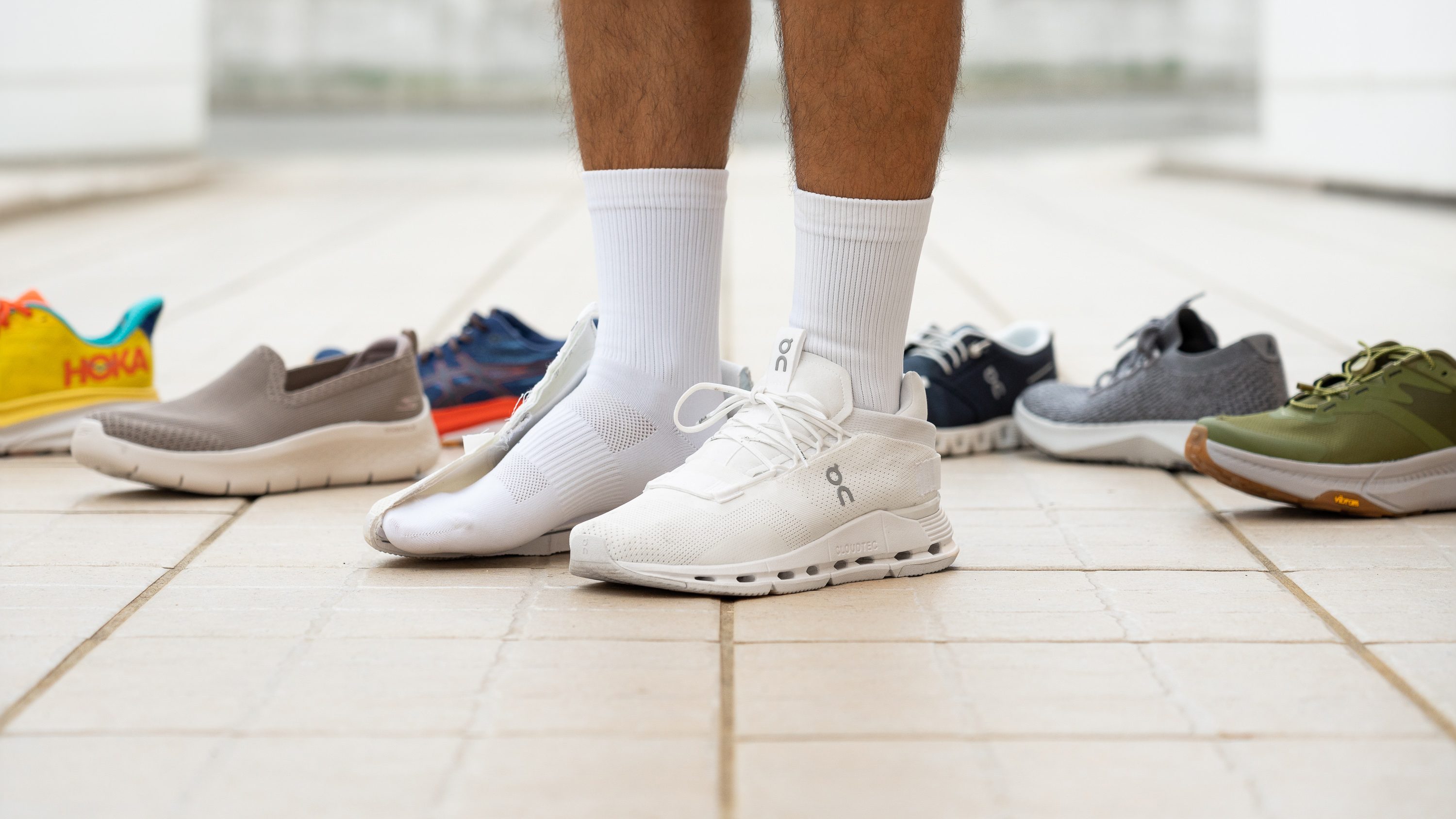
Not all athletic-looking shoes are created equal for the purpose of walking. To make an informed choice, you must become familiar with the architectural components of a great walking shoe. First, consider the midsole. This is the heart of the shoe’s cushioning. Materials like EVA (ethylene-vinyl acetate) are common, but higher-performance options include polyurethane or proprietary blends like Hoka’s Profly+ or Brooks’s DNA LOFT, which offer a balance of softness and responsive rebound. Next, examine the heel counter. This is the firm cup at the back of the shoe that stabilizes your heel, preventing excessive inward or outward roll (overpronation or supination). A secure heel counter is non-negotiable for stability. The toe box must be wide and tall enough to allow your toes to move without constriction, a point famously championed by minimalist footwear advocates and supported by Harvard Medical School literature on foot health. Finally, the outsole’s flexibility is critical. It should bend easily at the ball of the foot, where your foot naturally flexes during a stride, but remain stable elsewhere. A study from the University of Virginia’s Motion Analysis Laboratory underscores that proper flexion reduces the energy cost of walking. When these elements—a responsive midsole, a secure heel counter, a spacious toe box, and a flexible outsole—coalesce, you have a shoe that works with your biology, not against it.
From Gym to Street: The Versatile Performance Sneaker
The performance sneaker has evolved from gym-only gear to a cornerstone of contemporary style. Brands like Nike, Adidas, and New Balance have mastered the art of merging cutting-edge athletic technology with sleek, often minimalist, design. A shoe like the Adidas Ultraboost, with its Continental rubber outsole and Boost midsole, or the Nike Air Max 270, offers legendary comfort that can support miles of walking. The style key here is intentionality. Pair a monochromatic performance sneaker—think all-white or all-black—with tailored trousers and a crisp blazer. The contrast between the structured clothing and the technical shoe creates a dynamic, modern look that speaks to a life in motion. Fashion influencer and blogger Aimee Song often showcases this blend, pairing high-end pieces with comfortable sneakers, proving that comfort does not dilute style but rather modernizes it. This approach is perfect for travel, creative workplaces, or a day of errands where you need to look put-together without feeling restricted. The walking shoe in this context is your secret weapon for effortless cool.
The Max-Cushion Revolution: Cloud-Like Support
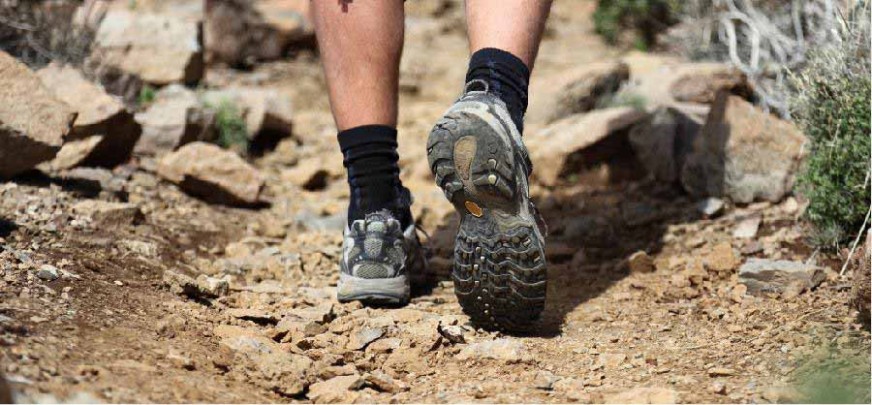
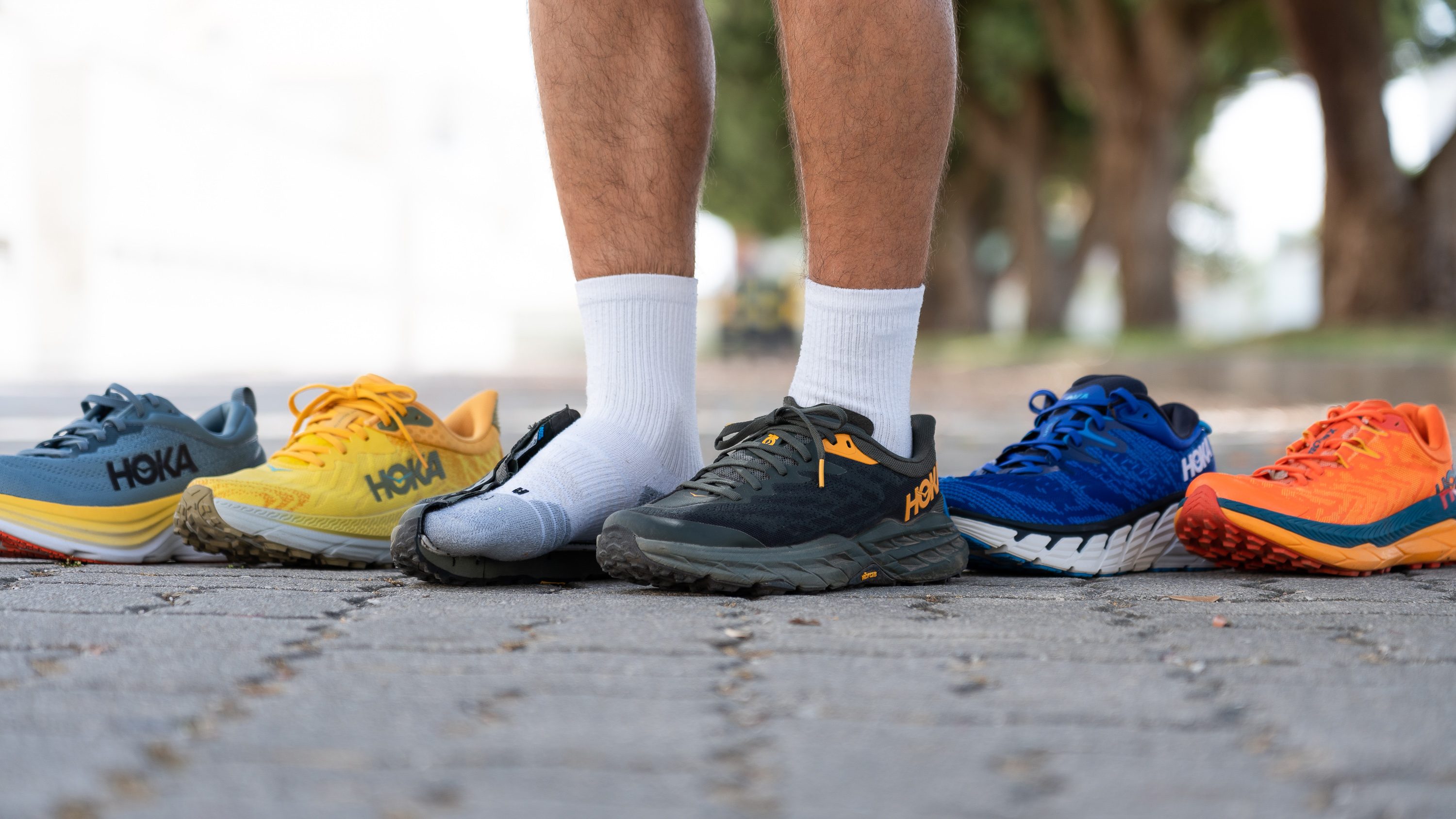
Once considered niche, maximalist cushioning has stormed the mainstream, led by brands like Hoka One One and ASICS Gel-Nimbus. These shoes are characterized by oversized midsoles that provide an unprecedented level of shock absorption. The science behind them, as explored in reviews on sites like Runner’s World, involves not just more foam, but geometrically engineered foam that guides the foot through a stable, rolling gait cycle. For those with joint concerns or who simply prioritize plush comfort above all, these are a revelation. Styling them may seem daunting, but the principle is to embrace the “chunky” aesthetic. Balance the substantial silhouette of the shoe with streamlined clothing. Think slim-fit jeans or leggings and a simple top. Let the shoes be the statement piece. As celebrity trainer Harley Pasternak has told his clients, including numerous A-list stars, “If your feet hurt, everything hurts.” Prioritizing this level of comfort with a bold shoe choice is a powerful style statement in itself, signaling confidence and practicality. A walking shoe from Hoka, for instance, can be the foundation of an outfit that is both incredibly comfortable and fashion-forward.
Style Synergy: Pairing Shoes with Your Wardrobe Archetypes
Now, let’s translate this knowledge into actionable style formulas. Your wardrobe likely falls into a few broad archetypes, and each has a perfect walking shoe partner.
The Classic & Tailored Wardrobe
For those who lean towards blazers, button-downs, straight-leg jeans, and trench coats, the goal is to maintain a clean, intelligent line. Here, a leather or suede sneaker with a simple profile is ideal. Think the Common Projects Achilles Low, the Cole Haan GrandPro, or a clean white leather sneaker from Koio. These shoes offer the comfort of a sneaker (often with hidden cushioning technology) but present a polished, minimalist exterior that complements tailored fabrics without clash. They work because they respect the outfit’s sophistication while providing the comfort a traditional loafer or flat might lack for extended wear.
The Effortless & Casual Wardrobe
This is the domain of soft tees, quality sweatshirts, relaxed-fit chinos, and denim jackets. The styling opportunities are vast. A retro-style running shoe, like the New Balance 990 series or the Asics Gel-Kayano, adds a touch of nostalgic authenticity. A sleek slip-on sneaker from Vans or Allbirds offers minimalist ease. The key is color coordination. Pull a secondary color from your shirt or jacket and find a shoe that matches or complements it, tying the whole look together with considered ease.
The Technical & Urban Wardrobe
Inspired by utility and modern design, this style features cargo pants, technical fabrics, and modular jackets. The natural pairing is a technical sneaker or trail-inspired walking shoe. Brands like Salomon, with their XT-6 model, or The North Face offer shoes with rugged outsoles, water-resistant uppers, and a distinctly athletic yet fashion-forward silhouette. They match the functional aesthetic of the clothing and are built to handle real-world conditions, from sudden rain showers to uneven city terrain, without breaking their style stride.
Investing in Your Journey: Value Beyond the Price Tag
It’s easy to see a high price on a premium pair of walking shoes and hesitate. However, this is an area where cost often correlates directly with research, development, and quality materials that translate to durability and performance. A $150 shoe that lasts two years and prevents discomfort is a far better value than a $60 shoe that falls apart in six months and causes pain. Look for brands that offer robust warranties or satisfaction guarantees. Furthermore, the rise of direct-to-consumer brands like Allbirds and Atoms has disrupted the market, offering high-quality materials and comfort-focused designs at more accessible price points by cutting out traditional retail markups. Always check for seasonal sales on flagship models from major brands; last season’s colorway often comes with a significant discount, while the core technology remains identical. Remember, you are not just buying a shoe; you are purchasing the freedom to wear your favorite outfits anywhere, anytime, without a second thought to your feet. That confidence and comfort are priceless.
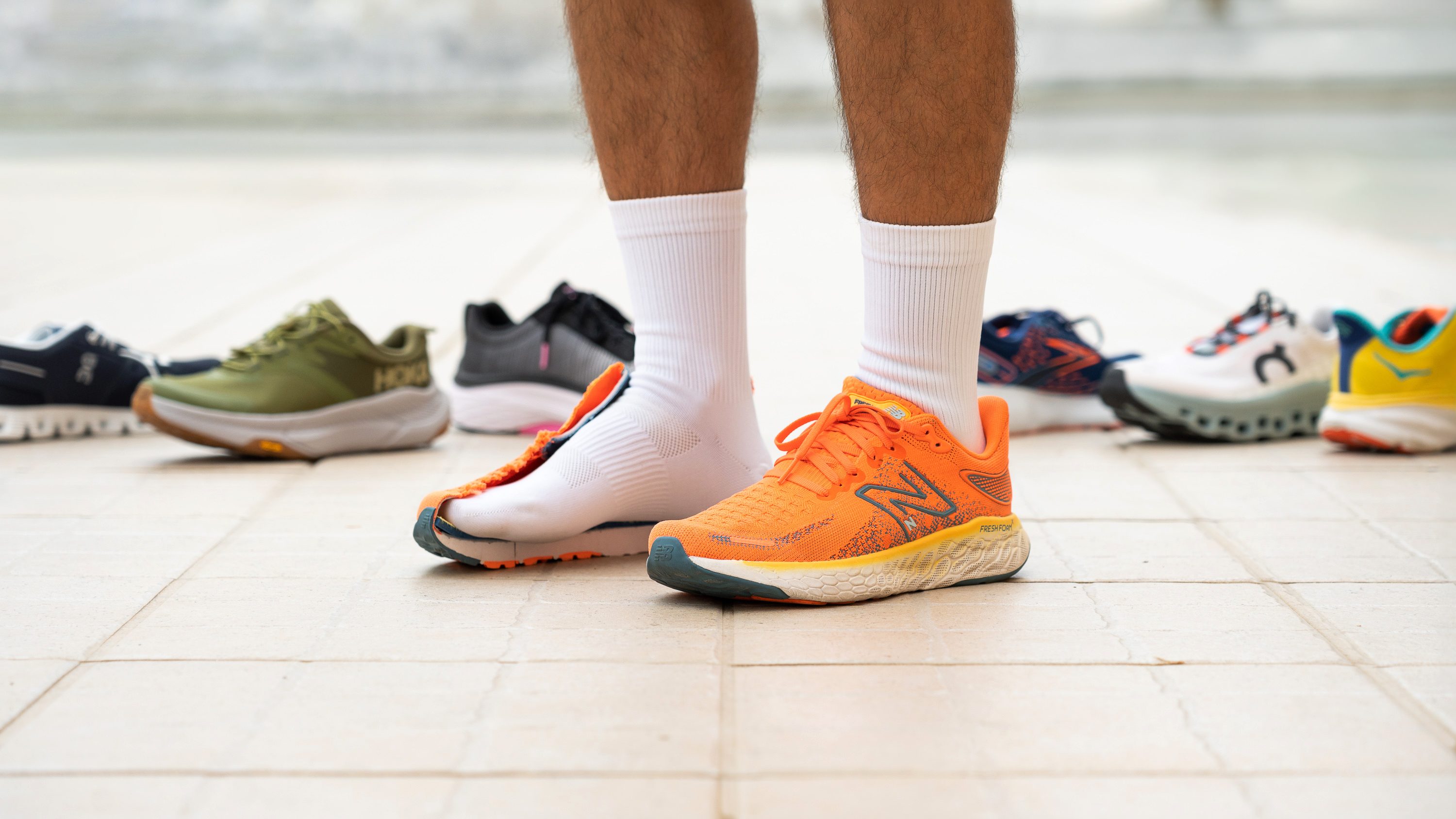
The pursuit of style should never be a sentence to discomfort. By understanding the science of footwear and making intentional choices, you can build a wardrobe where every element, from the hat to the walking shoe, works in concert for your confidence and well-being. Start from the ground up. Choose shoes that respect your body’s mechanics, and you will find that your style becomes more authentic, more dynamic, and infinitely more wearable. Your journey through the world should be marked by ease and expression, not sore feet and compromised choices. Let your next step be your most comfortable—and your most stylish—yet.
