

The Best Tennis Shoes for Everyday Walking Comfort
When we talk about footwear designed for the rigors of the court, we seldom consider its potential for the pavement. Yet, the very engineering that makes a tennis shoe exceptional for lateral moves and quick pivots often translates into superb support for the steady, repetitive motion of walking. This article isn’t about repurposing in a pinch; it’s about recognizing a specific category of footwear built on principles that align perfectly with the biomechanics of walking. The right pair of tennis shoes for walking can transform your daily stride from a mundane task into a journey of sustained comfort.
The Unseen Engineering: Why Tennis Shoes Work for Walking
The foundation of a good walking shoe is not merely softness, but structured support that guides the foot through its natural gait cycle—heel strike, foot flat, mid-stance, push-off. Tennis shoes are constructed with this very philosophy of dynamic movement in mind. Consider the midsole, often featuring advanced cushioning technologies like Adidas’ Boost or Nike’s React foam. As Dr. Casey Kerrigan, a former Harvard Medical School professor and gait biomechanics researcher, has often highlighted in her work, the goal of footwear should be to minimize the metabolic cost of walking and reduce impact forces. The responsive, energy-returning midsoles in performance tennis shoes are designed to do exactly that, absorbing shock at heel strike and providing a springy feel during toe-off. Furthermore, the outsole of a tennis shoe, crafted from durable, non-marking rubber with a herringbone or modified tread pattern, offers exceptional grip on varied surfaces, from asphalt to park trails, providing the stability a walker needs. The upper, typically a blend of breathable mesh and supportive synthetics, ensures the foot remains secure without constriction, a feature paramount for preventing blisters during long walks. This confluence of cushioning, stability, and durability positions certain tennis shoes for walking as a scientifically sound choice.

Cushioning vs. Support: Decoding the Midsole Mystery
A common misconception is that the softest shoe is the best for walking. This is a potentially harmful oversimplification. Pure, unguided softness can lead to instability, causing the foot to roll excessively (overpronation or supination) and straining the ankles, knees, and hips. The genius of a high-quality tennis shoe midsole lies in its dual-purpose design. It provides plush cushioning vertically to combat impact, while simultaneously offering medial and lateral support to control the foot’s motion. Brands like ASICS have built their reputation on this, with technologies like GEL cushioning and Dynamic DuoMax support systems. This principle is echoed in literature from the American Podiatric Medical Association, which emphasizes the need for “motion control” and “stability” features in footwear for repetitive activities. When you walk in a well-designed tennis shoe, you’re not just stepping on a pillow; you’re placing your foot on a guided platform that manages energy dissipation and return throughout the entire gait cycle. This nuanced approach to midsole design is what separates a casual sneaker from a performance-oriented tennis shoes for walking candidate.
Durability Meets Daily Grind: The Outsole Advantage
Walking, especially on concrete, is a relentless wear test for footwear. The outsole of a typical running shoe, optimized for forward motion on tracks or roads, can wear down quickly if subjected to frequent lateral brushing or scuffing. Tennis shoe outsoles are a different breed. Constructed to withstand the abrasive, multi-directional dragging forces of a clay or hard court, they are made from exceptionally tough carbon rubber or similar compounds. The tread patterns are designed for omnidirectional traction. This translates directly to walking longevity. A durable outsole means the shoe’s structural integrity and support last for hundreds of miles, protecting your investment. As noted on authoritative review sites like Runner’s World and Verywell Fit, outsole durability is a critical, often overlooked factor in choosing a walking shoe. The robust build of a tennis shoe outsole ensures that the cushioning and support above it remain effective for far longer than a less-durable alternative, making it a prudent choice for the dedicated walker.
Selecting Your Stride: Key Features to Prioritize
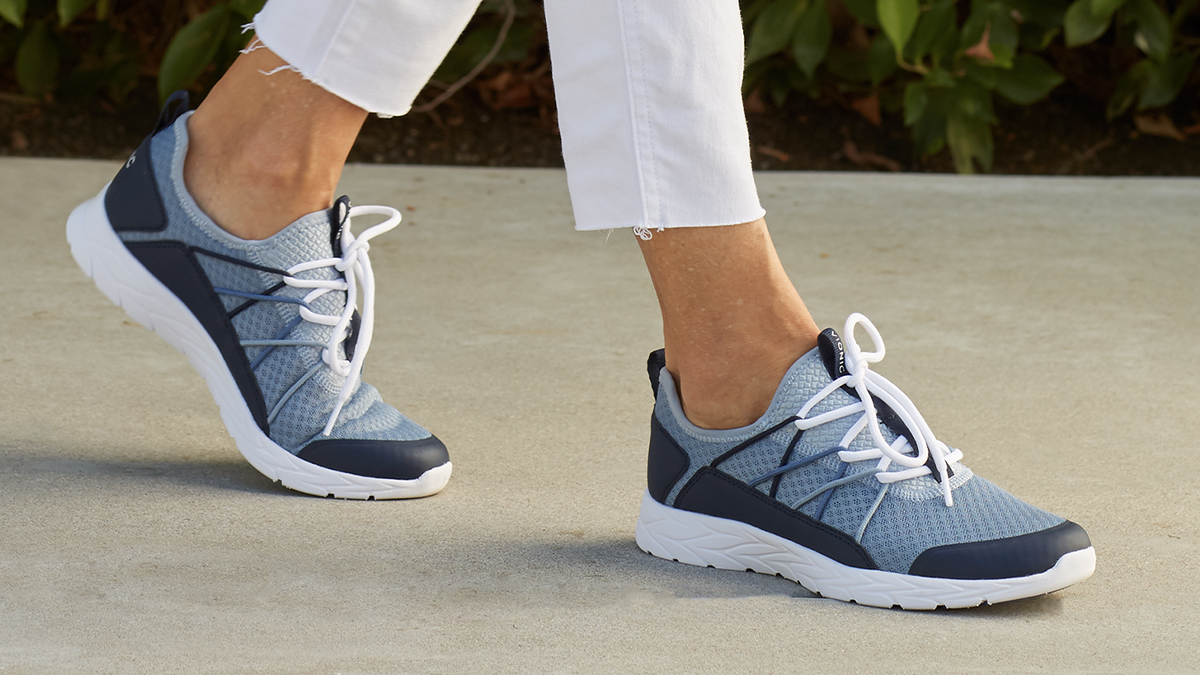
Not every tennis shoe is created equal for walking purposes. To find your ideal pair, you must become a discerning evaluator of features. First, prioritize models known for all-day comfort rather than ultra-aggressive, low-to-the-ground court feel. Look for ample heel and forefoot cushioning. Second, assess the heel counter—the firm cup at the back of the shoe. It should be sturdy and well-padded to lock your heel in place, preventing slippage that causes friction. Third, examine the toe box. It should have enough room for your toes to splay naturally with each step, a point famously emphasized by natural movement advocates and in books like “Born to Run.” A cramped toe box can lead to a host of issues, from blisters to neuromas. Finally, consider weight. While tennis shoes aren’t always the lightest, a moderately weighted shoe can provide a stable, grounded feel that many walkers prefer over an ultra-featherweight design. The goal is to find a shoe that disappears on your foot, allowing you to focus on your surroundings and your rhythm, not your footwear.
The Arch Question: Finding Your Match
Understanding your foot’s arch type is non-negotiable. This isn’t just marketing; it’s applied biomechanics. You can perform the classic “wet test” at home or get a professional gait analysis at a specialty running store. For flat feet (overpronation), you need a tennis shoe with pronounced arch support and stability features—think along the lines of the Nike Air Zoom Vapor Cage or the Adidas Barricade series. For neutral arches, you have the widest selection, benefiting from balanced cushioning in shoes like the New Balance Fresh Foam Lav or the Asics Gel-Resolution. For high arches (underpronation or supination), prioritize maximum cushioning and flexibility to aid in natural shock absorption, seen in models like the K-Swiss Hypercourt Express. Ignoring your arch type is like putting the wrong fuel in a high-performance engine; the system will eventually falter. Matching your foot’s architecture to the shoe’s support structure is the single most effective way to ensure comfort and prevent injury, making your tennis shoes for walking a true partner in health.

Beyond the Hype: Professional Insights and User Experience
The theory is sound, but what does practice say? The convergence of tennis and walking comfort is supported by more than just spec sheets. On platforms like YouTube, certified pedorthists and physical therapists, such as Dr. Andrew Schneider of Tanglewood Foot Specialists, often review athletic footwear, noting how the stability features of court shoes can benefit those with specific gait patterns. Furthermore, the lived experience of countless users on forums like Quora and Reddit’s r/walking subreddit provides a wealth of anecdotal evidence. Users frequently report that after switching from dedicated walking shoes or running shoes to certain cushioned tennis models, they experienced reduced foot fatigue and fewer aches in their knees and lower back. This user-generated data, while not a clinical trial, forms a compelling corpus of evidence. It suggests that for a significant subset of the population, the structured, secure fit and resilient cushioning of a tennis shoe aligns perfectly with the physiological demands of prolonged walking. It’s a testament to the principle that good engineering serves multiple purposes.
A Note on Style and Versatility
Let’s address an unspoken benefit: aesthetics. Modern tennis shoes, driven by the athleisure trend and collaborations between sportswear giants and fashion designers, often boast a sleek, versatile design. A model like the Adidas Stan Smith or the Nike Court Vision Low offers timeless, clean lines that transition seamlessly from a morning walk to casual daytime wear. This versatility means you’re investing in a shoe that serves multiple roles in your wardrobe, increasing its value per wear. As fashion icon and designer Virgil Abloh once discussed in interviews, the blurring of lines between performance wear and high fashion has elevated the design language of athletic shoes. Choosing a stylish pair of tennis shoes for walking means you don’t have to sacrifice looking good for feeling good. It’s a holistic approach to footwear where function and form are in harmony, encouraging you to wear them more often and, consequently, walk more.

Making the Smart Choice: Value and Investment
Quality footwear is an investment in your musculoskeletal health. While premium tennis shoes can carry an initial price tag of $120 to $160, their superior materials and construction offer greater longevity than many budget walking shoes. The key is to shop strategically. Look for previous-season models or colorways, which are often discounted by 30-50% as new iterations are released. Major sporting goods retailers and brand outlet websites frequently run sales, especially during holiday weekends and seasonal transitions. The value proposition is clear: a durable, supportive pair of tennis shoes for walking that lasts for 500 miles or more provides a lower cost per mile and better ongoing protection for your body than a cheaper, less-supportive shoe that needs replacement every few months. Consider it not as an expense, but as preventative care. Your feet are your foundation; equipping them with the best tools for the job is a decision that pays dividends in comfort, health, and sustained enjoyment of your walking routine.
The journey to finding perfect walking comfort doesn’t require a radical shift, but rather a thoughtful reconsideration of available tools. The engineered response, durable construction, and supportive framework inherent in a well-chosen tennis shoe directly address the fundamental needs of the walking gait. By understanding the science behind the cushioning, respecting the importance of your unique foot structure, and recognizing the value in durable design, you can confidently step into a pair that supports every mile. Your path to comfort is paved with informed choices, and the right tennis shoe might just be the perfect companion waiting at the start line.
