

The Walking Shoe: Your Secret to Effortless Style and All-Day Comfort
In the rhythm of daily life, where every step counts, the choice of footwear transcends mere utility. It becomes a silent partner in our journeys, a foundation for our posture, and an unspoken element of our personal style. For too long, the concept of a comfortable shoe was relegated to the realm of the purely functional, often at the expense of aesthetics. Today, that paradigm is decisively shifting. The modern walking shoe stands at this intersection, engineered not just for movement but for sustained well-being and conscious elegance. This is not about a fleeting trend; it is about a fundamental re-evaluation of what we put on our feet. The right pair can transform a commute into a pleasure, a day of errands into an experience of supported ease, and your overall silhouette into one of confident, effortless style.
The Anatomy of All-Day Comfort: Beyond Soft Soles
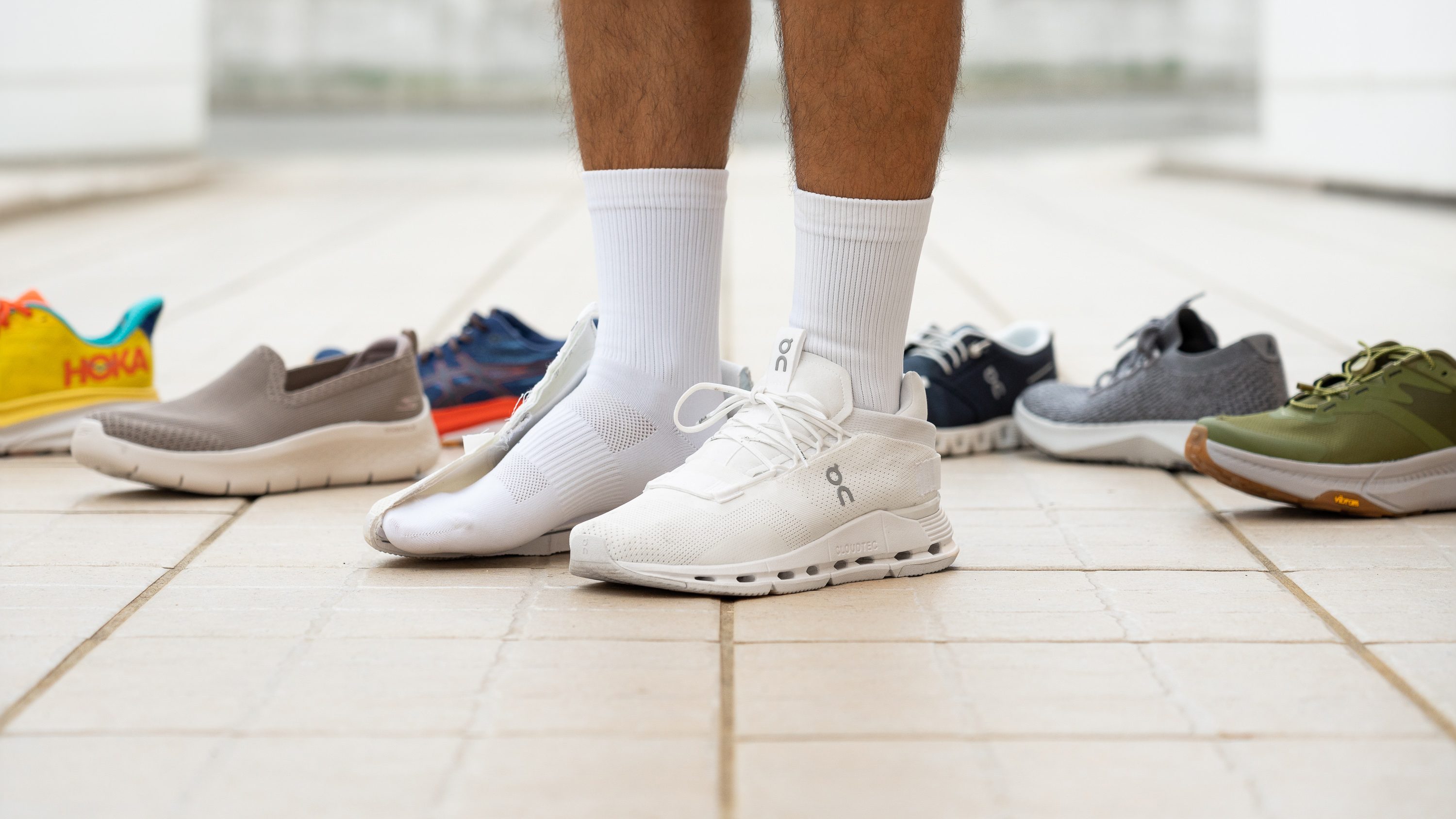
Comfort in a walking shoe is a sophisticated symphony of biomechanics, not merely a plush insole. Scientifically, the human foot is a complex structure of 26 bones, 33 joints, and over 100 muscles, tendons, and ligaments. A shoe that truly supports this architecture must address several key components. First, the midsole cushioning, often made from advanced materials like EVA (Ethylene-Vinyl Acetate) foam or proprietary gels (as pioneered by brands like ASICS with their GEL technology), absorbs the shock of heel strike—a force that can be multiples of your body weight with each step. As Dr. Casey Kerrigan, a former professor of physical medicine and rehabilitation at Harvard Medical School, has noted in her research, excessive footwear cushioning can sometimes destabilize gait, indicating that targeted cushioning is more critical than maximalist softness. Second, arch support is paramount. Whether you have high, neutral, or flat arches, proper support maintains the foot’s natural alignment, preventing conditions like plantar fasciitis. This principle is echoed in podiatric literature from institutions like the University of Pittsburgh Medical Center, which emphasizes corrective support as a primary treatment. Third, a flexible yet stable forefoot allows for the natural “toe-off” phase of the gait cycle, while a secure heel counter prevents slippage and provides rearfoot stability. When these elements coalesce, the shoe ceases to be an object you wear and becomes an extension of your body’s own supportive system.
Effortless Style: Where Form Meets Function Without Compromise
The notion that practical shoes must be visually bland is an antiquated concept thoroughly dismantled by contemporary design. Effortless style emerges when aesthetics are woven into the fabric of functionality. Consider the minimalist sneaker trend, championed by brands like Cole Haan and ECCO, which often integrates dress shoe silhouettes with athletic shoe technology. The style argument here is supported by cultural commentators and fashion economists alike. As Tim Gunn, the iconic fashion mentor, has often stated, “Style is about self-expression and, above all, attitude.” A sleek, well-designed walking shoe communicates an attitude of informed intention—you value your comfort but refuse to sacrifice your visual narrative. This fusion is visible in popular media; characters in films and series who embody capable, dynamic lifestyles (think of the practical yet chic footwear seen in shows like “The Marvelous Mrs. Maisel” or during the travel montages in “Eat Pray Love”) are often shod in shoes that promise mobility without forsaking polish. The style is not loud; it is intelligent. It chooses clean lines, harmonious color palettes (from monochromatic neutrals to tasteful accents), and materials that look premium—think suedes, engineered knits, and polished leathers—all while hiding a chassis of advanced comfort engineering within.

The Economic and Postural Logic of Investment
Viewing a quality walking shoe as an expense is a short-sighted perspective; in reality, it is a profound investment in your long-term physical and financial health. From a purely economic standpoint, the “cost per wear” of a durable, well-constructed pair is significantly lower than that of cheap, disposable footwear. A $150 pair worn nearly daily for two years breaks down to about twenty cents per day—a negligible sum for foundational comfort. More critically, the investment is in your body. Poor footwear can lead to a cascade of alignment issues, a concept detailed in kinesiology texts from universities like UCLA. It starts with the feet, moves to the ankles and knees, affects the hips, and ultimately alters the curvature of the spine. This misalignment can result in chronic pain, reduced mobility, and higher medical costs down the line. As celebrity trainer and health advocate Jillian Michaels frequently emphasizes on her platforms, “What you put on your feet affects your entire kinetic chain. You cannot build a strong house on a weak foundation.” Therefore, spending more on a biomechanically sound shoe is a preventative measure, a form of self-care that pays dividends in vitality and avoided discomfort. It is an investment that walks with you, step by step, preserving your most valuable asset: your ability to move freely and without pain.
Navigating the Market: A Curated Guide to Informed Choice
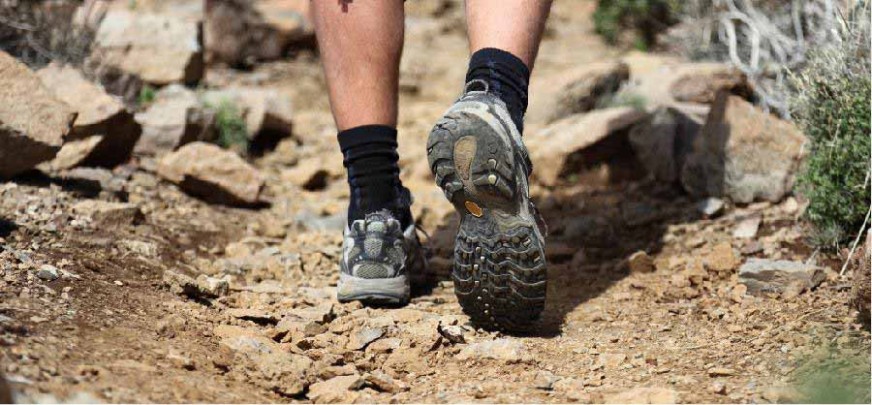
With a marketplace saturated with options, selecting your ideal pair requires a strategy grounded in knowledge, not just marketing. Begin by identifying your primary use-case: are you logging miles on pavement, navigating city streets, or seeking an all-in-one shoe for work and light activity? Your answer dictates priorities. For dedicated fitness walkers, brands like Brooks and New Balance offer models with exceptional shock absorption and gait-specific engineering, often developed in collaboration with sports medicine institutes. For the urban commuter, brands like Allbirds or Rothy’s merge sustainable materials with washable, office-appropriate designs. The next non-negotiable step is fit. Always try shoes on in the afternoon, as feet naturally swell throughout the day. There should be a thumb’s width of space between your longest toe and the shoe’s end, and the widest part of your foot should align with the shoe’s widest part without pressure. Don’t be seduced by size numbers; fit is king. Furthermore, leverage the wealth of knowledge available. Consult in-depth reviews on expert sites like Runner’s World or Verywell Fit, which conduct lab-based wear tests. Explore Q&A threads on platforms like Quora where real users share long-term experiences. This research empowers you to move beyond brand names and understand the specific technology—be it Adidas’s Boost foam, HOKA’s Meta-Rocker geometry, or the orthotic-friendly designs from Vionic—that aligns with your physiological needs.
The Synergy of Knowledge and Value: Finding Your Pair
Armed with this knowledge, you can approach purchasing with confidence, seeking value that doesn’t compromise on core quality. True value lies at the intersection of professional-grade features and accessible pricing. Many direct-to-consumer brands now offer premium materials and patented comfort systems at lower price points by cutting out traditional retail markups. Look for seasonal sales on previous models from major brands; the core technology often remains largely unchanged, offering professional performance at a discounted price. Furthermore, consider the long-term value of features like removable insoles (allowing for custom orthotics), durable outsoles made from carbon rubber, and uppers constructed from breathable, long-wearing materials. This is where professional knowledge directly translates to smart economics. Understanding why a certain midsole foam is superior or why a specific lacing system provides a better fit allows you to identify which features are worth paying for and where you can be flexible. It enables you to decode marketing language and find the discounted prices on shoes that offer genuine, scientifically-backed benefits, ensuring your investment is both wise and financially sound.
The journey to finding your perfect walking shoe is a personal one, a blend of physiological need and stylistic desire. It is a rejection of the false choice between comfort and style, and an embrace of footwear that supports your body and expresses your identity in equal measure. By understanding the science of support, appreciating the aesthetics of intelligent design, recognizing the long-term investment, and applying informed selection criteria, you unlock a secret to daily life that is too significant to remain hidden. Your steps become lighter, your posture more assured, and your day seamlessly bridges the gap between what you need to do and how good you can feel while doing it. The right shoe doesn’t just carry you forward; it elevates the very act of moving through your world.
