

Your Ultimate Guide to Stylish and Comfortable Everyday Footwear
Let’s be honest: for years, the world of comfortable shoes felt like a compromise. On one side, you had the sleek, stylish options that left your feet pleading for mercy by midday. On the other, the supremely comfortable shoes that, while kind to your feet, often did little for your outfit’s overall aesthetic. This false dichotomy is over. Today, we’re navigating a landscape where style and support are not mutually exclusive but are fundamental expectations. This guide is your map to that territory, focusing on the most critical piece of your daily wardrobe: the walking shoe. We’ll move beyond vague advice, grounding our choices in biomechanics, material science, and design principles, all while keeping an eye on value. Forget “understanding” the basics; let’s build expertise. And we won’t need a “conclusion” to tell us we’ve succeeded—your feet, and your style, will do that every day.
The Foundation: Why Your Choice of Walking Shoe is a Health Decision, Not Just a Fashion One
Before we admire colors and silhouettes, we must respect the engineering. Your feet are complex structures with 26 bones, 33 joints, and over 100 muscles, tendons, and ligaments. The shoe you choose is the interface between this intricate biological system and the ground. A poor interface doesn’t just cause discomfort; it can lead to a cascade of issues. According to research from the American Podiatric Medical Association, improper footwear is a leading contributor to common ailments like plantar fasciitis, bunions, and knee pain. The right walking shoe, therefore, acts as a biomechanical tool. It provides cushioning to absorb the impact force—which can be 1.5 times your body weight with each step—and stability to guide your foot through its natural gait cycle from heel strike to toe-off. Think of it not as an accessory, but as essential equipment for the most fundamental human movement. As renowned orthopedic surgeon Dr. Nicholas A. Campitelli has stated in various media interviews, “The goal is to find a shoe that matches your foot, not to force your foot to match the shoe.” This principle is the bedrock of our search. It shifts the question from “Which shoe looks good?” to “Which shoe will allow my body to move well and look good doing it?”
Decoding the Anatomy: Key Features of a Superior Everyday Shoe
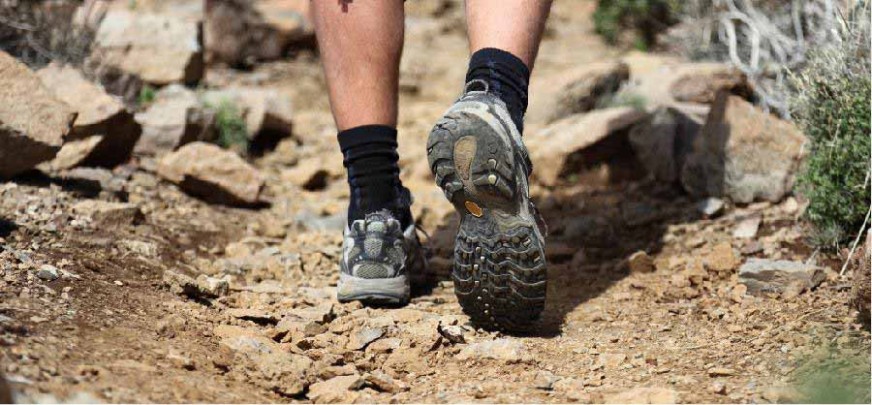
To make an informed choice, you need to speak the language. Let’s dissect the components of a great walking companion. First, the upper: This is the part that wraps your foot. Materials matter immensely. Modern engineered meshes offer breathability and adaptive stretch, conforming to your foot’s shape without excess bulk. Leather provides structure and durability but ensure it’s soft and supple. Look for seamless or minimally sewn interiors to prevent friction and blisters. Second, the midsole: This is the heart of cushioning and stability. Technologies here vary—from EVA foam to advanced polymers like Nike’s React or Adidas’s Boost. The key is not just softness, but responsive cushioning that returns energy. A well-designed midsole will also include some form of arch support or medial post to prevent overpronation (the inward rolling of the foot), a common issue noted in gait analysis studies from institutions like the University of Virginia’s Running Medicine Clinic. Third, the outsole: The traction layer. Durable rubber with a flexible groove pattern is essential for grip and allowing the foot to bend naturally. The heel counter, the firm cup at the back, should be sturdy to lock your heel in place, preventing slippage that can lead to instability. Finally, don’t overlook the insole or sockliner. While often replaceable, a good contoured insole provides immediate comfort and arch contact. When these elements harmonize, you have a true walking shoe—a system designed for sustained, comfortable mobility.
:max_bytes(150000):strip_icc()/vwt-asics-womens-gel-pulse-16-jinfeng-chen-21-712f0f140e834b84b3a8dcf0bf154771.jpeg)
Style Synergy: Marrying Form with Function
Now, we integrate design. The notion that technical features must look “clunky” is antiquated. Contemporary brands are masters of integration. Consider the rise of “athleisure” and the normalization of sneaker culture in offices and social settings. The aesthetic of a great walking shoe now draws from minimalist design, retro athletic wear, and modern streetwear. A neutral color palette—think off-whites, grays, blacks, or earthy tones—offers maximum versatility, pairing effortlessly with chinos, jeans, dresses, or tailored trousers. Silhouette is crucial: a lower profile midsole can offer ample cushioning without a bulky look, and streamlined uppers avoid unnecessary panels. Brands like Cole Haan, Allbirds, and certain lines from New Balance and ECCO have built reputations on this very synergy. As designer Tinker Hatfield, the mind behind iconic Nike silhouettes, famously said in a documentary on design philosophy, “Performance and aesthetics are not at odds. In fact, when you solve a performance problem elegantly, the aesthetic often emerges from that solution.” This is our guiding light. Your shoe should look intentional, like a considered part of your style, not just a medical device for your feet. The confidence that comes from knowing you look good is, itself, a component of comfort.
The Personal Fit: Navigating Your Unique Needs
With knowledge of anatomy and style, we turn inward. Your perfect shoe is a personal equation. First, foot type: The “wet test” (checking your footprint on a paper bag) can indicate if you have high, neutral, or low arches. High arches often need more cushioning, while low arches (flat feet) typically require more stability and motion control. Second, walking environment: Are you primarily on paved city streets, or do your days include park paths and uneven terrain? The former may favor a smoother, more flexible outsole, while the latter demands deeper lugs for grip. Third, volume and width: This is where many go wrong. A shoe that is too narrow compresses the forefoot, leading to neuromas or bunions; too wide allows the foot to slide, causing friction. Brands now offer multiple width options (like 2A, B, D, 2E), which is a game-changer. Finally, timing: Always shop for shoes in the afternoon or evening, as feet naturally swell throughout the day. Bring the socks you intend to wear and ensure about a thumbnail’s width of space between your longest toe and the end of the shoe. This personalized approach transforms a generic purchase into a custom-fit solution.
Investment and Value: Smart Spending on Your Foundation
Quality footwear is an investment in your daily well-being, but smart shopping amplifies the value. Expect to spend between $100 and $160 for a well-constructed, technology-equipped pair from a reputable brand. This price point generally ensures durable materials, advanced midsole compounds, and quality construction that will last. The real cost is in the cost-per-wear. A $150 shoe worn 300 days a year costs 50 cents per day—a negligible sum for foundational comfort. To be savvy, consider the product cycle: new models are released every 6-12 months. When the “next generation” arrives, retailers discount the previous model, often by 20-30%. This is an excellent opportunity to acquire premium technology at a friendlier price. Additionally, subscribe to brand newsletters or follow reputable footwear retailers for seasonal sales. Remember, the most expensive shoe isn’t necessarily the best for you, and the cheapest option often lacks the structural integrity needed for all-day support. Investing in the right pair of walking shoes is a proactive measure against potential future expenses for pain management or corrective devices.
Knowing When to Let Go: The Lifecycle of Your Shoes
Even the best shoes have a finite lifespan. Cushioning materials compress and lose their resiliency, outsoles wear down affecting traction, and the upper’s support weakens. The common recommendation from sources like the American Council on Exercise is to replace walking shoes every 300 to 500 miles. For a daily walker covering 3-5 miles a day, that translates to roughly every 4 to 6 months. Don’t wait for visible holes. Monitor for signs: persistent new aches in your feet, knees, or hips; noticeably compressed cushioning when you press a thumb into the midsole; or uneven wear patterns on the outsole. Rotating between two pairs can extend the life of each by allowing the midsole foam to fully decompress between wears. This practice isn’t just for athletes; it’s a simple strategy for anyone relying on their shoes daily. Recognizing the end of a shoe’s functional life is as important as the initial selection—it’s how you maintain the standard of comfort and protection you’ve worked so hard to establish.
:max_bytes(150000):strip_icc()/when-should-i-replace-my-walking-shoes-3436325-0801-7a1840d83573471092e0380f9e230ecc.jpg)
We began by dismantling the old choice between style and comfort. What remains is a clear path forward, built on knowledge rather than guesswork. You now possess the criteria to evaluate not just how a shoe looks, but how it works—for your unique biomechanics, your daily environment, and your personal style. The perfect walking shoe is out there, waiting to be the unassuming hero of your everyday life. It’s the foundation that lets you move through your world with ease, confidence, and without a second thought. That’s the ultimate goal: footwear so good, you forget it’s there, freeing you to fully engage with everything and everyone around you.
