

Step Into Comfort and Style with Vionic Walking Shoes
For years, the pursuit of the perfect walking shoe felt like a compromise. You could have cushioning that felt like walking on clouds, but the shoe might lack support and lead to arch fatigue by midday. Alternatively, you might find a shoe with excellent structural integrity, only to find it heavy, rigid, or aesthetically unappealing. This dichotomy between comfort and support, between function and style, has long been a pain point for active individuals and everyday walkers alike. The arrival of biomechanically informed footwear, however, has begun to bridge this gap. At the forefront of this movement is a category of shoes designed not just to cover your feet, but to work with your body’s natural mechanics. Today, we explore how one such option, the vionic walking shoe, redefines what it means to step out in comfort and style, merging podiatric science with contemporary design to support your journey, step by step.
The Foundation: Understanding Biomechanics and Foot Health
To appreciate the innovation behind specialized footwear, we must first understand the complex engineering of the human foot. According to resources from the American Podiatric Medical Association (APMA) and academic literature from institutions like the University of Bristol’s School of Physiology, Pharmacology, and Neuroscience, the foot is a marvel of biomechanics. It contains 26 bones, 33 joints, and over 100 muscles, tendons, and ligaments, all working in concert to provide support, balance, and propulsion. A natural, healthy gait involves a precise sequence of heel strike, foot flattening (pronation), and push-off from the forefoot. However, modern lifestyles—characterized by hard, flat surfaces and often inadequate footwear—can disrupt this rhythm. Over-pronation or supination (under-pronation) are common issues that, over time, can lead to a cascade of problems not just in the feet, but in the ankles, knees, hips, and lower back. This concept is echoed in the works of Dr. William A. Rossi, a noted podiatrist and footwear historian, who famously argued that “the human foot was never designed for the hard, flat, unyielding surfaces we created.” The goal of biomechanical footwear, therefore, is not to restrict the foot, but to guide it gently back towards its natural, healthy motion, providing stability where needed and cushioning against the unnatural forces of modern terrains.

Where Science Meets the Sidewalk: The Vionic Difference
This is where the specific design philosophy of the vionic walking shoe comes into sharp focus. The brand’s core technology is built around a proprietary, biomechanically engineered orthotic footbed. This isn’t mere foam or a simple arch cookie; it’s a multi-layered system designed with input from podiatrists. The key lies in its deep heel cup, which stabilizes the rearfoot, and its pronounced arch support that aligns the foot from heel to toe. This design directly addresses the issue of over-pronation by preventing the arch from collapsing excessively inward during the gait cycle. The science behind such support is well-documented. A study published in the Journal of Foot and Ankle Research highlighted that footwear with medial arch support can significantly reduce peak pressure on the sole and improve comfort during weight-bearing activities. Furthermore, the benefits extend beyond the foot. Research from the Gait and Posture laboratory at the University of Virginia suggests that proper foot alignment can positively influence knee joint mechanics, potentially reducing the risk of osteoarthritis progression. When you slip into a vionic walking shoe, you’re not just putting on a shoe; you’re engaging with a system engineered to foster a healthier walking pattern. The cushioning, often made from durable yet responsive materials like EVA or proprietary foam compounds, works in tandem with this supportive structure to absorb shock, making every step on concrete feel less jarring.
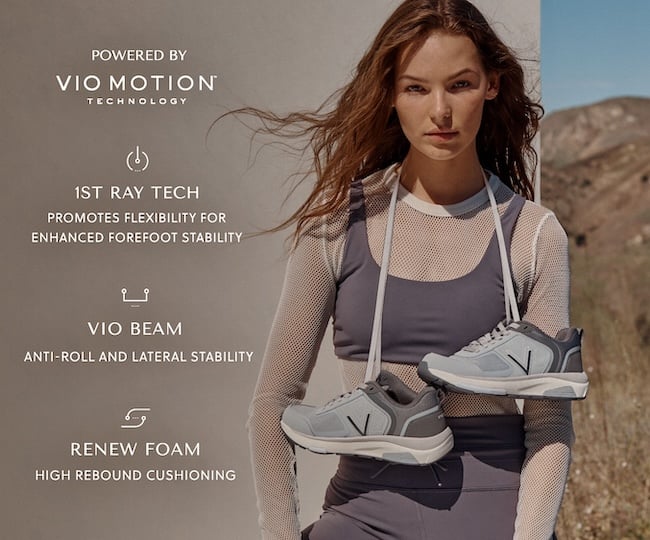
Debunking the Myth: Support Does Not Mean Sacrificing Style
Historically, “orthopedic” or “comfort” shoes were synonymous with clunky, unattractive designs. This perception has been one of the biggest barriers to people seeking better foot health. However, the modern vionic walking shoe shatters this stereotype completely. Drawing inspiration from contemporary fashion trends, Vionic offers walking shoes in a plethora of styles: sleek sneakers, classic boat shoes, versatile sandals, and casual slip-ons. The integration of their biomechanical footbed is seamless; from the outside, you see a stylish, modern shoe. The uppers utilize breathable mesh, premium leathers, and flexible knit materials that conform to the foot without constriction. This fusion is critical. As fashion psychologist Dr. Dawnn Karen, author of Dress Your Best Life, notes, “What we wear impacts our mood, confidence, and behavior. When functional apparel also aligns with our aesthetic identity, it empowers us to engage more fully in our daily activities.” You no longer have to choose between wearing a shoe that makes you feel good and one that is good for you. Whether you’re navigating a busy urban landscape, strolling through a park, or running errands, a vionic walking shoe allows you to do so with both physical support and sartorial confidence.
Real-World Impact: From Aching Feet to Active Living
The true test of any product is its impact on daily life. Consider the experience of a long-time retail worker, standing on hard floors for eight-hour shifts. Traditional sneakers might offer initial softness but often lead to burning plantar fascia and aching knees by the third hour. Switching to footwear with structured support can be transformative. Online testimonials from platforms like Quora and dedicated review sites are filled with stories from nurses, teachers, and travelers who report a dramatic reduction in foot fatigue after making the switch. One user, a self-proclaimed “avid walker” who logs over 10,000 steps daily, shared on a health forum: “It was like my feet finally found their home. The arch support in my Vionics felt foreign for the first ten minutes, and then my feet just… relaxed. My usual shin splints on long walks have virtually disappeared.” This anecdotal evidence aligns with the principle of proprioception—the body’s ability to sense its position in space. A well-supported foot provides clearer, more stable proprioceptive feedback to the brain, improving balance and reducing the muscular effort required to stabilize the body with each step. The result is not just the absence of pain, but the presence of enduring energy, enabling longer, more enjoyable walks and a more active lifestyle overall.

Investing in Your Foundation: Value Beyond the Price Tag
It’s natural to consider the cost when investing in quality footwear. A premium vionic walking shoe represents an investment in your musculoskeletal health. Think of it not as a simple clothing purchase, but as preventative healthcare. The cost of ongoing physiotherapy for plantar fasciitis, custom orthotics, or managing chronic knee pain far exceeds the price of a pair of biomechanically sound shoes. Furthermore, the construction quality of these shoes is designed for longevity. Durable outsoles, high-grade materials, and reinforced stitching mean they are built to withstand miles of wear, offering a better cost-per-wear ratio than cheaper, disposable alternatives that break down quickly and lose their supportive properties. To make this investment more accessible, it’s worth seeking out seasonal sales, checking official brand outlets, or subscribing to newsletters for exclusive discounts. Bringing this professional-grade support to your daily routine at a discounted price transforms it from a luxury into a smart, attainable essential for well-being.
A Step in the Right Direction
The journey to better foot health and more comfortable living doesn’t require drastic measures. It often begins with a single, conscious step—or rather, the vessel that facilitates that step. The evolution of footwear from mere protection to a tool for biomechanical alignment marks a significant advancement in how we care for our bodies in a modern context. By choosing a shoe that prioritizes the intricate needs of the foot without demanding a sacrifice in aesthetics, you are making a proactive choice for your long-term vitality. The evidence, from podiatric science to user experiences, points toward the profound difference that proper support can make. So, as you contemplate your next pair of shoes, look beyond color and trend. Consider the architecture within. Your feet, and indeed your entire body, will thank you for the support, mile after comfortable mile.

