

The Best Tennis Shoes for All-Day Walking Comfort
When you think of a shoe that can carry you through miles of urban exploration or a full day on your feet, the humble tennis shoe might not be the first style that comes to mind. Yet, the modern tennis shoes for walking have evolved far beyond the clay or grass courts, emerging as a secret weapon for unparalleled all-day comfort. This isn’t about repurposing a performance sports shoe for a task it wasn’t designed for; it’s about recognizing a category of footwear that has ingeniously blended athletic support with casual resilience. The right pair can mean the difference between ending your day with energized steps or painful, aching feet. We will navigate through the engineering, the science, and the real-world performance that makes a tennis shoe an exceptional choice for walkers, providing you with the knowledge to select a companion that offers both professional-grade support and accessible value.
The Anatomical Foundation: Why Tennis Shoes Work for Walking
The efficacy of tennis shoes for walking lies in their foundational design principles, which address biomechanical needs that overlap significantly with those of a dedicated walker. Tennis is a multidirectional sport involving lateral cuts, quick stops, and forward sprints. Consequently, shoe manufacturers invest heavily in midfoot support and torsional stability to prevent the foot from rolling inward (overpronation) or outward (supination) during these aggressive movements. This focus on medial and lateral support is a boon for walkers, as it provides a stable platform for the repetitive, heel-to-toe gait cycle. According to biomechanics literature from institutions like the University of Calgary’s Human Performance Lab, excessive pronation during walking can lead to a chain of alignment issues affecting the knees, hips, and lower back. A tennis shoe’s often wider base and reinforced sidewalls act as a preventive measure, offering inherent stability that many casual walking shoes lack. Furthermore, the cushioning systems in tennis shoes are engineered to absorb high-impact forces from jumping and hard court strikes. Technologies like Asics’ GEL cushioning or Nike’s Air units, while designed for vertical shock, translate exceptionally well to dissipating the constant, lower-impact force of each walking step. This dual focus on cushioning and stability creates a protective environment for the foot, making a well-chosen tennis shoe a scientifically sound option for prolonged ambulation.
Decoding the Midsole: The Engine of Comfort
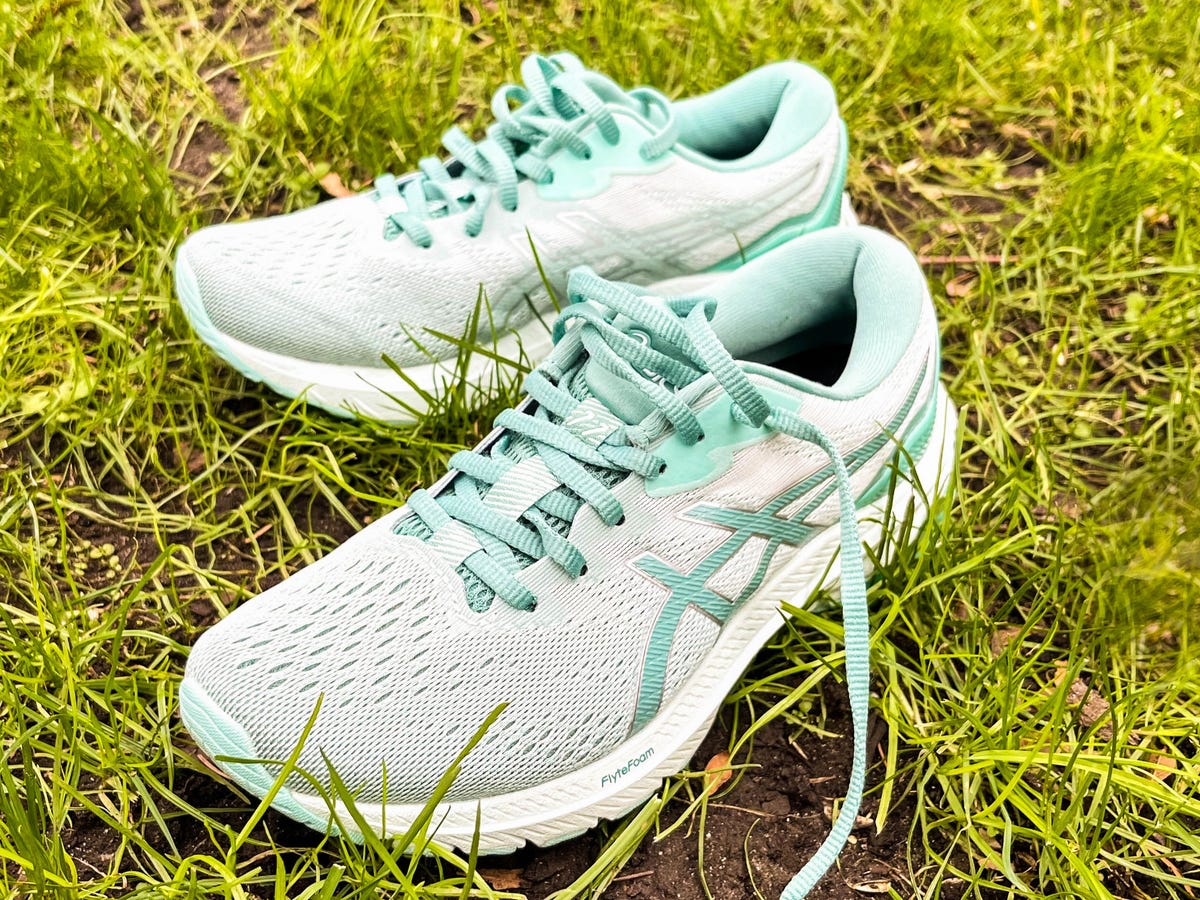
If the outsole is the shoe’s tire, the midsole is its suspension and engine combined. This is the critical layer where the magic of all-day comfort is either realized or lost. In the context of tennis shoes for walking, the midsole materials and construction are paramount. Ethylene-Vinyl Acetate (EVA) foam has been a industry standard for decades, prized for its lightweight and cushioning properties. However, advanced formulations and alternative materials have raised the bar. For instance, Adidas’s Boost technology, utilizing TPU (Thermoplastic Polyurethane) pellets, offers superior energy return compared to traditional EVA. As Dr. Casey Kerrigan, a former Harvard Medical School professor and gait biomechanics expert, has discussed in analyses of footwear, the goal of cushioning isn’t just to soften impact, but to efficiently return energy to the stride, reducing muscular effort. This is where high-performance tennis midsoles excel. Brands like New Balance often incorporate dual-density midsoles—a firmer material on the inner side to control pronation and a softer compound elsewhere for comfort. When you’re evaluating a potential pair, press into the midsole. Does it rebound quickly? Does it feel supportive, not just soft? A shoe that is too soft may feel comfortable in the store but can lead to foot fatigue as your muscles work harder to stabilize. The best tennis shoes for walking strike a precise balance: they are responsive enough to propel you forward yet plush enough to cradle your foot through thousands of steps.

Upper Breathability and Fit: The Forgotten Factors
While cushioning grabs headlines, the upper of the shoe is your foot’s direct interface with the world, and its design is non-negotiable for all-day wear. Tennis, being a high-intensity sport, demands uppers that are lightweight, breathable, and secure. This trinity of features is directly transferable to walking comfort. Breathable mesh panels, often woven with synthetic threads for durability, prevent heat and moisture buildup—a key factor in preventing blisters and discomfort. As noted on authoritative health and fitness platforms like Verywell Fit, a moist environment inside a shoe softens the skin, making it more susceptible to friction and damage. Furthermore, the lockdown fit of a tennis shoe is typically more engineered than that of a casual sneaker. Features like padded collars, internal sleeves, and strategic overlays work to hug the midfoot and heel without constricting the forefoot. This secure fit prevents the foot from sliding forward on descents or shifting during lateral movements, which in a walking context, translates to consistent comfort and reduced fatigue. When trying on tennis shoes for walking, pay attention to the “heel lock.” Your heel should not lift when you walk. The width should accommodate the natural splay of your toes without pinching. Remember, feet swell throughout the day, so an afternoon fitting is ideal. A well-designed upper acts as a supportive yet invisible partner, allowing you to forget about your shoes entirely—the ultimate hallmark of comfort.
Beyond the Court: Real-World Performance and Style Synthesis
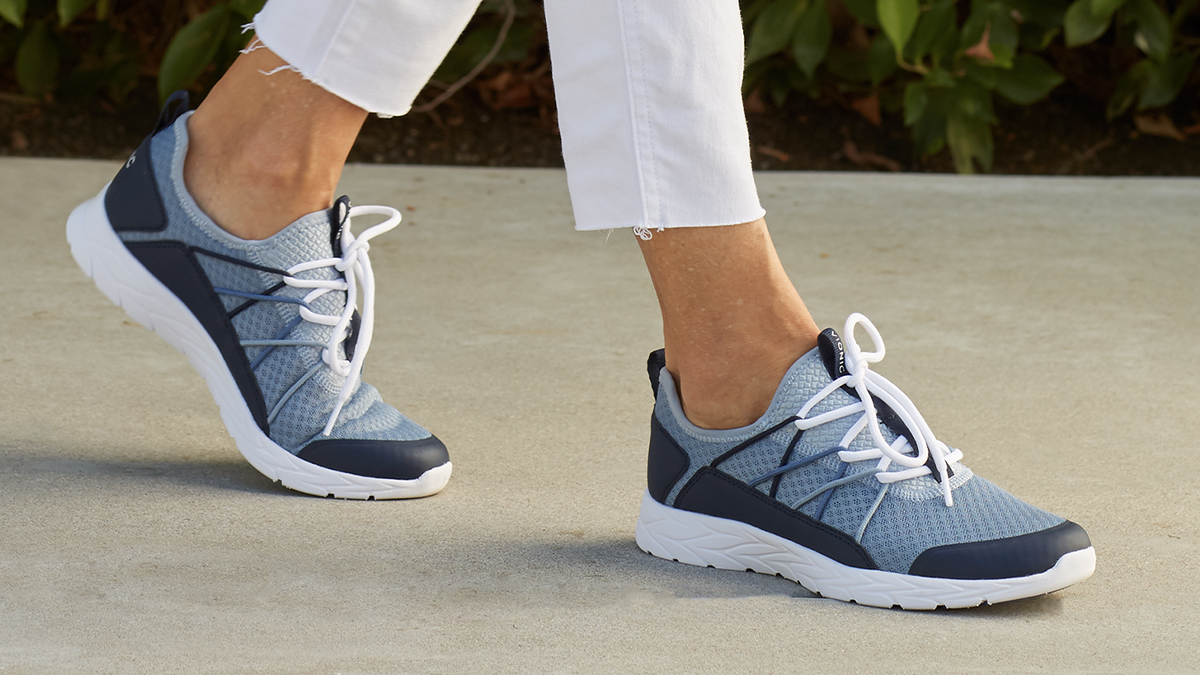
The evolution of the tennis shoe from a strict performance silhouette to a lifestyle staple is a testament to its versatile design. This synthesis is crucial for the modern walker who values both function and form. You are not just buying a tool; you are choosing a piece of your daily wardrobe. The clean lines, classic profiles (think the Adidas Stan Smith or the Nike Court Vision), and varied colorways of modern tennis shoes allow them to seamlessly transition from a long morning walk to a casual lunch or an afternoon of errands. This stylistic flexibility removes the need for a shoe change, making it a truly all-day option. From a performance perspective, the outsole of a tennis shoe is another unsung hero. Durable rubber compounds, often with modified herringbone or circular tread patterns designed for court traction, provide exceptional grip on a variety of urban surfaces—from pavement and tile to light gravel. This versatility is a significant advantage over running shoes, whose outsoles are optimized for forward motion and can be slippery on wet sidewalks or polished floors. The durability of these outsoles also means a longer product life, offering better value over time. In essence, the best tennis shoes for walking deliver a holistic package: they protect your body biomechanically, endure the physical demands of daily mileage, and complement your personal style without shouting “athletic gear.”
Expert Voices and Informed Choices
Navigating the sea of marketing claims requires anchoring decisions in trusted opinions and evidence. The suitability of tennis shoes for walking isn’t merely anecdotal; it’s supported by voices across different spheres. On platforms like Quora and specialized running/walking forums, seasoned walkers and podiatrists often highlight specific tennis models for their arch support and durability. Celebrity fitness trainers on YouTube, such as Holly Perkins or Jeanette Jenkins, have been known to recommend stable, supportive sneakers like certain tennis models for clients who do a lot of walking as part of their fitness regimen, emphasizing the importance of lateral support often missing in pure running shoes. Even in popular culture, the association is strong. In movies like “Forrest Gump,” the iconic Nike Cortez—a shoe born from a running heritage but stylistically akin to tennis shoes—symbolizes a journey taken one step at a time, a metaphor for the reliable, mile-after-mile comfort we seek. Furthermore, authoritative consumer websites like CNET or Wirecutter regularly include tennis-inspired trainers in their roundups of “best walking shoes” or “most comfortable sneakers,” validating their crossover appeal with rigorous testing protocols. By synthesizing these perspectives—from clinical biomechanics to consumer advocacy and cultural touchstones—you can move beyond brand hype and make an informed choice grounded in collective, real-world experience.
Investing in Your Stride: Value and Accessibility
Finally, let’s address the practical matter of value. High-performance walking or running shoes from premium brands can easily command prices well over $150. Here lies another compelling advantage of the tennis shoes for walking category: accessible excellence. Due to their status as a classic style and often simpler construction compared to cutting-edge running shoes, many excellent tennis-inspired models are available at more accessible price points, especially during seasonal sales or through outlet channels. Brands like Asics, New Balance, and Skechers offer models with their core stability and cushioning technologies at mid-tier prices. For instance, you might find a previous season’s stability tennis shoe, featuring the same essential support systems as the current model, at a significant discount. This democratization of comfort technology means you don’t have to make a prohibitive investment to secure professional-grade support for your feet. When shopping, look for models that highlight features like “arch support,” “motion control,” or “stable cushioning.” Read reviews specifically noting comfort for long periods of standing or walking. By targeting these models, you are investing in a shoe engineered for sustained activity, often securing durability and performance that outlasts cheaper, less-structured casual sneakers. Your feet are your foundation; equipping them wisely with the right tennis shoes is an investment that pays dividends in comfort, health, and daily vitality with every step you take.
The journey to finding the perfect shoe for your daily travels need not be complex. By understanding the inherent design strengths of tennis shoes—their biomechanical support, advanced cushioning, secure fit, and versatile traction—you unlock a category brimming with potential for the dedicated walker. These shoes bridge the gap between athletic performance and everyday life, offering a synthesis of science, comfort, and style that is both objectively effective and subjectively pleasing. Forget limiting categories; the best tool for the job is often the one designed for a different, but related, challenge. Let your search be guided by the principles of stability, responsive cushioning, and breathable fit, and you will discover that the ideal companion for your all-day adventures has been waiting, not just on the path, but perhaps, surprisingly, on the court.
