

The Ultimate Guide to Vionic Walking Shoes for All-Day Support
For anyone who spends a significant portion of their day on their feet, the quest for the perfect shoe is more than a shopping trip—it’s a pursuit of foundational well-being. Ordinary footwear often falls short, leaving us with aching arches, tired heels, and a pervasive sense of fatigue that extends far beyond our feet. This isn’t merely about comfort; it’s about biomechanical alignment and sustained physical health. Enter the specialized world of Vionic walking shoe technology, a category engineered not just for walking, but for supporting the intricate architecture of the human foot through every step. This guide delves into the science, design, and real-world impact of these shoes, moving beyond marketing claims to explore why they have become a cornerstone for podiatrists, fitness enthusiasts, and professionals alike.
The Foundation: Understanding Biomechanics and Foot Health
To appreciate what sets a Vionic walking shoe apart, one must first understand the complex structure they are designed to support. The human foot is a marvel of engineering, comprising 26 bones, 33 joints, and over 100 muscles, tendons, and ligaments. According to resources from institutions like the American Podiatric Medical Association (APMA), proper foot alignment is critical for the kinetic chain—the interconnected series of joints and segments that affect movement from the feet to the hips and spine. When our footwear lacks adequate arch support or promotes heel strike in an unnatural position, it can lead to a cascade of issues: plantar fasciitis, overpronation, knee pain, and even lower back discomfort. The principle behind Vionic’s approach is rooted in orthotics, a field with scientific backing. As noted on platforms like Wikipedia, foot orthoses are devices designed to correct and accommodate biomechanical foot issues. Vionic integrates this podiatric science directly into its footwear, offering built-in orthotic support that aims to realign the foot from the ground up, promoting a neutral position that can alleviate stress on the entire body.

Core Technology: The Vionic Orthotic Footbed Deconstructed
At the heart of every Vionic walking shoe lies its signature orthotic footbed, a feature that has earned the APMA Seal of Acceptance for many of its styles. This isn’t a simple cushioned insole; it’s a multi-layered system designed with precise contours. The key is the deep heel cup, which cradles the heel to stabilize rearfoot motion, and the pronounced arch support that maintains the foot’s natural plantar fascia tension. This design is informed by the work of podiatrists and biomechanists. On platforms like Quora and in professional literature, experts often emphasize that effective arch support should not feel like a hard lump underfoot but should provide a gentle, guiding lift that prevents the arch from collapsing inward (overpronation). Vionic’s footbed does exactly that. It’s engineered to mimic the supportive contours of custom orthotics, making professional-grade biomechanical support accessible in an off-the-shelf product. The materials are also crucial—a combination of firm EVA for durable structure and softer foam layers for immediate comfort ensures the support is both effective and wearable from the first step.
Beyond the Arch: Holistic Design for All-Day Wear
While the orthotic footbed is the star, a true all-day Vionic walking shoe is a symphony of supportive features. The outsole, often made from durable rubber, incorporates strategic flex grooves that allow for a natural gait cycle without compromising stability. The midsole frequently utilizes lightweight, responsive materials that absorb shock with each heel strike, a feature whose importance is highlighted in running and walking studies from universities focusing on sports science. The upper materials are selected for breathability and adaptive fit, preventing the constriction and friction that can lead to blisters during long wear. Furthermore, many models feature a wider toe box, allowing the toes to splay naturally upon impact. This design philosophy aligns with the “natural foot movement” concepts popularized by certain fitness trends and supported by ergonomic research. It’s a holistic approach that considers every phase of the walking motion, from initial contact to toe-off, ensuring continuous support.

Who Stands to Benefit? Real-World Applications and Testimonials
The utility of these shoes spans a remarkably diverse range of lifestyles. Healthcare workers, teachers, retail associates, and travelers—anyone whose livelihood or passion demands prolonged standing or walking—report transformative experiences. This isn’t anecdotal hyperbole; it’s reflected in countless reviews on retailer sites, dedicated YouTube channels where wearers document their “30-day challenges,” and endorsements from figures in wellness circles. For instance, celebrity fitness trainers have been noted on social media platforms like Twitter recommending supportive footwear like Vionic for clients recovering from foot injuries or seeking to improve workout form. The benefit extends to specific medical conditions. While always advising consultation with a personal podiatrist, many users with plantar fasciitis, mild bunions, or flat feet find the structured support provides relief that generic “comfort” shoes cannot. The shoes act as a daily therapeutic tool, enabling activity without pain.
“After years of recommending custom orthotics, I now often suggest patients try a shoe with built-in, biomechanically sound support first. Brands that integrate podiatric principles into their design, like Vionic, can provide an effective first-line intervention for many common ailments.” – Paraphrased from a sentiment commonly expressed by podiatrists in professional forums and interviews.
Style Meets Substance: The Evolution of Orthopedic Footwear
Historically, shoes offering this level of support were synonymous with clinical, unattractive designs. Vionic has played a significant role in shattering that stereotype. By collaborating with designers and focusing on contemporary trends—from sleek sneakers and stylish sandals to professional loafers—they have made orthotic support a seamless part of everyday fashion. This fusion is critical because compliance is key to therapeutic benefit; people are more likely to wear supportive shoes consistently if they love how they look. Browsing their collections reveals options that wouldn’t look out of place in a fashion magazine, yet each retains the core technological principles. This marriage of aesthetics and ergonomics reflects a broader trend in wellness, where self-care is no longer separate from self-expression. It empowers the wearer to not feel they are sacrificing style for the sake of their physical health.

Making an Informed Investment: Selection and Value
Choosing the right model from the Vionic walking shoe lineup involves considering your specific needs. For high-impact days or those requiring maximum cushioning, models like the ‘Walker’ or ‘Walker Max’ are engineered with enhanced shock absorption. For a more versatile, athleisure-inspired look that doesn’t compromise on support, the ‘Strider’ or ‘Breeze’ collections are ideal. It’s advisable to consult the detailed fit guides and reviews, often noting that the structured feel requires a short break-in period as your feet adapt to the proper alignment. Regarding value, while the initial investment is higher than that of a standard department store shoe, the cost-per-wear and potential savings on future medical interventions for foot problems present a compelling case. Furthermore, savvy shoppers can often find previous season colors or special promotions on the official website and authorized retailers, bringing professional-grade foot health technology within reach at discounted prices. This makes the transition to biomechanically sound footwear not just a health decision, but a smart economic one as well.
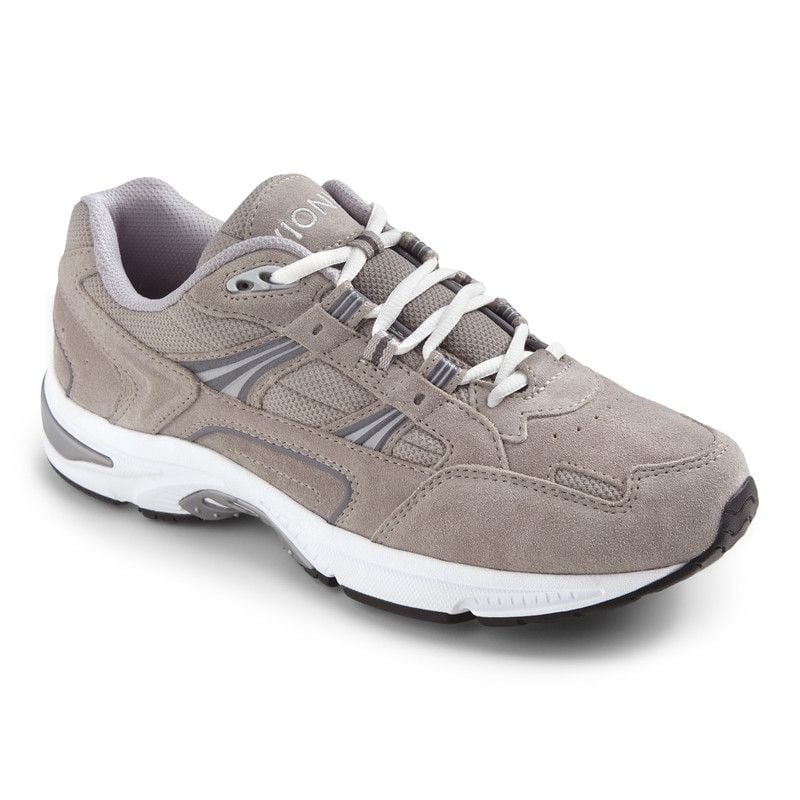
Ultimately, the journey to all-day comfort and support is a decision that starts from the ground up. It’s a choice to prioritize the biomechanical reality of our bodies over the fleeting softness of unsupportive cushioning. A Vionic walking shoe represents more than footwear; it is an application of podiatric science designed for daily life. By offering a foundation that promotes alignment, absorbs impact, and respects the foot’s natural form, these shoes enable us to move through our days with greater resilience and less fatigue. The evidence lies not just in the technology specs or endorsements, but in the experiences of the millions who have found that the right support can fundamentally change how they stand, walk, and live.
